Looking for men’s work shoes that hold up through long shifts, slick kitchen floors, and rainy job sites? The right pair depends less on a brand sticker and more on where your workday actually happens. From kitchen crews to warehouse pickers to tradesmen in tight quarters, we’ve narrowed six well-regarded options that balance comfort, safety, and durability. Each entry below was chosen for the way it solves a specific kind of workday problem.
A Quick View Of The Lineup

Crocs Unisex-Adult Classic Clog
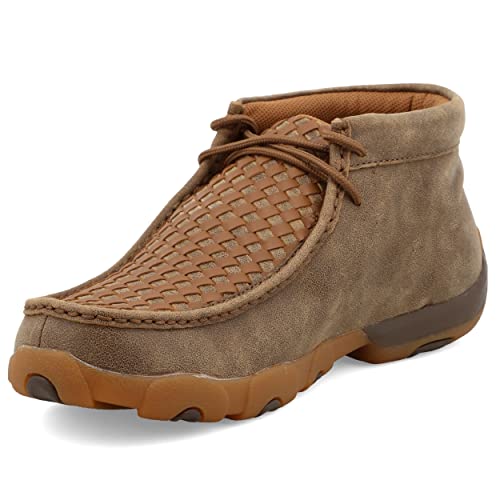
Twisted X Men’s Chukka Driving Moc Boot

Crocs Unisex-Adult Classic Clogs

ACE Bullfrog Pro Unisex Soft Toe Work Boot

Shoes For Crews Vitality II Work Sneaker

Shoes For Crews Everlight Work Sneaker
A Breakdown Of The Leading Choices
The Crocs Unisex-Adult Classic Clog has become a quiet workhorse across restaurants, gardens, and clinics for one reason: it handles abuse. The molded construction (a single piece of closed-cell resin) shrugs off spilled drinks, soil, and grease in seconds, and the open heel strap keeps the fit locked when you’re moving fast.
For dishwashers, line cooks, and weekend landscapers, the appeal is the same as for hospital staff on long walks between wards. It’s not a traditional work boot, but for low-impact indoor jobs where comfort and cleanability beat toe protection, it covers the basics well.
The Value In It
- The slip-on shape speeds up busy openings, so you can head straight to a station or counter without lacing up.
- Closed-cell resin wipes clean under a faucet, saving time at the end of a shift.
- Roomy toe box helps during long hours on hard tile floors.
- Unisex sizing covers shared workplaces that hand out gear from a stock closet.
- Wide color range makes it easy to color-code by department.
Things To Consider
- The open-top design leaves the foot exposed to spills, which can be an issue in chemical-heavy kitchens.
- No toe cap means it’s the wrong call for construction or warehouse roles.
- On hot summer pavement, the resin can feel warm against the skin.
Feature Snapshot
Made For
Kitchen line workers, gardeners, and anyone clocking long hours on hard tile where cushion and cleanability matter more than toe protection.
Look Elsewhere When
If you work around heavy stock or foot hazards, the ACE Bullfrog Pro offers proper coverage and slip-resistance instead.
The Twisted X Men’s Chukka Driving Moc Boot walks the line between boot and casual shoe, which is why it lands on so many ranch and workshop lists. Premium full-grain leather (the outermost layer of the hide, prized for toughness) wraps the foot and gradually molds to your stride.
Tradesmen who alternate between kneeling, driving, and standing on uneven ground tend to appreciate the ankle height and the moc-style toe. It feels lighter than a traditional work boot, yet still offers more structure than the Crocs Classic Clog above.
Useful Highlights
- Premium full-grain leather breaks in over time, so comfort improves the more you wear it.
- The leather upper breathes better than synthetic boots, helpful during long outdoor shifts.
- Driving moc heel shape flexes naturally when you shift between kneeling and walking.
- The chukka height adds ankle support without feeling stiff like a tall work boot.
Honest Caveats
- Leather needs occasional conditioning to keep it supple and water-shedding.
- No listed safety toe, so it isn’t suited for environments with falling-object hazards.
- It costs more than basic work sneakers, which doesn’t fit every tight gear budget.
Best Suited To
Ranchers, delivery drivers, and light-trade workers who need a tougher shoe than sneakers but don’t require steel or composite protection.
A Better Fit Elsewhere
For genuine jobsite hazards, the ACE Bullfrog Pro gives you a soft toe rating, slip resistance, and electrical hazard coverage.
Compared to the original Classic Clog listed earlier, this Crocs model shares the same silhouette and molded Croslite build, leaning into the same strengths. The fit and feel are familiar, and it serves well as a backup pair or a starter clog for those new to slip-on work shoes.
For pop-up catering crews, school cafeteria workers, and weekend volunteers, it offers an easy entry point. You give up some of the premium touches you might find in leather boots, but you keep the same wash-and-wear practicality.
Useful Touches
- The familiar clog shape keeps break-in time near zero.
- Lightweight construction fights foot fatigue on long volunteer shifts.
- Easy to rinse clean after dusty outdoor tasks.
Points To Note
- Like the other Classic Clog in this lineup, it lacks any formal safety toe rating.
- The ventilation ports can let in splashes during heavy mop work.
- Limited arch support compared to dedicated work sneakers like the Vitality II.
Perfect Match For
New workers on tight budgets and side-job hustlers who want the clog convenience without committing to a higher price.
Skip It When
Long shifts on hard floors call for the Shoes For Crews Vitality II, which adds a cushioned footbed.
The ACE Bullfrog Pro is built for workers who deal with slick surfaces, electrical panels, and unpredictable terrain. Where the Classic Clog offers comfort and the Twisted X brings leather refinement, this boot steps in with workplace certifications.
EH-rated (electrical hazard) means the sole helps reduce the risk of conduction through the foot in dry conditions, which matters around live wiring. Combined with non-slip grip, it suits warehouse pickers, light construction, and maintenance crews on their feet all day.
A Few Highlights
- Slip-resistant outsole helps on wet, oily, or freshly mopped floors.
- EH rating adds a layer of safety around electrical panels and wiring jobs.
- Water-resistant build handles puddles and damp basements.
- Unisex sizing works for shared locker rooms or crew gear pools.
- Soft toe keeps the boot lighter than a steel-cap alternative.
Worth Bearing In Mind
- Soft toe doesn’t protect against heavy falling objects like a hard-hat safety toe would.
- Break-in time is common with work boots, so allow a few shifts before judging fit.
- Heavier than clogs or sneakers, which may slow you down on highly mobile routes.
Technical Sheet
Who Should Grab It
Warehouse associates, light-trade workers, and maintenance crews who need grip and EH protection without a heavy steel toe.
Consider Something Else When
If you spend the day on your feet indoors serving customers, the Shoes For Crews Vitality II feels lighter and easier to walk in.
Where the ACE Bullfrog Pro delivers jobsite toughness, the Vitality II from Shoes For Crews focuses on comfort for hospitality and service settings. The non-slip outsole targets restaurant kitchens, where wet floors are a daily reality, while the sneaker silhouette keeps it light on the move.
Servers, nurses, and hotel staff who walk miles a day on hard floors usually want cushion more than they want a chunky boot. For that profile, this sneaker answers the call without the bulky look of traditional work footwear.
Real-World Strengths
- Non-slip tread helps prevent mishaps around sinks, dish pits, and entryways.
- Sneaker-style construction stays comfortable through long double shifts.
- Lower profile feels easier to drive or kneel in than a tall work boot.
Smaller Limitations
- Not built for heavy industrial hazards, so it isn’t suited to construction zones.
- Lightweight mesh sections can wear faster under daily scrub-down routines.
At A Glance
Whose Shelf It Belongs On
Hospitality, healthcare, and retail workers who walk long distances on hard floors and need reliable slip resistance.
Reach For A Different Pick When
Tradesmen on uneven ground should consider the Twisted X Chukka for more ankle structure.
The Everlight rounds out the Shoes For Crews offerings with a focus on weight savings. Compared to the Vitality II, it sheds bulk through a thinner midsole and lighter upper materials, which can matter when you’re on your feet for back-to-back shifts.
Cashiers, café workers, and quick-service cooks tend to appreciate how the lower profile disappears on the foot. You still get the slip-resistant foundation the brand is known for, just with a sleeker shape that suits fast-paced indoor environments.
Standout Benefits
- Featherweight feel reduces end-of-shift foot drag.
- Non-slip tread handles spills and freshly cleaned floors.
- Lower silhouette looks closer to a casual sneaker, which some workplaces prefer.
Factors To Consider
- The thinner build offers less impact cushioning than chunkier work sneakers.
- Not rated for jobsite hazards like falling objects or electrical contact.
Feature Rundown
Who It Suits Best
Servers, retail associates, and café workers who want non-slip safety without the bulk of a traditional work shoe.
Swap It Out When
Jobs involving uneven terrain or construction sites call for the ACE Bullfrog Pro and its heavier build.
What To Weigh Before Choosing Mens Work Shoes
Start with the floor you’ll stand on. Indoor settings with tile or polished concrete usually reward non-slip sneakers like the Shoes For Crews models, while outdoor or mixed terrain shifts push toward leather boots or heavier work footwear.
Match protection to the hazard. A soft toe handles light duties, but warehouses and construction sites may demand reinforced toes. Electrical hazard ratings (EH) help around live wiring, while waterproof uppers matter in outdoor trades.
Consider the break-in window and care needs. Leather boots like the Twisted X mold to your foot over weeks, while synthetic clogs and sneakers are comfortable from day one. Think about whether you’ll keep up with leather conditioning or prefer a hose-down routine.
Fit matters more than style. A roomy toe box prevents cramped hours on hard floors, while a snug heel prevents blisters. Try on at the end of the day when your feet swell, and leave room for the socks you’ll actually wear on shift.
Spotting Trouble Before You Click Add To Cart
Where Shoppers Go Wrong
Many people pick shoes by category alone, ignoring the floor conditions. A clog that feels great in a garden may slip dangerously on a greasy kitchen floor, so always weigh tread pattern first.
Others skip sizing review threads and end up with half a size off. Work shoes worn through long shifts amplify small fit issues, so check return policies before settling on a pair.
The Case For Spending Up
Higher-tier work shoes often use better leather, stronger adhesives, and more advanced outsoles. For tradesmen clocking five-day weeks, that can mean a year of use instead of a season. If your work environment exposes shoes to heavy abrasion or chemical splash, the upgrade typically pays for itself in durability and foot health.
Frequently Asked Questions
What kind of mens work shoes are best for kitchen jobs? Non-slip sneakers or clogs with tread designed for slick floors tend to perform best. Models from Shoes For Crews and similar slip-resistant lines handle the wet, oily conditions common in commercial kitchens.
Do mens work shoes need a safety toe? Only if your job involves falling objects, heavy rolling stock, or compression hazards. For indoor service and light industrial work, a soft toe is often sufficient and far more comfortable.
How long should mens work shoes last? Most quality work shoes last six months to two years depending on the environment. Heavy outdoor work shortens that window, while indoor service roles can stretch it longer with proper care.
Are clogs acceptable as mens work shoes? Yes, in roles where toe protection isn’t required and comfort matters. Restaurants, gardens, and clinics often accept clogs because they’re easy to clean and gentle on the feet.
Should I size up for thicker work socks? It’s wise to leave a thumb’s width at the toe when fitting work shoes. This allows room for thicker socks and natural foot swelling during long shifts without cramping.
Closing Remarks
The right men’s work shoes feel less like a fashion choice and more like a tool selection. Match the floor, the hazard, and your shift length, and the right pair tends to stand out. Take a few minutes to think through your real environment before clicking, and your feet will thank you at the end of every shift.