A good pair of minimalist running shoes should feel like a quiet partner on the road, not a piece of gear you have to wrestle with. You want enough cushion to protect your joints over a long loop, but you also want to feel the pavement under you, the way the foot naturally rolls from heel to toe. The six pairs below lean toward a stripped-back profile: lower stacks (the shoe’s overall cushion thickness from ground to foot), wider toe boxes, and breathable uppers that don’t smother your feet. Whether you’re logging easy miles, building back from injury, or just tired of clunky trainers, there’s a fit here worth a closer look.
A Side-By-Side Look
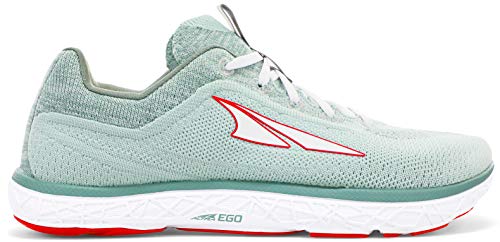
Altra Footwear Escalante 2.5
ALTRA Experience Flow 2 Road Running Shoe

adidas Supernova Rise 2 (White, 6.5)
ALTRA Torin 8 Road Running Shoe

ALTRA Escalante 4 Road Running Shoe

ASICS Gel-Venture 11 Trail Running Shoes
Meet The Standout Selections
The Escalante 2.5 is the kind of shoe that disappears on your foot, which is exactly what most people want from a minimalist trainer. It weighs roughly 6.9 oz (196 g), putting it in the featherweight category where you stop noticing the shoe after the first mile.
Altra built it around a zero-drop platform, meaning the heel sits at the same height as the forefoot (no elevated wedge under the heel), with the brand’s signature FootShape fit that lets toes splay. Runners easing into a more natural gait, or anyone whose foot swells on hot summer loops, may find this geometry refreshing compared to the narrow, pointy lasts (the shoe’s molded foot-shaped form) common in road shoes.
The Good Stuff
- Zero-drop platform encourages a midfoot strike and gentler loading on the Achilles
- Wide, foot-shaped toe box lets toes spread, reducing hot spots on long runs
- At 6.9 oz the upper feels airy and disappears on the foot during easy miles
- Simple knit upper breathes well in warm weather and dries quickly after creek crossings
Trade Offs
- Minimal cushion means rougher pavement shows up through the sole over longer efforts
- The relaxed upper can feel loose for runners with narrow heels or low-volume feet
- Older model availability may mean fewer colorways left in your size
Feature Snapshot
Who It Suits Best
Beginners easing into minimalist running and anyone with wider feet who finds standard lasts too narrow.
Skip It When
Heavy mileage on unforgiving pavement would suit the ALTRA Experience Flow 2 better, since it carries more cushion under the same Altra shape.
The Experience Flow 2 takes the same FootShape toe box and zero-drop geometry that defines the Escalante 2.5 and stacks more foam underneath. It is the Altra for runners who want the brand’s natural fit without giving up cushion on harder efforts.
Compared to the lean Escalante 2.5, this shoe feels more planted through the midfoot and softer at heel strike. Runners training for a half marathon or logging back-to-back long runs often land in this category, where the ride feels effortless but the shoe still respects how the foot wants to move.
What Helps Most
- Higher stack height softens impact on concrete for runners logging 20+ miles a week
- Retains the wide, anatomical toe box that prevents pinch points on downhills
- Engineered mesh upper holds the midfoot without pressure points over the laces
- Balanced platform that handles tempo pace without feeling sluggish
Honest Caveats
- More foam means less ground feel than the Escalante 2.5 if you prefer a barefoot sensation
- Zero-drop geometry still takes adjustment for runners moving from a traditional 8-12 mm offset
Made For
Intermediate runners building mileage who want a roomy toe box and a soft ride for tempo or long-run days.
Consider Something Else When
You mostly run short easy loops and want a lighter, more stripped-back feel, where the Escalante 2.5 is a better match.
The Supernova Rise 2 takes adidas in a softer, more grounded direction, with the Dreamstrike+ midsole designed to balance cushion and responsiveness. For runners used to traditional European lasts, it offers a familiar shape but with a more forgiving underfoot feel than older Supernova models.
The breathable mesh upper keeps airflow moving during humid summer runs, and the white colorway stays clean enough for casual days beyond the run. Runners crossing between gym sessions, commutes, and a few road miles will appreciate the all-day comfort.
What Pays Off
- Dreamstrike+ midsole softens landings while staying responsive at push-off
- Breathable mesh upper ventilates well during warm-weather road sessions
- Clean white finish transitions easily from run to casual errands
- Versatile geometry fits a range of paces without feeling specialized
Points To Keep In Mind
- Listed in a specific size (6.5), so double-check availability for your usual fit
- Lighter build means the outsole may wear faster for heel-strikers logging high mileage
Quick Facts
Best Suited To
Runners who split their training between road and gym and want one shoe that handles both without fuss.
Look Elsewhere When
You regularly head onto dirt paths, where the ASICS Gel-Venture 11 offers a grippier outsole for off-road days.
The Torin 8 sits at the cushioned end of the Altra line, trading some of the ground feel of the Escalante for a softer, more protective ride. It carries the brand’s zero-drop geometry and FootShape toe box, so the foot still functions naturally, but the platform absorbs more impact on every step.
Runners returning from a long layoff, dealing with sensitive joints, or simply preferring plush cushioning will feel at home here. Compared to the Experience Flow 2, the Torin 8 leans more toward recovery and easy days than tempo work.
A Few Strong Suits
- Plush midsole reduces stress on knees and shins during high-mileage weeks
- Wide toe box prevents crowding when feet swell on warm or humid runs
- Zero-drop geometry keeps the Achilles and calves from feeling shortchanged
- Roomy overall volume accommodates orthotics or thicker running socks
Worth Noting
- Heavier cushion profile feels clunky for runners who prefer quicker turnover
- Not designed for trail use, so outsole grip on wet pavement or gravel is limited
The Right Fit
Runners recovering from injury or anyone who wants a soft, protective daily trainer with a roomy fit.
A Better Fit Elsewhere
You want something lighter and faster for tempo work, where the ALTRA Experience Flow 2 delivers a livelier ride under the same Altra shape.
The Escalante 4 takes the original minimal-road concept and updates the upper, refining fit and breathability without changing the zero-drop, foot-shaped feel. It is the everyday workhorse in this Altra lineup, a step more polished than the Escalante 2.5 but still firmly in the minimalist camp.
Runners who liked the older Escalante but wanted a touch more structure through the midfoot should find a familiar ride here. The shoe handles easy miles, light recovery jogs, and casual walking days without feeling overly specialized in any direction.
The Helpful Details
- Refreshed upper construction wraps the midfoot more securely than the 2.5
- Same zero-drop, FootShape design supports natural foot splay
- Lightweight build works well for short, snappy efforts and longer easy runs alike
- Breathable knit helps manage heat on summer road miles
Soft Spots
- Thin midsole means long runs on rough asphalt can feel harsh by mile eight
- Roomy fit may feel sloppy for runners with slim heels
Spec Overview
Perfect Match For
Runners who want a refined, lightweight daily trainer and already trust Altra’s natural-foot philosophy.
Reach For A Different Pick When
You need more cushion under the same Altra shape, where the ALTRA Torin 8 delivers a softer, more protective ride.
The Gel-Venture 11 is the outlier on this list. Where the rest lean toward paved roads, this ASICS points firmly at dirt, gravel, and mixed terrain. It uses AMPLIFOAM PLUS cushioning underfoot, layered with a slightly raised platform that adds protection against rocks and roots.
For runners who prefer greenways, park loops with crushed gravel, or weekend trail outings, this shoe handles rougher surfaces without feeling heavy. Compared to the Altra options above, it trades some minimalist road feel for grip and durability.
Strong Points
- Trail-ready outsole grips loose dirt, gravel, and wet roots
- AMPLIFOAM PLUS cushion softens landings over uneven terrain
- Polyester-based construction holds up well to mud and repeated washing
- No-sew upper reduces pressure points and irritation on longer outings
Things To Weigh
- Heavier than the Altra road shoes on this list, less ideal for fast road miles
- Trail outsole lugs can feel clunky on smooth pavement
Built With In Mind
Runners who split time between road and trail, or anyone wanting one shoe for weekend trail adventures and casual weekday wear.
Swap It Out When
Your runs stay mostly on pavement, where the Altra Escalante 2.5 or Escalante 4 offer a more road-tuned ride.
What To Weigh Before Choosing Minimalist Running Shoes Womens
Understand Drop And Stack Height
Drop is the height difference between the heel and the forefoot inside the shoe. A zero-drop shoe keeps them level, while traditional trainers often have 8-12 mm of drop. Stack height is the total amount of material between your foot and the ground. Minimalist shoes sit lower to the road, which means more ground feel but also less protection against rough surfaces. Beginners often do well starting with a shoe that has moderate stack with low or zero drop, like the ALTRA Experience Flow 2, before committing to something as stripped-back as the Escalante 2.5.
Prioritize Toe Box Width
A wide, foot-shaped toe box lets your toes splay on landing, which can reduce blisters and hot spots. Standard running shoes taper aggressively at the front, squeezing toes together on downhills. Runners with bunions, wider feet, or recurring black toenails may notice immediate relief in a FootShape design like the Escalante 4 or Torin 8.
Match The Shoe To The Surface
Road shoes with thin outsoles and breathable mesh excel on pavement but fall apart on loose dirt. Trail shoes like the ASICS Gel-Venture 11 carry lugs (raised rubber tread blocks) that bite into mud and gravel but feel awkward on smooth asphalt. Most runners do well owning one of each, but if you can only pick one, match the outsole to the surface you cover most often.
Test The Feel Before You Commit
Minimalist shoes feel different from traditional trainers, and your calves and feet often need a few weeks to adapt. Start with shorter runs and build mileage gradually. If you have a history of plantar fasciitis (inflammation of the band of tissue running along the bottom of the foot) or Achilles issues, talk to a podiatrist before switching to zero-drop, since the transition loads those tissues differently.
Key Considerations Across These Picks
Common Buying Slip Ups
The most common slip with minimalist shoes is sizing down. Because the toe boxes are wider, you often need the same length as your regular shoes but more room in the forefoot. Pulling the laces snug while leaving toe room is the right move. Another trap is buying based on looks alone; a clean, low-profile shoe that looks great on the shelf may not suit your gait. Finally, don’t skip the break-in walk. A few short walks around the house reveal pressure points before you commit to a 10-mile run.
Why Top Tier Costs More
Higher-tier minimalist shoes cost more because of midsole foam chemistry, lighter mesh uppers, and the engineering that holds the foot securely without adding weight. The Altra Experience Flow 2 sits above the Escalante 2.5 partly because of its more developed midsole, which retains cushion longer across high-mileage training. If you run under 15 miles a week, a more affordable minimalist option usually delivers enough performance. Runners logging heavier mileage or training for a race benefit from the durability and ride quality of a step-up model.
Frequently Asked Questions
Are minimalist running shoes good for beginners?
Minimalist shoes can work for beginners, but the transition matters more than the shoe itself. Start with shorter runs in a zero-drop model and build gradually so your calves and Achilles adapt. Many beginners prefer starting with a slightly cushioned minimalist trainer like the ALTRA Experience Flow 2 before moving to something more minimal.
How long do minimalist running shoes usually last?
Most minimalist road shoes last between 300 and 500 miles, depending on your weight, gait, and the surfaces you run on. Trail shoes like the ASICS Gel-Venture 11 often push past 500 miles because of tougher outsoles, while lighter road models may wear faster if you heel-strike heavily.
Can minimalist shoes help with foot strength?
Lower stack heights and zero-drop platforms encourage your foot to do more work, which can improve foot and ankle strength over time. You should still build mileage gradually, since the muscles and tendons need weeks to adapt to the new loading pattern.
Do minimalist running shoes work for wide feet?
Yes, most minimalist shoes feature wider, foot-shaped toe boxes specifically because narrow lasts (molded shoe forms) cause blisters and bunions. Models like the ALTRA Torin 8 and Escalante 4 are particularly well suited to runners with broader forefeet.
Should I size up in minimalist shoes?
Sizing depends on the brand, but most minimalist shoes run true to length with extra room in the forefoot. Measure your foot at the end of the day when it is slightly swollen, and leave roughly a thumb’s width of space at the front for safe toe splay on downhills.
The Takeaway
Minimalist running shoes work best when they match the surface you cover, the mileage you log, and the shape of your foot. The Altra trio on this list handles the road minimalist philosophy at three different cushion levels, the adidas Supernova Rise 2 covers a more traditional road shape with modern comfort, and the ASICS Gel-Venture 11 steps off-road for trail days. Try a pair that matches your usual training, give your feet a few weeks to settle in, and trust how your body feels over how the shoe looks on the shelf.