Shopping for molded baseball cleats usually means choosing between lightweight athletic shoes with grippy bottoms and dedicated cleats built for the diamond. You want traction that holds up on dirt and grass, support through nine innings, and a fit that doesn’t punish your feet halfway through the second game. This list rounds up seven picks spanning actual baseball cleats, training-friendly sneakers with molded outsoles, and adjacent athletic shoes with similar sole construction, so you can match your cleat choice to how and where you actually play.
The Essentials At A Glance
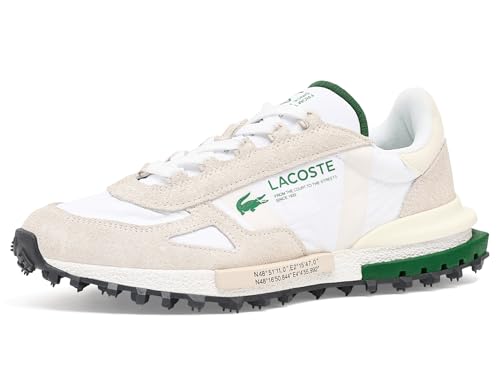
Lacoste Men’s Elite Active Sneakers

Under Armour Harper 10 Baseball Cleats

New Balance Men’s 480 V1 Sneakers

Skechers Go Walk Arch Fit 2.0 Grand Select
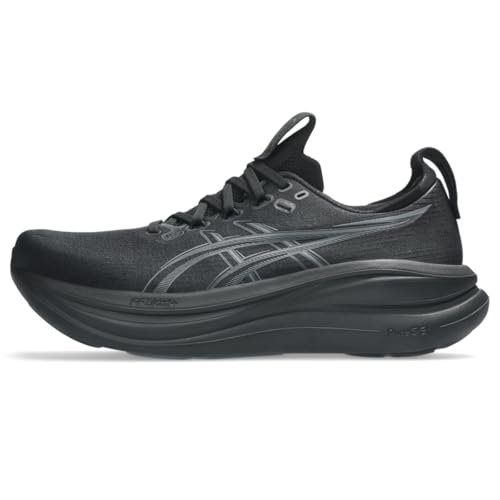
ASICS Men’s Gel-Nimbus 28 Running Shoes

DC Mens Court Graffik

ASICS Men’s Gel-Resolution X Tennis Shoes
Why These Options Stand Out
The Lacoste Elite Active lands on this list less as a true baseball cleat and more as a sneaker with the kind of molded midsole you might cross-train in on off-days. Its vintage nylon upper paired with suede overlays gives it a deconstructed, retro running feel that translates surprisingly well to casual wear and light practice sessions.
Where it earns its spot is comfort. EVA (ethylene-vinyl acetate, a lightweight foam used in midsoles) cushioning underfoot keeps each step soft, while the rubber outsole grips well on dry indoor floors. You may find these a touch too casual for competitive play, but for someone who wants one shoe that bridges warmups, errands, and the car ride home, the fit feels intentional.
Strengths Worth Knowing
- Nylon and suede construction breaks in quickly and feels light from the first wear.
- The molded EVA midsole absorbs impact well during light training and walking.
- Rubber outsole provides steady grip on smooth indoor surfaces.
- Textile lining helps manage moisture during warm weather use.
Things To Consider
- No real cleat studs means limited traction on wet grass or loose dirt.
- The retro silhouette is narrower than most dedicated athletic footwear, so wide feet may feel squeezed.
Right Fit For
Recreational players and coaches who need a comfortable, stylish sneaker for casual practice days and post-game wear.
Where Another Pick Suits Better
The Under Armour Harper 10 Baseball Cleats suit competitive players who actually need molded traction on a real diamond.
The Harper 10 is the only true baseball-specific cleat on this list, and that’s exactly why it earns the headline spot. Built for the diamond with a synthetic upper, full-length EVA midsole, and a molded rubber outsole, it handles the demands of practice, scrimmages, and weekend games without weighing you down.
The synthetic build keeps the shoe light through long innings, while the full-length cushioning absorbs the repeated push-off of base running. The molded outsole offers traction across dirt infields, grass outfields, and most youth and amateur field surfaces. Compared to the Lacoste Elite Active above, this is a focused, sport-specific tool instead of a casual crossover.
What Works In Its Favor
- Synthetic upper keeps the cleat breathable and durable across a full season of games.
- Full-length EVA midsole cushions every step from the dugout to the plate.
- Rubber molded outsole grips a wide range of field surfaces.
- Lightweight construction helps reduce leg fatigue during doubleheaders.
Honest Caveats
- Synthetic materials can run warm during summer afternoon games.
- Limited color options may matter if you coordinate with a team uniform.
- Players with very wide feet may want to try them on first, since baseball cleats often run narrow.
Key Attributes
Built With In Mind
Competitive baseball and softball players who train and play several times a week on dirt and grass fields.
Skip It When
You mainly want a casual lifestyle sneaker; the Skechers Go Walk Arch Fit 2.0 Grand Select fits that role better.
The New Balance 480 V1 takes a swing at old-school basketball style and lands somewhere useful for casual training and off-field wear. Its leather upper gives it a clean, durable look, while an Ortholite insert (a foam insole known for staying breathable and cushioning long after break-in) keeps the foot comfortable through long days.
You won’t be wearing these on game day, since the outsole is built for flat surfaces rather than dirt. Where the 480 earns its place is as a budget-friendly practice shoe for batting cage work, gym sessions, and everyday wear. Compared to the Harper 10 above, this is the shoe you keep by the door when you’re not on the field.
What Stands Out
- Leather upper holds up well to daily wear and wipes clean easily.
- Ortholite insert supports the foot and resists breakdown over time.
- Classic silhouette works for both practice days and casual outings.
- Generally an affordable option compared to dedicated sport cleats.
Minor Gripes
- Flat outsole provides minimal traction on loose dirt or wet grass.
- Leather construction can feel stiff during the first few wears.
- Not a true baseball tool, so dedicated players will need a separate cleat.
Whose Shelf It Belongs On
Casual players and parents looking for a versatile, comfortable sneaker that handles everyday wear without much fuss.
Not Your Match When
You’re lining up for competitive league games; the Under Armour Harper 10 Baseball Cleats are built for that scenario.
The Skechers Go Walk Arch Fit 2.0 leans hard into comfort. The Arch Fit system is designed around foot scans and aims at podiatrist-style arch support, which makes this slip-on a strong match for players whose feet need extra structure during long tournament weekends or extended practices.
The heathered knit upper with stretch bungee lacing slips on easily and stays secure once you start moving, while the dual-density outsole balances grip and cushioning on flat indoor surfaces. You won’t get cleat-style traction, so this lands in the rotation as a recovery and training-day shoe. Compared to the New Balance 480, the Skechers offers a more supportive, slip-on experience for sore feet.
Where It Delivers
- Arch Fit insole supports the arch through long standing sessions and travel days.
- Slip-on design with stretch bungee lacing saves time in the dugout.
- Dual-density outsole grips well on smooth indoor surfaces.
- Knit upper breathes well during warm weather use.
Points To Keep In Mind
- The outsole lacks the studs needed for traction on outdoor dirt and grass.
- Knit upper can collect dust and grass stains more easily than leather.
- The slip-on fit is less adjustable than traditional laces for narrow feet.
Feature Snapshot
Who Should Grab It
Players with arch or foot support concerns who need a comfortable slip-on for practice, travel, and recovery days.
Reach For A Different Pick When
You need traction for outdoor diamond play; the ASICS Gel-Resolution X Tennis Shoes handle quick lateral movement better on court surfaces.
The Gel-Nimbus 28 sits at the cushioned end of the running-shoe spectrum, and that plush feel translates well to long training days on flat turf or indoor surfaces. ASICS loads the midsole with their signature gel cushioning, which absorbs impact in the heel and forefoot to reduce fatigue over hours of use.
You won’t be wearing these on a real baseball diamond, but players logging conditioning work, agility drills, or post-game recovery walks get serious comfort in return. The build leans toward neutral footstrikes, so heavier players or those recovering from foot soreness may find it especially forgiving. Compared to the Skechers above, the Gel-Nimbus offers a more athletic, performance-leaning ride.
Practical Pluses
- Gel cushioning in the heel softens impact during conditioning runs.
- Plush midsole reduces foot fatigue across long training sessions.
- Engineered mesh upper breathes well during high-output work.
- Durable rubber outsole holds up to repeated road and treadmill use.
Worth Noting
- No cleat studs, so this is a training shoe rather than a game-day cleat.
- Plush cushioning can feel unstable for players who prefer a firmer ride.
- Generally costs more than casual sneakers on this list.
Best Suited To
Players who prioritize plush comfort for conditioning, recovery, and off-field training.
Consider Something Else When
Your main goal is on-field traction; the Under Armour Harper 10 Baseball Cleats serve that purpose directly.
The DC Court Graffik is a long-running skate shoe that has earned its place in casual athletic circles. Its signature feature is a pillow of cushioned panels around the upper, which softens impact whether you’re stepping off a board, walking across a gym floor, or just wearing them around town.
The vulcanized-style construction gives it a broken-in feel right out of the box, and the padded tongue and collar hug the ankle comfortably. It’s not a baseball tool, but it handles skate parks, schoolyards, and batting cage visits with the same easy confidence. Compared to the New Balance 480, the Graffik leans more into skate culture and casual wear.
Reasons It Performs
- Padded upper panels protect the foot during skate tricks and casual play.
- Pillowy cushioning softens impact across long days on hard surfaces.
- Iconic skate silhouette holds up to everyday wear.
- Generally durable build for the price point.
A Few Limitations
- Flat outsole lacks the grippy lugs needed for outdoor diamond surfaces.
- Skate-focused design can feel bulky for players used to streamlined athletic shoes.
- Limited lateral support compared to court-specific footwear.
Quick Facts
Who Will Love This
Multi-sport recreational athletes who want a durable, cushioned shoe for skate parks, schoolyards, and casual outings.
A Better Fit Elsewhere
Players focused on quick lateral movement should consider the ASICS Gel-Resolution X Tennis Shoes for that style of play.
The Gel-Resolution X is a tennis shoe, but its lateral support system is one of the most advanced in this lineup. DYNALACING technology locks the foot in during quick transitions, while the two-piece midsole design helps stabilize landings when you’re planting hard and changing direction.
Baseball involves plenty of side-to-side motion at the plate and in the field, and while this shoe isn’t built with actual cleats, the lateral support translates well to indoor training and turf workouts. Compared to the Gel-Nimbus above, the Resolution X is firmer, more responsive, and built for stop-and-start movement rather than long straight-ahead runs.
Positive Points
- DYNALACING system holds the foot during quick lateral transitions.
- Two-piece midsole improves stability on hard landings.
- Reinforced toe area resists wear from drag-step patterns.
- Durable outsole holds up on hard court surfaces and indoor turf.
Possible Compromises
- Heavier than a typical running shoe, which some players may notice during long conditioning sessions.
- Not a true cleat, so outdoor diamond play still requires separate footwear.
- Firmer ride can feel stiff to players used to plush cushioning.
Core Details
Perfect Match For
Players doing lateral-movement training indoors or on turf who want serious side-to-side support without the cleat.
Swap It Out When
You’re heading to a real baseball field; the Under Armour Harper 10 Baseball Cleats handle actual diamond traction far better.
Picking The Right Fit For Your Game
The most important thing to weigh before buying molded baseball cleats is where and how often you’ll actually play. True molded cleats use rubber or TPU (thermoplastic polyurethane, a tough, lightweight plastic) studs fixed into the outsole, giving you reliable traction on dirt and grass without the metal-spike restrictions of higher-league play. Players who compete weekly on a real diamond should prioritize that stud pattern first and let style and color come second.
Foot shape and width matter more than most shoppers expect. A cleat that feels great in a wide-footed friend can crush a narrow foot after two innings, and the synthetic materials common in budget-friendly cleats tend to flex less than leather over time. Trying on cleats with the socks you actually wear for games gives you a more honest sense of fit.
Weight and cushioning shape how your legs feel after a doubleheader. Lighter cleats reduce leg fatigue but often trade away some underfoot padding, while heavier cleats with full-length EVA midsoles add comfort at the cost of speed. Mid-tier molded cleats tend to hit the best balance for most amateur players.
Durability comes down to outsole quality and upper construction. Look for reinforced toe areas, sturdy heel counters, and stitched (rather than glued) overlays where possible. A pair that lasts two full seasons costs less per game than a cheaper pair you replace yearly.
Key Considerations Across These Picks
Where Shoppers Go Wrong
One common slip-up is buying a running or basketball sneaker and expecting it to handle a baseball diamond. Casual outsoles don’t grip loose dirt or wet grass, and slipping on the base path is a real injury risk. Another mistake is choosing cleats purely by appearance; the molded stud pattern and ankle support should always come first, especially for younger players still developing their stride.
What The Higher Tier Buys
Premium molded cleats typically cost more because they use lighter synthetic uppers, more advanced midsole foams, and outsoles designed for specific playing surfaces. You’re paying for breathability, weight savings, and traction that holds up through hundreds of slides and sprints. For players who train and compete several times a week, that upgrade usually pays for itself in fewer replacement pairs and better on-field confidence.
Frequently Asked Questions
What makes molded baseball cleats different from metal cleats?
Molded cleats have rubber or plastic studs permanently fixed into the outsole, while metal cleats feature replaceable or screw-in spikes. Molded versions are typically allowed at all youth and amateur levels and tend to be more comfortable out of the box.
How do I know if a cleat fits correctly?
You want about a thumb’s width of space at the toe and a snug, locked-in feel through the heel and midfoot. Your foot shouldn’t slide side to side when you plant and push off.
Can I wear molded cleats on artificial turf?
Most molded cleats work fine on modern artificial turf, though some leagues restrict certain stud patterns. Short rubber nubs are generally the safest option across surfaces.
How long should molded baseball cleats last?
For a player who practices and plays a few times a week, a quality pair of molded cleats typically lasts one to two full seasons before the studs wear down and traction drops.
Do I need to break in molded cleats?
Most synthetic molded cleats feel comfortable within a few wears, while leather options may take a week of light use to fully soften. Wearing them around the house before the first game helps speed up the process.
The Takeaway
Your cleat choice should match the surface you actually play on and the support your feet need. For competitive diamond play, the Under Armour Harper 10 covers the basics well. For training, recovery, or casual wear, the sneakers on this list each bring their own flavor of comfort to the rotation.