Walking 18 holes puts thousands of steps on your feet, and the wrong shoes turn a great round into a slow grind. A comfortable pair removes distraction, keeps your feet cool, and lets you focus on the next shot instead of the ache building under your arch. The five options below cover spikeless grip, cushioned classics, lightweight performance, and budget-friendly walking footwear, so you can match the shoe to your swing, your course, and your wallet.
The Essentials At A Glance

TEOHRW Wide Mens Waterproof Spikeless Golf Shoes Slip-on
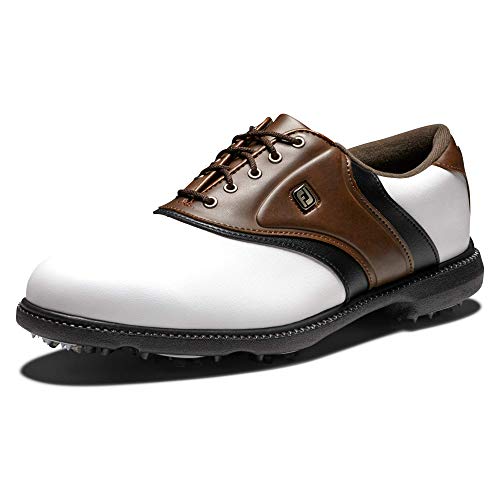
FootJoy Golf Originals Shoes
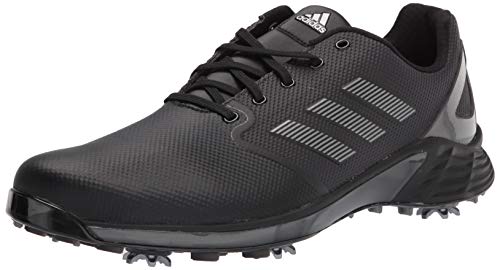
adidas Men’s ZG21 Recycled Polyester Golf Shoes

adidas Men’s ZG23 Golf Shoe
Zakey Professional Spikeless Golf Sneakers
Inside Each Recommended Option
If standard golf shoes pinch your forefoot by the back nine, this slip-on from TEOHRW gives you breathing room right out of the box. The wide cut works well for players with broader feet or anyone who wants a little extra wiggle room during hot summer rounds, and the spikeless sole keeps transitions from tee to cart path quiet and easy.
Unlike the classic FootJoy Originals covered later, this pair leans into casual comfort over traditional styling. The slip-on construction means no laces to retie mid-round, and the waterproof upper helps when morning dew is still heavy on the fairway. It looks more like a sneaker than a traditional golf shoe, which some clubhouse dress codes may not love.
Everyday Advantages
- Wide profile relieves pressure on the forefoot across 18 holes
- Slip-on design saves time at the car and between shots
- Spikeless outsole handles cart paths and clubhouse floors
- Waterproof upper keeps socks dry in early-morning dew
Things To Consider
- Sneaker-like look may clash with stricter clubhouse dress codes
- Wide fit may feel loose for players with narrow heels
- Spikeless traction can feel less planted on wet, hilly lies compared to cleated options
Who Will Love This
Golfers with wide feet, anyone who dislikes laces, and casual players who walk a few rounds a season in mild conditions.
Look Elsewhere When
The Zakey Professional Spikeless Golf Sneakers suit shoppers wanting a slimmer, more sneaker-like profile at a lower cost.
The FootJoy Originals lean into the brand’s traditional side, the kind of shoe that looks right with a collared shirt at a country club. Where the TEOHRW slip-on traded formality for ease, the Originals keep things simple and tidy while still providing solid traction through the swing.
These tend to suit golfers who walk a couple of times a week and want a shoe that ages gracefully rather than chasing the latest lightweight tech. The construction is straightforward, which usually means easy care: wipe them down, let them air out, and they keep their shape round after round. You may find the fit leans toward a classic last, so wider feet should consider sizing carefully.
Everyday Perks
- Timeless silhouette that pairs with traditional golf attire
- Simple construction is easy to clean and maintain
- Reliable traction suited to casual and steady play
Worth Noting
- Classic last may run narrow for wide-footed players
- Lacks the modern cushioning tech found in the adidas ZG21 and ZG23
Feature Snapshot
Made For
Traditionalists who want a clean, classic look and a low-fuss shoe for steady weekend play.
Consider Something Else When
The adidas ZG21 better serves walkers who want noticeably springier cushioning across long rounds.
The ZG21 brings adidas’s running-shoe cushioning tech to the course. Boost, a foam midsole that stores and releases energy with each step, is the headline feature, and it makes a real difference when you’re walking 18 instead of riding. The shoe also uses recycled polyester in the upper, which trims weight and keeps the foot cool during summer rounds.
Where the FootJoy Originals feel grounded and traditional, the ZG21 feels athletic. The cleated outsole gives more bite than a spikeless design, so you can swing hard without your foot sliding on a wet lie. Stock availability is the main sticking point, so if you find your size, it’s worth moving on it before it rotates out.
Good Reasons To Consider
- Boost midsole returns energy with each step across 18 holes
- Cleated outsole grips well on wet grass and sloped lies
- Recycled polyester upper is lightweight and breathable
- Athletic feel suits golfers with a walking habit
Trade Offs
- Stock is often limited, and sizes come and go
- Cleated sole can feel firm on hard cart paths compared to spikeless picks
Key Specs
Best Suited To
Walking golfers and players who log long practice sessions and want noticeably more bounce underfoot.
Reach For A Different Pick When
The TEOHRW Wide Waterproof Spikeless Golf Shoes Slip-on fits better for wide-footed players who want a roomier toe box.
The ZG23 is adidas’s answer for golfers who want a shoe that disappears on the foot. A hybrid Lightstrike midsole keeps the weight down, and the Sprintskin microfiber leather upper holds the foot stable without the bulk of a traditional leather shoe. It’s the kind of build that suits a player who walks 36 holes in a weekend and doesn’t want their feet to remind them of it on Sunday night.
The six-cleat Thintech outsole is tuned for traction without the chunky feel of a spikeless or older cleated design, and the waterproof upper helps when conditions turn damp. Compared to the ZG21’s Boost focus, the ZG23 aims more for a balanced feel, lighter and slightly firmer, with a more secure wrap around the midfoot. Sizing runs a touch snug in the forefoot, so you may want to try a half size up if you sit on the border.
Real Benefits
- Lightstrike midsole keeps weight low across long days
- Six-cleat Thintech outsole grips well without feeling clunky
- Sprintskin upper balances support with a low-profile feel
- Waterproof construction handles damp morning rounds
Things To Weigh Up
- Forefoot fit may run snug for players with wider feet
- Lightweight build gives up some plush cushioning compared to the ZG21
Quick Technical Notes
Perfect Match For
Active players who walk often, play in mixed weather, and want a balanced shoe that handles both dry and damp courses.
Swap It Out When
The FootJoy Golf Originals suit golfers who prefer a classic leather look over a sporty build.
Zakey’s spikeless sneaker fills a clear gap in the lineup: an entry-level golf shoe for new players or anyone who only plays a handful of rounds a season. The light build keeps your feet from feeling weighted down, and the sneaker styling blends in at the range or the clubhouse without looking out of place.
This is not a high-tech performance shoe, and the source data reflects that. Where the adidas ZG23 brings a hybrid Lightstrike midsole and a six-cleat outsole, the Zakey stays simple, with a focus on comfort and ease over premium materials. It works well as a starter pair, and a budget-friendly price makes it easier to step into the sport without overcommitting. You may find sizing runs a touch small, so checking a size chart before ordering helps.
Points In Its Favor
- Lightweight construction reduces fatigue on shorter rounds
- Spikeless outsole moves easily between course and cart path
- Sneaker styling feels familiar to newer players
- Low price point eases the entry into the sport
Honest Caveats
- Lacks the cushioning tech of mid-range and premium picks like the ZG21 or ZG23
- Build quality may not hold up for daily or multi-round-a-week players
- Limited support compared to structured leather shoes
Whose Shelf It Belongs On
New golfers, casual players, and anyone after a comfortable starter pair without a big commitment.
Another Choice May Suit
The TEOHRW Wide Waterproof Spikeless Golf Shoes Slip-on works better for players with wide feet who want a roomier fit.
What To Look For In A Comfortable Golf Shoe
Comfort in a golf shoe comes from three places working together: fit, cushioning, and outsole feel. A roomy toe box prevents pinching across 18 holes, while a responsive midsole absorbs impact from walking and helps reduce late-round fatigue. Spikeless outsoles feel softer underfoot and transition smoothly off the course, while cleated designs grip more aggressively but can feel firmer on hard ground.
Fit is the biggest variable. Foot shape changes from person to person, so trying on shoes late in the day, when feet are slightly swollen, mirrors how your feet feel on the back nine. Players with wide feet should look for wide-specific models, since squeezing into a narrow last can undo any cushioning benefit. Walking golfers also tend to value lighter builds, since every ounce adds up over thousands of steps.
Weather and course conditions shape the right pick too. A waterproof upper matters for early-morning rounds in dewy grass or light rain, while breathability becomes more important in summer heat. Match the shoe to your most common playing conditions rather than the rare round, and you will get more value from the pair you choose.
Key Considerations Across These Picks
Pitfalls Shoppers Hit
One common slip is choosing by looks alone. A sharp leather shoe can still feel punishing by the 14th hole if the last is narrow. Try to focus on fit, weight, and outsole type before settling on style. Another trap is assuming all spikeless shoes grip the same: traction patterns vary, and a soft rubber outsole can feel slippery on damp lies.
Where The Extra Money Goes
Spending more on golf shoes generally buys better cushioning tech, lighter materials, and more durable construction. Mid-range and premium pairs often include waterproof membranes that last longer and midsole foams that hold their bounce over more rounds. The upgrade is worth it for walkers and frequent players, since comfort differences add up quickly. Casual players who only play a few times a year can comfortably stay at the entry level and still enjoy the round.
Frequently Asked Questions
Are spikeless golf shoes comfortable enough for walking 18 holes?
Yes, modern spikeless designs use softer rubber compounds and cushioned midsoles that handle a full round well, especially on dry courses.
Do waterproof golf shoes run hot in summer?
Waterproof membranes do reduce airflow, so breathability drops a bit in hot weather. Ventilated mesh uppers help, and many players keep a non-waterproof pair for peak summer rounds.
How long do golf shoes typically last?
Most pairs hold up for one to three playing seasons, depending on how often you play and how well you care for them. Air-drying them after wet rounds extends their life.
Should I size up for walking comfort?
A half-size up can help if you sit between sizes or have a wider foot, but too much room causes heel slip. Aim for a snug midfoot with a thumb’s width of space at the toe.
Can I wear running shoes for golf?
Running shoes lack the lateral stability and grip of a golf-specific outsole, so swings can feel unstable. A spikeless golf sneaker gives a closer feel to a running shoe while keeping the right traction.
The Takeaway
The right golf shoe is the one that lets you forget about your feet and focus on the next shot. Walkers benefit most from lightweight builds with responsive cushioning, wide-footed players need a roomy last, and casual players can stay comfortable without overspending. Pick the pair that matches how and where you play most, and every round gets a little easier from the first tee to the last putt.