Shoes that fall apart after a few hundred miles waste both money and motivation. Runners logging serious weekly volume, or anyone tired of soles that flatten and uppers that tear long before the cushioning fades, need footwear built to take a beating. The five picks below span retro-styled daily trainers, well-cushioned workhorses, and a max-cushion option, each chosen for the way its construction holds up over months of regular use.
A Side-By-Side Look
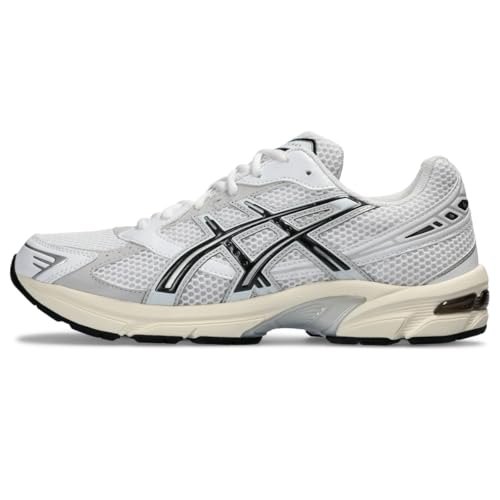
ASICS Men’s GEL-1130 Sportstyle Shoes

Brooks Men’s Ghost 14 Neutral Running Shoe

Brooks Men’s Ghost 12 Running Shoes

New Balance Men’s Fresh Foam X 880 V15

Brooks Men’s Ghost Max 4 Running Shoe
A Breakdown Of The Leading Choices
The GEL-1130 borrows its bones from a 2008 stability runner and dresses them in a suede-paneled upper that feels closer to a heritage sneaker than a serious training tool. GEL cushioning sits in the rearfoot to soften landings, while the layered midsole keeps the silhouette feeling more substantial than a typical lifestyle shoe.
For runners who split time between easy jogs and coffee runs, that hybrid identity pays off. The shoe handles short daily mileage comfortably, and the suede reinforcement around high-wear zones gives it more grit than a thin mesh trainer. Owners commonly find it outlasts lighter lifestyle options when worn hard.
Where It Excels
- Suede overlays reinforce the toe box and side panels where daily trainers tend to scuff first
- Rearfoot GEL (a silicone-based shock absorber in the heel) softens impact for runners easing into longer walks or easy jogs
- Heritage styling pairs with denim, shorts, or technical running kit without looking out of place
- Layered midsole geometry echoes ASICS’ stability-running heritage, giving the shoe a planted feel
- Stitched panel construction tends to hold up better than glued overlays under repeated flex
Trade-Offs Worth Knowing
- Not a true high-mileage trainer; the upper breathes less than engineered mesh on hot days
- Stability roots mean the ride feels firmer than modern neutral daily trainers for runners wanting soft foam
- Suede requires occasional brushing to keep its texture looking clean
Right Fit For
Runners who want one shoe for short morning miles plus all-day wear, and who care more about rugged construction than racing weight.
Look Elsewhere When
You’re logging serious weekly road volume, in which case the Brooks Ghost 14 offers a more cushioned neutral platform for daily training.
The Ghost line has spent years earning its reputation as a no-drama neutral trainer, and the 14 continues that tradition. Brooks’ DNA LOFT cushioning (a soft EVA-blend foam layered through the full midsole) runs the entire length of the shoe, with a segmented crash pad under the heel to smooth the transition from landing to toe-off.
Where this version earns durability points is the engineered air-mesh upper and the reinforced saddle around the midfoot. Heel strikers who beat up shoes from the back often find the Ghost platform stays comfortable longer than lighter competition models. It’s a true workhorse for high-mileage weeks.
Everyday Perks
- Full-length DNA LOFT midsole provides consistent cushioning that resists bottoming out on long runs
- Engineered mesh upper holds shape well, resisting the sag some runners see in softer knit uppers
- Neutral platform suits a wide range of footstrikes and gait patterns
- Segmented outsole design flexes naturally while protecting high-wear zones
Small Caveats
- Slightly heavier than tempo-focused trainers, so speed work may feel a bit muted
- Some runners with wider feet find the standard width snug and may need to size up or try the wide option
Made For
Neutral runners building weekly mileage who want a comfortable, dependable shoe that doesn’t ask for special care.
Consider Something Else When
You want maximum softness for recovery days, where the Ghost Max 4 delivers a noticeably plusher ride underfoot.
The Ghost 12 sits one generation behind its successor but shares most of the durability DNA that made the line famous. DNA LOFT cushioning runs from heel to toe, and the structured mesh upper provides enough lockdown for tempo work, easy miles, and everything between.
For value-focused runners who want Brooks’ neutral platform without the newer price tag, this older model still pulls duty as a reliable daily trainer. Stock can be limited at retailers, so sizing availability may dictate which version of the Ghost platform you actually end up in.
The Practical Payoff
- Proven Ghost midsole geometry that many runners log serious miles on without complaint
- Segmented crash pad eases heel-to-toe transition for a smoother feel
- Neutral last works well for medium-volume feet
- Lower price point than the latest Ghost, ideal for shoppers watching their budget
Honest Caveats
- Availability may be inconsistent across colorways and sizes since it’s an older release
- Upper mesh is a touch less breathable than the Ghost 14’s updated engineered air mesh
Best Suited To
Runners who want Ghost-platform dependability and prefer to spend less on a proven older model.
A Better Fit Elsewhere
You want a fresher upper and longer product lifespan in your closet, in which case the New Balance Fresh Foam X 880 V15 brings a more current mesh design.
The 880 series has long been New Balance’s “everything” trainer, and the V15 continues that brief. A breathable engineered mesh upper wraps the foot, while Fresh Foam X cushioning (a nitrogen-infused EVA foam tuned for a soft-yet-responsive feel) sits underneath for long-haul comfort on roads and groomed paths.
For runners who pile on consistent weekly mileage, the structured upper gives a more locked-in feel than loose knit alternatives. It’s the kind of shoe that disappears on your feet, which is exactly what you want when you’re chasing a mileage goal rather than a fashion moment.
Strengths Worth Knowing
- Engineered mesh upper balances breathability with structure, holding its shape across many wear cycles
- Fresh Foam X midsole delivers plush cushioning without feeling mushy on transitions
- Versatile enough for easy runs, long runs, and casual gym sessions alike
- Neutral geometry suits a wide range of foot shapes
Room For Improvement
- Not as soft as the Ghost Max 4 for runners who specifically want maximum cushioning
- Lacks the retro styling flair of the GEL-1130 if you want one shoe for both runs and outings
Who Should Grab It
Runners logging steady road mileage who want one shoe to cover easy days, long runs, and the occasional gym session.
Reach For A Different Pick When
You want a heritage-style silhouette for casual wear alongside runs, in which case the ASICS GEL-1130 delivers a more lifestyle-friendly look.
The Ghost Max 4 takes the familiar Ghost DNA and stacks a thicker midsole underneath for runners who want serious cushion without jumping to a carbon-plated racer. Brooks’ DNA LOFT v3 midsole (a nitrogen-infused foam tuned for plush landings) runs the full length, paired with a broad platform for stable, confident strides.
For high-mileage weeks, easy recovery runs, or walkers who want one shoe to do real work, the extra foam pays dividends in perceived comfort over hours of use. It feels more substantial than the standard Ghost, which makes it heavier, but that heft translates to planted, durable-feeling construction.
Everyday Advantages
- Max-cushion midsole absorbs impact well, reducing fatigue during long efforts
- Wider platform base improves stability for runners who overpronate mildly or simply want planted footing
- Engineered mesh upper balances airflow with enough structure to maintain lockdown
- Versatile enough to handle walks, easy runs, and longer weekend efforts in one rotation
Points To Note
- Heavier than standard Ghost models, so it isn’t a shoe you’d reach for tempo intervals
- Bulkier silhouette takes a session or two to feel natural under a faster cadence
Perfect Match For
Runners piling on recovery miles, walkers covering long daily distances, or anyone whose joints appreciate extra cushion underfoot.
Skip It When
You want something lighter for up-tempo days, in which case the Ghost 14 keeps the same platform feel in a leaner package.
Choosing Running Shoes That Actually Last
What “Durable” Really Means For Running Shoes
Durability in a running shoe isn’t just about tough materials, it’s about how the upper, midsole, and outsole hold up to your specific gait and mileage. Engineered mesh uppers (synthetic weaves designed to balance airflow and structure) tend to resist tearing better than loose knit alternatives, while denser EVA midsole foams (EVA, or ethylene-vinyl acetate, is the standard lightweight foam used in most running shoes) keep their rebound longer under heavier runners. Outsole rubber compound matters too, since softer compounds grip better but wear faster, while harder compounds sacrifice some wet traction for longevity.
Matching Construction To Your Mileage
Runners logging 20 to 40 miles per week put very different stress on a shoe than someone running three days a week. Higher-volume training benefits from denser midsoles and reinforced uppers, even if the shoe feels slightly heavier off the shelf. Casual runners, on the other hand, may find a lighter mesh upper plenty durable for their workload, with the bonus of better breathability on hot days.
Fit, Width, And Long-Term Comfort
A shoe that fits perfectly on day one may feel different after 200 miles as the foam compresses and the upper breaks in. Looking for a thumb’s-width of room at the toe and a snug midfoot lockdown helps prevent black toenails and heel slippage down the line. If your foot runs wide, prioritizing models offered in multiple widths often pays off more than chasing a specific brand.
When To Replace Before The Shoe Falls Apart
Most running shoes offer somewhere around 300 to 500 miles of useful life, though heavier runners or runners logging on rough pavement may see the lower end. Watch for visible creasing across the midsole, a flattened outsole pattern, or new aches that appear after consistent wear. Replacing proactively usually costs less than rehabbing an overuse injury.
Key Considerations Across These Picks
Wrong Turns To Avoid
Sizing up too aggressively to “give your toes room” often leaves the midfoot sliding around, which wears out the upper faster and can cause blisters. Sizing down to chase a snug racing fit does the opposite, compressing the forefoot and shortening the shoe’s usable lifespan. Stick with your normal size and prioritize models offered in multiple widths.
Where The Extra Money Goes
Premium-tier running shoes typically invest in newer foam compounds, lighter and more durable uppers, and refined geometries that improve energy return. The upgrade pays off most for runners with high weekly mileage, joint sensitivity, or specific gait needs. Casual runners may not feel enough difference to justify the higher cost, and a well-chosen mid-tier shoe often serves them better for years.