Flat pedal riders live by one rule: the shoe is your connection to the bike. A solid pair of mountain bike shoes for flat pedals shapes how confidently you lean into corners, how hard you can stomp through chunky rock gardens, and whether your feet forgive you after a long descent. The five pairs below span genuine flat-pedal specialists, all-day casual options, and a few crossover picks worth knowing about. Each one earned its place because of grip, comfort, or the way it handles the messy realities of trail riding.
A Snapshot Of The Selections

Five Ten Freerider Pro Canvas Flat Pedal Shoe

Giro Cylinder Men’s Mountain Bike Shoe
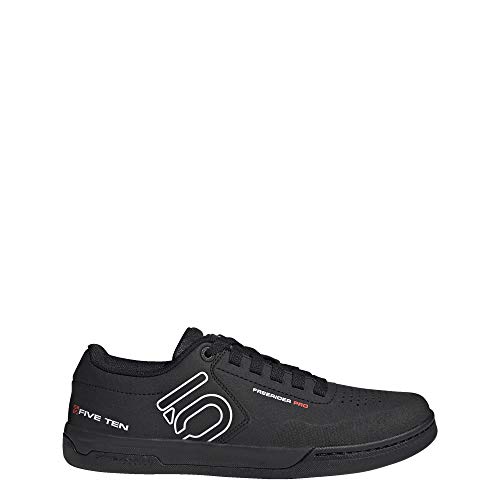
Five Ten Freerider Pro Mountain Bike Shoes

Giro Privateer Lace Men’s Mountain Bike Shoe

WHITIN Men’s Wide Toe Box Barefoot Shoes W87
More On The Choices That Made The List
Canvas uppers and trail-ready soles rarely share the same shoe, but the Freerider Pro Canvas pulls it off with surprising ease. Riders who roll up to the trailhead, pedal over, and then grab coffee after will appreciate the muted styling that doesn’t scream “I just came from a bike park.” Unlike the standard Freerider Pro reviewed later in this list, this canvas version trades the synthetic upper for a lighter, more breathable material that softens up nicely with wear.
The Dotty tread pattern on the outsole (a small hexagonal grip layout) does most of the talking when your feet are on the pedals. It pairs with Five Ten’s Stealth S1 rubber, which has built a reputation among flat-pedal riders for the way it seems to glue to a pin-studded platform. For trail days that end with a walk around town, this shoe feels like a regular sneaker once you hop off the bike.
Noteworthy Benefits
- Stealth S1 rubber sticks to flat pedals with confidence, especially noticeable on steep technical climbs where foot bounce can ruin your line
- Reinforced toe box shrugs off rock strikes and root encounters, so you stop babying your feet through rough sections
- Canvas upper breathes better than the synthetic Freerider Pro, which most riders find noticeable on warm summer days
- Cushioned midsole keeps feet comfortable during hike-a-bike sections and casual post-ride walking
- Casual styling means no spare shoes in the car for after the ride
Things To Consider
- Canvas takes longer to dry after stream crossings or muddy rides than synthetic mesh options
- Sizing runs narrow for some foot shapes, so trying them on in person may be wise if you have a wider forefoot
Who It Suits Best
Riders who want one shoe that handles trail duty and post-ride coffee runs without missing a beat will appreciate the canvas comfort and casual look.
Consider Something Else When
Riders with notably wide feet often prefer the **WHITIN Men’s Wide Toe Box Barefoot Shoes W87**, which offers a noticeably roomier toe box for the same casual wear-anywhere feel.
The Cylinder sits in a useful middle ground for newer riders who want proper flat-pedal performance without a big commitment. Where the Five Ten options reviewed above lean toward premium pricing, the Cylinder gives you a real cycling-specific shoe at a more approachable price point. It’s a workhorse design that focuses on the basics rather than chasing every bell and whistle.
Giro built the Cylinder as an entry-level flat pedal shoe, and the build reflects that intent. The outsole uses a sticky rubber compound designed to hold onto pedal pins, while the upper keeps things simple with a lace closure and minimal padding. For riders still figuring out their preferred fit and style, this is a low-risk way to get proper trail footwear without overthinking the purchase.
Key Advantages
- Accessible price point makes it easy to get into flat-pedal-specific footwear without stretching your budget
- Sticky rubber outsole grips pedal pins well for general trail riding on moderate terrain
- Classic lace closure is familiar, adjustable, and easy to replace if a lace snaps mid-ride
Points To Note
- Less protective in the toe and heel than premium options like the Five Ten Freerider Pro, so riders pushing into rough terrain may want more armor
- Construction and materials feel a step down from the Five Ten options, which is the trade-off for the friendlier price
- Not as breathable as mesh-forward designs, depending on how hot your local trails run
Right Fit For
Newer riders and budget-conscious commuters who want a dedicated flat-pedal shoe without the premium price of the Freerider Pro will find this is a sensible starting point.
Look Elsewhere When
Riders tackling aggressive terrain who want maximum grip and foot protection should step up to the **Five Ten Freerider Pro Mountain Bike Shoes**, whose Stealth rubber and reinforced construction handle rougher lines.
The Freerider Pro is the shoe that helped put Five Ten on the flat-pedal map, and the current version stays true to that legacy. Compared to the canvas variant reviewed earlier, this version uses a synthetic upper that shrugs off mud and abrasion better, though it sacrifices some breathability and casual comfort in the process. Riders logging full days at the bike park tend to gravitate toward this build over the canvas.
At the heart of every Freerider Pro is the Stealth S1 rubber outsole with that recognizable Dotty tread. The compound’s claim to fame is how it conforms slightly underfoot on the pedal, creating a planted feel that gives riders confidence to skip the foot reposition mid-corner. For aggressive trail riders, downhillers, and anyone who wants their feet to feel locked in, this is the long-running benchmark.
A Strong Showing
- Stealth S1 rubber is widely considered the reference standard for flat-pedal grip, especially on long descents where foot bounce kills confidence
- Reinforced toe and side panels handle rock strikes, pedal strikes, and trail abrasion with ease
- Synthetic upper cleans up faster after muddy rides than canvas alternatives
- Durable construction means many riders report getting multiple seasons out of a single pair
Honest Caveats
- Premium pricing puts it above the Giro options for shoppers watching their wallet
- Synthetic upper runs warmer than the Freerider Pro Canvas on hot days, which some riders notice in summer
- Sticky rubber wears faster than harder compounds if you spend lots of time hiking off the bike
Key Product Details
Made For
Aggressive trail and enduro riders who want reference-class grip and protection and are willing to pay for the durability that comes with it.
Swap It Out When
Riders who want a more casual crossover shoe for post-ride wear will find the **Five Ten Freerider Pro Canvas Flat Pedal Shoe** a better everyday fit at the same brand.
The Privateer Lace skips buckles, straps, and BOA dials (those twist-to-tighten closures common on cycling shoes) in favor of old-fashioned laces, and that simplicity is exactly the point. Where the Freerider Pro goes synthetic-upper premium, the Privateer Lace takes a more understated path with a gum-colored outsole and a classic silhouette that looks at home on or off the bike. For riders tired of replacing plastic closure hardware, laces offer a refreshingly repairable option.
Giro designed this shoe for riders who want longevity and a familiar fit. The gum rubber outsole is a softer compound that grips pedal pins well, while the lace closure lets you dial in tension across the whole foot rather than relying on a single tightening point. This listing is for the US 15 / EU 50 size in the Dark Shadow/Gum colorway, useful for riders needing larger sizes.
A Few Strong Suits
- Lace closure is fully adjustable across the entire foot, and broken laces cost almost nothing to replace
- Soft gum rubber outsole grips flat pedals with a planted, confidence-building feel
- Understated styling works for casual post-ride wear without screaming “cycling gear”
- Available in extended sizes (including US 15 / EU 50) for riders who struggle to find larger cycling footwear
Practical Considerations
- Laces can catch brush, grass, and chainring teeth on overgrown trails, depending on your local conditions
- Less convenient for quick on-off than BOA-equipped alternatives
- Soft gum rubber wears faster than harder compounds if you do lots of hike-a-bike
Feature Snapshot
Best Suited To
Riders who prefer laces over dial closures, need extended sizes, or want a long-lasting flat-pedal shoe for trail-to-town versatility.
Reach For A Different Pick When
Riders who want the absolute grippiest rubber and don’t mind paying more should look at the **Five Ten Freerider Pro Mountain Bike Shoes**, which prioritize pedal adhesion above everything else.
The W87 isn’t a dedicated cycling shoe, but it’s earned a spot on flat-pedal riders’ radars for one specific reason: the roomy toe box. Where every other shoe in this list narrows toward the front, this barefoot-inspired design lets your toes spread naturally, which matters more than you’d think on long rides when your feet swell. For riders with wide feet who’ve struggled to find cycling shoes that don’t crush their forefoot, this is a genuine option.
The trade-off is real, though. The W87 lacks the reinforced toe and armored construction of purpose-built cycling shoes like the Five Ten Freerider Pro reviewed above. On mellow trails and casual rides, that barely matters. On rocky, technical terrain where pedal strikes are common, you’ll feel the difference. This shoe makes sense as a casual flat-pedal option, not a downhill beast.
What Works In Its Favor
- Wide toe box accommodates wide feet and natural toe splay, which most cycling shoes pinch
- Barefoot-style flat sole offers decent pedal contact for casual trail and commuter use
- Friendly price point makes it a low-risk try for riders curious about roomier footwear
- Versatile enough to wear off the bike for everyday casual use
Trade-Offs To Consider
- Not a purpose-built cycling shoe, so the rubber compound and tread pattern are general-purpose rather than pedal-optimized
- Limited toe and side protection compared to the Five Ten and Giro options earlier in this list
- Zero drop and minimal cushioning may feel unusual for riders used to traditional running or hiking shoes
Perfect Match For
Riders with wide feet or those curious about barefoot-style footwear who want a casual flat-pedal option for mellow trails and bike-park laps.
A Better Fit Elsewhere
Riders tackling aggressive terrain who need serious foot protection should choose the **Five Ten Freerider Pro Mountain Bike Shoes**, whose armored construction handles rough trails far better.
What Separates A Good Flat Pedal Shoe From The Rest
Choosing mountain bike shoes for flat pedals comes down to how the shoe interacts with your pedals, your feet, and your local terrain. The right pair makes the pedals disappear under you, so you stop thinking about foot placement and start focusing on the trail ahead.
Grip starts with the rubber compound. Softer, stickier rubbers (like Five Ten’s Stealth S1) conform slightly to pedal pins, creating that “glued to the platform” feeling riders talk about. Harder compounds last longer but don’t grip as tenaciously. For most trail riders, a balance between the two works best.
Protection matters more than beginners expect. Rock strikes, pedal slams, and root encounters happen constantly on real trails. A reinforced toe box and side panels turn minor impacts from “ow, that hurt” to “barely noticed.” Shoes like the Freerider Pro earn their reputation here.
Fit drives everything else. A narrow shoe that pinches your forefoot will ruin a long ride faster than rough terrain will. Riders with wide feet often need to look at roomier options or brands that offer multiple widths. Trying shoes on in person, when possible, beats any spec sheet.
Closure style comes down to preference. BOA dials offer quick micro-adjustments. Velcro straps are simple and replaceable. Laces are familiar, repairable in the field, and distribute tension evenly. There is no wrong answer, only what works for your riding style and tolerance for fiddling at the trailhead.
Smart Choices Before You Commit
Wrong Turns To Avoid
The most common mistake is choosing a shoe based on looks alone. A shoe that looks great but pinches your toes or slides off the pedal platform will leave you miserable within an hour on the trail. Prioritize fit and grip before styling.
Skipping the try-on step costs more in the long run. Sizing varies wildly between brands, and your usual size may not match across different models. Sock thickness also changes fit, so bring your riding socks when testing.
Ignoring sole stiffness is another slip-up. Too flexible and your feet work overtime on every pedal stroke. Too stiff and walk-a-bike sections become painful. Aim for a balance that pedals efficiently but still flexes for short hikes.
Frequently Asked Questions
Do I really need flat-pedal-specific shoes?
For casual riding around the neighborhood, regular sneakers can work. For actual trail use with any technical terrain, flat-pedal-specific shoes make a noticeable difference in grip, foot protection, and overall comfort. The rubber compound and tread pattern matter once the trail gets steep or rough.
How long should flat pedal shoes last?
Most riders get one to three seasons from a dedicated flat-pedal shoe, depending on riding frequency, terrain, and how much hiking they do. The sole wears first, especially the toe and heel where you walk. Harder rubber compounds last longer but grip less aggressively.
Can I use clipless shoes on flat pedals?
Technically yes, but the hard outsoles on clipless shoes have minimal grip on flat pedals and no flex for walking comfort. Flat-pedal-specific shoes are purpose-built for the platform, with stickier rubber and more protective construction. For dedicated flat-pedal riders, the right shoe is worth it.
How should flat pedal shoes fit?
Snug at the heel and midfoot, with room in the toe box for natural splay. Your toes shouldn’t hit the front when standing. Feet swell during long rides, so a slightly roomy fit feels better after hour two. Tight shoes cause hot spots and numbness.
Are wide toe box shoes good for cycling?
For riders with wide feet or those who prefer natural toe splay, roomy toe boxes feel great on the bike. The trade-off is less protection and a less pedal-optimized sole. They work well for casual riding but may not suit aggressive technical terrain as well as dedicated cycling shoes.
The Takeaway
The right mountain bike shoes for flat pedals depend on what you ride, where you ride, and what your feet need. Aggressive riders gravitate toward the Freerider Pro for its reference-class grip. Casual trail riders and commuters love the Freerider Pro Canvas for its easy crossover styling. Budget shoppers get real cycling performance from the Giro Cylinder. Lace loyalists and big-foot riders find their match in the Privateer Lace. Wide-foot riders get room to breathe in the WHITIN W87. Whichever you pick, focus on fit, grip, and protection first, and the trail will take care of the rest.