Picking mountain hiking shoes comes down to matching your trail’s demands with how your feet actually behave under load. Granite slabs, scree fields, muddy switchbacks, and long ridge traverses all stress footwear differently, so a shoe that shines on a smooth forest path may feel sketchy on exposed alpine terrain. The seven options below cover the spread: low-cut hikers for fast day routes, mid-height boots for rocky ground, waterproof builds for wet climates, and a sport-hybrid for those who want trail-runner agility with hiker support.
Your Options, Compared

Merrell Moab 3 Hiking Shoe

Merrell Moab 3 Mid Hiking Boot
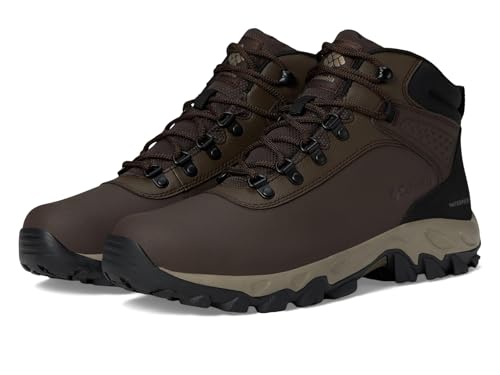
Columbia Newton Explorer

Merrell Moab 3 Mid Waterproof

KEEN Targhee 4 Low Waterproof

KEEN KS86 Retro Sneaker
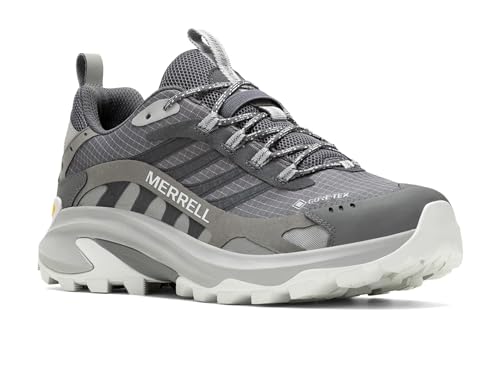
Merrell Moab Speed 2 GTX
What Each Pick Brings To The Table
The low-cut Moab 3 is the kind of shoe that disappears on your foot once the trail starts rolling, which matters more than spec sheets suggest when you’re clocking a full day in the mountains. Its Vibram outsole (a high-traction rubber compound made by a well-known sole manufacturer) grips well on mixed dirt and rock, and the revised midsole foam feels softer than earlier versions without going mushy under load.
Where it really earns its place is on moderate trails with a light pack: well-maintained forest paths, rolling ridge walks, and established day routes. It lacks the waterproof membrane of the Mid Waterproof sibling, so wet grass and shallow stream crossings will soak through eventually, but for dry-season hiking it’s hard to argue with the comfort-to-weight ratio.
What Pays Off
- Vibram outsole delivers confident grip on rock, dirt, and root-strewn slopes
- Updated midsole cushioning softens impact on long descent days
- Low-cut profile keeps weight down for fast day hikes
- Breathable construction helps in warm, dry conditions
Things To Consider
- No waterproof membrane, so feet get wet in stream crossings and morning dew
- Low-cut design offers no ankle support for heavy loads or rough terrain
Best Suited To
Day hikers tackling moderate trails in dry to mixed conditions with a light pack who want trail comfort without boot-level support.
Skip It When
You’re carrying 25-plus pounds through wet, rocky terrain, since the Merrell Moab 3 Mid Waterproof handles that scenario better.
The Mid version takes the Moab 3 platform and adds meaningful ankle height, which changes the whole feel on uneven ground. Where the low-cut version leaves your ankles to fend for themselves on side-hilling and talus, this one wraps the joint and reduces the chance of a roll on loose rock.
It’s the sensible pick for hikers carrying a multi-day pack or moving over terrain where foot placement is unpredictable. The trade-off shows up in warmth and weight: your feet work harder in summer heat, and you’ll feel the extra ounces on long approaches. Compared to the Columbia Newton Explorer, it trades waterproofing for a lighter, more breathable build.
Strong Points
- Mid-height shaft stabilizes ankles on rocky, uneven terrain
- Same trusted Vibram outsole grip as the low-cut version
- Comfortable enough for immediate trail use without a long break-in period
Trade Offs
- Adds noticeable weight compared to the low-cut Moab 3
- Lacks a waterproof membrane, so wet conditions will soak through
- Mid-height collar can feel warm during high-output summer hiking
Quick Facts
Right Fit For
Hikers carrying moderate loads on rocky or rooty trails who want ankle support without stepping up to a full backpacking boot.
A Better Fit Elsewhere
For wet-weather hiking, the Merrell Moab 3 Mid Waterproof delivers the same ankle coverage with a sealed membrane.
The Newton Explorer leans into a different design philosophy than the Moab line: a waterproof leather upper built to shrug off rain, mud, and the occasional stream crossing. Columbia’s Omni-Tech membrane (a waterproof-breathable lining that blocks water while letting some heat escape) keeps your feet dry in genuinely wet conditions, and the Techlite midsole (a lightweight foam designed for energy return) softens the ride on rocky approaches.
It’s a sensible choice for Pacific Northwest rain, Appalachian spring mud, or any climate where dry feet are the exception. The leather upper does require some break-in and stays wet longer once soaked, but for hikers who prioritize waterproofing over ultralight weight, the Newton Explorer delivers.
The Case For It
- Waterproof leather upper with Omni-Tech membrane handles wet trails confidently
- Techlite midsole cushions long miles without excessive weight
- Sturdy build stands up to rocky, root-filled terrain
Worth Noting
- Leather takes longer to dry than synthetic uppers once fully soaked
- Heavier than mesh-based hiking shoes
Whose Shelf It Belongs On
Hikers in wet climates who tackle muddy, rainy trails and want a shoe that keeps water out for hours at a time.
Reach For A Different Pick When
You’re hiking dry desert or high alpine routes where breathability matters more than waterproofing, since the KEEN Targhee 4 Low Waterproof offers a lighter alternative.
Take the Moab 3 Mid, add a waterproof membrane, and you get the most versatile option in the Moab family for shoulder-season hiking. Snow patches, spring snowmelt, and wet underbrush all become manageable, and the mid-height shaft protects against the kind of ankle twist that ends a hike early on slippery terrain.
For hikers who do most of their miles between late fall and early spring, or in maritime climates where rain is constant, this boot hits a useful balance: more support than a low-cut, more weather protection than the standard Mid. The honest read is that waterproofing adds warmth, so summer hot-weather hikers may find their feet overheating on long climbs.
Where It Helps
- Waterproof membrane keeps feet dry through wet brush, rain, and shallow crossings
- Mid-cut shaft reduces ankle roll risk on loose or uneven ground
- Vibram outsole maintains grip across wet rock and slick roots
- Comfortable from the first wear without an extended break-in
Honest Caveats
- Waterproof membrane reduces breathability, causing warmth in summer conditions
- Heavier than the non-waterproof Moab 3 Mid
Feature Snapshot
Who Should Grab It
Shoulder-season and wet-climate hikers who want ankle support plus waterproofing in a single, trail-ready package.
Consider Something Else When
You’re hiking hot, dry trails in summer, where the breathable Merrell Moab 3 Hiking Shoe handles the conditions better.
KEEN has built a following among hikers with wider feet, and the Targhee 4 Low continues that tradition with a generously shaped toe box (the front section of the shoe that gives your toes room to splay) and KEEN’s signature direct-attach construction (where the upper is bonded to the sole, reducing weak seams). The waterproof membrane handles wet trails, and the aggressive outsole lugs (deep rubber teeth on the bottom) bite into loose terrain.
Compared to the Moab 3, the Targhee 4 runs wider in the forefoot and feels more substantial underfoot. It’s the kind of shoe that inspires confidence on a multi-day trip where shoe failure isn’t an option, and the construction tends to hold up well over heavy mileage.
Where It Excels
- Wider toe box accommodates broad feet and reduces pressure on long descents
- KEEN.DRY waterproof membrane handles rain, puddles, and stream crossings
- Direct-attach construction improves durability and reduces seam failures
- Aggressive lug pattern grips well on loose dirt and rocky terrain
Points To Note
- Heavier than minimalist hiking shoes
- Wider fit may feel loose for hikers with narrow feet
Made For
Hikers with wider feet who log heavy mileage and want a durable, waterproof shoe that won’t quit after a single season.
Not Your Match When
You prefer a narrow, athletic fit, since the Merrell Moab Speed 2 GTX offers a sleeker, more performance-oriented alternative.
The KS86 sits in an unusual spot: it’s not really a hiker, and it’s not really a casual sneaker, but rather something between. The retro silhouette works for everyday wear, while the aggressive tread and KEEN’s wider fit philosophy mean it handles light trail duty better than most fashion sneakers.
For hikers who spend more time on pavement than dirt and only venture onto established, low-impact trails, the KS86 covers both worlds without looking out of place at a coffee shop. It lacks the waterproofing and support of dedicated hiking shoes, so serious mountain terrain isn’t its lane.
What Stands Out
- Versatile style transitions from trail to town without a shoe change
- KEEN’s wider forefoot accommodates many foot shapes comfortably
- Aggressive tread handles groomed trails and dirt paths
- Recycled mesh upper option appeals to sustainability-minded hikers
Less Ideal Details
- No waterproofing, so wet conditions soak through quickly
- Limited ankle support restricts use to easy terrain
- Lacks the lug depth and traction of dedicated hiking outsoles
Perfect Match For
Casual hikers and outdoorsy commuters who want one shoe for light trails, dog walks, and everyday wear.
Swap It Out When
You’re planning a serious mountain day, since the Merrell Moab 3 Hiking Shoe offers far more trail capability.
The Moab Speed 2 GTX borrows the Moab name but shifts the design toward athletic hikers: lighter, lower to the ground, and built for fast movement. A Gore-Tex membrane (a premium waterproof-breathable liner known for reliable wet-weather performance) keeps water out, while Vibram TC5+ rubber with redesigned traction lugs grips technical terrain.
Compared to the standard Moab 3, this shoe feels nimbler underfoot and rewards a quicker pace. The trade-off is less cushioning and a less protective upper, so it suits hikers moving light and fast rather than those carrying heavy packs over rocky miles.
The Helpful Details
- Gore-Tex membrane delivers reliable waterproofing in wet conditions
- Vibram TC5+ outsole with redesigned lugs grips technical, loose terrain
- Lighter, lower-profile build rewards a faster hiking pace
- Athletic fit appeals to hikers coming from trail-running backgrounds
Practical Considerations
- Lower cushioning may feel harsh on long, rocky days
- Thinner upper offers less protection against sharp rocks and debris
Who Will Love This
Fast-paced hikers and trail-runner crossovers who want waterproofing and traction without the bulk of a traditional hiking boot.
Where Another Pick Suits Better
Multi-day backpackers carrying heavy loads will find more support and durability in the KEEN Targhee 4 Low Waterproof.
Picking The Right Mountain Hiking Shoes For Your Trails
Mountain terrain punishes shoes that don’t fit the job, so matching footwear to your specific conditions matters more than brand loyalty. Start with your typical trail profile: smooth forest paths call for lightweight low-cuts, while rocky ridges and scree slopes benefit from mid-height boots that protect your ankles.
Waterproofing is another fork in the road. A waterproof membrane (a sealed internal layer that blocks water while allowing some vapor to escape) keeps feet dry in rain, snow, and stream crossings, but it also reduces breathability. Hikers in dry climates may find non-waterproof shoes more comfortable in summer heat, while those in wet regions will appreciate the moisture protection on every outing.
Fit deserves more attention than most hikers give it. Your toes need room to splay on descents, your heel should lock in without slipping, and the midfoot should feel snug without pressure points. Trying shoes on at the end of the day, when your feet are slightly swollen, mimics trail conditions more accurately than a morning fitting.
Finally, think about load. Light day hikes demand less support than multi-day trips with a 30-pound pack. Match the shoe’s support level to the weight you’ll carry, and you’ll avoid the blisters and fatigue that come from undersized footwear on bigger adventures.
Key Considerations Across These Picks
Where Shoppers Go Wrong
A common slip-up is choosing shoes based on looks or brand familiarity instead of trail fit. A waterproof boot on a dry-climate summer hike leads to soaked socks from sweat, while a low-cut shoe on a rocky, ankle-twisting trail can end your trip early. Always match the shoe’s features to the conditions you’ll actually face.
Another trap is buying too small. Hiking shoes should have roughly a thumb’s width of room at the toe to prevent bruising on downhills. Sizing up from your everyday shoe size is often necessary, especially if you plan to wear thicker hiking socks.
The Upgrade Payoff
Higher-tier hiking shoes typically deliver better waterproofing membranes, more durable outsole rubber, and improved construction techniques like direct-attach bonding. These upgrades show up over time: shoes that last five seasons instead of two, and boots that keep feet dry in conditions where cheaper models fail.
The upgrade makes sense for hikers who log serious mileage or hit wet, technical terrain regularly. Casual day hikers on easy trails won’t notice enough difference to justify the cost, but dedicated mountain hikers will feel the benefits on every trip.
Frequently Asked Questions
How do mountain hiking shoes differ from regular hiking shoes?
Mountain hiking shoes typically feature stiffer midsoles, more aggressive tread patterns, and reinforced uppers to handle rocky, uneven terrain. They prioritize stability and protection over the flexibility of lighter trail shoes.
Should I choose waterproof or non-waterproof hiking shoes?
Waterproof shoes excel in wet climates, rain, and stream crossings, but reduce breathability in dry, hot conditions. Non-waterproof shoes breathe better and dry faster, making them preferable for arid environments and summer hiking.
How long should mountain hiking shoes last?
Most quality hiking shoes last 500 to 1,000 miles depending on terrain, load, and care. Rocky trails wear outsoles faster, while smoother paths extend shoe life. Rotating between two pairs can also extend lifespan.
Can I use running shoes for mountain hiking?
Trail running shoes work for fast-paced, light-load hiking on established trails, but lack the support and protection needed for rocky terrain or heavy packs. Dedicated hiking shoes handle technical conditions more safely.
How should mountain hiking shoes fit?
Your toes should have room to move without touching the front of the shoe, your heel should stay locked in place, and the midfoot should feel secure without pinching. Try shoes on at the end of the day for the most accurate fit.
Closing Remarks
The right mountain hiking shoes depend less on brand prestige and more on matching features to your specific trails, climate, and pack weight. Whether you choose a lightweight low-cut for fast day hikes or a waterproof mid-boot for wet, rocky routes, prioritizing fit and intended use will serve you better than chasing the latest release. Trust your feet, and they’ll carry you well.