Marathon training without carbon plates is making a quiet comeback. Plenty of runners want long-mileage comfort, ground feel, or budget-friendly gear over the snappy, propulsive ride plates deliver. The picks below cover cushioned daily trainers, minimalist barefoot options, dual-plate speedsters, and a clever insole upgrade that adds plate-like response to any shoe you already own.
A Fast Comparison Of The Options

Brooks Glycerin Max 2 Running Shoe
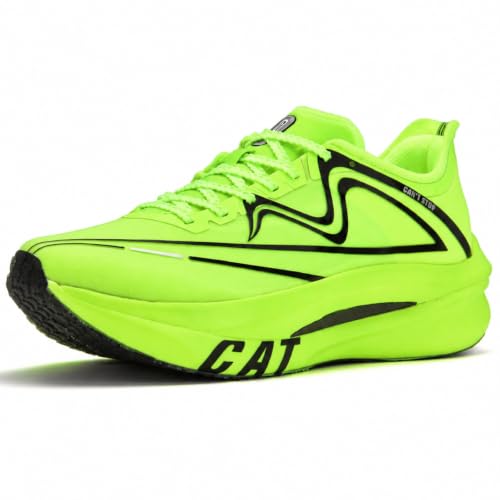
Sonic Cat Dual Carbon Plate Marathon Shoes
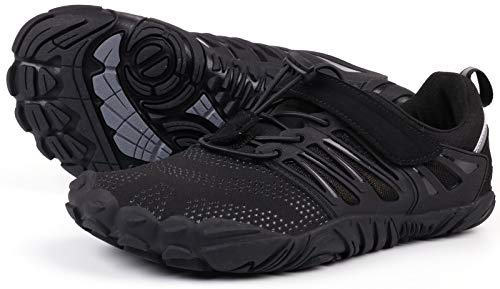
Joomra Women’s Trail Barefoot Minimalist Sneakers

VKTRY Gold Carbon Fiber Sport Insole

AI TIDE Carbon Plate Marathon Racing Shoes
Taking A Closer Look At The Options
Long Sunday runs wear down your legs faster than they should when shoes feel stiff or thin. The Brooks Glycerin Max 2 is built for runners chasing that sink-in, soft ride, and you feel it from the first stride on cool pavement. Stack height here is generous, which matters when you’re grinding out 18 to 22 mile training blocks.
The transition out of the heel and into the toe-off is smooth rather than aggressive, so the shoe suits runners who want recovery without losing forward motion. Compared with the Sonic Cat option later, this one focuses purely on cushion, not plate response.
What Stands Out
- Plush midsole foam absorbs impact on long runs
- Stable, neutral ride for runners needing joint relief
- Roomy forefoot suits wider feet and swelling on hot days
- Durable rubber outsole holds up on daily training
- Engineered mesh upper breathes well in warm weather
Things To Consider
- Heavier than minimalist trainers like the Joomra
- Plush feel can feel mushy on short tempo runs
Who It Suits Best
Runners logging 30-plus weekly miles who want a soft, protective daily trainer for easy and recovery days.
Consider Something Else When
Pick the Joomra Women’s Trail Running Barefoot Shoes if you want ground feel and zero drop instead of max cushion.
Sharing one pair of shoes between a partner, a teen, and yourself usually means nobody wins on fit. The Sonic Cat Dual Carbon Plate option sidesteps that with a sizing range covering men, women, and kids, plus dual plates designed for responsive energy return on road runs. Two stacked carbon plates sit inside a dual midsole (two layers of cushioning foam), giving it a snappy, propulsive feel underfoot.
The shoe transitions from racing to HIIT sessions to school-day walking without needing a separate pair. You trade some refinement for that versatility, which is the honest read for anyone chasing a single do-it-all trainer.
Where It Excels
- Dual plate setup creates springy turnover for shorter races
- Available in men’s, women’s, and kids’ sizing
- Dual midsole softens hard pavement during HIIT or tempo work
Worth Noting
- Plate stiffness may feel aggressive for casual walkers
- Construction trade-offs can show wear faster than premium trainers
- Less breathable than mesh-forward options in hot conditions
Key Product Details
Made For
Multi-runner households and parents shopping for a shared training shoe that handles both race-day effort and gym wear.
A Better Fit Elsewhere
Pick the Brooks Glycerin Max 2 if you prefer a cushioned, plate-free ride for solo long-distance training.
Some runners want to feel every pebble and root under their feet. The Joomra Trail Barefoot sneaker delivers that, with a zero-drop platform (heel and forefoot sit at the same height, encouraging a midfoot strike) and a wide toe box that lets toes splay naturally. It’s a refreshing departure from thick foam and carbon plates if your training leans toward hiking, light trail work, or strength days.
The minimalist build means a shorter break-in than most cushioned trainers, especially if you’ve worn barefoot-style shoes before. For paved marathon training, you’ll likely want more cushion, but for everything else the Joomra earns its keep.
What Earns Its Place
- Zero-drop geometry encourages natural foot strike
- Wide toe box prevents pinching on longer walks
- Lightweight construction reduces leg fatigue on easy days
- Flexible sole supports balance and ankle strength work
Trade Offs
- Minimal cushion limits its use on long road runs
- Not suited to runners with plantar sensitivity or joint pain
Best Suited To
Runners curious about minimalist running, trail walkers, and anyone rehabbing foot strength after years of heavily cushioned trainers.
Skip It When
Pick the AI TIDE Carbon Plate Marathon Racing Shoes if you need stable shock absorption for long road mileage.
Already own a favorite pair of trainers that fit perfectly? The VKTRY Gold insole drops a curved carbon fiber plate into any non-cleated athletic shoe, mimicking the propulsive feel of a plated racer without buying new footwear. It’s a clever middle path for runners who want spring but refuse to retire a shoe they love.
Designed for non-cleated shoes only, meaning sneakers and court shoes without spikes or studs. Common feedback suggests the plate gives noticeable pop on takeoff during basketball and short sprints, with a tradeoff in stiffness on longer runs.
Everyday Perks
- Slips into existing shoes, no break-in of new footwear
- Carbon fiber construction stores and returns energy
- Works across running, court, and jump training
Points To Note
- Not compatible with cleated footwear
- Stiffer feel may bother runners used to soft cushioning
- Tray sizing requires careful matching to your shoe
Perfect Match For
Runners and athletes who want plate-like energy return in their current training shoes without buying a new pair.
Look Elsewhere When
Pick the Sonic Cat Dual Carbon Plate Marathon Shoes if you’d rather have the plate built into a complete, ready-to-run shoe.
Daily road mileage rewards shoes that cushion without flattening your push-off. The AI TIDE Carbon Plate Racing Shoes pair a TPU outsole (thermoplastic polyurethane, a grippy, lightweight rubber-like material) with rebound midsole foam and a stability-oriented build, so each step lands soft and launches forward. The shock-relief geometry helps when your calves are fried from yesterday’s hill repeats.
This is the workhorse option of the roundup: light enough for tempo work, cushioned enough for daily training. Compared with the Brooks Glycerin Max 2, this one leans firmer and more reactive underfoot, depending on your stride preference.
Practical Advantages
- TPU outsole keeps weight low without sacrificing grip
- Stable platform supports neutral and mild overpronators
- Rebound midsole reduces fatigue on multi-day training blocks
- Carbon plate adds gentle forward push for tempo sessions
- Breathable upper keeps feet cool during summer runs
A Few Limitations
- Plate-driven feel may take adjustment if you prefer soft, neutral rides
- Construction quality varies across budget-tier racing shoes
Quick Facts
Whose Shelf It Belongs On
Daily-mileage runners who want one shoe that handles easy runs, tempo work, and race-pace efforts on pavement.
Another Choice May Suit
Pick the VKTRY Gold Carbon Fiber Sport Insole if you’d rather upgrade an existing trainer than buy a new plated shoe.
What To Weigh Before Choosing Non-Plated Marathon Shoes
Cushioning And Stack Height
Stack height refers to the total thickness of material between your foot and the ground. Higher stacks, like the Brooks Glycerin Max 2, prioritize softness and joint protection over road feel. Lower or zero-drop options, like the Joomra barefoot shoe, trade cushion for proprioception (awareness of your foot’s position on the ground), which strengthens smaller stabilizing muscles over time. Your weekly mileage, joint history, and injury history drive this choice more than trends.
Plate Vs No-Plate Trade-Offs
Carbon plates, including the dual-plate Sonic Cat and the AI TIDE, return energy with each stride and add a propulsive sensation underfoot. The honest read for most recreational marathoners: plate benefits peak in short, fast efforts. Long training blocks can feel harsh on stiff plate setups, which is why some runners prefer max-cushion, plate-free trainers like the Glycerin Max 2. A middle path is the VKTRY insole, which adds plate-like response only where you want it.
Fit, Sizing, And Household Use
If you’re shopping for one shoe that needs to fit multiple runners, the Sonic Cat’s men, women, and kids sizing removes guesswork. For solo runners, fit matters more than features, so prioritize toe-box width, heel lockdown, and arch support over marketing copy. Trail-leaning runners should check lug patterns (the grippy bumps on the outsole) for grip on uneven terrain, while road-only runners can prioritize smoother outsoles and lighter builds.
Budget And Long-Term Value
Budget-friendly minimalist options, like the Joomra, lower the cost of trying a new running style. Premium trainers like the Glycerin Max 2 cost more up front but typically last longer in high-mileage rotation. Carbon plate racing shoes sit in the middle, fast but built for shorter lifespans. Match the price to how many miles you’ll actually put on the shoe each month.
Key Considerations Across These Picks
Where Shoppers Go Wrong
The most common mistake is buying for race day without training in the shoe first. A plated racer feels fast at 5K but unforgiving across 22 training miles. Another trap is choosing minimalist shoes like the Joomra for a marathon block, then battling shin splints from a too-quick transition. Always build mileage gradually, especially when switching between cushion levels or plate setups.
Where The Extra Money Goes
Higher-tier trainers like the Brooks Glycerin Max 2 spend the budget on foam chemistry, refined midsoles, and durable outsole rubber that extends shoe life. Budget options cut costs on materials and may wear out 30 percent sooner, depending on mileage and surface. The upgrade pays off when you’re logging 40-plus miles a week, and the shoe needs to stay comfortable across hundreds of miles of pavement.
Frequently Asked Questions
What does “non-plated” mean in marathon shoes?
Non-plated marathon shoes have no carbon fiber or nylon plate embedded in the midsole, so they rely on foam geometry alone for energy return. They’re typically softer, more flexible, and easier on the feet during long training blocks than plated racers.
Can non-plated shoes still work for racing?
Yes, plenty of runners race marathons in cushioned trainers like the Brooks Glycerin Max 2. You’ll give up some propulsive snap compared to a plated racer, but the comfort over 26.2 miles often matters more for finish-line energy than raw turnover speed.
How long do non-plated marathon shoes last?
Most cushioned road trainers last 300 to 500 miles before the foam loses its responsiveness. Plated and minimalist shoes often fall on the lower end of that range, depending on running surface and body weight.
Are barefoot shoes good for marathon training?
Barefoot-style shoes like the Joomra work for shorter runs and strength building, but most runners need more cushion for full-distance marathon training. Use them as a supplement, not a primary trainer, especially when ramping weekly mileage.
Do carbon fiber insoles really make a difference?
Insoles like the VKTRY Gold add noticeable pop to non-plated shoes, especially in short, explosive efforts. The stiffness tradeoff shows up on long, slow runs, so they’re best as a specialty upgrade rather than a daily-mileage solution.
Final Verdict
Any of these five options can earn a spot in your rotation, depending on whether you prioritize plush cushion, multi-user fit, ground feel, or plate-style snap. Start by matching the shoe to your weekly mileage and your typical training surface, then narrow from there based on feel. The right pair disappears under your feet, and that’s the whole point.