Best Nurse Shoes 2026
You spend twelve-hour shifts on hard floors, darting between rooms, pivoting on linoleum that gets slippery when it’s wet. Your feet take more abuse in one shift than most shoes see in a month, and the wrong pair punishes you by Wednesday. The right pair disappears on your feet, grips when you need it, and survives a bleach wipe-down without falling apart.
Comfort is the headline, but slip resistance, breathability, and easy cleaning all matter once you’re past the first impression. The picks below span clogs, knit sneakers, and purpose-built medical shoes, so you can match the silhouette to your ward, your dress code, and the way your feet actually behave after hour eight.
An Overview Of The Picks

Crocs Unisex-Adult Classic Clog

Crocs Kids’ Classic Clogs

Crocs Classic Star Wars The Child Clog

konhill Slip On Sneakers Walking Shoes
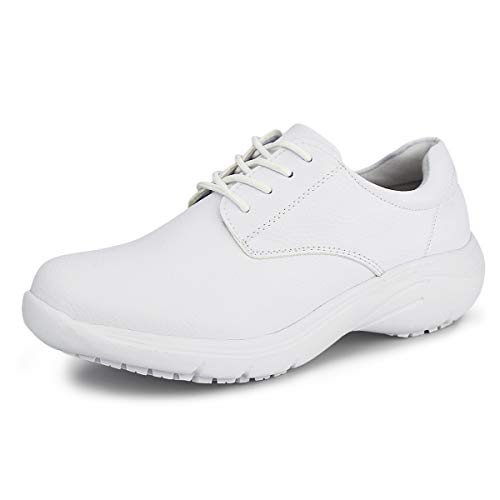
Hawkwell Women’s Slip Resistant Nursing Shoes

Hawkwell Cloud Zero Active Nursing Sneakers
Taking A Closer Look At The Options
The Crocs Classic Clog has been the unofficial scrub pant of healthcare workers for a reason, and that reason mostly comes down to weight. The closed-cell resin (a firm-yet-foamy plastic Crocs calls Croslite) makes the whole shoe feel closer to a slipper than a structured shoe, so even on a back-to-back shift your feet aren’t carrying dead weight. The molded footbed gives you arch support without the rigid feel of a traditional orthotic, and the roomy toe box lets bunions and swollen feet breathe on the worst double-shift days.
Cleaning is the silent win here. A pass under the faucet with soap handles the usual shift grime, and the one-piece upper means fluids bead off instead of soaking in. Compared to the later sneakers on this list, the Classic sacrifices lateral security for that slip-on ease, which matters if you’re constantly stepping over cords or pivoting fast.
The Helpful Details
- Lightweight molded construction reduces foot fatigue across long shifts.
- Roomy fit accommodates wide feet, bunions, and end-of-day swelling.
- Slip-on shape saves time during rushed break-room changes.
- Water-resistant material wipes clean with basic soap and water.
- Ventilation ports help air circulation in warm departments.
Things To Consider
- Open heel strap means less rear-foot control during fast lateral moves.
- Ventilation ports let fluids splash in during messy procedures.
Who It Suits Best
Nurses who want the lightest shoe on the floor and don’t need aggressive slip resistance for their unit.
Consider Something Else When
The Hawkwell Slip Resistant Nursing Shoes will suit nurses who routinely work around wet floors and want a closed, lace-up build.
Including the kids’ version in a nursing roundup only feels right if you’ve ever watched a pediatric nurse sprint after a toddler in a hallway. The Crocs Kids’ Classic uses the same lightweight Croslite material as the adult pair, just scaled down for smaller feet, so the comfort story carries over. The molded footbed still gives arch support, and the slip-on shape is forgiving for kids who hate laces.
For nurses working in family-facing settings, the kids’ sizes are worth knowing about because some units hand out small pairs for pediatric patients during procedures, calming the room before anything starts. The ventilated ports double as charm holders, which turns a clinical item into something a child can personalize.
The Practical Payoff
- Same lightweight material as the adult Classic, just resized.
- Slip-on shape suits kids who struggle with traditional closures.
- Customizable charms give pediatric patients a sense of ownership.
Points To Keep In Mind
- Sizing runs small, so most nurses will want to size up rather than trust the label.
- Less heel structure means they’re not ideal for older kids walking long hospital corridors.
Made For
Pediatric nurses, child-life specialists, and family-health staff who want a small, comforting shoe for young patients.
Look Elsewhere When
You’re shopping for your own adult shifts, since the Crocs Unisex-Adult Classic Clog covers that role with the same material at adult sizing.
The Child clog is the Classic you just read about, dressed up with Star Wars styling and the character graphics baked into the band. Functionally, it carries the same Croslite cushion, the same roomy fit, and the same easy-clean surface, so the comfort argument doesn’t change. What changes is the social signal: pediatric patients spot Grogu from across the room, and that moment of recognition often does more to settle a frightened kid than a stack of paperwork.
Sizing notes are worth attention here. The available sizes cover roughly women’s 6 through men’s 5, and the unisex sizing means you may want to size down if you have a narrow foot. For departments where staff wear whatever clean shoes they own, this is a small upgrade that costs the same as the plain Classic.
A Strong Showing
- Same lightweight comfort as the standard Classic Clog.
- Character graphics help pediatric patients relax before procedures.
- Easy to rinse clean after a shift.
Honest Caveats
- Graphics can scuff if scoured with stiff brushes, so gentle cleaning matters.
- Limited size range compared to the plain Classic.
Best Suited To
Nurses and support staff in pediatric or family-care settings who want a small morale boost during long shifts.
Skip It When
You need a neutral, dress-code-friendly shoe, since the Crocs Unisex-Adult Classic Clog keeps the same comfort in plain colors.
The konhill Slip On Sneaker is the first pick on this list that isn’t a clog, and that shift matters. The knit upper is a flexible, breathable mesh that hugs the foot without squeezing, which makes the shoe feel closer to a running sneaker than a clinical shoe. For nurses with hot feet or jobs that keep them moving constantly, that airflow is the difference between finishing a shift dry and finishing it damp.
Like the Crocs earlier in the list, this is a true slip-on, so there’s no lace ceremony at the start of the day. Where it differs is in the silhouette: the knit upper flexes with the foot, so stairs and quick pivots feel more controlled than on a rigid clog. The trade-off is durability, since mesh shows wear faster than closed-cell resin.
Everyday Wins
- Breathable knit upper helps hot feet stay cooler during long shifts.
- Slip-on shape saves time compared to traditional lace-ups.
- Flexible upper moves naturally with the foot on stairs and pivots.
Worth Noting
- Knit fabric can snag on rough hospital flooring or equipment edges.
- Less structured support than a dedicated medical shoe for high-impact days.
Perfect Match For
Nurses who overheat in clogs and want a sneaker-style feel with a slip-on convenience.
A Better Fit Elsewhere
The Hawkwell Cloud Zero Active Nursing Sneakers offer a similar breathable shape with stronger medical-shoe construction.
The Hawkwell Slip Resistant is where the roundup starts feeling like proper work footwear. The lace-up closure gives you a tunable fit that a slip-on can’t match, and the outsole is built for the wet floors that show up in hospitals, kitchens, and any unit where fluids are part of the daily routine. Slip resistance (a rubber tread pattern designed to grip smooth, wet surfaces) is the headline feature, and it’s the reason many facilities mandate this category of shoe outright.
Compared to the Crocs earlier, the Hawkwell trades some of that slipper-like ease for real lateral security. The lightweight build keeps the shoe from feeling heavy, but the more structured upper does mean a longer break-in period. For nurses who log serious mileage and need a closed, secure fit, this is the more grown-up version of the comfort story.
Strong Points
- Slip-resistant outsole grips wet hospital floors more confidently than casual shoes.
- Lace-up closure gives a tunable, secure fit for narrow or wide feet.
- Lightweight construction reduces fatigue compared to traditional work shoes.
- Closed upper protects feet from splashes and dropped sharps near the toes.
Practical Considerations
- Lace-up closure takes longer to put on during rushed breaks.
- More structured feel may require a few shifts to break in fully.
Who Should Grab It
Nurses working in wet or fast-paced environments who need reliable grip and a closed, protective upper.
Reach For A Different Pick When
You want maximum breathability for hot shifts, since the Hawkwell Cloud Zero Active Nursing Sneakers prioritize airflow over structure.
The Hawkwell Cloud Zero is the most athletic shoe on this list, and it earns that label honestly. The cushioning system (a layered midsole designed to absorb impact without bottoming out) feels closer to a running sneaker than a clinical shoe, which is exactly what nurses logging ten-plus miles of hallway laps tend to want. The breathable upper lets heat escape, so the shoe doesn’t turn into a sweatbox halfway through a shift.
Where it sits relative to the rest of the list is interesting. You get more cushion than the konhill, more structure than the Crocs, and a sportier feel than the lace-up Hawkwell from earlier. The honest read is that this is a great daily driver for nurses whose feet punish them most, but the athletic silhouette may not pass stricter dress codes that expect a clinical look.
Notable Gains
- Cushioned midsole softens impact across high-mileage shifts.
- Breathable construction keeps feet cooler than closed clogs.
- Lightweight build reduces fatigue over twelve-hour rotations.
- Tennis-shoe silhouette handles stairs and lateral moves well.
Small Caveats
- Sporty look may not match stricter clinical dress codes.
- Athletic cushioning can feel soft underfoot for nurses who prefer a firm platform.
- Breathable mesh requires gentler cleaning than smooth clogs.
Key Specs
Whose Shelf It Belongs On
Nurses with the longest, most mobile shifts who want running-shoe comfort in a clinical-appropriate build.
Swap It Out When
You need a more protective, slip-resistant lace-up, since the Hawkwell Slip Resistant Nursing Shoes deliver that closed, work-focused fit.
What To Weigh Before Choosing Your Next Pair
Slip Resistance And Outsole Grip
Wet linoleum is the most common floor in healthcare, and it’s also where most workplace foot injuries happen. Outsole tread patterns designed to channel liquid away from the contact patch give you real grip on smooth surfaces. If your unit sees frequent spills, prioritize this feature over cushioning.
Cushioning And Arch Support
A cushioned midsole absorbs the repeated impact of walking on hard floors, while arch support keeps your foot aligned through long shifts. Nurses with flat feet or high arches usually benefit from shoes that pair both, since one without the other tends to create new problems by midweek.
Breathability And Easy Cleaning
Breathable uppers keep feet cooler, but they also need to handle wipe-downs. Closed-cell materials like Croslite rinse clean in seconds, while knit uppers require gentler care but reward you with better airflow. Match the material to your shift environment.
Fit, Closure, And Dress Code
Slip-ons save time, but lace-ups give a more secure, tunable fit. Some facilities require closed toes and heels, which rules out backless clogs regardless of comfort. Check your unit’s policy before committing, since the best shoe on paper is useless if it stays in your locker.
Key Considerations Across These Picks
Common Shopping Slip Ups
Many nurses buy based on color or branding first, then wonder why their feet hurt by Thursday. A better approach is to identify your two biggest shift complaints, whether that’s heat, fatigue, or slippery floors, and prioritize the feature that addresses them. Sizing matters too, since closed-cell clogs often fit differently than knit sneakers even at the same labeled size.
Another common miss is ignoring the dress code. A sporty sneaker might feel great, but some units expect a clinical silhouette. Confirm the policy before you commit to a new pair.
Where The Extra Money Goes
The higher-priced options on this list, like the Hawkwell Cloud Zero, invest in layered cushioning, breathable knit uppers, and athletic construction that holds up across longer shifts. You’re paying for a more engineered midsole and a sneaker-like feel rather than basic cushioning. For nurses logging ten-plus miles a day, that engineering pays off in fewer end-of-shift aches.
Frequently Asked Questions
What makes a shoe good for nursing shifts?
The best options combine slip resistance, cushioning, breathability, and easy cleaning. Each feature addresses a specific part of the workday, from wet floors to long hours on hard surfaces.
Are clogs or sneakers better for nurses?
Clogs win on easy cleaning and slip-on convenience, while sneakers offer better lateral support and breathability. Your unit’s dress code and floor conditions usually decide between them.
How often should nursing shoes be replaced?
Most nurses replace their work shoes every six to twelve months, depending on mileage and cushion wear. Once the midsole feels flat, it’s time, even if the upper still looks fine.
Can I wash nursing shoes in a washing machine?
Closed-cell resin clogs rinse clean under a faucet, but knit and mesh sneakers usually need hand-washing to avoid damaging the upper. Check the manufacturer’s care guidance before machine washing anything.
Do nursing shoes need to be slip resistant?
Slip-resistant outsoles help on wet floors, which is most healthcare settings. Even if your facility doesn’t require them, the extra grip reduces the risk of slips during messy procedures.
The Takeaway
Your feet carry you through the longest shifts of your career, so the right shoe is less a luxury than basic equipment. Start with the feature that bothers you most right now, whether that’s grip, heat, or fatigue, and let that guide the silhouette. The right pair should disappear on your feet by hour three, and that’s the only review that really matters.