Long shifts on hard hospital floors punish feet. Add heel pain or arch fatigue from plantar fasciitis, and even a short hallway walk can feel like a long hike. The right pair of nursing shoes and inserts can take the sting out of those hours, and the picks below cover shoes, insoles, and socks built for clinical routines. Think of it as a small kit you can mix and match depending on your foot shape, weight, and how much cushioning you need to get through a workday.
The Essentials At A Glance

Crocs Unisex-Adult Baya Clogs

Crocs Unisex-Adult Classic Clog
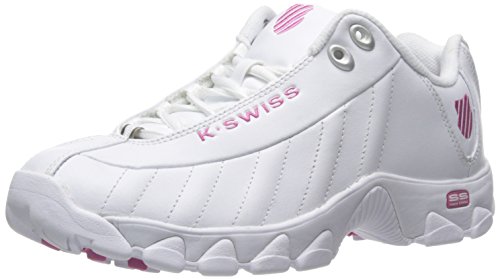
K-Swiss Women’s ST329 CMF Sneaker

CRUVHEAL 220+ lbs Plantar Fasciitis Insoles

CRUVHEAL Work Pro Boot Insoles (Low Arch)

PAPLUS 6 Pairs Compression Socks

CRUVHEAL Work Orthotic Insoles (Blue)
The Picks, Examined More Closely
The Baya is the kind of clog that disappears on your foot. Made from a single piece of EVA foam (EVA is a lightweight, rubber-like foam used in most cushioned clogs), it weighs almost nothing and bends easily, which matters when you crouch for vitals or sprint down a hallway between calls. The shape is the same roomy Crocs fit most hospital staff already know, so sizing feels familiar if you have worn the classic line.
Compared with the Classic Clog below, the Baya carries a slightly more refined upper with the same ventilation ports. That breathability shows up in long shifts where feet run warm, and the closed-cell foam rinses clean under a faucet at the end of a messy day. For nurses with mild arch fatigue, you may still want to pair it with a separate insole, since the footbed is fairly flat out of the box.
Standout Benefits
- Lightweight EVA build keeps leg fatigue lower through 12-hour shifts.
- Ventilation ports let heat escape and drain spills quickly.
- Roomy fit accommodates bunions and wider feet without pinching.
- Foam rinses clean, so a dropped specimen or a soapy floor is no drama.
Things To Consider
- The stock footbed is thin, so pairing with an aftermarket insole is common.
- Heel can slip on stairs without a strap or custom insole grip.
Who It Suits Best
Nurses who walk a lot but prefer a washable, slip-on clog over a structured sneaker.
Where Another Pick Suits Better
The K-Swiss Women’s ST329 CMF Sneaker is a smarter match for nurses who need real heel lockdown and leather durability.
The Classic Clog with a seasonal graphic is the same icon most healthcare workers have worn since clinicals. The ethylene-vinyl acetate upper and insole cushion each step without adding weight, and the round-toe silhouette gives toes room to splay during long charting sessions. You also get pivoting heel straps, which let you flip the strap forward for a secure fit or back when you want full slip-on convenience.
Sizing runs large, so most owners find they need to size down for a snug fit. That detail matters for plantar fasciitis, where excess room lets the foot slide and tug at the heel. Add an arch-support insole like one of the CRUVHEAL models further down this list, and the Classic becomes a surprisingly capable platform for sore heels.
Where It Excels
- Pivoting heel strap adds security on stairs without slowing slip-on speed.
- Affordable entry point into clog comfort for students and new grads.
- Easy to hose off after a long shift in a busy unit.
Points To Note
- Sizing runs generous, so trying on or sizing down is wise before committing.
- Plain footbed offers minimal arch support on its own.
Feature Card
Made For
New nurses and nursing students who want a low-cost, washable clog to start their career.
Look Elsewhere When
The CRUVHEAL 220+ lbs Plantar Fasciitis Insoles are the better focus if your main concern is heel pain rather than the shoe itself.
For nurses who think clogs feel sloppy on a fast-paced floor, the ST329 CMF brings sneaker-grade structure. The wide last (the molded shape the shoe is built around) is generous across the forefoot, which helps anyone with bunions or a wider midfoot avoid that pinched feeling by hour eight. Leather uppers add a level of polish some clinics prefer over foam clogs.
Arch support is firmer than in a typical EVA clog, so plantar fasciitis sufferers may find relief without reaching for a separate insert right away. The trade-off is break-in time. Leather needs a few shifts to mold to your foot, and the heavier build can feel clunky at first if you are used to featherweight foam clogs like the Baya above.
A Favorable Mix
- Wide sizing helps reduce forefoot pressure across long shifts.
- Leather upper wipes clean and holds shape over years of use.
- Firmer midfoot support eases strain on the plantar fascia.
Honest Caveats
- Heavier than foam clogs, which can tire lower legs faster.
- Leather needs a short break-in before it feels truly comfortable.
Right Fit For
Nurses who spend time in scrubs that lean more clinical-professional and want a wider, supportive sneaker.
Swap It Out When
The Crocs Unisex-Adult Baya Clogs are easier on tired feet if your priority is light weight over structure.
Most over-the-counter insoles flatten under heavier body weight within a few months, which is exactly the moment plantar fasciitis pain tends to creep back. CRUVHEAL’s 220+ lbs insole is engineered to resist that compression. The 1.4-inch arch support (the raised contour under the inner midfoot that supports your natural arch) distributes load across the foot instead of dumping it into the heel, which is where most plantar fascia pain originates.
Drop these into a roomy shoe like the Baya or ST329 and you have a custom-feeling fit without the price tag of a podiatrist visit. Worth noting though: the tall arch takes some acclimation. Expect a few shifts of mild foot muscle soreness while your feet adjust to the new geometry.
Real-World Strengths
- Engineered structure resists flattening under heavier body weight.
- Distributes pressure away from the heel where plantar pain peaks.
- Trims to fit multiple shoe sizes for rotating between pairs.
Trade Offs
- High arch feels aggressive for users with naturally low or flat arches.
- Takes several shifts of wear-in before feet settle in.
Feature Card
Best Suited To
Nurses over 220 pounds who need arch support that does not collapse mid-shift.
Consider Something Else When
The CRUVHEAL Work Pro Boot Insoles (Low Arch) fit flatter foot shapes that find this height uncomfortable.
Not everyone needs a tall arch. The Work Pro takes the opposite approach, prioritizing gel cushioning and a lower arch profile. The gel pads absorb impact through each step, which helps if your heel pain flares every time you step off a curb or pivot to grab a chart. A velvet top layer lets air move and helps keep odors in check, which matters for back-to-back shifts.
Compared with the heavier-duty 220+ insole above, this one follows your gait (your natural walking pattern) more gently. You may find the arch a touch shallow if you pronate heavily (pronation is the inward rolling of the foot during each step), but for nurses with neutral mechanics, the cushioning does most of the therapeutic work.
A Strong Showing
- Gel pads absorb shock at the heel, easing plantar fascia loading.
- Low arch shape suits flatter feet that reject tall orthotic geometry.
- Breathable top layer reduces heat and odor through long shifts.
A Few Limitations
- Less aggressive correction for pronounced overpronation.
- Hand wash only for cleaning, so plan a rotation if you sweat heavily.
Feature Card
Who Should Grab It
Nurses with flatter feet who want gel-based cushioning over rigid arch correction.
A Better Fit Elsewhere
The CRUVHEAL 220+ lbs Plantar Fasciitis Insoles are stronger if you need tall arch support, not just cushioning.
Compression socks are the unsung partner in a foot-care routine. PAPLUS packs six pairs, so you can rotate through a full work week without doing laundry every night. The stretch-knit fabric supports the arch and stretches the plantar fascia gently while you walk, which can soften that first-step-in-the-morning sting (one of the classic plantar fasciitis symptoms).
The trade-off is compression level. Most plantar-friendly sleeves deliver mild pressure, which is comfortable but not as therapeutic as medical-grade 20-30 mmHg stockings. Still, paired with one of the CRUVHEAL insoles in a Crocs clog, the combination handles most clinical-day discomfort for nurses who prefer socks over rigid orthotics.
Useful Touches
- Six-pair pack keeps a clean pair ready every shift.
- Arch support band lifts the plantar fascia during walking.
- Improves circulation in lower legs during long standing hours.
Things To Consider
- Compression is mild compared with medical-grade stockings.
- Sizing can run tight, so check the size chart before ordering.
Whose Shelf It Belongs On
Nurses who want affordable sock rotation and mild arch support without committing to rigid inserts.
Another Choice May Suit
The CRUVHEAL Work Orthotic Insoles deliver stronger arch correction if socks alone are not enough.
The blue Work Orthotic is a middle ground between the high-arch 220+ insole and the low-arch Work Pro. It combines a cushioning layer with arch support and a deep U-shaped heel cup (a curved rim around the heel that cradles and stabilizes it on impact), which is the design detail that helps most with end-of-shift heel fatigue. Shock-absorbing pads sit under the heel and ball of the foot, where pressure spikes during walking.
Compared with the heavier-duty 220+ model, this one is friendlier to a wider range of foot shapes, including nurses who do not need extreme arch height. Depending on your foot shape, you may find the heel cup a touch snug at first, but most users settle into it within a few shifts.
Where It Helps
- Deep heel cup stabilizes the foot and reduces impact loading.
- Mid-tier arch height suits most foot shapes without forcing adjustment.
- Shock pads ease pressure at heel strike and toe-off.
Points To Keep In Mind
- Heel cup can feel tight in slimmer shoes like the K-Swiss above.
- Volume may crowd narrow toe boxes, so check fit before long shifts.
Feature Card
Built With In Mind
Nurses logging long hours on their feet who need balanced correction without extreme arch height.
Reach For A Different Pick When
The PAPLUS Compression Socks are a softer alternative if rigid orthotics feel too structured for your taste.
What To Weigh Before Choosing Nursing Shoes For Plantar Fasciitis
Foot Arch And Body Weight
Arch height is the single biggest lever in plantar fasciitis comfort. Taller arches spread load away from the heel, but they can feel aggressive if your foot naturally runs flat. Body weight matters too, since heavier wearers flatten standard insoles faster. If you weigh over 220 lbs, an insole engineered for that range, like the CRUVHEAL 220+ model, holds its shape longer.
Cushioning Versus Structure
Cushioning absorbs impact, while structure (a firm midfoot shank or arch geometry) controls foot motion. Nurses who pronate heavily need structure. Nurses with neutral mechanics often get more relief from gel cushioning and a heel cup. Picking the wrong balance is the most common reason people abandon inserts after a week.
Shoe Fit And Volume
Even the best insole fails in a too-tight shoe. Clogs like the Baya and Classic offer roomy interiors that accept aftermarket orthotics, while sneakers like the K-Swiss ST329 give a snugger fit with structured support. Always check insole volume before assuming your favorite shoe will fit a new insert.
Cleaning And Shift Rotation
Clinical floors are wet, sticky, and occasionally biohazardous. Closed-cell foam clogs rinse under a faucet. Leather sneakers need a wipe-down and longer dry time. Inserts should be swapped between pairs so each can air out, which extends their lifespan and reduces odor between shifts.
Where Shoppers Go Wrong And What The Higher Tier Buys
Common Shopping Slip Ups
The biggest mistake is grabbing the cheapest clog and assuming the footbed solves everything. Stock footbeds are usually too flat to address plantar fasciitis. The second is choosing a shoe too narrow in the toe box, which squeezes the forefoot and shifts pressure back to the heel. Measure your foot at the end of the day when it is slightly swollen, and match that to the size chart.
Why Top Tier Costs More
Higher-priced insoles and structured sneakers cost more because they use denser foams, firmer heel cups, and materials that resist compression. For nurses logging 30-plus hours a week, the upgrade pays off in fewer replacements and less heel pain. For occasional wearers, a budget pick like the Classic Clog plus a low-cost insole is a smarter starting point.
Frequently Asked Questions
Do nursing shoes really help with plantar fasciitis?
Yes, the right shoe can reduce strain on the plantar fascia by improving arch support and cushioning at heel strike. The effect is strongest when the shoe is paired with a proper insole for your arch type.
Should nurses with plantar fasciitis wear clogs or sneakers?
Clogs are lighter and easier to clean, while sneakers offer more structure and heel lockdown. The honest read is that either works if it has a supportive footbed or accepts an aftermarket insole.
How often should nursing insoles be replaced?
Most insoles last six to twelve months under heavy daily use. If the arch feels flat under your thumb or the heel pain returns, that is the cue to swap in a fresh pair.
Can compression socks replace insoles?
Compression socks support the arch and improve circulation, but they do not correct foot mechanics. Think of them as a complement to insoles, not a substitute.
Are leather nursing shoes better than foam clogs?
Leather holds shape longer and provides more structure, while foam clogs are lighter and washable. The best choice depends on whether you value light weight or firm heel control more.
The Takeaway
Nursing on hard floors with plantar fasciitis is manageable with the right combination. Start by identifying your arch height and body weight, then pick a shoe and insole that match. The picks above cover the most common combinations, so you can rotate, layer, and experiment until your shifts feel lighter.