A twelve-hour shift on a hospital floor tells you everything about a pair of shoes in a way no fitting room ever will. Your feet swell, your lower back tightens, and the wrong pair turns a manageable day into a slow ache by 3 p.m. The right pair, though, almost disappears under you. This roundup is for nurses, nursing students, medical assistants, and anyone else clocking long hours on hard floors, walking through clinical settings where spills happen, and needing real support from the second they clock in.
The Main Contenders

Skechers Go Walk 7 Cosmic Waves Athletic Walking Sneaker

Skechers Go Walk Now Trisha Slip-On

TIOSEBON Women’s Walking Slip-On Sock Knit Shoes
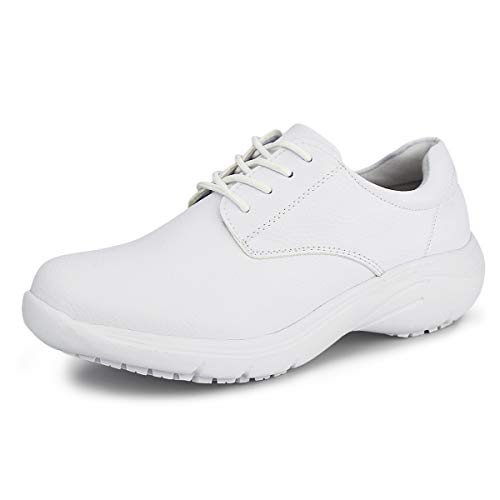
Hawkwell Slip Resistant Lightweight Nursing Shoes

Hawkwell Cloud Zero Active Nursing Sneakers
The Strengths Of Each Pick
The Skechers Go Walk 7 Cosmic Waves is built around a layered cushioning stack that targets the kind of low-impact punishment a nurse’s feet absorb on a long shift. The engineered mesh upper breathes well across a warm med-surg unit, while the bungee lace system pulls on without you having to think about it at 5:30 a.m. Compared with the rigid clogs many clinicians default to, this pair feels more like a running shoe tuned for standing rather than sprinting.
For nurses who cover six or more miles a shift between patient rooms, break rooms, and charting stations, the responsive midsole absorbs step shock without flattening out under heavy use.
What Makes Sense
- The Goga Mat insole rebounds with each step, so a back-to-back shift feels less punishing on the forefoot.
- ULTRA GO cushioning under the heel softens concrete-like hospital tile, which often hides a thin layer of cheap foam.
- Engineered mesh lets heat escape, keeping feet drier during warm units or layered scrubs in winter.
- The bungee closure saves time on quick breaks and reduces pressure points compared with tied laces.
- Vegan construction means no animal-derived materials, useful for anyone tracking what goes into their workwear.
Things To Consider
- Not specifically labeled slip-resistant, so wet floors near sinks or cafeterias may warrant a more grippy outsole.
- The lighter mesh upper scuffs easily on cart edges and bed frames over many months of heavy use.
Key Attributes
Who It Suits Best
Floor nurses and charge nurses who want sneaker-like comfort with pull-on ease and don’t need formal slip resistance.
Look Elsewhere When
The Hawkwell Slip Resistant Lightweight Nursing Shoes suit you better if your unit has wet floors from frequent cleanups or spilled fluids.
The Trisha takes the easy-entry idea and refines it further. A stretch knit upper hugs the foot like a sock, so there’s no break-in period and no tongue shifting around while you pivot between beds. The Ultra Light cushioning platform trades some plushness for a noticeably airy feel, which suits nurses whose feet swell toward the end of a double.
Where the Cosmic Waves leans toward a sportier aesthetic, the Trisha reads more like a casual walking shoe, which fits front-desk roles or clinics with a relaxed dress code.
Everyday Perks
- Machine-washable construction means a quick cycle handles the dust and mystery stains of a clinical setting.
- The slip-on design removes one routine step from a rushed morning, valuable when you’re sprinting to relieve the night shift.
- The Air-Cooled Goga Mat insole keeps the forefoot ventilated, helpful for anyone prone to sweaty feet.
- All-vegan materials match the ethos of many younger nurses entering the workforce.
Worth Noting
- The lighter build sacrifices some arch support, so flat-footed nurses may want to add an aftermarket insole.
- Knit uppers show wear faster than leather, especially around the toe where cart corners tend to hit.
Right Fit For
Outpatient nurses, school nurses, and clinic staff logging steady but shorter days who prioritize comfort over heavy-duty structure.
Consider Something Else When
The Hawkwell Cloud Zero Active Nursing Sneakers are a stronger match for nurses clocking twelve-hour shifts who need firmer cushioning.
TIOSEBON’s slip-on is the value play in this roundup. The sock-knit upper mimics the barefoot-flexibility trend that’s taken over athletic footwear, but at a price that fits a nursing student’s budget. The minimal silhouette works under scrubs without looking bulky, and the stretch fabric accepts a slightly swollen foot after hours of standing.
The trade-off shows up in cushioning depth, where this pair leans lighter than the Skechers options above. For nurses early in their careers, though, that lighter feel is often a feature rather than a flaw.
Strong Points
- The sock-knit upper stretches around bunions or braces without painful pressure points.
- Slip-on convenience means no fumbling with laces during rapid patient response.
- The lightweight construction reduces leg fatigue on days that include stair-heavy rounds.
Trade Offs
- The lower price point reflects thinner midsole foam, so back-to-back shifts may wear down comfort faster.
- Limited structure means the shoe doesn’t correct overpronation the way a more built-up sneaker can.
- Knit uppers trap odors more readily than mesh with antimicrobial treatments, so owners commonly rotate pairs.
Quick Facts
Best Suited To
Nursing students and new graduates building a work wardrobe on a tight budget who still want sneaker-level comfort.
Reach For A Different Pick When
The Skechers Go Walk 7 Cosmic Waves is worth stretching your budget for if you want more structured cushioning on long shifts.
Hawkwell built this pair specifically for the realities of healthcare floors. The slip-resistant outsole, a tread pattern designed to channel liquid away from contact points, gives nurses real traction when they round a corner with a wet mop bucket or sprint to a code. The lace-up closure locks the heel in place, which matters during the quick pivots that come with patient transfers.
Where the Skechers picks above prioritize cushioning softness, this Hawkwell leans toward stability and grip, which is exactly the trade-off worth making in environments with frequent floor cleaning.
Good Reasons To Consider
- The slip-resistant outsole reduces the risk of slips on freshly mopped hospital corridors.
- Lace-up construction delivers a more locked-in heel, useful during rapid turns and patient transfers.
- Lightweight build keeps the shoe from feeling clunky even with the more rugged outsole.
Points To Keep In Mind
- Lace-up design takes longer to remove, which may frustrate nurses who want to slip shoes off in the break room.
- The structured build runs warmer than a fully knit upper, which can feel heavy during summer rotations.
- Outsole traction pattern collects debris in some clinical settings, requiring occasional brushing.
Core Details
Who Should Grab It
ICU, ER, and OR nurses who navigate wet surfaces daily and need outsoles that handle unpredictable spills.
A Better Fit Elsewhere
The Skechers Go Walk 7 Cosmic Waves is a smoother match if slip-resistance isn’t a top requirement at your facility.
The Cloud Zero Active is Hawkwell’s cushioned flagship for healthcare work, and the name isn’t marketing fluff. The midsole reads thicker than its sibling above, which translates to a softer ride across the marathon days nurses know too well. The breathable upper vents heat during warm units, and the sneaker silhouette transitions cleanly into post-shift errands.
For nurses who log serious mileage and care about how their knees and lower back feel the morning after, this pair earns its place on the shortlist.
A Few Highlights
- The thick cushioned midsole absorbs impact on hard tile, easing pressure on knees and lower back.
- Breathable upper construction helps feet stay cooler during extended standing in warm departments.
- Tennis-shoe styling works off-shift, so nurses can head straight to the gym without a shoe change.
Honest Caveats
- The plush cushioning may feel too soft for nurses who prefer a firmer, more responsive ride.
- The sneaker profile runs warmer than ventilated mesh clogs, so sweaty feet may want moisture-wicking socks.
- The thicker sole adds a small amount of stack height, which can take adjustment for nurses used to lower-profile shoes.
Made For
Nurses clocking three or more twelve-hour shifts a week who want maximum cushioning under foot and don’t mind the thicker sole.
Swap It Out When
The Hawkwell Slip Resistant Lightweight Nursing Shoes suit you better if your priority is traction over plushness.
How To Match Your Footwear With Your Floor Reality
Cushioning Depth Versus Stability
Plush midsoles absorb shock, but they can feel unstable when you’re hauling a patient or pushing a stretcher. A firmer midsole gives you a more planted feel under load, which is why many ER and OR nurses prefer a denser platform. Match your cushioning choice to the demands of your shift rather than to whatever feels best in a fitting room.
Slip Resistance On Real Hospital Floors
Slip-resistant outsoles use a tread pattern that breaks the surface tension of water and channels liquid away from your contact points. They matter most in units where staff mop frequently, near sinks and ice machines, and anywhere IV poles and carts might leak. If your unit stays mostly dry, sneaker-level traction is usually enough.
Closure Style And Your Routine
Slip-on shoes save seconds that add up across a shift, but lace-ups deliver a more locked-in heel during rapid movement. Think honestly about your routine. Nurses who sprint to codes often prefer laces, while desk-leaning roles and clinic work make slip-ons feel like a small daily luxury.
Upper Material And Climate
Knit uppers breathe beautifully but trap odor and wear faster than treated mesh or synthetic leather. Leather-style builds last longer and wipe clean, but run warmer in summer. Match the upper to your climate, your laundry routine, and how often you can rotate pairs.
Key Considerations Across These Picks
Mistakes Worth Dodging
Sizing up to accommodate swelling is a common trap that backfires, because a too-large shoe lets the foot slide and creates blisters. Shop at the end of a long day when your feet are at their largest, and choose the size that fits that moment. Skipping break-in time is another mistake. Even the softest knit benefits from a short test shift before you trust a new pair for back-to-back twelves.
When Paying More Pays Off
Higher-tier nursing shoes often use denser, more resilient midsole foam that holds its rebound across more wear cycles. The cushioning on cheaper pairs can pack out within a few months of daily shifts, leaving you with what feels like cardboard underfoot. The upgrade pays off most for nurses working five or more shifts a week, where comfort compounds hour by hour.
Frequently Asked Questions
How Long Do Nursing Shoes Typically Last?
Most well-built nursing shoes hold up for roughly nine to fifteen months of regular shift use before the midsole foam packs out. Lighter, budget pairs often wear sooner, while premium options can stretch past that range with rotation.
Do I Really Need Slip-Resistant Soles?
Slip resistance matters most on units with frequent floor cleaning, near sinks, or anywhere fluids hit the floor regularly. Dry clinic settings generally do fine with a standard sneaker outsole.
Are Slip-Ons Safe For Fast-Paced Nursing?
Yes for most units, since a snug knit upper keeps the heel in place during normal movement. Lace-ups still win for very rapid pivots and patient transfers.
Can I Machine Wash Nursing Shoes?
Several knit and mesh styles tolerate machine washing on a gentle cycle with air drying. Leather or bonded materials generally need spot cleaning instead.
How Tight Should Nursing Shoes Fit?
Snug across the midfoot with a thumb’s width at the toe is the usual target. Feet swell during shifts, so a fit that feels slightly roomy at the start often feels right by hour ten.
The Takeaway
The right nursing shoes come down to your unit, your shift length, and how your feet respond to long hours on hard floors. Cushioning, slip resistance, and closure style each pull weight, and the best match is the one that suits your specific day rather than the trendiest option on the shelf. Trust how your feet feel at hour eight. That honest answer is worth more than any spec sheet.