Long shifts on hard floors turn a good day into a painful one, and your feet feel every hour of it. The right pair cuts that pain down before it starts, lets you move quickly between patients, and stays comfortable through a double. The picks below cover lightweight clogs, lace-up work shoes, cushioned sneakers, and a smart compression accessory to round things out.
The Leading Options At A Glance

Crocs Unisex-Adult R2D2 Classic Clogs

Crocs Kids’ Classic Clogs
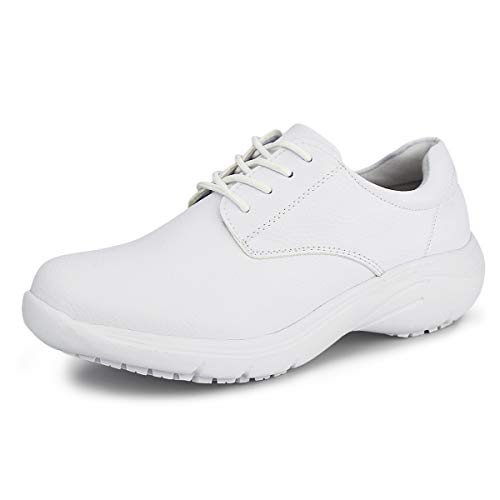
Hawkwell Women’s Slip Resistant Lace Up Nursing Shoes

Hawkwell Cloud Zero Active Nursing Sneakers

LEVSOX Cotton Compression Socks 20-30mmHg
The Details Behind The Selections
Slip these on at the start of a shift and your feet barely register the floor. The Crocs Classic Clog shape, with its roomy toe box and pivoting heel strap, has earned a loyal following among nurses for one simple reason: it disappears under your feet after a few minutes.
The molded Croslite construction keeps the weight down so a 12-hour day doesn’t punish your calves. Ventilation ports along the top let heat escape and water drain, which matters when a spill happens mid-med-pass. You can hose them off at the end of the week and they come back looking nearly new.
Useful Strengths
- Lightweight build reduces leg fatigue through long shifts
- Roomy footbed gives toes room to spread during standing tasks
- Slip-resistant tread grips polished hospital floors reliably
- Washable with soap and water for easy care between shifts
- Roomy sizing, including women’s 6 and 7 runs, fits narrow and wide feet
Things To Consider
- Open heel and ports can let cold OR fluids in during procedures
- Croslite cushioning is softer than a structured work shoe, so pronation support is limited
- The decorative print may not match strict uniform policies in some facilities
Made For
Nurses who rack up miles on tile floors and want a no-fuss clog they can rinse clean at the end of a long week.
Consider Something Else When
You need a fully enclosed upper for wet or sterile environments, in which case the Hawkwell slip-resistant lace-up serves you better.
This entry exists for the nursing students and pros whose feet match the kids’ sizing chart, and for parents on the family-plus-work budget who want everyone in the same easy-care shoe. The kids’ Classic Clog shares the adult silhouette in smaller proportions, so the comfort story stays familiar.
The same molded Croslite construction handles spills, cafeteria floors, and playground asphalt with equal ease. Ventilation holes let feet breathe, which helps during long days in warm buildings.
Strong Points
- One-piece Croslite cleans up fast under the faucet
- Pivoting heel strap gives a secure fit for moving between classes and clinicals
- Range of colorways available for coordination with scrubs
Worth Noting
- Sizing tops out before adult sizes, so taller wearers outgrow them quickly
- Same open-port design as the adult clog, so fluids can splash in during certain tasks
Right Fit For
Petite nurses and family households who want a comfort-first clog at a friendly entry cost.
Look Elsewhere When
You wear a standard women’s size above the kids’ range, in which case the adult R2D2 Classic Clog fits the bill instead.
The Hawkwell lace-up earns its place the moment you round a corner on a freshly mopped hallway. A true slip-resistant outsole, designed for healthcare and food service settings, grips where basic rubber soles slide.
The lace closure lets you dial tension across the instep, which matters for nurses with high arches or swelling feet at hour ten. The lightweight build keeps the shoe from feeling like a work boot, and the enclosed upper protects against spills, splashes, and dropped sharps containers.
Real Benefits
- Dedicated slip-resistant tread for wet tile and linoleum
- Adjustable lacing accommodates swelling through long shifts
- Enclosed upper shields feet from fluids during procedures
- Lighter than traditional nursing clogs with structured support
Honest Caveats
- Lace-ups take longer to pull on during quick change-of-shift moments
- Break-in period during the first few shifts as the upper softens
Feature Card
Who It Suits Best
Nurses working in ICUs, ERs, and ORs who prioritize traction and spill protection over quick on-off convenience.
Swap It Out When
You want a more cushioned ride for lots of walking, in which case the Hawkwell Cloud Zero sneaker is the better match.
Where the classic Crocs lean soft and forgiving, the Hawkwell Cloud Zero leans athletic. The midsole uses a thicker cushion platform that absorbs impact during walking rounds, and the breathable mesh upper keeps feet cooler than a full-leather work shoe.
The sneaker profile suits nurses who cover a lot of ground on each shift, from med-surg floors to home health visits. Built for healthcare and food service use, the outsole grips tile and resists the slick spots that catch basic sneakers off guard.
Why It Works Well
- Cushioned midsole softens impact across long walking shifts
- Breathable upper reduces heat buildup under scrubs
- Sneaker silhouette transitions easily from clinical to casual wear
- Slip-resistant outsole for healthcare and food service environments
- Lighter than a traditional nursing oxford
Points To Note
- Mesh upper offers less spill protection than the lace-up work shoe
- Cushion stack may feel tall to wearers used to flat clogs
Best Suited To
Nurses who walk several miles per shift and want sneaker-like comfort with healthcare-grade traction.
Another Choice May Suit
Your work involves constant exposure to fluids, in which case the Hawkwell lace-up with its enclosed upper makes more sense.
Compression socks aren’t a replacement for a good shoe, but the right pair makes a real difference by hour eight. The LEVSOX knee-high sock uses graduated compression, meaning the pressure is firmest at the ankle and loosens as it moves up the calf. That gradient helps blood return upward instead of pooling in the lower legs.
The 20-30mmHg range (millimeters of mercury, a standard measure of compression pressure) sits in the firm-support tier, which suits nurses on their feet all day as well as anyone dealing with pregnancy-related swelling or long travel days. The cotton-blend knit feels softer against the skin than pure synthetic compression fabrics.
Where It Excels
- Graduated 20-30mmHg compression supports tired, heavy legs
- Knee-high height stays up through a full shift without constant adjustment
- Cotton blend feels comfortable against sensitive skin
- Works for nursing shifts, pregnancy, and long-haul travel alike
Small Caveats
- Firm compression takes adjustment for first-time wearers
- Sizing depends on accurate calf and ankle measurements
Whose Shelf It Belongs On
Nurses, pregnant women, and frequent travelers who want firmer lower-leg support during long hours on their feet.
Reach For A Different Pick When
You need an actual shoe for clinical duty, in which case any of the four footwear picks above covers the footwear side of the equation.
What To Weigh Before Choosing Nursing Shoes For Women
Slip Resistance Over Everything Else
A slick hallway is the single biggest foot-safety risk in most clinical settings. Look for outsoles explicitly rated for healthcare or food service, where wet floors are part of the daily routine. The tread pattern matters: small, closely spaced grooves grip better than wide channels on polished tile.
Cushion And Arch Support For Long Shifts
Soft cushion feels great in the store but loses its bounce by hour six if it lacks structure. A midsole with enough density to rebound under your body weight, plus a footbed that matches your arch height, prevents the aching-heel sensation that ends shifts early. Removable insoles let you swap in custom orthotics if needed.
Enclosed Vs Open Upper
Open clogs breathe well and slip on fast, which is why so many nurses love them. Enclosed lace-ups or sneakers protect against spills, splashes, and dropped equipment. Pick based on your unit: outpatient clinics lean toward open clogs, while ORs and ERs reward enclosed protection.
Weight And Closure Style
A shoe you barely feel at the start of the day turns into dead weight by hour ten. Lighter builds reduce calf fatigue, and the closure style affects how quickly you can change between shifts, breaks, and locker runs.
Key Considerations Across These Picks
Common Buying Slip Ups
Picking the cutest color first is a classic mistake, because fit and traction protect your career far longer than aesthetics. Another common trap is assuming all “non-slip” labels mean the same thing; ratings from healthcare-specific outsole standards carry more weight than generic rubber marketing. Sizing across brands varies enough that measuring your foot at the end of a shift, when it’s slightly swollen, gives a more honest fit than a morning measurement.
Where The Extra Money Goes
Higher-priced nursing shoes tend to put the money into better midsole foam, more durable outsole rubber, and antimicrobial linings that survive months of wear. The upgrade pays off for full-time nurses logging 30-plus hours a week on hard surfaces. For occasional wear or PRN shifts, a more affordable pick often delivers all the comfort you actually need.
Frequently Asked Questions
How Often Should Nursing Shoes Be Replaced?
Most nurses find their shoes lose meaningful cushion and traction between six and twelve months of full-time wear, depending on the surfaces and hours logged.
Are Clogs Or Sneakers Better For Nursing?
Clogs slip on fast and breathe well, while sneakers offer more cushion and a secure fit for walking-heavy shifts; both work fine, and many nurses rotate between the two.
Do Compression Socks Actually Help Nurses?
Graduated compression supports vein return and reduces the heavy-leg sensation that builds during long standing hours, which is why so many shift workers rely on them.
Can You Machine Wash Nursing Shoes?
Most fabric and Croslite clogs handle a gentle machine cycle, while leather and structured work shoes need surface cleaning to preserve their shape and support.
What Socks Pair Best With Nursing Shoes?
Moisture-wicking socks with some cushion under the ball of the foot reduce friction and blisters; cotton or wool blends work for sensitive skin.
Wrap Up
The right nursing shoes come down to your unit, your feet, and your shift pattern. Clogs cover quick-change days, lace-ups handle wet floors, sneakers absorb walking miles, and compression socks tie the whole system together. Pick the pair that matches your real day, and your feet will thank you well past hour ten.