Slippery kitchen tiles, oily garage floors, and wet restaurant back-of-house areas chew through ordinary footwear. The right pair protects your feet, keeps you upright through a ten-hour shift, and dries off without a fight. This roundup sorts through five solid options that cover kitchens, construction sites, muddy yards, and factory floors, so you can match the shoe to the work you actually do.
A Snapshot Of The Selections

Crocs Unisex-Adult Classic Clog

Crocs Unisex-Adult Classic Clogs
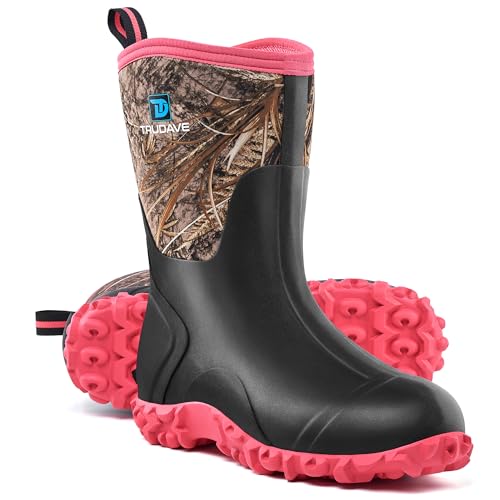
Trudave Rubber Boots for Women with Steel Shank

Georgia Boot Men’s Wedge Industrial Boot

KKB Oil-Safe Grip Non Slip Work Sneakers
Taking A Closer Look At The Options
The Classic Clog is the workhorse most people picture when they think of slip-on comfort. Its Croslite foam construction makes the shoe light enough to wear for a closing shift without feeling like you’re hauling bricks around your ankles. The molded outsole grips tile and linoleum well, which is why you see these in restaurant kitchens, hospital supply rooms, and home pantries alike.
Compared to the wedge boot later in this list, the Classic Clog trades durability for breathability. Ventilation ports along the top let heat escape, and the footbed gives a little bounce with each step. For floor work where you mostly stand and pivot, it’s a friendlier option than a heavy leather boot.
The Upside
- Lightweight build reduces foot fatigue through double shifts
- Slip-resistant outsole handles wet kitchen floors reliably
- Roomy fit accommodates wider feet and aftermarket insoles
- Rinse-clean material makes sanitation shifts much easier
Points To Keep In Mind
- Open heel strap lets debris in on outdoor job sites
- Foam sole wears faster than rubber under daily industrial use
Who It Suits Best
Service workers and home cooks who spend long hours standing on smooth indoor floors and value easy cleaning.
Look Elsewhere When
Folks hauling lumber or working construction will find the Georgia Boot Men’s Wedge Industrial Boot a sturdier match for rough terrain.
This Classic Clog listing covers the same trusted silhouette in a broader range of sizes and colorways. The footbed here uses Iconic Crocs Comfort, a cushioned formula that softens the impact of repeated steps on hard tile. Nurses, teachers, and retail leads tend to gravitate toward it because the cushioning stays comfortable from the opening coffee to the final cleanup.
Functionally, you get the same slip-ready outsole as the first entry on this list. The trade-off is identical: the airy upper and foam platform excel indoors but offer less protection than a closed leather boot. If you mostly walk on flat surfaces and want a shoe that forgives a long day, this version leans further into the comfort side.
Real-World Strengths
- Deep cushioning reduces pressure on heels during twelve-hour shifts
- Adjustable heel strap keeps the fit secure when you’re moving fast
- Neutral color options blend into professional dress codes
- Wide toe box helps anyone with bunions or swelling
- Easy to hose off after a messy shift
Trade Offs
- Foam construction can flatten noticeably after a year of daily wear
- Ventilation holes let water in during outdoor rain exposure
- Not designed for sharp-object protection on industrial floors
Feature Snapshot
Made For
Healthcare, hospitality, and retail staff who log serious hours on hard indoor surfaces and need a forgiving step.
Swap It Out When
Anyone facing mud, manure, or standing water will get more protection from the Trudave Rubber Boots for Women with Steel Shank.
Where the previous two picks focus on indoor grip, the Trudave rubber boot steps into mud, slush, and standing water without flinching. The 6mm neoprene layer is the same insulating material used in wetsuits, which keeps your feet warm through cold morning chores. A steel shank runs along the arch, which is a thin reinforcing strip that adds rigidity so the boot doesn’t fold when you step on a rock or shovel into hard ground.
Available in sizes 5 through 11, the mid-calf height protects your lower legs from splash-back when you’re hosing down a barn or mucking stalls. It is a heavier shoe than a foam clog, so don’t expect to move quickly across flat tile. Where it shines is the messy, wet, all-season work that would soak through canvas or leather boots in minutes.
Benefits That Matter
- Fully waterproof build keeps feet dry in deep mud and rain
- Steel shank supports the arch under heavy lifting or uneven ground
- Neoprene lining adds warmth for cold-weather chores
- Pull-on design speeds up the morning routine
Honest Caveats
- Bulky fit can feel clumsy on indoor ladders or tight spaces
- Rubber needs a thorough rinse after exposure to chemicals or manure
Quick Facts
Best Suited To
Farmers, gardeners, and homesteaders who deal with wet ground, livestock, or seasonal muck on a regular basis.
Reach For A Different Pick When
Restaurant line cooks who spend the day on smooth kitchen tile will find the KKB Oil-Safe Grip Non Slip Work Sneakers far easier to move around in.
The Wedge Industrial Boot is the heavyweight of this list, built for the person who drives nails, climbs scaffolding, and works the same oil-stained concrete year after year. The Goodyear welt is a stitched construction method that joins the upper leather to the sole, which means a cobbler can detach the old outsole and glue on a fresh one when the tread finally wears down. That single feature extends the boot’s useful life by years, which is rare in an era of glued-together footwear.
Unlike the foam clogs above, the wedge sole spreads weight across a wider surface area. On flat warehouse floors that translates to less pressure on your arches, though it can feel loose on rocky outdoor ground. The leather upper takes a few shifts to break in, but rewards patience with a fit that gradually molds to your foot.
Useful Highlights
- Goodyear welt construction allows full outsole replacement
- Wedge sole cushions every step on flat industrial surfaces
- Solid leather upper resists abrasion and chemical splash
- Slip-resistant tread handles oily shop floors reliably
Worth Noting
- Leather requires conditioning to prevent cracking over time
- Heavier than foam clogs, which may tire out some walkers
- Break-in period can leave hot spots during the first week
Who Will Love This
Tradespeople, warehouse workers, and anyone who needs a boot that can be rebuilt rather than replaced every season.
Skip It When
Light-duty kitchen and clinic workers will find the KKB Oil-Safe Grip Non Slip Work Sneakers a lighter, more breathable alternative.
The KKB Oil-Safe Grip fills a specific gap in this lineup: a sneaker-shaped work shoe for people who need arch support and slip resistance in one package. The orthopedic footbed is the standout feature, offering structured support for anyone dealing with plantar fasciitis or flat feet. Pair that with a waterproof upper, and you have a shoe that handles spilled stock pots, mop puddles, and hospital sanitation rounds without complaint.
Where the Crocs clogs win on weight and the Georgia boot wins on durability, this sneaker wins on motion. Chefs running the pass, nurses making rounds, and dishwashers pivoting between stations move more naturally in low-profile shoes. The trade-off is less toe protection than a steel-toe boot, so think carefully about falling-object risk in your specific environment.
Positive Points
- Built-in arch support reduces foot pain during long standing shifts
- Waterproof upper keeps socks dry through spills and cleaning
- Slip-resistant outsole grips greasy and wet surfaces
- Sneaker silhouette feels familiar and breaks in quickly
Small Caveats
- Lacks a steel or composite toe for heavy falling-object risk
- Waterproof lining can trap heat in unventilated kitchens
Perfect Match For
Restaurant line cooks, hospital staff, and anyone with arch issues who spends hours on slick indoor floors.
A Better Fit Elsewhere
Construction workers who need a tougher shell and toe protection should look at the Georgia Boot Men’s Wedge Industrial Boot instead.
What Matters Most Before Choosing Oil And Slip Resistant Work Shoes
Start With The Surface You Walk On
The biggest mistake shoppers make is choosing a shoe based on brand familiarity rather than the actual floor. Smooth restaurant tile, oily garage concrete, and muddy farm paths each demand a different outsole pattern. Foam clogs excel on flat indoor surfaces but lose grip on loose soil. Wedge boots spread pressure beautifully on warehouse concrete yet feel awkward on a ladder. Match the tread to the terrain before you worry about anything else.
Consider Your Shift, Not Just Your Size
A comfortable lunch-break shoe often fails on a twelve-hour shift. Cushioning, arch support, and weight all stack up over time, so think about total hours on your feet rather than the few minutes in a fitting room. People with flat feet or plantar fasciitis benefit from structured orthopedic footbeds. Workers who change shoes between stations may want easy slip-on designs, while those on ladder-heavy jobs need a snug lace-up.
Look At Construction, Not Just Looks
A well-built pair of oil and slip resistant work shoes should keep you safe and dry for several years. Goodyear welt construction, in particular, allows the sole to be replaced when the tread wears out, which is more sustainable and budget-friendly over time. Waterproof membranes and sealed seams matter once your work involves liquids. Check that the upper material matches your climate too, because cold warehouses and hot kitchens call for very different breathability.
Fit And Break-In Are Non-Negotiable
No matter how good the spec sheet looks, a poorly fitting shoe will slow you down by Friday. Leave a thumb’s width of room in the toe box, test the shoe at the end of the day when your feet are slightly swollen, and walk on a hard surface before committing. Leather uppers stretch with wear, while foam clogs and rubber boots hold their original shape, so size expectations differ between categories.
Key Considerations Across These Picks
Common Shopping Slip Ups
Picking the lightest shoe on the shelf can backfire when your job actually requires toe protection or a waterproof shell. Always match the shoe to the worst part of your day, not the easiest. Skipping a break-in period is another trap, especially with leather boots that feel stiff in the store but soften beautifully after a week of real wear.
Where The Extra Money Goes
A higher tier typically adds either replaceable outsoles, better arch support, or a waterproof membrane, sometimes all three. The Georgia boot’s Goodyear welt is a good example, since you can rebuild it instead of replacing it. For someone logging serious hours in harsh conditions, that kind of longevity pays back the upfront cost over multiple seasons.
Frequently Asked Questions
How Often Should I Replace Oil And Slip Resistant Work Shoes?
Most foam clogs and rubber boots last roughly a year of daily use, while welted leather boots can run several years with resoling. Replace when the tread visibly smooths out or the footbed stops bouncing back.
Are Slip Resistant Soles The Same As Oil Resistant?
Not always. A slip resistant outsole is designed with tread patterns and rubber compounds that grip wet or greasy floors. Oil resistant usually refers to the sole material resisting breakdown from petroleum products, which is why many kitchen and shop shoes combine both features.
Can I Use The Same Shoes Indoors And Outdoors?
Only if the shoe handles both surfaces. A foam clog works indoors but loses traction on muddy ground, while a rubber rain boot feels clunky on smooth tile. Many people keep two pairs and rotate based on the task.
Do I Need Arch Support For Standing All Day?
If you have flat feet, high arches, or any kind of heel pain, structured arch support can make a major difference over long shifts. Neutral feet often do fine with cushioned midsoles, but orthopedic footbeds add insurance for anyone prone to fatigue.
How Do I Clean Oil And Slip Resistant Work Shoes?
Most foam and rubber shoes rinse clean with warm water and mild soap, then air dry away from direct heat. Leather uppers need a damp wipe, occasional conditioning, and a day to dry fully before the next wear.
Bottom Line
The right oil and slip resistant work shoes come down to matching your worst-case shift with a shoe that handles that specific challenge. Foam clogs cover kitchens and clinics, rubber boots tackle mud and standing water, and welted leather boots own the construction site. Once you know the floor and the hours, the rest of the choice tends to fall into place.