Plantar fasciitis, heel pain, and wide feet don’t have to keep you off the trail. The right pair of orthopedic hiking shoes can turn a punishing climb into a steady, supported walk. This roundup covers five options built for foot pain relief, extra room in the toe box, and grippy outsoles that hold up on wet rock and loose dirt. Most of the picks lean into arch support and a wide 4E fit, while one trail-tested classic rounds out the list for hikers who want a more traditional silhouette.
The Main Contenders

Men’s Orthopedic 4E Wide Waterproof Hiking Boots

OrthoComfoot Men’s Orthopedic Wide Waterproof Hiking Boots
OrthoComfoot Men’s Orthopedic Wide Hiking Boots
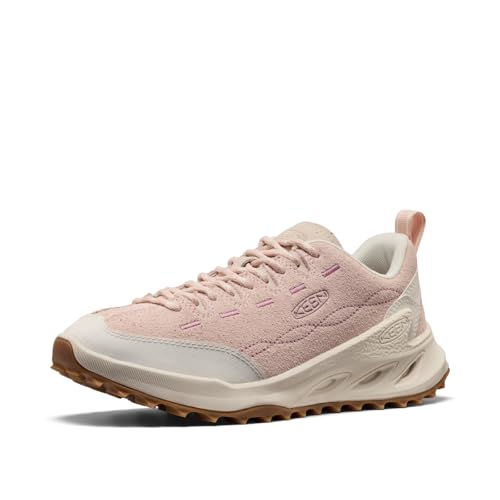
KEEN Jasper Zionic Sneakers

Merrell Men’s Moab 3 Hiking Shoe
More Details On Our Top Picks
The 4E designation on this OrthoComfoot model means it sits at the widest end of the standard width scale, roughly two steps beyond a standard medium. For hikers whose feet swell on long climbs or who simply can’t tolerate the squeeze of regular hiking shoes, that extra room is the difference between finishing a trail and cutting it short.
The mid-ankle cut gives the boot a stable feel on uneven ground, and the orthotic-friendly footbed lets you swap in custom insoles from a podiatrist. Owners with plantar fasciitis commonly report that the structured arch support reduces morning heel pain after full days of walking. The waterproof lining adds confidence on stream crossings and damp morning grass.
Useful Highlights
- 4E width offers extra toe-box space for bunions, swelling, or wide feet
- Arch support structure targets plantar fasciitis and heel pain
- Mid-ankle height stabilizes the foot on rocky or uneven terrain
- Waterproof construction keeps feet dry through wet grass and shallow stream crossings
- Removable insole lets you swap in a custom orthotic if needed
Trade Offs To Consider
- Extra width can feel loose on narrow heels, so lacing technique matters
- Mid-ankle boots run warmer than low-cut trail shoes in summer heat
- Break-in may take a few short walks before longer hikes feel dialed in
Who It Suits Best
Hikers dealing with chronic heel pain, bunions, or significant foot swelling who want the widest possible fit without stepping into custom footwear.
Look Elsewhere When
If you prefer a sneaker-style silhouette for casual wear, the KEEN Jasper Zionic Sneakers offer a lighter, lower-cut alternative that pairs easily with everyday outfits.
Where the first pick on this list leans hard into technical trail use, this sibling model softens the edges for everyday walking. The casual orthotic profile makes it a sensible choice for dog walks, errands, and short park loops rather than multi-hour summit pushes.
The ankle support here is more about gentle stability than rigid protection, so the boot flexes a bit more on uneven ground. That trade-off rewards shoppers who want pain relief without the stiffness of a backpacking boot. Owners commonly mention the waterproof membrane holds up well in light rain and damp pavement.
Key Advantages
- Wide toe box reduces pressure on bunions and hammertoes
- Orthotic footbed supports the arch through long days on your feet
- Lower profile than traditional hiking boots pairs well with jeans
- Waterproof lining handles puddles and wet sidewalks
Points To Keep In Mind
- Not built for technical trails with sharp rock or heavy backcountry loads
- Outsole lugs are gentler than serious hiking shoes, so mud traction is limited
- Sizing can run generous given the wide platform
Made For
Anyone managing heel or arch pain who wants comfortable, supportive footwear for daily walks, light errands, and casual outdoor time.
Consider Something Else When
If you log serious trail miles on rocky terrain, the Merrell Moab 3 Hiking Shoe delivers a more aggressive outsole and trail-proven durability for the same kind of foot.
This third OrthoComfoot entry blurs the line between hiking boot and trail runner. The non-slip outsole grips packed dirt and gravel, while the arch support keeps the foot aligned when the pace picks up. Compared to the first pick’s stiffer mid-ankle frame, this one flexes more naturally through the gait cycle.
Trail runners with orthopedic needs often struggle to find room in the toe box, and this boot answers that gap. The waterproof shell keeps rain and puddle splash from soaking through, which matters when running pace turns a damp sock into a blister risk. For most mixed-terrain workouts, the trade-off lands in a sensible middle ground.
What Makes Sense
- Trail-runner flexibility supports a faster, more natural stride
- Orthotic arch structure helps reduce post-run heel soreness
- Wide platform gives toes room to splay on downhills
- Non-slip outsole grips loose dirt and wet rock
Honest Caveats
- Less ankle protection than taller boots on side-hilling terrain
- Waterproof membranes trade breathability for dryness, so summer runs feel warmer
- Heel hold can feel loose without a proper lace lock technique
Best Suited To
Hikers who mix fast trail segments with running and want orthopedic support without the bulk of a traditional boot.
Skip It When
If your hikes involve heavy pack weight or rough scrambles, the wider, more protective OrthoComfoot 4E boot at pick 1 handles the abuse better.
The KEEN Jasper Zionic sits at the casual end of the hiking shoe spectrum. Built around a sneaker silhouette, it brings KEEN’s signature wide toe box and protective rubber toe cap into a low-profile package that transitions easily from trail to town.
You won’t find the structured arch support of the orthopedic boots earlier in this list, but the roomy forefoot accommodates a custom insole if your podiatrist has prescribed one. The suede upper and athletic materials hold up to weather better than a typical fashion sneaker, which makes them useful for light park trails, travel days, and city walks after a hike. For most casual outings, the comfort-to-style ratio is hard to beat.
Where It Delivers
- Low-cut sneaker styling works with everyday outfits
- Wide toe box accommodates foot shape and custom insoles
- Rubber toe cap protects against rocks and trail debris
- Technical tread handles light trail use without looking technical
A Few Limitations
- Lacks the arch support of dedicated orthopedic boots
- Suede upper needs occasional cleaning to keep its finish
- Less ankle stability than mid-cut hiking boots
Who Will Love This
Light hikers, travelers, and anyone who wants one shoe that handles both a casual trail and a dinner out without changing footwear.
A Better Fit Elsewhere
If you need serious arch and heel support for plantar fasciitis, the OrthoComfoot 4E boot offers the structured orthopedic feel this sneaker leaves behind.
The Moab name carries weight in hiking circles, and version 3 refines a formula that’s been in use for years. Compared to the orthopedic boots earlier in this roundup, the Moab 3 takes a more traditional approach: a supportive insole, a cushioned midsole, and a grippy Vibram outsole that has earned its reputation on real trails.
Merrell has consistently positioned this shoe as out-of-the-box comfortable, meaning most hikers skip the painful break-in window. The shoe accommodates aftermarket insoles, so a custom orthotic from a foot specialist drops in cleanly. For hikers covering multi-day distances or carrying daypack weight, the Moab 3’s balance of cushion, traction, and durability makes it a sensible anchor in any orthopedic-friendly rotation.
What Works In Its Favor
- Grippy Vibram outsole handles wet rock and loose gravel confidently
- Cushioned midsole absorbs impact on long descents
- Roomy forefoot accommodates medium-to-wide feet
- Aftermarket insole compatible for custom orthopedic inserts
Worth Bearing In Mind
- Not as wide as the dedicated 4E orthopedic boots for severe swelling
- Out-of-the-box comfort varies by foot shape and arch height
- Mesh sections can collect trail debris and small pebbles
The Right Fit
Regular hikers logging multi-mile days on varied terrain who want trail-tested performance and the option to add a custom orthotic.
Reach For A Different Pick When
If your foot pain requires the widest possible platform, the OrthoComfoot 4E boot provides more room than the Moab 3’s medium-wide last.
Choosing Orthopedic Hiking Shoes That Actually Help
Footwear that claims to be orthopedic varies widely in how it actually supports the foot. Before settling on a pair, think about where you feel pain, how your feet behave over a long day, and what kind of terrain you’ll actually cover.
Width and Toe Box
The width of a shoe matters as much as its arch support for most people with foot pain. A wide or extra-wide toe box lets the forefoot spread naturally, which reduces pressure on bunions and helps the arch do its job. If your toes feel pinched at the end of a hike, width is usually the first thing to fix.
Arch Support and Orthotic Compatibility
Genuine orthopedic hiking shoes either include a structured arch or let you swap in a custom insole from a podiatrist. A removable footbed is the key feature here, since it lets you upgrade support over time without replacing the whole boot. Removable insoles also help with drying after wet hikes, which extends the life of the shoe.
Traction and Terrain Match
A non-slip outsole with deep lugs grips loose dirt, wet rock, and muddy trail. For flat park loops, a gentler tread works fine. For anything involving elevation change or stream crossings, look for an outsole pattern with defined multi-directional lugs.
Waterproofing and Climate
Waterproof membranes keep feet dry in damp conditions but reduce breathability. In hot, dry climates, a non-waterproof mesh upper often feels better. Match the membrane to the climate and season you’ll hike in most.
Picking The Right Pair Without Regrets
Common Shopping Slip Ups
The biggest mistake is choosing width over arch support or vice versa. Both matter. Skipping the break-in walk on a short neighborhood loop before a longer hike is another common miss, since fit changes once the foot swells. Finally, ignoring insole compatibility means losing the option to upgrade with a custom orthotic later.
What Separates Premium From Basic
Higher-tier hiking shoes tend to add better outsoles, more durable midsole foams, and refined waterproof membranes. For orthopedic needs specifically, the upgrade usually shows up as a more accommodating last shape and a better footbed. The extra cost is worth it when you log weekly trail miles; for occasional light hikes, a more basic supportive option is often plenty.
Frequently Asked Questions
What makes a hiking shoe orthopedic?
An orthopedic hiking shoe includes structured arch support, a wide or extra-wide toe box, and a removable insole that can be swapped for a custom orthotic. The goal is to reduce pressure on sensitive areas like the heel and forefoot over long distances.
Can orthopedic hiking shoes help with plantar fasciitis?
Yes, in many cases. The arch support and cushioned midsole in these shoes reduce the strain on the plantar fascia, especially during the heel-strike phase of walking. Severe cases still benefit from a custom orthotic from a podiatrist, but a supportive hiking shoe is a strong foundation.
How do I know if I need a wide or 4E shoe?
Try standing at the end of a long day when your feet are slightly swollen. If your toes press against the front or sides of your current shoes, a wider platform is likely worth the switch. People with bunions, hammertoes, or naturally wide feet often find regular widths too narrow for comfortable hiking.
Should I size up in hiking shoes?
Sizing up can help if you have wide feet, but the better fix is choosing the right width first. A shoe that fits correctly in length but feels tight in width is usually a width problem, not a length problem.
Are waterproof hiking shoes worth it?
Waterproof membranes keep feet dry in rain, puddles, and wet grass, which prevents the blisters that form when socks dampen mid-hike. The trade-off is reduced breathability, so in hot dry climates, a non-waterproof shoe often feels more comfortable.
The Takeaway
The right orthopedic hiking shoe depends on where pain shows up and how you use the shoe. For the widest fit and serious foot pain relief, the OrthoComfoot 4E leads the pack. For trail-proven durability, the Merrell Moab 3 holds its ground. Whatever you choose, prioritize width, arch support, and a removable insole, and your feet will thank you on the next climb.