Long walks used to leave my arches throbbing and my heels barking by mile three. The right pair changes everything: better posture, less end-of-day swelling, and a gait that doesn’t punish you the next morning. I pulled together five options that span daily sneakers, slip-on convenience, winter boots, and post-injury support, so there’s a match for almost any routine.
A Quick View Of The Lineup

OrthoComfoot Women’s Orthopedic Diabetic Winter Ankle Boots
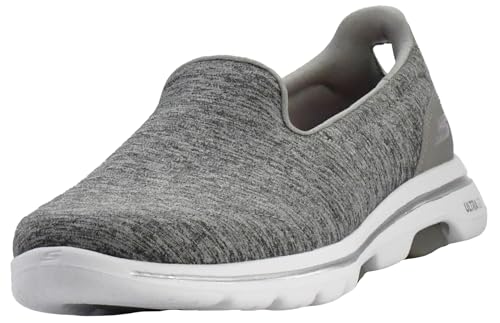
Skechers Womens Go Walk 5 Honor

Skechers Women’s Go Walk Joy Paradise Sneaker

BraceAbility Post Op Shoe (L – Female)

JACKSHIBO Men Slip-In Hands-Free Orthopedic Walking Shoe
More Details On Our Top Picks
Cold sidewalks are where most orthopedic walking shoes give up, so this OrthoComfoot pair earns its spot by leaning into winter rather than ignoring it. The Oxford mid-boot silhouette, leather upper, and ankle-height shaft give it a more structured feel than the sneakers ahead in the lineup, while still reading casual enough for coffee runs.
The wide toe box is the headline feature: toes can splay instead of crowding, which matters a great deal for anyone managing plantar fasciitis, mild swelling, or a long day on their feet. Built-in arch support rounds out a footbed that takes the place of aftermarket insoles for many wearers. The trade-off is bulk: this is not the airy summer sneaker some shoppers want.
Useful Strengths
- Wide toe box reduces forefoot pressure on swollen or sensitive feet.
- Integrated arch support replaces the need for separate orthotic inserts for many wearers.
- Leather upper and ankle height block wind and light moisture on cold commutes.
- Oxford styling transitions from a dog walk to a casual office without looking clinical.
Things To Consider
- Leather requires periodic conditioning to prevent cracking in dry indoor heat.
- Heavier than the Skechers options that follow, which can fatigue tired ankles.
- Warm interior may feel too much for shoulder-season days above 55 degrees Fahrenheit.
Who It Suits Best
Walkers in cold climates who need real arch support and a forgiving toe box for daily winter use.
Swap It Out When
Spring and summer errands suit the Skechers Go Walk 5 Honor, which trades weather protection for cooler, lighter wear.
The Skechers Go Walk 5 Honor is the pair I’d recommend to a friend who walks the dog, runs errands, and stands through a shift without thinking twice about footwear. The breathable heathered mesh upper is the first thing you’ll notice: it vents well enough for summer sidewalks and stretches to accommodate a slightly wider foot.
Beneath that airy upper sits an ULTRA GO cushioning midsole, which is Skechers’ lightweight, responsive foam that absorbs heel strike without feeling mushy. The Air-Cooled Goga Mat insole adds a layer of cushion that springs back step after step, while Comfort Pillar Technology in the outsole supports the arch. For most wearers, this is the smoothest ride in the lineup.
Notable Gains
- Slip-on construction speeds up rushed mornings and post-shift exits.
- Lightweight foam midsole fights fatigue on multi-mile walks.
- Mesh upper breathes well for warm-weather commuters.
- High-rebound insole keeps the bounce consistent across long shifts.
- Durable rubber outsole grips sidewalks and light trails alike.
Honest Caveats
- Mesh upper offers minimal weather protection compared to the OrthoComfoot boot.
- Slip-on collar lacks fine-tune lacing, so very narrow heels may feel loose.
Quick Facts
Made For
Daily walkers and on-their-feet workers who want cushioned slip-on comfort without orthopedic styling.
Consider Something Else When
Cold or wet weather calls for the OrthoComfoot winter boot, which trades breathability for insulation.
The Go Walk Joy Paradise leans even harder into “barely there” walking than the Honor above it. A high-tech mesh upper keeps the fit breathable and pliable, while the 5GEN midsole, Skechers’ lightweight injected foam, cushions each step without the slight bulk you find in some cushioned trainers.
Inside, the Goga Max insole uses a high-rebound formula that returns energy through the gait cycle, which is a polite way of saying each push-off feels a touch springier than expected. For someone logging easy miles on pavement or just chasing a toddler through a park, this is an honest, lightweight option.
What Pays Off
- Low overall weight reduces leg fatigue on long, easy walks.
- Mesh upper ventilates well for hot-weather use.
- Responsive insole keeps the stride feeling lively rather than flat.
- Slip-on silhouette avoids bending down to tie laces.
Points To Note
- Less structured than the Go Walk 5 Honor, so it offers lighter arch support.
- Thin upper dries slowly if caught in rain or morning dew.
Right Fit For
Warm-weather walkers who want an airy, lightweight sneaker and don’t need heavy structural support.
A Better Fit Elsewhere
Walkers needing firmer arch support for long shifts should consider the Skechers Go Walk 5 Honor for its more structured midsole.
This pick lives in a different lane from the rest of the list. The BraceAbility Post Op Shoe is a medical walking boot, not an everyday sneaker, designed for broken toes, stress fractures, and the awkward weeks after foot surgery. It works on either foot and adjusts with hook-and-loop straps, which makes dressing changes far easier than wrestling with laces over bandages.
A rocker sole encourages a natural heel-to-toe roll while keeping weight off the forefoot, and the non-skid tread adds stability on tile and hardwood, common slip zones for anyone limping. The Large size here fits women’s 7.5 to 9.5, and the unisex design means many households can share a single boot for short-term needs.
Key Advantages
- Adjustable straps accommodate swelling and bulky dressings.
- Rocker sole reduces forefoot pressure during healing.
- Non-skid tread improves safety on slick indoor floors.
- Works on either foot, simplifying post-surgery logistics.
Practical Considerations
- Open, medical-grade design is not appropriate as a casual everyday shoe.
- Bulky profile may require one foot’s clothing to be looser to fit over the boot.
- Sizing requires careful chart review before ordering.
Feature Snapshot
Who Should Grab It
Anyone healing from a foot fracture, broken toe, or post-surgical recovery who needs short-term protected mobility.
Look Elsewhere When
Once a doctor clears full weight-bearing activity, the Skechers Go Walk 5 Honor offers a much more comfortable daily stride.
For anyone with a cranky back, a stiff knee, or simply a household where bending down to tie laces feels like a small workout, the JACKSHIBO slip-in design is genuinely useful. The “free up hands” construction means you step in and go, no reaching, no tying, no balancing on one foot. Compared to the Skechers slip-ons above, this one leans even further into true hands-free entry.
The wide toe box and built-in arch support target the same foot concerns as the other picks, with a roomier forefoot for bunions or mild swelling. Heel pull tabs help guide the foot in, which matters when you’re trying not to bend over. The trade-off shows up in style: this reads as a casual orthopedic shoe, not an athleisure sneaker.
Good Reasons To Consider
- True hands-free entry spares the back, knees, and hips.
- Wide toe box suits bunions, mild swelling, and natural toe splay.
- Arch support reduces strain on flat feet during long standing sessions.
- Heel pull tabs aid entry without requiring a deep forward bend.
Small Caveats
- Casual orthopedic styling limits pairing with dressier outfits.
- Hands-free entry depends on the heel collapsing fully, which can feel loose for very narrow feet.
Whose Shelf It Belongs On
Men with mobility limits, chronic back pain, or anyone who simply hates bending down to put on shoes.
Reach For A Different Pick When
Athleisure styling or cooler weather errands suit the Skechers Go Walk 5 Honor, which has a more conventional sneaker look.
What To Weigh Before Choosing Orthopedic Walking Shoes
Fit dictates nearly everything else, so start by measuring your foot at the end of the day when it’s slightly swollen. A thumb’s width of space beyond your longest toe prevents bruised toenails on long walks, and a secure heel stops blisters before they start.
Arch height matters more than most shoppers realize. A foot that flattens fully under load wants a firmer, supportive midsole like the ULTRA GO foam in the Skechers Honor, while a high arch tends to prefer a cushioned, contouring footbed that fills the gap rather than fighting it.
Toe-box width is the silent dealbreaker. Wide, square, or rounded fronts give bunions and swollen joints room to breathe, and they keep toes from being pinched into unnatural positions. This is also why a medical boot like the BraceAbility can feel almost luxurious during recovery: nothing crowds the forefoot.
Think honestly about why you need the shoe. Daily errands and standing shifts call for cushioned slip-ons. Cold commutes point toward a leather ankle boot. Post-surgical weeks call for a rigid, rocker-soled recovery boot. Matching the shoe to the season and the scenario prevents overspending on features you won’t actually use.
Key Considerations Across These Picks
Pitfalls Shoppers Hit
Going by your usual shoe size instead of the brand’s chart is the most common misstep, especially in recovery footwear where the BraceAbility chart matters more than a familiar number. Sizing up to accommodate swelling or bandaging is fine; sizing down for a “snug” fit usually backfires by the second hour.
Another trap is choosing a shoe purely by cushioning feel. A pillow-soft midsole can mask a lack of arch support, and that mismatch tends to surface as new knee or hip discomfort after a week of daily wear. Match cushion to your arch profile, not to the in-store squish test.
Where The Extra Money Goes
Higher-tier walking shoes spend their budget on engineered midsoles, structured heel counters, and breathable upper materials that hold shape after months of use. You feel the difference in the second month of daily wear, when cheaper foams have packed out and the heel has started to lean sideways.
The upgrade also buys gender-specific lasts and wider size runs, which matter for anyone with non-average feet. For a single-purpose use, like a short post-surgery recovery, a basic option is enough. For a year-round daily walker, the structural payoff shows up fast.
Frequently Asked Questions
How long does it take to break in orthopedic walking shoes?
Most cushioned walking shoes, including the Skechers pairs, feel comfortable out of the box with a day or two of short walks, while a stiffer leather boot like the OrthoComfoot winter style may need a week of indoor wear to soften the upper.
Can orthopedic walking shoes help with plantar fasciitis?
Yes, when the shoe offers real arch support and a cushioned heel, both of which ease the strain on the plantar fascia. Pairing supportive footwear with daily calf stretches tends to deliver the most consistent relief.
Should I size up in orthopedic shoes?
Sizing up by a half size is reasonable when you have a wide forefoot or plan to wear thick socks, but going much larger usually creates heel slippage. Use the brand’s chart, especially for the BraceAbility boot, which runs in specific medical sizes.
Are slip-on walking shoes supportive enough?
Modern slip-ons with structured midsoles, like the Skechers Go Walk 5 Honor, can absolutely support daily walking. Pure fashion slip-ons with flat foam, however, often lack the arch contour needed for long-distance comfort.
How often should I replace my orthopedic walking shoes?
Most cushioned walking shoes hold up well for roughly 300 to 500 miles of use, after which the midsole begins to compress and support fades. Tracking miles or paying attention to new aches is the most reliable replacement signal.
Closing Remarks
The right orthopedic walking shoe quietly pays you back in fewer sore mornings and longer, more comfortable days. Match the silhouette to your routine, trust the fit over the label, and your feet will tell the difference within a week.