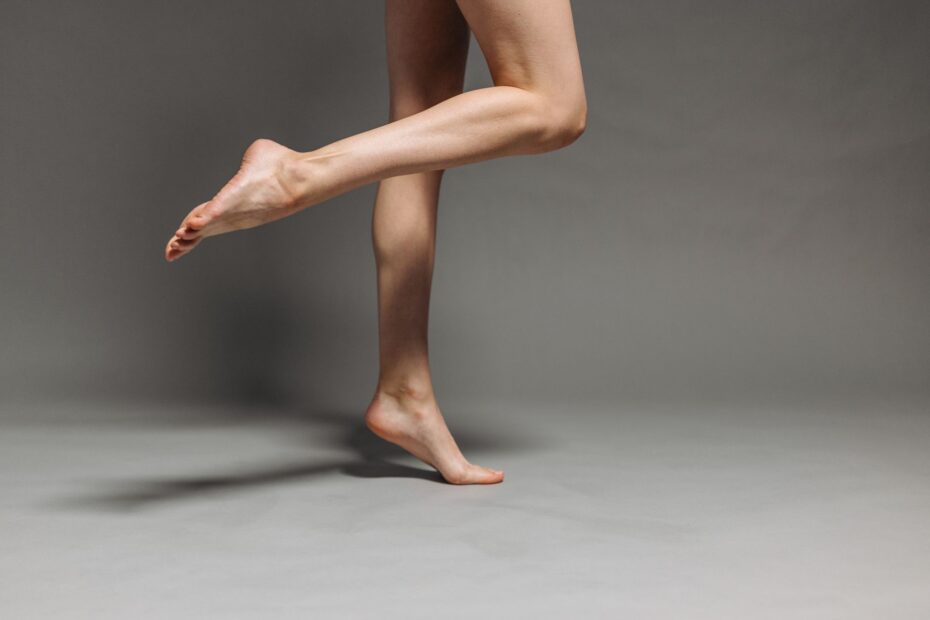
With every step, arch height and flexibility shape pressure, shock absorption, and push-off. Low, neutral, and high arches are not flaws by themselves; your comfort, strength, shoe fit, and symptoms during a mile on pavement matter far more.
You’ll learn how arch shape affects the gait cycle, where pain patterns begin, how shoes alter pressure, and when a podiatrist should examine a changing foot.
The Foot Works as a Spring, Lever, and Load Manager
Each step asks your foot to soften impact and then become firm enough for push-off. The medial arch along the inside of your foot helps spread body weight across the heel, midfoot, and forefoot. Your plantar fascia, calf, ankle, toes, and small foot muscles all share that work.
During a brisk walk, those tissues store force and release it near toe-off. Arch height describes one part of the structure, yet it does not reveal how well your foot moves under load. A low arch with strong calf control may feel better than a high arch in a stiff shoe.
| Arch pattern | Common loading tendency | Possible walking sensation |
|---|---|---|
| Low arch | More inward motion and inner-foot loading | Midfoot fatigue or inner-ankle strain |
| Neutral arch | Load spread across heel, midfoot, and forefoot | Comfort changes with shoes, speed, and terrain |
| High arch | More load at the heel, outer edge, and forefoot | Pressure spots, calluses, or hard-surface soreness |
Your gait also shifts with body weight, ankle mobility, muscle strength, walking speed, route surface, and footwear. A low arch on soft grass can feel very different from the same foot on concrete during a 30-minute commute.
That moving load pattern explains why a footprint alone cannot describe your stride. The next part of the process is the gait cycle, where your foot changes shape from landing through toe-off.
The Gait Cycle Changes Pressure From Heel Contact to Toe-Off
Pressure moves across your foot rather than staying in one place. At landing, your foot needs enough motion to meet the surface. Near toe-off, it needs a firmer lever so your calf and toes can move your body ahead.
- Heel contact: Your heel meets the ground and begins accepting body weight.
- Loading response: The arch lowers slightly as your foot adapts to pavement, grass, or uneven ground.
- Mid-stance: Your body passes over the planted foot while muscles control inward and outward motion.
- Toe-off phase: The arch firms up, helping your calf and toes move you forward.
Pronation is the inward rolling motion that occurs while your foot accepts load. It is part of normal shock absorption, not a diagnosis. Pain appears when the motion is excessive, restricted, poorly timed, or paired with weak control through the ankle and calf.
Supination is an outward bias that helps form a firmer lever near push-off. Too little yielding can send extra force into your heel, forefoot, shin, or knee. Too much inward movement can shift load toward the inner ankle and midfoot.
A static arch label cannot show that timing. Your foot may look low while standing, then form a stable lever during movement, while a high arch may look strong yet stay too rigid on a hard surface.
Low Arches Range From Flexible Flat Feet to Progressive Collapse
Flexible Flat Feet Can Stay Comfortable
Flat feet, also called pes planus, may flatten further while standing and rise again while you sit or lift onto your toes. That flexible pattern allows more pronation and can place extra load along the inside border of your foot.
How flat feet affect walking depends on control rather than appearance alone. You can have visibly flat feet, walk long distances, and feel no pain. A stable ankle, mobile calf, and well-fitted shoe can keep added inward motion from irritating nearby tissue.
Some walkers feel fatigue through the midfoot after a long route, while others notice soreness behind the inner ankle after hills. Those symptoms can reflect added load on the posterior tibial tendon, which helps lift and steady the inner foot during push-off.
New Flattening Needs Medical Attention
A newly dropping arch differs from a lifelong low arch. Posterior tibial tendon dysfunction involves a tendon that helps control the inner foot. Pain or swelling behind the inner ankle can make your push-off feel weak, uneven, or awkward.
Collapsed arch symptoms include inner-ankle soreness, midfoot fatigue, swelling, widening through the midfoot, and a heel that drifts outward. Your foot may also feel less steady during stairs or uneven ground because the arch no longer firms up as well near toe-off.
Age can bring gradual flattening as tendons, ligaments, foot strength, and calf mobility change. A painless slow change does not automatically mean injury. New flattening on one side, however, deserves medical attention rather than a self-directed shoe change.
New flattening on one side, especially with inner-ankle swelling or weaker push-off, warrants an exam by a podiatrist or another qualified medical clinician.
High Arches Shift Pressure Toward the Heel and Outer Foot
Pes Cavus Creates a More Rigid Landing
A high arch may resist flattening under load. Pes cavus describes a high arch that can leave less shock absorption through the middle of your foot. The stiffness that helps create a firm toe-off can also make hard surfaces feel harsher.
How high arches affect walking becomes clear at the heel, outer forefoot, and little-toe side. You may see thick calluses beneath the ball of your foot or wear along the outer shoe edge. Tile, concrete, and long downhill routes can expose that pressure pattern quickly.
Your foot may feel stable on a smooth indoor floor because it does not roll inward much. On a sloped trail or broken sidewalk, reduced adaptability can leave your ankle working harder to correct each landing.
Rigidity Has a Trade-Off
Repeated ankle sprains, heel soreness, metatarsal pain, and outer-foot blisters fit this pattern in some walkers. High arches do not explain every ankle sprain, yet a rigid outer-loading foot can make a sideways misstep harder for you to correct.
Numbness, clawing toes, marked weakness, or a family history of a similar foot shape needs clinical attention. Cavus foot can accompany nerve conditions, so a medical exam matters more than adding extra cushioning without knowing the cause.
A rigid arch paired with numbness, toe clawing, weakness, or repeated ankle rolling deserves a clinical exam before you rely on footwear changes alone.
Neutral Arches Do Not Promise Pain-Free Walking
A moderate-looking arch may spread pressure more evenly, yet it cannot promise a comfortable stride. Your knee, hip, and lower back still respond to stride length, ankle range, surface hardness, and the way your shoes hold your heel.
Flat feet vs high arches has no universal winner. A low arch can work well where inward motion stays controlled and painless. A high arch can work well where cushioning and ankle stability fit the demands of your route.
| Walking finding | Possible source | Useful next step |
|---|---|---|
| Knee ache after hills | Load may be moving upward from the foot | Review stride, ankle range, and footwear response |
| Shin soreness on hard paths | Impact management may be poor | Review cushioning and gradual distance changes |
| One-sided arch pain | A local tendon or tissue issue may be present | Seek medical care when symptoms persist |
Arch-related loading can contribute to plantar fasciitis, shin pain, knee pain, or back discomfort, yet an arch label does not prove the source. Your symptom location, walking tolerance, injury history, and side-to-side changes tell a fuller story than the word neutral.
Plantar fasciitis, for example, involves irritation near the plantar fascia attachment at the heel. A low or high arch may alter load there, but tight calves, sudden mileage changes, and hard surfaces can also play a part.
Because arch shape is only one contributor, wear patterns and symptoms help narrow the likely cause.
Footprints, Shoe Wear, and Symptoms Offer Useful Clues
A wet footprint shows how much of your midfoot touches the floor during quiet standing. It does not show how your arch behaves across a full gait cycle. Your foot can look low under body weight and still form a useful lever during movement.
- Wet footprint: Check the midfoot bridge, then avoid treating the print as a diagnosis.
- Standing shape: Compare both feet for a new difference in arch height or heel position.
- Shoe wear: Look for uneven heel abrasion, but do not use shoe wear alone to label pronation.
- Callus location: Inner and outer forefoot thickening point to different pressure zones.
- Walking log: Record distance, route surface, pain timing, instability, and side-to-side differences.
Your foot posture changes while sitting, standing, and walking, so home checks have limits. Pain lasting beyond several weeks, shrinking walking distance, or a changing outline on one foot warrants a closer look.
A podiatrist can watch heel position, ankle motion, toe strength, and push-off while you walk. That view reveals details a mirror, wet footprint, or worn shoe sole cannot show. The American Podiatric Medical Association identifies podiatrists as specialists in foot and ankle conditions.
Once serious causes are ruled out, footwear choices can focus on how your foot behaves while walking.
Walking Shoes and Insoles Should Match Your Function
Fit Matters More Than a Tall Arch Contour
A tall arch bump inside a shoe does not make the shoe right for you. A useful pair holds your heel securely, leaves room for toe spread, stays comfortable through a full walk, and does not create a new pressure point after 20 minutes.
Walkers with low arches may prefer a stable platform or a structured insole where inward motion feels tiring. High-arched walkers may prefer more cushioning and pressure relief beneath the heel and forefoot. Neutral arches may suit either direction based on terrain and symptoms.
| Walking concern | Feature to try | Fit check |
|---|---|---|
| Inner-foot fatigue | Stable base and gentle arch contour | Your heel stays centered without pinching |
| Heel or forefoot pressure | More cushioning and a roomy toe box | Your toes do not strike the front on hills |
| Repeated ankle rolling | Secure heel counter and broad platform | Your foot does not slide sideways inside the shoe |
Brooks and HOKA each make shoes with different cushioning and stability levels, so a brand label tells you little by itself. Arch support shoes for walking work only where their shape matches your foot and your symptoms ease during and after your route.
Wear a new insole for short walks before using it for a long outing. A contour that feels fine for five minutes can press too hard beneath your arch after 30 minutes, especially where your foot is not used to firm contact.
When fit adjustments do not settle symptoms, building capacity and seeking evaluation become practical next steps.
Strength Work and Medical Care Help You Respond to Symptoms
Comfort improves more reliably through gradual changes than through forcing your foot into a new shape. Keep distance increases modest, work on calf and ankle mobility, and use foot exercises that train control rather than gripping.
- Increase distance slowly: Add small amounts of walking and pause increases during a pain flare.
- Mobilize your ankle: Stretch a tight calf with your heel down and knee moving forward.
- Train foot control: Lift your arch gently without curling your toes or gripping the floor.
- Use heel raises: Rise slowly on both feet, then lower with steady control.
- Review shoe response: Keep the pair that reduces symptoms during and after your route.
Exercises can improve muscle control, strength, and comfort, but they do not reliably rebuild every structural arch to a new lasting height. Foot arch type and walking response give you practical feedback: less pain, steadier push-off, and greater distance are useful signs.
Persistent pain, progressive flattening, numbness, weakness, repeated ankle sprains, worsening calluses, swelling, or trouble walking normally warrant professional care. The American Academy of Orthopaedic Surgeons also identifies foot and ankle specialists as suitable sources for tendon, alignment, and mobility concerns.
What Your Arch Pattern Means for Daily Walking
Your arch is part of a moving system, not a scorecard. Low, neutral, and high arches change pressure distribution and impact handling, yet comfort, control, and symptom patterns reveal far more about what your feet need.
Start with shoes that fit your heel and toes, gradual distance changes, and focused strength work. Seek medical care for a painful foot that is changing shape, losing push-off strength, or limiting your normal walking routine.
FAQ
Is it better to have flat feet or high arches?
Neither shape is better for every person. Flat feet can work well with controlled pronation and no pain, while high arches can work well with enough cushioning and ankle stability. Your walking comfort, endurance, and injury history matter more than the height of your arch.
How do flat feet change the way you walk?
Low arches can allow more pronation as your foot accepts body weight. That can shift pressure toward the inside of your foot and ankle, though flexible flat feet can remain comfortable for years without an abnormal gait or injury.
Can high arches cause foot pain when walking?
High arches can reduce shock absorption and focus pressure beneath your heel, outer forefoot, and outer shoe edge. You can develop calluses, heel soreness, metatarsal pain, or ankle instability, especially on hard surfaces or uneven ground.
Can you rebuild the arches in your feet with exercises?
Foot exercises can strengthen muscles, improve control, and reduce strain during walking. They do not reliably raise every structural arch to a new lasting height, particularly where tendon changes, ligament laxity, or a longstanding foot shape drives the arch pattern.
Do foot arches flatten with age?
Over the decades, changes in tendons, ligaments, calf flexibility, and foot strength can allow arches to flatten. Gradual painless flattening can be harmless, but new one-sided collapse, inner-ankle pain, swelling, or weak push-off needs medical evaluation.
Which shoes work well for arch support while walking?
The right shoe fits your heel securely, gives your toes room, and improves comfort during a full walk. Low-arched feet may favor stability features, while high-arched feet may favor cushioning, but your symptom response matters more than a tall arch contour.