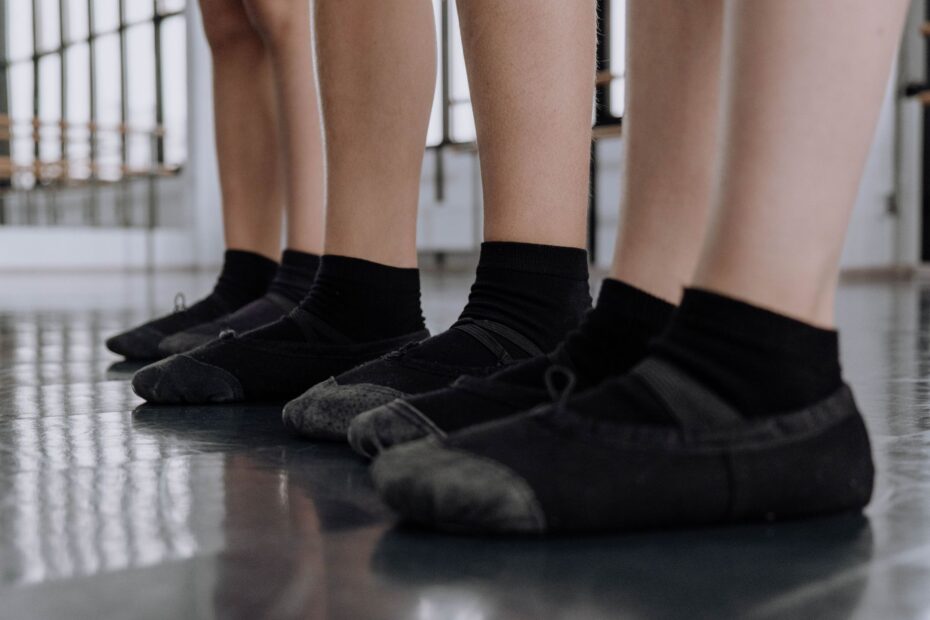
Shoe collar height, interior space, activity, weather, and dress code determine the sock’s thickness, fabric, height, and finish. Your sock should protect skin without crowding the shoe, whether you wear loafers, Sneakers, Boots, or Dress shoes.
Your daily footwear calls for different coverage and materials. This practical overview helps you sort out sock height, cushioning, color, and fit for work, exercise, travel, and casual outfits.
The Five Factors That Determine a Good Sock Match
The shoe collar sets the minimum sock height. Fabric that ends below the collar can slip down and leave your ankle against leather, canvas, or stiff synthetic lining during a long walk.
Start with the contact point between your shoe and skin. A No-show sock suits a low vamp, while Crew socks and Over-the-calf socks protect areas that taller footwear covers.
Shoe volume sets sock thickness
Space inside the shoe matters as much as the sock itself. A close-fitting Dress shoe leaves little room for a thick Cotton sock, while a roomy trail shoe can feel loose with a thin dress sock.
Your foot should fill the shoe without squeezed toes, folded fabric, or heel lift. Sock thickness changes the usable space inside every pair, so your footwear should still feel stable after you put socks on.
Activity and setting shape the final choice
A black-tie dinner, a humid commute, and a four-mile walk place different demands on your feet. Dress shoes need a smooth, low-bulk surface, while athletic shoes need sweat control and padding where repeated impact lands.
Those functional differences also influence how much ankle coverage each shoe calls for.
- Collar height: Choose fabric that rises above the shoe edge where your ankle meets the collar.
- Shoe volume: Wear thin socks in narrow footwear and fuller socks in Boots or roomier Sneakers.
- Movement level: Add heel and forefoot padding for running, walking, work shifts, and trails.
- Temperature needs: Pick breathable synthetic blends for heat and Merino wool for changing outdoor conditions.
- Dress code: Keep Dress socks smooth and slim, then reserve patterns for a deliberate outfit detail.
Try a new sock-and-shoe pairing indoors for 10 minutes. A hot spot at your heel or little toe can appear before a full day turns it into a blister.
Sock Heights Matched to Common Shoe Styles
Collar height solves rubbing, but the visible sock edge also changes your outfit. No-show socks sit below low-cut shoes, while taller footwear needs fabric that extends beyond the rim.
Height is not only about appearance. A sock that stops at the wrong point can bunch, slide, or expose the exact area that rubs against the shoe collar.
Low-cut shoes need discreet coverage
No-show socks for loafers, boat shoes, slip-ons, and low-profile Sneakers create a sockless appearance without placing bare skin against the shoe. A deep vamp, shaped heel pocket, and silicone heel grip help the sock stay in place.
For instance, tan leather Loafers with cropped chinos look cleaner with a no-show style that stays below the vamp. An Ankle sock can interrupt the bare-ankle line by showing above the shoe.
| Shoe style | Useful sock height | Reason for the pairing |
|---|---|---|
| Loafers and boat shoes | No-show | Keeps the sock out of sight while covering your foot inside the shoe. |
| Slip-ons and low-profile sneakers | No-show or ankle | Choose no-show for exposed ankles and ankle height for added coverage. |
| Running and casual sneakers | Ankle or quarter | Covers your heel and ankle without extra calf fabric. |
| Hiking boots and work boots | Crew or boot-height | Extends past the collar and limits rubbing around your ankle. |
| Dress shoes with trousers | Over-the-calf or mid-calf | Keeps calf skin covered while you sit or cross your legs. |
Taller footwear needs a taller barrier
Crew socks and boot-height styles suit hiking boots and work Boots because the fabric covers the area that meets the collar. Your socks for boots and hiking shoes should rise high enough that leather does not touch bare skin.
Over-the-calf socks suit formal trousers in offices, ceremonies, and evening settings. Your trouser hem can shift while sitting, and visible calf skin interrupts the line between trousers and Dress shoes.
Once coverage suits the shoe, fabric weight determines whether the pairing stays comfortable through the day.
Materials and Cushioning for Weather and Activity
Height handles collar friction, yet fabric changes what happens inside that covered space. Sweat trapped against your foot softens skin, while cold damp fabric can make a short walk feel uncomfortable.
Your material choice should follow heat, movement, and shoe volume. Thick fibers add insulation and padding, while lighter fibers take up less room inside narrow footwear.
Fiber choice controls moisture and temperature
| Material | Useful setting | Trade-off |
|---|---|---|
| Moisture-wicking synthetic blends | Gym shoes, running shoes, hot commutes | Dries quickly, though some pairs retain odor after hard wear. |
| Merino wool | Hiking, travel, cold weather, long outdoor days | Helps with temperature changes, though heavy styles add bulk. |
| Cotton socks | Low-activity casual wear | Feels soft, though damp cotton stays wet longer during heavy sweating. |
Moisture-wicking synthetic blends move perspiration away from skin and dry faster than Cotton socks. Nike, Feetures, and Balega make athletic styles with synthetic yarns and targeted cushioning for repeated foot strike.
Merino wool works well inside hiking boots, travel shoes, and winter footwear because it handles changing temperatures. Smartwool and Darn Tough use merino-rich constructions, though your shoe still needs room for the added thickness.
Cushioning belongs at pressure zones
Your heel and forefoot take repeated impact during running and brisk walking. Padding under those areas softens contact, while a thinner instep panel leaves more room for airflow inside the shoe.
Dress socks call for the opposite approach. Thin, smooth fabric sits flatter under a leather insole and keeps bulky terry loops from pressing against your forefoot.
Fit Details for Slipping, Bunching, and Blister Control
A strong fabric choice still falls short when loose material gathers beneath your toes. The sock should lie smooth from toe to heel, with the heel pocket wrapped around your heel rather than twisted toward the side.
Fit problems become clear during movement. A sock that feels fine while standing can shift once your foot bends, pushes off, or slides forward inside the shoe.
Foot movement reveals a poor fit
Too much fabric folds under the forefoot and forms a pressure ridge. Too little thickness leaves extra shoe space, allowing your foot to slide against the lining with each step.
Your socks should feel secure without leaving a deep cuff mark after normal wear. Bombas uses shaped heel pockets in several styles, showing why a flat tube sock can slip more easily than fabric shaped around your heel.
- Check the heel: Seat the heel pocket under your heel before lacing shoes or leaving home.
- Smooth the toe: Pull fabric flat across the forefoot so no ridge sits beneath your toes.
- Check shoe space: Walk across a room and watch for toe pressure, heel lift, or side-to-side sliding.
- Choose smooth seams: Pick seamless or low-profile toe construction for runs, long walks, and repeated motion.
- Replace worn pairs: Retire no-show styles with loose elastic or failed heel grips before they fall into your shoe.
How should socks fit becomes clear during motion rather than while you stand still. Bend your knee, climb stairs, and walk on carpet; fabric that stays smooth through those movements is less likely to become a friction point outdoors.
Do not force a thick athletic sock into a narrow Dress shoe. Added bulk can press your toes together, crease the sock, and make a polished shoe feel wrong within minutes.
Color and Pattern Rules for Casual and Formal Outfits
Once your sock stays in place, its visible section becomes part of the outfit. With Dress shoes, matching sock color to your trousers creates a continuous vertical line from knee to shoe.
Color works differently with Sneakers because casual outfits allow more contrast. Your sock can repeat a shade from the shoe, shirt, cap, or jacket without disrupting the outfit.
Formal outfits favor restraint
Navy trousers pair cleanly with navy Dress socks, charcoal trousers with charcoal, and black trousers with black. Your shoes do not need an exact sock match because trouser color carries the visual line farther up the leg.
A small pattern can work in a business setting when one color repeats from your shirt, tie, jacket lining, or pocket square. Fine dots and narrow stripes read as accents, while large graphics can pull attention toward your ankles.
Sneakers allow a wider visual range
White athletic socks work with white leather Sneakers, gym shoes, and relaxed shorts. Neutral Crew socks suit denim and retro runners, while a graphic pair works better with plain shoes and quieter clothing.
- Match trousers first: Use trouser color as the base for Dress socks rather than shoe color alone.
- Repeat one color: Pull a single shade from your shirt, tie, or jacket into a patterned sock.
- Respect shoe shape: Pair sleek oxfords with thin socks and reserve padded textures for casual footwear.
- Use white intentionally: Wear white athletic socks with Sneakers rather than formal leather shoes.
- Check the cuff: Keep every visible sock intentional in height, color, and condition.
Bulky athletic socks clash with sleek Dress shoes even in the right shade. Their texture changes the shoe profile and can crowd a narrow trouser opening around your ankle.
Putting those visual rules beside comfort and fit makes a small rotation easier to build.
A Practical Sock Plan for Everyday Footwear
A small rotation based on the shoes you wear keeps your drawer from filling with pairs that have no clear role. Choose coverage, fabric, and cushioning around your routine instead of filling every slot with the same style.
This approach gives each pair a job. Your casual shoes, athletic footwear, Boots, and formal shoes need different amounts of fabric, padding, and visible coverage.
A focused rotation covers common routines
- Low-cut casual shoes: Keep no-show pairs with shaped heels for Loafers, boat shoes, slip-ons, and low-profile Sneakers.
- Athletic footwear: Keep moisture-wicking Ankle socks with heel and forefoot cushioning for training and walking.
- Boot days: Keep Crew or boot-height Merino wool socks for work Boots, hiking boots, and colder outdoor time.
- Formal footwear: Keep thin Dress socks in navy, charcoal, and black for trousers and leather shoes.
- Long travel days: Keep properly sized compression socks for flights, standing shifts, or recovery routines.
Compression socks use firmer knit pressure around the lower leg. Your size and compression level matter, and circulation concerns, diabetes, arterial disease, or unexplained leg swelling call for clinical advice before regular wear.
Final checks catch preventable problems
Socks with sandals are a style choice rather than a default. Clean Crew socks can look deliberate with slides or casual sandals, but a sagging Ankle sock makes the pairing look unfinished.
Before leaving home, check that your sock stays in place, does not crowd the shoe, and suits the setting. That three-part check gives you a practical way to choose socks for different shoes without making a basic layer the weak link of your outfit.
What to Remember
Your shoe sets the limits, and your sock fills the space between foot, footwear, and outfit. Start with collar height and interior room, then choose fiber for sweat and weather, cushioning for movement, and a finish that suits the clothes around it.
Comfort and appearance stop competing once each pair has a clear job. Your feet need protection from friction, while your outfit needs the right amount of visible coverage.
FAQ
What type of socks should you wear with sneakers?
Choose Ankle socks or quarter socks for most Sneakers because they cover your heel and collar without extra calf fabric. Your running or walking shoes benefit from Moisture-wicking synthetic blends, a smooth toe, and cushioning under the heel and forefoot.
Can you wear no-show socks with dress shoes?
Exposed ankles pair best with loafers or casual slip-on dress shoes when the outfit calls for a lighter look. Traditional lace-up oxfords and formal trousers look cleaner with thin Dress socks because calf skin can show while you sit or walk.
What socks work well with hiking boots?
Merino wool crew or boot-height pairs rise above a hiking boot’s collar and help manage changing temperatures. Your pair should have smooth toe construction, firm heel placement, and enough cushioning for the distance and terrain.
Should socks match your shoes or your pants?
A dress sock matched closely to your trousers creates a longer visual line than one matched to the shoe. Sneakers allow more freedom, so your socks can repeat a color from the shoe, shirt, cap, or jacket.
How do you keep socks from slipping off your heel?
Choose no-show socks with a deep heel pocket, silicone grip strip, and elastic that springs back after stretching. Your heel should sit fully inside the pocket; worn elastic, a shallow cut, and an oversized sock all make slipping more likely.
Are cotton socks good for sweaty feet?
Cotton socks feel soft for calm, low-activity days, but they hold moisture longer during workouts, hot commutes, and long walks. Your feet stay drier in Moisture-wicking synthetic blends or Merino wool because both materials move moisture away from skin.