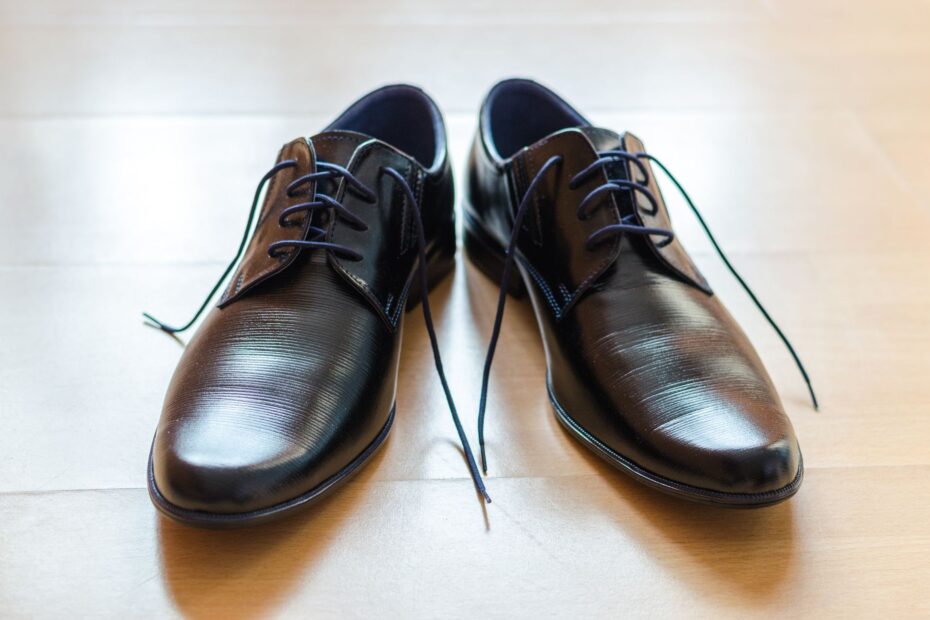
After each wear, removing grit, drying moisture slowly, conditioning dry smooth leather sparingly, and repairing small faults helps prevent premature damage. Your shoes stay flexible and presentable through regular attention between wears, not through an occasional high shine.
This practical routine covers smooth leather, suede and nubuck care, wet commutes, salt stains, storage, polishing, and repair choices for shoes you want to keep wearing.
Daily Habits Reduce Wear Before Products Are Needed
Dry grit dulls the finish
Dust becomes abrasive after it mixes with street grit and rubs across the vamp with each step. That friction dulls the finish, deepens creases, and can wear thin spots into full-grain leather. Your after-wear routine removes that layer before the pair goes back into a closet or shoe bag.
Moisture creates a quieter problem inside the shoe. Perspiration reaches the lining and insole, while rain enters through seams, tongues, and openings around your ankle. Trapped dampness can leave leather stiff after drying and can contribute to odor.
A five-minute after-wear routine
- Brush the upper: Use a horsehair brush for 20 to 30 seconds per shoe, working around welts, seams, and the tongue.
- Open the shoe: Loosen the laces and pull the tongue forward so interior moisture can move into room air.
- Insert shoe trees: Cedar shoe trees hold the toe box open and absorb some moisture from the lining.
- Rest at room temperature: Leave shoes uncovered on a shelf, away from a radiator, sunny sill, or sealed plastic bin.
- Rotate pairs: Give each pair a full day away from your feet before another full day of wear.
Place shoe trees in your shoes after they come off, not the next morning. Creases can set deeper while warm leather cools without internal support.
Shoe rotation gives moisture time to leave the leather, lining, and insole. You reduce odor and slow shape loss by alternating two pairs through the workweek. Your dress oxfords can hold their toe spring better than a pair worn five damp days in a row.
That rest period also makes later cleaning easier. A dry surface releases dust under a brush, while damp grit can smear into seams and around the welt.
That simple routine also reveals whether the leather needs a cleaner, conditioner, or no product at all.
Product Choices Depend on Leather Type and Finish
Smooth leather products have separate jobs
A clean, dry upper gives each product a clear role. A microfiber cloth, horsehair brush, mild leather cleaner, leather conditioner, shoe cream, wax polish, and waterproofing spray cover the main tasks for smooth leather. Your results improve when each product serves its intended purpose instead of doing every job with one tin or bottle.
| Product | Primary role | Use it when |
|---|---|---|
| Leather conditioner | Restores flexibility | Leather feels dry, stiff, or less supple |
| Matching shoe cream | Refreshes color and softens scuffs | Color looks faded or toe scuffs show pale marks |
| Wax polish | Adds shine and light water resistance | You want a polished toe or heel counter |
| Waterproofing spray | Helps water bead on suitable leather | Rain exposure is part of your regular route |
Leather conditioner adds moisture and flexibility, but it does not restore faded pigment. Shoe cream contains color, so it can soften pale scuffs and revive a worn toe. Wax polish creates shine and a light barrier, though thick layers can crack across a flexing vamp.
Saphir, Kiwi, Bickmore, and Lexol label products for different leather tasks. Check the leather type and finish directions before using a product. Your matching cream shade can blend shallow abrasion more effectively than neutral cream, while neutral cream reduces the chance of color transfer on light leather.
Suede, nubuck, patent, and soles need different care
Suede and nubuck have raised fibers called nap. Cream and wax polish can flatten that texture, leave dark patches, and turn a soft finish slick. Your suede brush or dedicated suede cleaner should touch the surface only after it has dried.
Patent leather has a coated shine rather than an exposed grain. Wipe it with a soft damp cloth, then dry it straight away. Avoid conditioner, cream, and wax polish unless the product label names patent leather.
Leather sole care belongs in a separate category. A leather sole wears through ground contact, not from a lack of wax on the upper. Your cobbler can fit a thin sole guard before wet pavement wears heavily through the forefoot.
Waterproofing spray belongs on leather suited to that product. Heavy wax layers can darken pale leather and restrict the soft feel of the upper.
Cleaning and Polishing Smooth Leather in the Right Order
Remove dirt before cream or wax
Color cream can trap dirt against the finish when it goes onto an unclean shoe. This sequence for how to clean leather shoes keeps grit away from the leather before conditioner, cream, or wax reaches the upper.
- 1. Remove laces: Take out laces on shoes with dusty eyelets or a heavily marked tongue so your cloth can reach the leather.
- 2. Brush dry debris: Work a horsehair brush across the upper, welt, heel edge, and seams with light strokes.
- 3. Spot-clean marks: Put mild leather cleaner on a microfiber cloth rather than directly on the shoe, then rub small areas gently.
- 4. Wipe residue: Use a separate barely damp cloth to lift remaining cleaner without soaking the leather.
- 5. Air dry fully: Leave the pair at room temperature until the surface no longer feels cool or damp.
Soap and water are a poor default for leather shoes. Household soap can strip surface oils, while excess water can move past the finish and into seams. Your cloth should be damp rather than wet, and a leather cleaner is more suitable for grime on smooth leather.
Drying matters as much as cleaning. A shoe that still feels cool near the tongue, lining, or toe box needs more time in open air before you add conditioner or polish.
Condition lightly and restore color after cleaning
Smooth leather needs conditioner after cleaning only where it looks dry, feels stiff, or loses flexibility around the vamp. Put a pea-sized amount on a cloth, work it into one shoe, and wait several minutes before buffing. Your leather should feel supple, not slick or coated.
Excess leather conditioner leaves residue, attracts dust, and can make structured leather too soft. For a dress shoe with a firm toe box, light coverage is safer than repeated heavy layers. You can add a little more only after the leather has absorbed the earlier amount.
After conditioning, shoe cream restores color and reduces the appearance of shallow scuffs. For example, a dark scrape across a brown derby toe can blend into the surrounding finish after a thin layer of medium-brown cream and a horsehair buff. Your neutral cream works on color-sensitive leather, but it will not restore faded pigment.
Wax belongs on selected areas
Wax polish gives toe caps and heel counters a sharper shine, along with modest resistance to light moisture. Use thin layers and buff between them. Your flexing vamp needs flexibility more than a glassy finish.
Thick wax can crack at bend points and leave cloudy buildup around stitching. Keep wax away from suede, nubuck, and leather that has not fully dried after cleaning. A waterproofing spray can follow on suitable smooth leather after the finish has settled.
This order explains how to polish leather shoes without hiding dryness beneath shine. Cream restores color, wax sharpens selected areas, and brushing keeps dust from grinding into the finished surface.
A Care Schedule Follows Wear, Weather, and Warning Signs
Visible changes set the pace
Fresh wax does not mean your leather needs more product. Dullness, a dry feel, fading color, surface grime, deeper creases, and weak water beading tell you more than a fixed monthly schedule. Your climate, commute, and shoe rotation all change the interval.
| Task | Normal office wear | Rain, dust, or winter exposure |
|---|---|---|
| Brush and air out | After each wear | After each wear |
| Surface cleaning | After visible grime appears | After muddy or salty exposure |
| Conditioning | At dry-feel warning signs | After drying and cleaning leave leather depleted |
| Cream or wax polish | Before a polished occasion | After recovery from grime and drying |
| Repair inspection | Every few wears | After slips, soaking, or sole damage |
Dry indoor heat can pull moisture from leather faster than a humid summer commute. Rainy routes call for more cleaning and air drying, while salt-treated winter streets call for attention after each exposure. Your shoes need a response to their current condition, not repeated conditioner on a calendar.
A practical leather shoe care routine has five parts: after-every-wear brushing, cleaning after visible grime, conditioning at dry-feel signs, seasonal weather protection, and repair checks before sole or heel wear spreads. You can keep that rhythm without turning shoe care into a weekly polishing ritual.
Weather changes the protection plan
Waterproofing spray helps water bead on suitable leather, but it does not make dress shoes suitable for standing in slush. Allen Edmonds and Red Wing Shoes make footwear across different leather types, which shows why a dress calfskin oxford and a work boot need different levels of weather protection.
For how to protect leather shoes from water, start with a dry, clean upper and a product made for that finish. Your rainy commute still calls for prompt drying afterward because water can enter through seams, tongues, welts, and the opening around your ankle.
Light, even passes are safer than soaking the upper with spray. Let the product dry in open air before wearing the shoes outside. Pale leather, suede, and nubuck need material-specific products because a smooth-leather spray can change their color or texture.
Warning signs become more useful when each problem is matched to a response that will not damage the material.
Wet Shoes, Salt Marks, Scuffs, and Odor Need Targeted Care
Slow drying protects the leather shape
A soaked shoe needs time rather than heat. Blot water with a clean towel, insert cedar shoe trees, or loosely fill the toe with plain paper. Then leave the pair in open air at room temperature until the lining and upper are dry.
Radiators, hair dryers, vents, and direct sun push water out too quickly. Rapid drying can stiffen leather, shrink the upper around the last, and start cracks along existing creases. Your hands should feel no cool dampness inside before the pair returns to rotation.
Paper can help a shoe hold its shape during the early drying period, though it should not be packed tightly. Cedar shoe trees work well after surface moisture has been blotted because they support the toe box while the interior dries.
Surface problems need material-specific responses
- Salt stains: Let the shoes dry, wipe marks with suitable leather cleaner, then air dry before light conditioning on smooth leather.
- Minor smooth scuffs: Brush away grit, then use matching shoe cream to soften contrast around the scrape.
- Suede marks: Brush the dry nap with a suede brush rather than using cream polish or wax.
- Interior odor: Air shoes out for a full rest period and leave cedar shoe trees in place.
- Deep cuts: Stop polishing over exposed leather and take the pair to a cobbler for repair advice.
Salt stains pull at the finish and can leave pale rings that polish cannot hide cleanly. Gentle cleaning comes before cream. You can condition smooth leather lightly after cleaning where it feels depleted, but suede and nubuck should stay away from conditioner meant for smooth uppers.
Scuff depth changes the repair choice. A pale surface mark can fade with shoe cream, while torn grain, exposed raw leather, or a lifted finish needs a cobbler’s assessment. Your polish can improve color, but it cannot rebuild missing leather.
Storage and Repair Choices Protect Shoe Structure
Long storage starts with clean, dry shoes
Long storage magnifies whatever sits on the shoe surface. Brush off dirt, dry the shoes fully, insert shoe trees in structured pairs, and place them in a breathable fabric bag or on an open shelf. Your closet should stay away from prolonged heat, direct sunlight, and damp sealed containers.
Plastic boxes can trap moisture around leather and linings. Sunlight can fade one side of a toe cap or quarter, while heat dries the oils that keep smooth leather flexible. Cobbler’s Choice and similar care labels sell sprays and cleaners, but no bottle can repair damage from months in a hot car trunk.
Store suede away from direct sun and rough surfaces that can crush the nap. Your shoe trees should fit the shoe’s length without forcing the heel counter outward or stretching the upper.
Early repairs cost less than structural damage
- Loose sole edges: Visit a cobbler before dirt and water enter the gap and weaken the bond.
- Uneven heel wear: Replace heel lifts before the worn edge reaches the stacked heel block.
- Broken stitching: Repair split seams before the upper pulls away from the welt or lining.
- Thin leather soles: Add a sole guard or plan resoling before a hole reaches the insole.
- Exposed outsole layers: Stop wearing the pair on wet pavement until a cobbler inspects the damage.
Polish improves appearance, but it cannot reattach a separating sole or rebuild a worn heel. Prompt cobbler work can include heel replacement, stitching repair, a sole guard, or resoling where the shoe construction allows it. Your repair choice is less disruptive before the upper loses shape from walking on an unstable base.
Leather sole care deserves close attention on shoes worn in rain or on rough pavement. A sole guard can protect the forefoot, while a cobbler can tell you whether the sole still has enough material for repair. Your upper may still look excellent while the sole has reached its limit.
Final Care Priorities for Leather Shoes
A timely routine matters most: brush away grit after wear, let moisture escape, condition dry smooth leather lightly, and address structural wear before it spreads. Your shoes do not need constant shine. They need dry air, suitable products, shoe rotation, and attention while a small flaw remains manageable.
Start with the habits that protect every pair: a horsehair brush, cedar shoe trees, open-air drying, and a second pair for rotation. Then match cleaners, creams, waxes, and waterproofing spray to the material in front of you. Your suede, nubuck, smooth leather, patent leather, and leather soles should not receive the same treatment.
FAQ
How often should you clean and condition leather shoes?
Brush shoes after each wear, then clean smooth leather after visible grime, mud, salt stains, or a dull buildup appears. Condition only after the leather looks dry, feels stiff, or loses flexibility around the vamp. Your office pair may need little conditioner across many wears, while repeated rain recovery or dry indoor heat can move that need forward.
What is the difference between leather conditioner, shoe cream, and wax polish?
Leather conditioner restores flexibility to dry smooth leather. Shoe cream adds pigment that can revive faded color and soften shallow scuffs. Wax polish gives selected areas such as toe caps and heel counters more shine and light water resistance. Your shoe may need only one of these products at a given time.
Can you clean leather shoes with soap and water?
Repeated wetting can leave leather dry, streaked, or oversaturated, especially around seams and toe creases. Use mild leather cleaner on a cloth, then lift residue with a barely damp cloth. Your shoe should dry at room temperature before conditioner, cream, or wax touches the upper.
How do you remove scuffs from leather shoes?
Brush away loose grit before working on a scuff, then use matching shoe cream on minor surface marks. Your cream should blend the faded area into the surrounding color rather than cover a deep cut. Exposed raw leather, torn finish, or lifted grain calls for cobbler attention.
Should you use shoe trees in leather shoes?
After wear, cedar inserts help structured leather footwear retain its shape and absorb some interior moisture. Insert them soon after taking your shoes off, then leave the pair uncovered at room temperature. Your shoes still need rotation because shoe trees do not pull all moisture from linings and insoles.
Should leather shoes be waterproofed?
Waterproofing spray can help suitable leather shed light rain, provided the upper is clean and dry before treatment. Your spray should go on in light, even passes from the distance stated on its label. Avoid heavy wax buildup on pale leather, suede, or nubuck unless the product names that material.