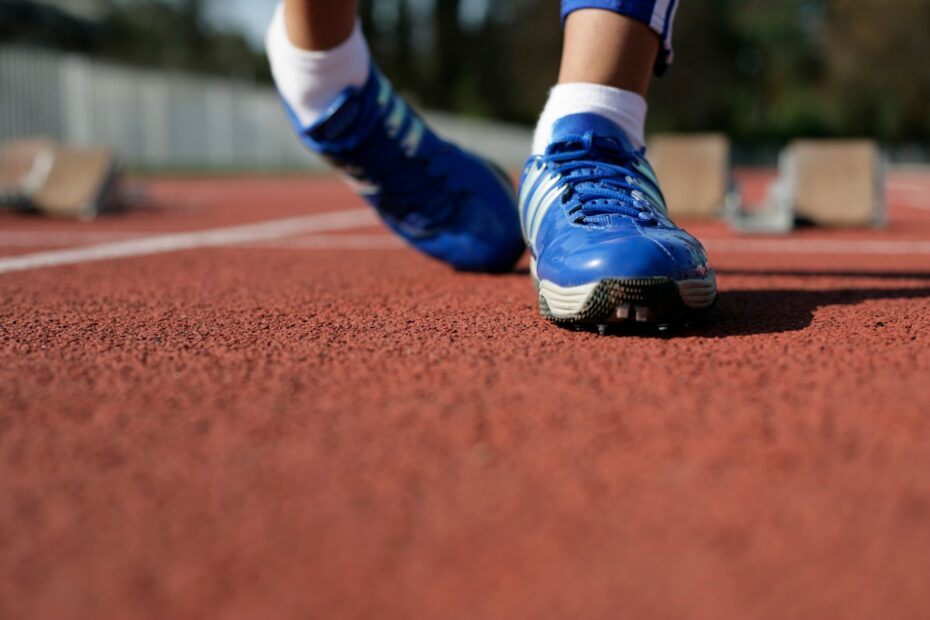
Dermatophyte fungi thrive on keratin in the outer skin, especially in the moist spaces between your toes. Sweat does not start the infection, but damp socks and closed shoes keep skin soft and warm, giving fungus room to grow after exposure in a gym, shower, or pool.
This discussion explains how tinea pedis starts, moves through shared spaces, affects your skin, and responds to steady home care and medical attention.
Dermatophyte Fungi Start the Infection
Athlete’s foot, also called tinea pedis, is a fungal skin infection. Dermatophyte fungi enter the dead outer layers of skin and feed on keratin, the protein found in skin, nails, and hair.
Two named species are Trichophyton rubrum and Trichophyton interdigitale. Both can live in toe spaces, on soles, inside footwear, and in shed skin flakes that reach your feet.
Keratin Gives Fungus a Foothold
Toe spaces trap moisture because neighboring skin surfaces touch for long stretches of the day. That damp contact softens the outer layer, letting fungal threads grow through dead skin cells and causing white peeling, itching, scaling, burning, or raw-looking skin.
Despite the name, no worm causes this rash. Poor hygiene alone does not produce tinea pedis because fungal exposure must happen before an infection starts.
| Term | What it means for your feet |
|---|---|
| Dermatophyte fungi | These fungi feed on keratin in your outer skin, nails, and hair. |
| Trichophyton rubrum | This species can remain in footwear and cause scaling across your sole or toe spaces. |
| Trichophyton interdigitale | This species is linked with damp peeling between your toes and spread through shared wet floors. |
Fungal spores and skin flakes can remain on a foot before symptoms become obvious. Your skin may look dry at the start, then worsen after several sweaty days because moisture gives an existing fungus a better place to grow.
Warm Moisture Helps Fungus Grow After Exposure
Wet skin is easier for fungus to enter through tiny cracks and softened toe webs. Sweat, wet shoes, and long hours in occlusive footwear raise your risk, but moisture does not create tinea pedis without fungal contact.
Closed Shoes Change the Skin Environment
Thick socks worn through a workout can hold moisture against your toes for hours. Tight synthetic shoes add warmth and slow evaporation, leaving your skin softer and more open to fungal growth.
Your rash can seem random because symptoms do not always begin on the day fungal material reaches your skin. Fungal spores can sit on your feet, socks, or shoe lining before enough growth produces burning, peeling, or itching.
Dry your feet carefully after bathing, including each toe space. A towel pass across the top of your foot misses the area where tinea pedis commonly begins.
Exposure explains how do you get athlete’s foot in the first place. Communal showers and locker rooms create a direct route because bare, wet feet contact surfaces where infected skin flakes may remain.
Shared Surfaces and Personal Items Move Fungal Material
Shower floors, pool decks, locker rooms, and changing areas can hold shed skin carrying dermatophytes. Your bare foot can pick up fungal material from a damp surface after swimming or showering, especially where many feet pass through the same area.
Household Items Carry Shed Skin
Direct skin contact can spread fungi, yet indirect contact is a frequent route. A shared towel, borrowed sock, communal bath mat, shoe, or nail clipper can move tiny flakes from an infected foot to your feet.
- Public shower floors: Wear shower sandals so your wet soles avoid fungal material near drains, benches, and changing areas.
- Shared towels: Use your own towel and place it in laundry after use rather than hanging it for repeated drying.
- Borrowed footwear: Skip shared shoes because the lining can hold moisture, skin flakes, and fungus close to your toes.
- Nail tools: Keep clippers and files personal because fungal nail debris can reach surrounding skin.
- Bathroom mats: Wash mats that stay damp, especially where your household walks barefoot after bathing.
The infection can move from one foot to the other through scratching, sock contact, or drying both feet with the same towel. You can also move it to your hands, toenails, or groin through your fingers and contaminated clothing; groin involvement is called tinea cruris.
That pattern explains how athlete’s foot spreads from person to person without obvious skin contact. A towel or shoe can carry enough shed material to expose your skin, though exposure alone does not mean a rash will follow.
Skin Damage and Health Conditions Raise Risk
Cracks, eczema-related irritation, and long stretches in wet footwear give fungus easier entry into your outer skin. Excessive sweating keeps that entry point damp, which separates athlete’s foot causes and risk factors from the fungus itself.
Exposure Affects Feet Differently
Your chance of infection rises with repeated contact in communal showers, cracked heels, prior tinea pedis, poor circulation, or immune suppression. Diabetes and nerve damage deserve added attention because a small fissure can go unnoticed and become an entry point for bacterial infection.
| Pattern | Clues you can see or feel | What else can resemble it |
|---|---|---|
| Athlete’s foot | Your toe spaces itch, peel, burn, or develop white soggy skin and fissures. | Dry skin can scale but lacks damp toe-web breakdown. |
| Eczema | Your skin can itch and crack across broader areas, especially with a history of irritation. | Fungus tends to persist in toe spaces or spread along the sole. |
| Contact dermatitis | Your rash can follow a new shoe material, insole, detergent, or foot product. | Removing the irritant matters more than antifungal medicine. |
| Psoriasis | Your feet can show thicker, sharply edged scale and similar changes elsewhere on your body. | A clinician can inspect skin scrapings before medicine targets the wrong condition. |
Fungal signs and eczema can overlap, particularly on dry soles. A rash outside the familiar between-toe pattern deserves a closer look before you keep changing foot products or medicines.
Spreading redness, warmth, swelling, pus, fever, or severe pain points beyond a surface fungal rash and needs prompt medical attention.
Steady Antifungal Care Addresses Mild Infections
Over-the-counter antifungal medicines slow or stop fungal growth in the skin where the rash lives. Terbinafine and clotrimazole are common active ingredients, and the package directions state how long and how widely your medicine belongs on the affected area.
Symptoms Can Fade Before Fungus Clears
Itching can ease within days, but visible improvement does not show that every fungal cell is gone. Finish the labeled course after your feet look better because an unfinished course can leave surviving fungus ready to grow again.
For athlete’s foot treatment at home, pair medicine with dry-foot habits rather than chasing a one-day change. Wash your feet, dry between the toes, change damp socks, and avoid scratching because your fingers can carry fungal material elsewhere.
- Clean skin first: Wash your feet with mild soap and dry every toe space before using the medicine.
- Cover nearby skin: Spread the product slightly beyond the visible edge so care reaches less obvious fungal growth.
- Change sweaty socks: Put on a dry pair after exercise, work, or any activity that leaves your feet damp.
- Separate foot towels: Keep your foot towel apart from shared hand towels and washcloths.
Persistent scaling does not always mean a stronger medicine is the answer. An incorrect self-diagnosis, untreated toenail fungus, or footwear that stays damp can send fungus back to the same skin.
Dry Footwear and Laundry Habits Limit Repeat Exposure
A shoe can become a humid chamber after a hard workout, holding sweat and skin flakes against its lining. Your next step is to stop repeated contact between freshly cared-for feet and damp footwear.
Daily Habits Address Common Reservoirs
- Rotate shoe pairs: Give each pair time to dry fully before your feet wear them again.
- Change socks daily: Replace socks after sweating, including after a second workout on the same day.
- Wash fabric items: Launder socks, towels, and bath mats after use at the warmest setting allowed by the care label.
- Dry wet floors: Keep shared shower floors and bathroom mats dry and clear away shed skin.
- Air out shoes: Remove insoles where possible and place shoes in a dry, ventilated spot between wears.
Your shoes do not need disposal in most situations. Dry them fully, follow the material-care directions, and replace worn insoles that stay damp or hold visible debris near the toe area.
Bedtime socks are not required for a rash to clear. Clean, loose, breathable socks can keep bedding cleaner, while bare dry feet are also fine; change any pair that becomes damp overnight.
These steps explain how to prevent athlete’s foot from returning after a rash settles. Fungal material can remain in nail edges and shoe interiors, so recurrence becomes more likely where that source remains in contact with wet skin day after day.
When drying and cleaning cannot break that cycle, an evaluation can identify hidden sources or a different diagnosis.
Persistent and High-Risk Cases Need Clinical Care
A rash that returns after careful medicine use deserves clinical evaluation rather than repeated guessing. Incomplete medicine courses, ongoing moisture exposure, infected toenails, damp footwear, eczema, and psoriasis can explain why athlete’s foot keeps coming back.
Red Flags Point Beyond Home Care
Seek clinical care for redness moving up your foot, swelling, warmth, pus, fever, painful cracks, or worsening pain. Those signs can point to bacterial infection, particularly after skin splits between your toes.
Your threshold for care should be lower with diabetes, poor circulation, nerve damage, immune suppression, or a history of foot ulcers. A clinician can inspect the rash, check nails for onychomycosis, and use a skin scraping to identify fungus.
- Repeated flare-ups: Bring your shoe routine and medicine history to the appointment so a recurring source can be identified.
- Thick yellow nails: Ask about toenail fungus because affected nails can reseed nearby skin.
- Open fissures: Get help for cracks that bleed, hurt during walking, or show spreading redness.
- High-risk conditions: Contact a clinician early rather than waiting for a small skin injury to worsen.
Diabetes-related foot changes need prompt attention because reduced sensation can hide a worsening fissure. That approach aligns with guidance from the Centers for Disease Control and Prevention.
Practical Foot Care Limits Repeat Rashes
Fungus starts athlete’s foot, while sweat, tight shoes, and shared wet floors give it a route and a favorable place to grow. Your strongest response is steady: use antifungal medicine as directed, keep toe spaces and footwear dry, and seek care for painful, spreading, or recurring symptoms.
Clean skin and dry footwear work together because each step removes one part of the fungal cycle. You do not need dramatic measures, but you do need enough consistency to keep damp skin away from contaminated socks, shoes, towels, and mats.
FAQ
The answers below cover exposure, home care, footwear, and warning signs. Your symptoms and health history can change the safest next step.
What causes athlete’s foot, and is it caused by poor hygiene?
Dermatophyte fungi cause athlete’s foot after fungal material reaches your skin. Poor hygiene alone does not cause the infection, though damp feet, unwashed socks, and shoes that stay wet give fungus a better place to grow.
Why did I suddenly get athlete’s foot?
Your symptoms can seem sudden because dermatophyte fungi may reach your skin days before visible peeling starts. Damp socks, warm shoes, a locker-room shower, or a shared towel can give the fungus time to grow until itching, burning, or scaling becomes noticeable.
How do people catch athlete’s foot in showers, pools, gyms, and from shoes?
Wet floors and shared footwear can hold shed skin carrying fungal spores. You can pick up that material with bare feet after showering, swimming, or changing shoes, especially where your skin is softened by water and sweat.
What conditions make athlete’s foot more likely to develop?
Warm, moist environments, occlusive footwear, sweaty socks, cracked skin, repeated communal-shower exposure, and prior tinea pedis all raise risk. Diabetes, poor circulation, nerve damage, and immune suppression also raise the need for early clinical attention.
Can athlete’s foot spread to other parts of the body or to other people?
Athlete’s foot can move through direct skin contact and through fungal material on towels, socks, shoes, nail tools, mats, and wet floors. You can move it across your body by touching affected skin, then touching another foot, your hand, nails, or groin.
What is the fastest effective way to treat athlete’s foot at home?
Use an over-the-counter antifungal medicine exactly as its label directs, dry every toe space, and change damp socks promptly. Symptoms can settle before fungal growth clears, so finishing the labeled course reduces the chance that the rash returns days later.