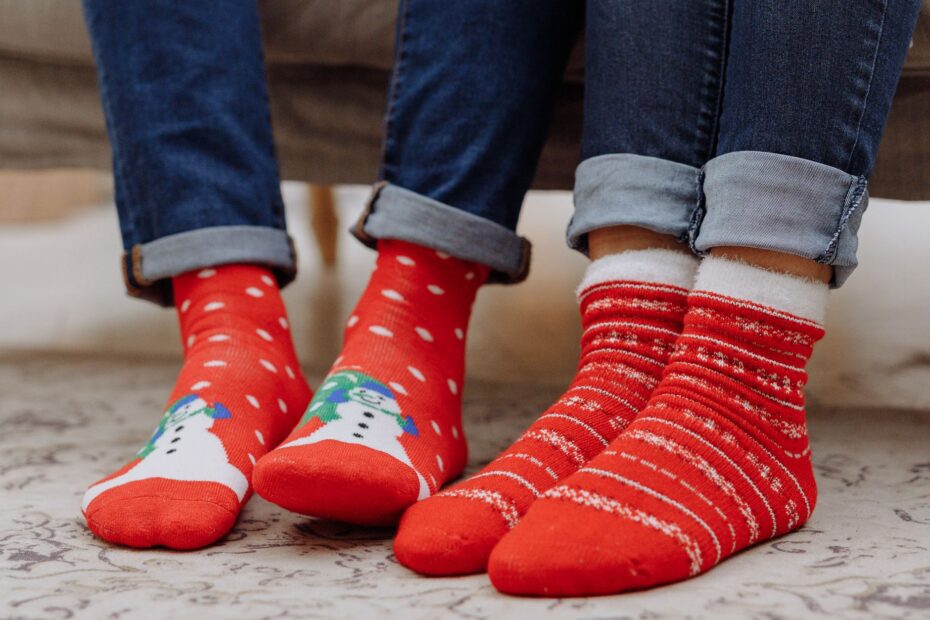
Heat loss can outpace insulation when damp fabric, compressed toes, cold surfaces, still muscles, or reduced blood flow leave feet chilled inside thick layers.
The sections below sort everyday sock and shoe problems from warning signs that deserve care, giving you practical choices for damp, cold, or persistently chilly feet.
Socks Insulate but Do Not Create Heat
A sock works like a small blanket around your foot. Its fibers hold pockets of air, and that air slows heat leaving your skin. But a sock cannot warm a foot that has already cooled against tile, concrete, snow, or a wet shoe lining.
Feet Lose Heat Quickly
Your feet sit far from your body core, where blood stays warmer. Thin shoe soles, cold concrete, snow, and a draft beneath your desk give heat a direct route out through the bottom and sides of your feet.
Thick socks can still leave you cold because insulation depends on dry, fluffy air space. A compressed sock, damp fabric, or a thin-soled shoe flattens that space and allows warmth to escape faster.
Thick Fabric Has Limits
For example, heavy socks may feel inadequate after 20 minutes on an uncarpeted basement floor. The floor draws warmth through the sole faster than the fabric can hold it near your skin.
Footwear matters as much as sock material. Wet boots, unlined sneakers, and narrow shoes can overpower insulation, leaving cold feet in socks even where the fabric feels thick in your hand.
Dry insulation works better than bulky insulation. A thinner dry sock in a roomy shoe can feel warmer than two thick socks squeezed into a narrow boot.
Heat Loss at the Feet and Cold-Induced Vasoconstriction
After heat escapes through a thin sole or damp fabric, your body directs more blood toward the chest and abdomen. Cold-induced vasoconstriction narrows small vessels near the skin, reducing warm blood flow to your toes while guarding core temperature.
Cold Exposure Changes Blood Flow
That response is normal during cold exposure. Your toes can feel cool, look lighter in color, and warm after movement or time in a warmer room. Both feet tend to react in a similar pattern.
Blood flow also shifts with activity. Walking, climbing stairs, and flexing your calves produce muscle heat and raise blood demand in the lower legs. Sitting at a computer for an hour removes that heat source.
Stillness Makes the Problem More Noticeable
You may feel colder during a long movie, desk shift, or winter car ride. Cold air and still muscles leave less body heat for your socks to trap around the feet.
Ordinary coldness improves with movement, dry clothing, and gradual warming. Symptoms that remain unchanged after those steps point toward moisture, footwear pressure, or a health pattern rather than simple exposure.
- Walk five minutes to bring muscle heat and blood flow back toward your feet.
- Flex your ankles under a desk to activate calf muscles without leaving your chair.
- Lift feet from floors with slippers or a footrest that blocks contact with cold surfaces.
- Check both sides because equal mild coldness differs from a sudden change in one foot.
Moisture, Compression, and Footwear Can Overwhelm Warm Socks
Warmth drops quickly once sweat enters the picture. Water carries heat away from skin faster than trapped air, while evaporation cools your feet further as damp fabric dries.
Dampness Turns Socks Into a Heat Path
Nonbreathable shoes can trap perspiration during a commute, workout, or stressful workday. Stress can activate sweat glands as well, creating cold and sweaty feet: damp skin loses warmth inside the same shoe.
Cotton absorbs moisture and tends to stay wet longer than Merino wool or synthetic moisture-wicking fabrics. Wool holds moisture within its fibers while feeling less clammy, while synthetic fibers move sweat away from your skin more quickly.
| Problem | What Happens | Useful Response |
|---|---|---|
| Damp cotton socks | Moisture conducts heat away from skin | Change into dry wool or moisture-wicking socks |
| Wet shoes | The shoe lining cools the sock from outside | Air-dry shoes fully before wearing them again |
| Tight double socks | Layers lose air space and can squeeze toes | Use one insulating layer in a roomier shoe |
| Narrow toe box | Toe pressure reduces comfort and insulation | Choose shoes with space to wiggle your toes |
Compression Can Work Against You
Deep sock marks around your ankles, tingling toes, or pins-and-needles after removing shoes suggest excess pressure. Tight socks can limit surface circulation, while narrow footwear crushes the insulating air your socks need.
Your shoe needs room for the full thickness of your sock without pinching the forefoot. A layered setup works only where your toes can move freely and your heel is not packed against the back of the shoe.
If those adjustments fail despite dry, roomy footwear, persistent coldness warrants looking beyond circulation alone.
Remove damp socks as soon as practical. Sweaty fabric against your skin turns a minor moisture problem into continuing heat loss.
Persistent Cold Feet Can Reflect More Than Poor Circulation
Both feet cooling in a chilly room differs from one foot becoming pale, painful, numb, or weak. The phrase cold feet poor circulation covers several conditions with distinct warning signs, and the visible pattern matters more than temperature alone.
Color Changes Can Point Toward Raynaud’s Phenomenon
Raynaud’s phenomenon causes brief episodes of reduced blood flow after cold exposure or emotional stress. Toes can turn pale or blue, feel numb, then become red, tingly, or sore during rewarming.
Peripheral artery disease, or PAD, involves narrowed arteries that reduce blood flow to the legs and feet. Leg pain during walking, slow-healing wounds, skin-color changes, and a cool foot can occur where artery narrowing is advanced. That description aligns with information from the American Heart Association.
Several Health Conditions Create Different Patterns
| Possible Pattern | Clues Beyond Coldness | Next Step |
|---|---|---|
| Raynaud’s phenomenon | Episodes of pale, blue, or red toes after cold or stress | Discuss recurring attacks with a clinician |
| Peripheral artery disease | Walking pain, weak pulse, shiny skin, slow-healing sores | Arrange medical care |
| Diabetes or nerve damage | Burning, tingling, numbness, reduced ability to feel heat | Arrange foot and nerve evaluation |
| Hypothyroidism | Feeling cold broadly, dry skin, fatigue, constipation | Discuss symptoms and blood work |
| Anemia | Fatigue, shortness of breath, pale skin, fast heartbeat | Discuss possible blood testing |
Diabetes can affect small blood vessels and nerves, a problem called diabetic neuropathy. Nerve changes can make your feet feel cold, burning, numb, or oddly painful even where skin temperature does not match the sensation.
Hypothyroidism can bring broad cold sensitivity, while anemia can leave you feeling cold through reduced oxygen delivery. Mayo Clinic lists cold sensitivity among hypothyroidism symptoms. Your clinician can sort these patterns without labeling every cold foot as a circulation problem.
For symptoms without a concerning medical pattern, warmth depends on treating socks and shoes as one system.
A Sock-and-Shoe System That Holds Warmth
Dry fabric and a roomy toe box solve plenty of everyday cases because they protect the air layer around your skin. The goal is not maximum thickness. Your feet need warm, dry air and enough space for toe movement.
Materials Should Match Sweat and Weather
Merino wool suits cool walks and outdoor time because it insulates while handling moisture. Synthetic moisture-wicking socks suit sweaty feet and active use, while cotton fits short, dry indoor wear but can leave you chilled after perspiration.
Insulated footwear adds a barrier beneath your socks. A removable insole, foam footbed, or insulation such as Thinsulate reduces heat loss through the sole, where a thin sneaker leaves little separation from cold ground.
A Practical Warmth Checklist
- Start with dry skin because damp feet cool before an outer layer can hold warmth.
- Choose moisture-managing fibers such as Merino wool or synthetic blends for sweat-prone feet.
- Leave toe room so insulation stays lofty and your toes are not pressed together.
- Dry shoes between wears because a damp lining chills each fresh pair of socks.
- Block floor chill with slippers, insulated soles, or thicker indoor footwear.
- Move at intervals to bring heat from working muscles into your lower legs.
For damp winter conditions, place a dry moisture-managing sock next to your skin and add insulation only where your boot still has room. Two pairs stuffed into a close-fitting boot can leave you colder than one pair in a properly sized boot.
Bedtime coldness can stem from stillness, a cool room, or damp feet after an evening shower. Dry your feet carefully, wear loose sleep socks, and avoid tight elastic around the ankle.
Safe Warming and Clear Thresholds for Medical Care
Gradual warming protects skin better than a blast of direct heat. Put on dry socks, move into a warm room, walk gently, and use blankets or slippers while your feet return to a comfortable temperature.
Gentle Rewarming Reduces Burn Risk
Very hot foot baths, heating pads, and hot water bottles can burn skin before you feel the heat, especially with diabetes, neuropathy, reduced sensation, or suspected circulation trouble. Warm surroundings and gentle movement are safer than direct heat pressed against a numb foot.
Your skin should move toward its usual color as warmth returns. Rising pain during warming, blisters, or skin that remains blue, gray, very pale, or mottled needs medical attention rather than more heat.
Symptoms That Change the Next Step
- Seek urgent care for one foot that suddenly turns cold, pale, painful, numb, or weak.
- Check pulse changes because a weak or absent pulse can signal reduced arterial blood flow.
- Arrange routine care for recurring coldness with sores, slow healing, numbness, or marked color shifts.
- Inspect feet daily with diabetes or neuropathy, especially around toes, heels, and pressure points.
- Bring pattern details such as timing, triggers, color changes, and pain location to your appointment.
A sudden one-sided change deserves more urgency than equal mild coldness after sitting near an open window. That contrast separates everyday temperature regulation from a blood-flow problem that needs prompt care.
What to Remember
Socks slow heat loss; they do not supply warmth from nowhere. Check for dampness, shoe pressure, cold surfaces, and long periods of stillness before assuming circulation is the cause.
Dry moisture-managing socks, roomier footwear, insulated soles, and brief movement breaks address everyday coldness. Persistent pain, numbness, sores, color changes, or one cold foot call for medical attention rather than more layers.
FAQ
Why are my feet cold even with thick socks on?
Thick socks fail where they are damp, compressed inside tight shoes, or exposed to cold flooring through thin soles. Your feet also receive less warm blood during cold exposure or long periods of sitting, leaving little heat for the sock to hold.
Can tight socks or shoes make feet feel colder?
Flattened insulating air pockets and pressure on the toes can make tight socks or narrow shoes leave feet feeling colder. Deep ankle marks, tingling, and numbness after shoe removal suggest that your footwear needs more room.
What sock materials keep feet warmest in cold weather?
Merino wool and synthetic moisture-wicking blends work well where your feet sweat or meet wet weather. Wool retains insulation better than damp cotton, while synthetic fibers move sweat away from your skin. The best socks for cold feet still need a dry, roomy shoe.
Why do my feet get cold and sweaty at the same time?
Sweat trapped inside nonbreathable shoes leaves your skin damp, then evaporation pulls heat away. Stress can activate sweat glands too. Change into dry socks, air-dry shoes fully, and choose moisture-wicking fabric for sweaty feet.
Can poor circulation cause cold feet?
Cold feet can result from reduced blood flow, although this symptom alone does not prove poor circulation. PAD, Raynaud’s phenomenon, diabetes-related nerve changes, and normal cold-induced vasoconstriction can produce different sensations, colors, and patterns.
What medical conditions cause constantly cold feet?
Persistent cold feet can occur with peripheral artery disease, Raynaud’s phenomenon, hypothyroidism, anemia, diabetes, and nerve damage. Pain, numbness, sores, weak pulses, fatigue, or major skin-color changes give your clinician more useful clues than temperature alone.