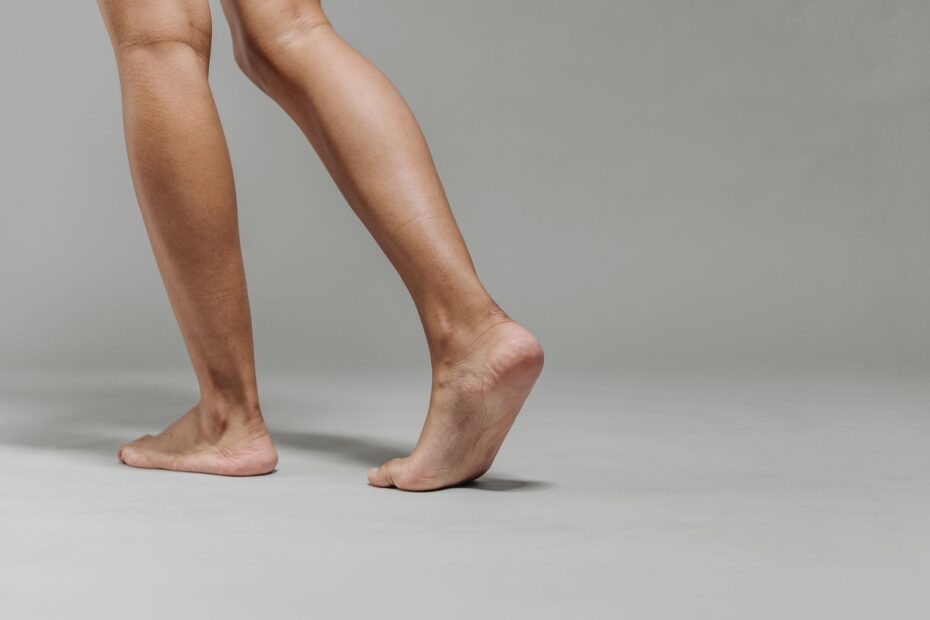
Fluid can pool around the feet and ankles after time spent upright. Gravity draws fluid downward, while tired calf muscles, heat, snug shoes, and long periods without movement can slow its return. Swelling that affects both feet and fades with rest is often temporary.
You can use the pattern of swelling to sort mild fluid buildup from symptoms that need medical care. The sections below explain fluid return, daily triggers, relief, and warning signs.
Dependent Edema Explains Many End-of-Day Symptoms
By late afternoon, your shoes can feel a half-size smaller even though the shoe itself has not changed. Dependent edema means fluid gathers in the lowest part of your body after upright time, leaving feet and ankles puffy, heavy, or marked by socks.
Your veins, capillaries, and lymphatic system work against gravity through the day. Swelling in both feet and ankles that eases after lying down, sleeping, or raising your legs points toward a gravity-related fluid shift rather than an emergency.
Both Feet Usually Follow a Gradual Pattern
A gradual, even change on both sides fits dependent edema far better than a sudden change in one foot. For example, a retail shift that leaves both ankles puffy at 7 p.m. but normal by breakfast fits fluid pooling during prolonged standing.
You should view a painful, isolated swollen ankle differently from even swelling after a long shift. Pain, major asymmetry, skin warmth, or swelling that remains after rest moves the concern beyond ordinary end-of-day fluid retention.
Those warning signs matter because fluid balance relies on more than gravity alone.
Gravity and Fluid Accumulation Depend on Several Systems
Each upright hour raises pressure inside the tiny blood vessels of your lower legs. That pressure pushes fluid into nearby tissue, while veins and lymph vessels move extra fluid back toward your chest.
Blood circulation relies on a balance between capillaries, vein valves, calf-muscle movement, and lymphatic drainage. A problem in any part of that system can leave more fluid in your feet and ankles.
The Calf Muscles Push Blood Upward
With every step, calf contractions squeeze veins and move blood upward through one-way valves. Walking activates this calf-muscle pump, but tired muscles, heat, or a jump from 2,000 to 10,000 daily steps can still outpace fluid return.
Your calves stay quieter during motionless standing than during a short walk. Twenty ankle bends or several heel raises can restart that upward push after time at a desk, counter, or airport gate.
The Lymphatic System Clears Remaining Fluid
Lymph vessels collect fluid and proteins left between cells, then return them to the bloodstream. Peripheral edema develops as fluid enters tissue faster than veins and lymph vessels carry it away.
| System | Role in your lower legs | What can disrupt it |
|---|---|---|
| Capillaries | Release fluid for tissue nourishment | Heat and higher pressure push extra fluid outward |
| Veins and valves | Return blood upward toward your heart | Still standing, vein weakness, or damaged valves slow return |
| Calf muscles | Squeeze veins with each step or calf raise | Long sitting or motionless standing leaves the pump idle |
| Lymph vessels | Clear leftover tissue fluid and proteins | Overload or lymphatic disease leaves fluid behind |
Heat makes this fluid traffic jam easier to see. Blood vessels widen in warm conditions, more fluid enters the tissue space, and your feet can look fuller after a humid walk than after the same distance on a cool day.
Daily Triggers Add Pressure to Fluid Return
Heat and stillness add strain to a system already working against gravity. Feet swelling after standing all day can stand out during a warehouse shift, a long flight, or a road trip where your ankles stay bent and calves barely contract.
High-sodium intake can add to fluid retention after restaurant meals, packaged soups, or salty snacks. Alcohol, hot weather, tight footwear, abrupt activity increases, and long seated stretches can also make your feet feel fuller or more sore.
Everyday Habits Can Worsen Swelling
- High sodium intake can leave your body holding more water after salty meals or packaged foods.
- Alcohol intake can worsen dehydration-related heat stress and leave your feet more uncomfortable after a hot evening.
- Tight footwear can press on expanded feet and deepen sock or sandal marks around your ankles.
- Abrupt activity jumps can cause muscle fatigue, mild inflammation, and temporary swelling after an unfamiliar long hike.
- Long seated stretches reduce calf action during travel, meetings, gaming, or long drives with few stops.
Dehydration does not mean every body tissue lacks fluid. In hot weather, fluid losses and widened blood vessels can strain circulation, while a salty meal can make retention more visible. Steady water intake through the day gives your body a steadier fluid supply.
Vein Changes Raise the Chance of Recurring Swelling
Pregnancy, older age, higher body weight, varicose veins, and chronic venous insufficiency can make ankle swelling from prolonged standing recur. Venous insufficiency means vein valves do not close tightly, allowing blood to drift backward and raise pressure in lower-leg veins.
Your medication list also matters. Some blood pressure medicines, anti-inflammatory drugs, hormones, and diabetes medicines can contribute to swelling, so new symptoms after a medication change deserve a discussion with the prescribing clinician.
If a clinician has ruled out medication-related or other causes, regular calf movement can support fluid return.
Movement and Elevation Can Ease Mild Swelling
Raising your feet above heart level changes gravity’s pull for a short period. Leg elevation for 15 to 30 minutes after activity gives pooled fluid a clearer route away from your ankles, especially after a long shift or hot walk.
Rest works better with brief movement than with hours of staying still. Your goal is gentle calf activity without adding another hard workout to already tired legs.
Short Movement Breaks Restart the Calf Pump
- Walk for five minutes to contract your calves after a long seated or standing period.
- Do ankle pumps by pointing and flexing each foot 15 to 20 times while seated or lying down.
- Raise your heels for 10 slow calf raises while holding a counter, wall, or sturdy chair.
- Loosen footwear after activity so your feet have room for normal end-of-day expansion.
- Cool down gradually in shade or air conditioning after hot-weather walking, then elevate your legs during rest.
Compression Socks Need the Right Fit
Compression socks or stockings place gentle outside pressure on the lower leg. For recurring mild swelling, that pressure can limit fluid buildup and improve vein return, but your socks should feel smooth and snug rather than painful, rolled, bunched, or numbness-producing.
Compression is not a casual answer for unexplained swelling. Speak with a clinician before wearing compression garments with artery disease, major numbness, skin wounds, severe pain, or sudden one-sided swelling.
Supportive footwear matters for the same mechanical reason. A stable shoe with enough toe-box and midfoot room gives your feet space for normal expansion, while a tight strap across a swollen foot can turn mild edema into a pressure problem.
Situation-Specific Habits Limit Repeat Swelling
A movement break taken before your feet feel tight works better than waiting through another hour of stillness. During standing jobs, shift your weight, take short walks, and use calf raises at a counter, stockroom shelf, or work station.
Standing Jobs Benefit From Planned Motion
- Change position regularly so your veins do not face prolonged pressure from one fixed stance.
- Schedule calf raises during natural pauses after a customer, task, or phone call ends.
- Choose roomy shoes that still fit later in the day, not only in the morning.
- Skip tight sock bands that leave deep grooves and add pressure around your lower legs.
Walking, Travel, Heat, and Pregnancy Need Different Habits
For long walks, add distance in smaller jumps rather than turning a sedentary week into a 10-mile weekend route. Cooling breaks, steady hydration, and less sodium-heavy food reduce the conditions that leave your ankles swollen and sore afterward.
During car or air travel, move your ankles every 30 to 60 minutes and walk during safe stops or cabin opportunities. Pregnancy-related swelling benefits from the same movement habits, plus individualized compression guidance from your prenatal clinician as swelling becomes frequent or changes sharply.
These habits fit mild, repeatable swelling. Symptoms that grow despite your routine, spread upward, or appear with skin changes need medical review because the pattern can point to vein, lymphatic, heart, liver, or kidney disease.
Swelling Patterns Guide Medical Care
A swollen foot on one side carries a different message than two mildly puffy ankles after a long day. Sudden one-sided swelling can reflect injury, infection, a vein blockage, or deep vein thrombosis (DVT).
Your next step depends on speed, location, pain, and breathing symptoms. A sudden painful change deserves faster care than mild, even swelling that settles overnight.
Emergency Symptoms Need Urgent Care
Seek urgent medical care for sudden swelling in one foot or leg, redness, warmth, severe pain, chest pain, shortness of breath, fainting, or coughing up blood. These symptoms can signal a clot or a heart-lung emergency.
| Pattern | What it can suggest | Your next step |
|---|---|---|
| Both feet swell late in the day, then settle overnight | Dependent edema from upright time, heat, or vein strain | Use elevation, movement, footwear changes, and symptom tracking |
| One foot or calf swells suddenly with pain or warmth | DVT, injury, infection, or a vein problem | Seek prompt medical care |
| Swelling grows over days or weeks and no longer settles | Venous, lymphatic, kidney, liver, or heart-related disease | Arrange a clinical appointment |
| Swelling with chest pain or shortness of breath | A serious heart-lung problem, including clot-related complications | Seek emergency care |
Persistent Swelling Deserves a Clinical Review
Swelling can stem from more than upright time. Heart failure, kidney disease, liver disease, vein disease, and lymphatic disorders can all leave fluid in the lower legs; that pattern is also described by MedlinePlus and the National Heart, Lung, and Blood Institute.
Your clinician can review symptoms, medicines, blood pressure, pulses, skin, and any needed lab or imaging results. Darkened ankle skin, open sores, visible varicose veins, or swelling that no longer settles with rest deserve a nonurgent appointment.
Final Thoughts
Gravity-related swelling is a fluid-return issue, not a personal failure or proof that your feet are worn out. Match your response to the pattern: use movement, leg elevation, hydration, and roomier footwear for mild bilateral swelling.
Prompt care matters for sudden one-sided swelling, severe pain, warmth, chest pain, or breathing symptoms. Your pattern over hours and days gives the clearest clue about which path fits.
FAQ
Is it normal for feet to swell after standing all day?
Swelling in both feet or ankles after a long day can fit dependent edema, especially when it fades after sleep or leg elevation. Your shoes can feel tight and socks can leave marks, but persistent swelling, pain, or a one-sided change needs clinical attention.
Why do my feet and ankles swell after walking?
Long walks raise blood flow, warm tissue, fatigue calf muscles, and widen blood vessels. Your calf pump still moves blood upward, but exertion and heat can briefly overwhelm that return system.
How can I make swollen feet go down quickly?
Lie down and elevate your legs above heart level for 15 to 30 minutes, then use gentle ankle pumps or a short walk. Loosen tight shoes, cool down after heat exposure, and avoid adding a salty meal or alcohol while your feet feel swollen.
Can dehydration or too much salt cause foot swelling?
High sodium intake can lead to fluid retention, while dehydration-related heat stress can worsen circulation and swelling during hot conditions. Your body benefits from steady hydration and meals that do not rely heavily on packaged, restaurant, or heavily salted foods.
Do compression socks help with swollen feet from standing?
Compression socks can help recurring mild swelling by placing outside pressure on the lower leg and improving vein return. Your clinician should guide their use with artery disease, numbness, wounds, unexplained swelling, or suspected deep vein thrombosis.
When should I worry about swelling in one foot or ankle?
Sudden swelling on one side, especially with redness, warmth, calf pain, or tenderness, needs prompt medical care. Chest pain, shortness of breath, fainting, or coughing up blood calls for emergency care because these signs can occur with a serious clot-related problem.