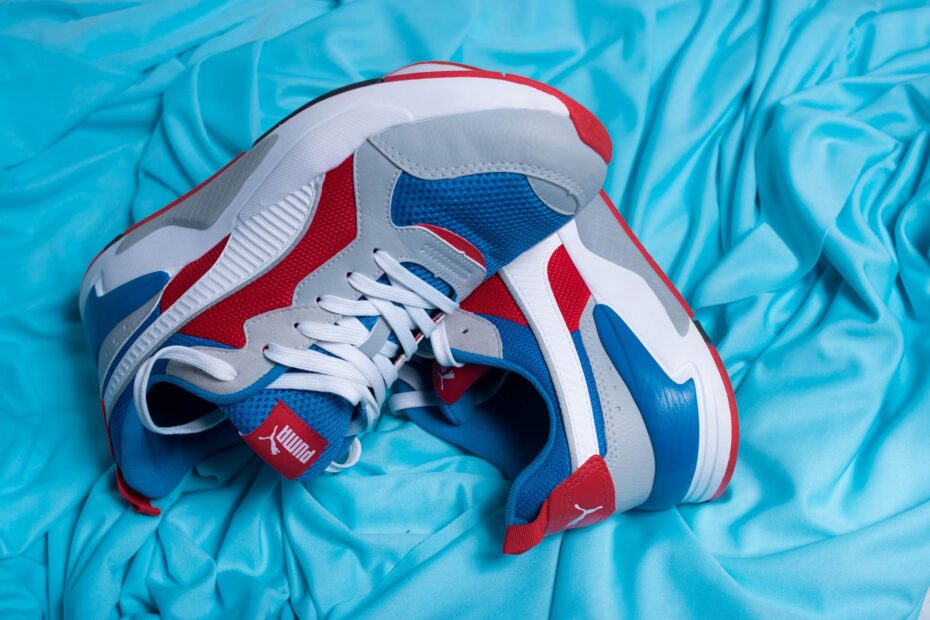
Each step makes the upper fold as your foot rolls forward and bends at its natural flex point. The toe box and vamp must move with your forefoot, outsole, and midsole, so even a fresh Nike Air Force 1 can show a line after a few wears.
You’ll learn how movement, fit, upper materials, storage, and gentle sneaker cleaning and conditioning affect crease depth and help you spot cosmetic wear versus damage.
Walking Bends the Forefoot at a Natural Flex Point
Each step bends your shoe near the ball of your foot. Your outsole grips the ground, your midsole compresses, and your forefoot rolls ahead. The upper cannot stay flat through that motion, so it folds where your shoe and foot move together.
That repeated bend explains why do sneakers crease during ordinary walking. Running, climbing stairs, squatting, driving, and kneeling all add flex cycles, but a daily walking pair receives the most repeated movement at the same small area.
The Vamp Carries the Most Visible Folding
The vamp is the upper section between the toe box and laces. On low-top sneakers, it sits above the forefoot joint area. Your shoe may flex there dozens or hundreds of times in a day, leaving fold lines in a familiar zone.
The toe box gives your toes room while moving with your foot; it is not a hard shell. A bend line is the expected result of that movement, not proof that you neglected your shoes.
The Sole and Upper Move Together
An Adidas Stan Smith shows the mechanism clearly during a step. The rubber outsole bends, the midsole gives slightly, and the leather upper folds over the toe area. Your foot supplies the force, so even a stiff-looking sneaker must yield at the forefoot.
A crease records that bend. Soft leather may form a broad fold, while coated material may leave a narrow, sharper line. Its location says more about how your foot moves inside the shoe than about your cleaning habits.
Fit and Wear Patterns Change Crease Depth
Repeated movement presses the same upper material into the same shape. A sneaker worn for school, work, or errands will show more flex history than a pair worn once each week. Your gait and foot shape also leave a personal pattern.
Extra volume above the forefoot gives loose material room to buckle. Your foot moves forward, the vamp drops, and deeper folds can form. A roomy toe area may crease sharply even without rough use.
Tight shoes create a different stress pattern. Your upper stretches across the toes and pulls against stitching, overlays, and lace panels. The fold may look smaller, yet force can concentrate near seams or coated sections instead of spreading across a wider area.
- Daily walking: Your forefoot bends at the same point with nearly every step.
- Running drills: Faster push-off adds force and deeper forefoot flexion.
- Deep squats: Your ankle and toes can sharply compress the vamp.
- Kneeling work: Floor pressure can push the toe box into a hard fold.
- Loose sizing: Empty volume lets upper material collapse around your foot.
Your crease may angle toward the inside edge because your forefoot loads there. An Air Jordan 1 on another foot may fold closer to the center. Matching crease patterns between pairs is not a realistic expectation.
That variation reflects not only how a shoe is worn, but also how each upper responds to repeated bending.
Comfort comes before a smooth toe box. A cramped shoe can alter your stride, cause toe pressure, and shift stress into seams that were not meant to carry it.
Upper Materials Show Folds in Different Ways
The same walking motion leaves different marks on leather, synthetic leather, suede, mesh, knit, and mixed-material uppers. Your material choice affects how a fold looks, how long it stays visible, and which care methods suit the surface.
Leather Fibers Set Into Repeated Fold Lines
Full-grain leather contains dense fibers that compress inside a bend and stretch across its outside edge. Your leather wrinkles become clearer as those fibers settle into repeated folds. A smooth white leather shoe can show gray-shadowed lines while the leather remains structurally sound.
Leather is not meant to stay glass-flat. Nike Air Force 1 and Adidas Stan Smith leather can develop soft creases through regular use. Gentle conditioning helps dry leather feel less stiff, but it cannot erase the bending history in your vamp.
Coated Materials and Textiles Have Different Risks
| Upper material | How folds appear | Care concern for your pair |
|---|---|---|
| Full-grain leather | Broad wrinkles that settle into flex lines | Dry leather can stiffen and show deeper creases |
| Synthetic leather | Sharper lines across the coated surface | Worn coating can crack or flake at the fold |
| Suede or nubuck | Soft compression and changed nap direction | Moisture and rough rubbing can mark the surface |
| Mesh or knit | Bunching, stretching, or lost shape instead of crisp lines | Snags and tears matter more than shallow folds |
| Mixed-material upper | Different crease shapes across each panel | Overlays and stitched joins need separate attention |
Synthetic leather does not flex like full-grain leather. Your pair can show a hard, shiny wrinkle and later develop surface cracking as its coating ages. Mesh uppers bend more quietly, though stretched mesh near the toe can lose its original shape.
Mixed-material shoes make the contrast easy to see. A leather overlay on an Air Jordan 1 can crease while a nearby textile tongue stays smooth. Your routine should follow the material under your hand rather than one rule for the entire shoe.
Cosmetic Creases Differ From Material Damage
A visible fold line by itself does not mean your sneaker is failing. The upper has done the work required for walking. Concern rises when a crease comes with broken material, failed stitching, or a loss of shape.
Surface Lines Remain Cosmetic
Yes. Normal creases stay within the upper surface, while your toe box still holds its form and the sole remains firmly bonded. Dirt trapped in flex lines can darken leather and make harmless wrinkles look worse.
A worn-looking toe box does not automatically signal a damaged shoe. Your pair remains suitable for regular wear when the upper, stitching, midsole, and outsole stay intact. Cosmetic lines become a concern only alongside physical breakdown.
Breakdown Has Clear Warning Signs
- Flaking coating: Your synthetic upper sheds surface layers around a fold.
- Open cracks: Leather or coating splits enough to expose material beneath.
- Torn mesh: Your textile upper has holes, runs, or frayed edges.
- Loose stitching: Seam thread breaks or pulls away from a panel.
- Sole separation: Your outsole or midsole lifts from the upper.
- Collapsed structure: Your toe box stays dented after light reshaping.
Resale-focused owners have a narrower cosmetic standard. Your shoe can look cleaner with reduced crease depth, fresh laces, and a shaped toe box, but ordinary flex lines cannot disappear from a worn pair. Treating normal wear as a defect sets an impossible standard.
Once normal flex lines are separated from true deterioration, prevention can focus on the extra stress that is avoidable.
Stop wearing a shoe with widening cracks, separated sole edges, or torn upper panels. Those signs involve material failure, not harmless folding from your stride.
Storage and Fit Reduce Added Folding
A secure fit leaves less unused upper material to fold. Your toes need room to spread and move, yet the vamp should not float far above them. Lace tension can hold your heel back and limit forward slide without crushing the forefoot.
Shoe Trees Hold Shape Between Wears
Properly sized shoe trees fill the shoe from heel to toe during storage. Your pair stays closer to its intended shape after a day of flexing, especially with leather sneakers. Shoe trees reduce fresh folding during rest, but established creases remain in the upper.
Choose a tree that fills the toe box without forcing material outward. Your shoe should feel supported rather than stretched. Cedar shoe trees also absorb some interior moisture, though open-air drying still matters after rain or a sweaty workout.
Small Habits Limit Extra Stress
- Rotate pairs: Give daily sneakers a full dry-out period between hard wears.
- Air-dry indoors: Leave damp shoes indoors with laces loosened and tongues open.
- Use shoe trees: Insert correctly sized trees after shoes are dry to the touch.
- Brush off grit: Remove dirt from flex lines before it darkens the folds.
- Store from heat: Keep your pair clear of radiators, car dashboards, and hot dryers.
Excess heat can warp foam, stiffen leather, and weaken adhesives. Prolonged moisture can soften coatings and leave water marks on suede. Your habits cannot stop normal flexing, yet they can limit dryness, brittleness, and misshaping around the flex point.
Gentle Care Can Reduce the Look of Existing Creases
How to remove creases from sneakers depends on what makes the lines stand out. Dirt, dry leather, and loose storage can make folds look deeper than they are. Your realistic goal is a cleaner, softer-looking crease rather than a factory-flat toe box.
Material-Specific Care Uses Less Force
For smooth leather, wipe away surface dirt with a damp cloth and let the shoe dry at room temperature. Use a small amount of footwear conditioner afterward. Your leather may look more supple because dry fibers no longer appear chalky around the bend.
Suede and mesh need a lighter touch. Brush suede with a suede brush after it dries, and use minimal moisture on mesh. Jason Markk and Crep Protect sell sneaker-cleaning products, but try any cleaner on an inconspicuous panel before using it across your upper.
Crease Protectors Trade Appearance for Comfort
They can soften toe-box folds in roomy shoes by adding a barrier inside the vamp. Sneaker Shields and similar inserts do not stop the shoe from bending, and your foot can still form a crease above or beside the insert.
Fit decides whether an insert belongs in your pair. Your toes should not rub, curl, or lose room because of plastic protection. Remove it from any shoe that crowds the forefoot or changes your walking comfort.
Heat Methods Can Harm the Upper
Direct heat is risky on leather coatings, synthetic panels, glue, foam, and painted details. Your shoe can discolor, warp, stiffen, or crack under a hair dryer, iron, or hot steam. Aggressive ironing presses a flat surface onto a shape designed to flex.
- Skip direct heat: Your upper and adhesives can react badly to concentrated temperature.
- Avoid soaking: Your shoe can dry unevenly and lose toe-box structure.
- Do not stuff damp shoes: Material can dry into a stretched or distorted shape.
- Use light pressure: Your clean, dry shoe needs gentle reshaping rather than force.
- Match materials: Leather, suede, mesh, and synthetics need different handling.
Deep leather folds and synthetic wrinkles reflect repeated movement. Your next wears will add new lines to the vamp, even after careful reshaping. That limitation is part of how footwear moves with your feet.
Final Thoughts
Your sneakers crease because your feet bend them where a shoe must flex, not because you failed to keep them pristine. A comfortable fit, dry storage, shoe trees, and material-aware care can slow added wear. Smooth flex lines are cosmetic; cracks, torn mesh, loose seams, and sole separation deserve action.
FAQ
Why do sneakers crease when you walk?
Your forefoot bends as it rolls from heel strike toward toe-off, and the outsole, midsole, and upper bend with it. The vamp and toe box carry much of that motion, so your upper folds at the same flex point during repeated steps.
Can sneaker creases be removed permanently?
No. Cleaning and gentle reshaping can reduce the look of dirt-darkened or dry creases, but wear creates new fold lines. Leather fibers and synthetic coatings retain some shape after repeated bending, so your worn shoe cannot stay completely flat.
How can you stop the toe box from creasing?
Normal walking makes the toe box flex with every step. Your strongest approach is a close, comfortable fit, enough toe room, properly sized shoe trees during storage, dry conditions, and less time in activities that sharply bend the forefoot.
Do leather sneakers crease more than synthetic sneakers?
Leather and synthetic leather both crease, but they show it differently. Your full-grain leather tends to form softer wrinkles as fibers compress and stretch, while synthetic leather can form sharper lines and may crack after its surface coating wears down.
Will shoe trees stop creases in sneakers?
Shoe trees cannot stop flex lines created by your walking motion. They can reduce added folding during storage by holding the toe box and vamp in shape, particularly after your shoes have fully air-dried following wear.
Are crease protectors safe to wear?
Adequate space above your toes keeps crease protectors comfortable and safe to wear. Your insert should not cause rubbing, numbness, toe curling, or a changed stride. Remove it from any shoe that feels tighter across the forefoot.