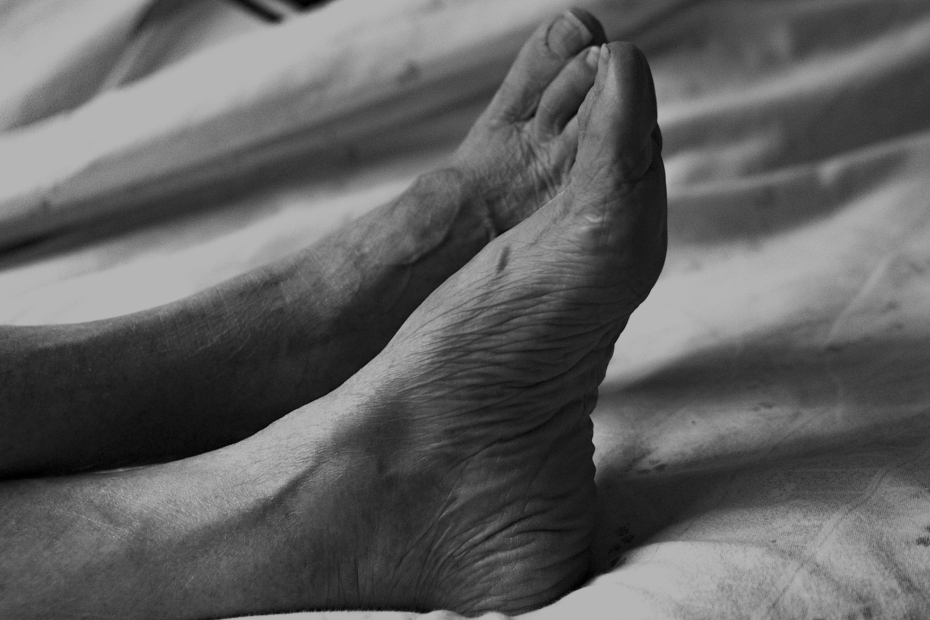
After skeletal growth ends, ligaments gradually stretch, arches lower, and toes drift, often making feet wider and slightly longer. Ligaments and tendons can loosen, the plantar fascia can carry load differently, and thinner sole padding can make a shoe that fit at 35 pinch at 55.
Your feet can change from childhood through later adulthood. The sections below explain structural shifts, swelling warning signs, shoe fit, and situations that call for a podiatrist.
Foot Development Continues Through Childhood and Adulthood
A toddler’s footprint can look flat because a soft fat pad covers the developing foot arch. Your child can have a broad-looking sole during early childhood without a painful structural problem.
- Arches become visible: Most arches show more clearly through childhood as the fat pad recedes and foot muscles gain control.
- Flexible flat feet: Some children keep flexible flat feet without pain, stiffness, or limits during play.
- Bone growth ends: Foot bones finish growing around the late teens or early 20s for many people.
- Adult shape shifts: Your foot can still become wider, longer, flatter, or more splayed through midlife.
- Later comfort changes: Stiff joints and thinner sole padding can make a modest size shift feel far larger.
By midlife, the number inside your shoe matters less than its actual fit. Your feet may need more forefoot room in your 40s, 50s, or 60s because the arch settles under body weight and repeated loading.
| Life stage | Common appearance | What it can mean for your shoes |
|---|---|---|
| Childhood | Flat-looking sole with a padded arch area | Your child may need observation rather than arch devices, absent pain or stiffness. |
| 20s to 40s | Slow widening or a slightly longer footprint | Your usual length may feel short after standing for hours. |
| 50s and beyond | Lower arch, toe splay, joint prominence | Your footwear may need extra width, depth, and a steadier sole. |
A longer footprint after adulthood does not mean your bones have resumed childhood growth. Soft tissues and joint position can alter the space your foot occupies on the ground.
Soft Tissues Can Spread an Adult Foot Without Bone Growth
Adult size changes usually start in soft tissue rather than the skeleton. Ligaments and tendons, along with the plantar fascia, hold the foot’s joints in position while your body weight moves across them.
Over decades, those tissues can lose tension. Your arch then sits closer to the floor, the midfoot contacts more surface, and the forefoot can spread outward under load.
Arch settling can lengthen the footprint
A lower arch places your heel and forefoot farther apart along the floor. That shift explains how do feet get bigger with age without true bone growth in adulthood.
Pregnancy history can add another source of change. Hormonal shifts and added load can stretch arch-holding tissue, leaving you with a wider or longer foot after pregnancy.
Long shifts on concrete, weight gain, and high-impact activity send repeated force through the same joints. Your shoe fit can change sooner under that load, though the pace differs from foot to foot.
Feet can grow in adulthood in the practical sense that measured length or width rises. The change comes from arch settling and tissue laxity, not new skeletal growth.
Arch Lowering Changes Length, Width, and Walking Load
Pressure shifts inward as the arch lowers. Pronation is the inward motion that helps absorb shock, but overpronation can move extra stress toward your inner ankle, knee, hip, or lower back.
Your calf, Achilles tendon, plantar fascia, and small foot muscles share load during each step. A lower arch can leave you with heel soreness, forefoot burning, or fatigue after errands and standing work.
| Structural shift | What you may feel | Useful response |
|---|---|---|
| Arch height drops | Your midfoot feels broader or tired | Choose a stable shoe with enough width through the middle. |
| Forefoot spreads | Pressure builds beneath the ball of your foot | Use a wider toe area rather than sizing up without measuring width. |
| Overpronation rises | Your inner ankle or knee works harder | Seek clinical input for persistent pain or visible collapse. |
Menopause can coincide with fit changes because hormonal shifts affect connective tissue and body composition. Your shoes can feel different during this period, especially alongside less activity, new standing demands, or weight change.
Persistent inner-ankle pain with a visibly falling arch deserves assessment. A painful collapsing arch can involve the posterior tibial tendon, which helps hold your heel and arch in position.
Toe Drift and Joint Stiffness Change the Forefoot
A roomy shoe can become painful because the toes no longer sit in the same line. Repeated pressure, narrow footwear, arch spreading, and altered push-off can slowly change toe alignment.
Bunions and hammertoes need width and depth
Hallux valgus is the medical name for a bunion. Your big toe angles toward its neighbor, while the joint at its base becomes more prominent and asks for added width and depth.
A hammertoe bends at one or more toe joints and can rub against the shoe upper. Toe changes with age also include crowding, raised toe tips, and wider gaps between toes.
- Joint stiffness: Osteoarthritis can limit toe bend and alter how your foot rolls through a step.
- Thinner fat pads: Less cushioning beneath your sole leaves bone prominences closer to hard surfaces.
- Dryer skin: Reduced skin oils can lead to heel fissures and callus-prone pressure spots.
- Callus patterns: Thick skin beneath one metatarsal head can signal repeated uneven loading.
- Reduced circulation: Cooler feet or slow skin repair call for close attention to friction and wounds.
These changes can feed one another. A stiff big toe can shift force toward smaller toes, while a thin fat pad makes that altered pressure harder for you to tolerate.
Your discomfort may appear before the contour looks dramatic. A new rub mark on one toe or a callus beneath one joint gives you a useful clue about where pressure has moved.
A rapid change in size, especially on one side, calls for different concern than pressure that builds over time.
Slow Structural Change Differs From Sudden Swelling
A shoe becoming snug across several years points toward gradual tissue and joint change. A foot that enlarges across days raises more concern for edema, the medical word for fluid-related swelling.
| Pattern | More consistent with | What you should do |
|---|---|---|
| Both feet widen over months or years | Arch spreading, toe drift, weight-related load | Measure fit, record changes, and discuss pain during a routine visit. |
| One foot enlarges over days | Injury, inflammation, clot-related concern, or local swelling | Seek prompt medical assessment. |
| Both feet swell by evening | Venous disease, medication effects, or systemic fluid retention | Discuss persistent swelling with a clinician. |
Sudden foot swelling or enlargement can come with warmth, redness, tenderness, or tight skin. Your foot is not structurally growing during an abrupt fluid shift, and a larger shoe does not address its cause.
One-sided swelling deserves prompt attention because it can have a local cause that differs from slow arch change. Your clinician needs details about timing, pain, color change, injury, medication changes, and breathing symptoms.
One-sided swelling, new color change, severe pain, or shortness of breath needs urgent medical attention rather than a shoe-fitting fix.
Home Measurements Can Show Which Change Is Occurring
Paper, a wall, and a ruler can show whether tight footwear reflects length, width, or swelling. Stand near the end of the day because your feet can hold more fluid after hours of walking and standing.
- Place paper flat: Tape paper to a hard floor with one short edge touching a wall.
- Stand fully loaded: Put your heel lightly against the wall and keep equal weight through both legs.
- Mark your toe: Mark the tip of your longest toe, which is not always your big toe.
- Trace the width: Mark both sides at the widest forefoot point and record the distance.
- Measure both sides: Record right and left results, plus soreness, numbness, or arch fatigue.
Repeat the measurement every three to six months, or after a shoe starts rubbing. Your written measurements give a podiatrist more detail than a memory that one side seems bigger.
Small daily differences do not tell much on their own. A steady one-sided swelling pattern, a clear rise in width, or a growing mismatch between your feet gives your clinician a more useful clue.
Shoe Features Can Accommodate Changing Feet
The printed shoe size matters less than the room around your toes and forefoot. Fit both feet in person late in the day, then select the size that suits the larger foot.
Room and stability reduce pressure points
- Wide toe box: Give your toes room to rest straight rather than pressing into a tapered front.
- Extra toe depth: Leave vertical space for a hammertoe, bunion prominence, or thicker sock.
- Secure heel: A firm heel counter limits sliding that can worsen rubbing and calluses.
- Adjustable closure: Laces, straps, or hook-and-loop closures can accommodate predictable daily swelling.
- Stable sole: A sole that resists twisting can reduce strain through a tired, lower arch.
Your suitable pair has enough length ahead of the longest toe, enough width across the ball, and no pressure at a bunion or raised joint. A fashionable shape matters less than whether your toes can rest without crowding.
Gentle calf raises, toe spreading, and foot-strength work can improve control around a flexible arch. A clinician-guided insole or orthotic can redistribute pressure, though it cannot straighten a fixed arthritic joint or erase a bunion.
Foot shape changes with age can make a formerly comfortable shoe unsuitable. Your current measurements, not an old shoe label, should guide your next fitting.
Better-fitting footwear can ease mechanical pressure, but persistent pain or abrupt changes warrant more than an adjustment.
New Symptoms Can Need Clinical Assessment
Persistent pain moves the decision beyond comfort. Rapid shape change, a new inability to bear weight, or a sore that fails to close needs medical review rather than another size adjustment.
- Rapid size change: Seek timely care for one foot that becomes larger than the other within days.
- Heat or redness: Contact a clinician for warmth, spreading redness, or marked tenderness.
- Arch collapse: Arrange assessment for a foot that visibly rolls inward and becomes painful.
- Numbness or burning: Report altered sensation, especially with diabetes or peripheral neuropathy.
- Skin breakdown: Seek care for blisters, cracks, ulcers, drainage, or sores that do not close.
- Balance decline: Discuss repeated tripping or instability that changes how you walk.
Diabetes and peripheral neuropathy can reduce your ability to feel pressure and minor injury. Your feet need prompt inspection by a podiatrist or clinician after new rubbing, color change, swelling, or skin damage.
Inflammatory arthritis can alter joints quickly, while poor circulation can slow skin repair. Foot shape changes with age deserves a closer look once it interferes with walking, sleep, work, or safe shoe wear.
Final Thoughts on Age-Related Foot Changes
Your feet can become longer, wider, flatter, and less comfortable long after bone growth ends. Ligaments and tendons, arch height, osteoarthritis, bunions, hammertoes, and thinning fat pads can all alter the way your foot fits inside a shoe.
Measure slow changes, fit footwear to your present dimensions, and record symptoms that come with them. Abrupt swelling, asymmetry, numbness, redness, wounds, or pain that changes your gait needs medical attention rather than a shoe-size fix.
FAQ
Can your feet change shape as you get older?
Yes. Your feet can become wider, slightly longer, flatter, or more splayed as ligaments and tendons lose tension, the arch settles, and toe joints stiffen. Pregnancy history, standing work, weight change, arthritis, and footwear pressure can influence how quickly your shape changes.
At what age do feet stop getting bigger?
Foot bones finish growing around the late teens or early 20s for many people. After that, your measured shoe size can still rise because arch height drops, the forefoot spreads, and soft tissues allow a longer footprint under body weight.
Can feet grow in your 50s or 60s?
Your bones are not growing in the childhood sense during your 50s or 60s. Still, arch settling, ligament laxity, osteoarthritis, toe drift, and body-weight changes can make your foot longer or wider enough to need a different shoe size.
Why have my feet suddenly got bigger?
A sudden rise in foot size is more likely to be swelling than structural change. Edema from injury, inflammation, venous disease, medication effects, or systemic illness can add volume quickly, especially with pain, warmth, redness, or one-sided enlargement.
What shoes are suitable for aging feet?
Choose shoes with enough length, a broad and deep toe box, a secure heel, adjustable closure, and a stable sole. Your shoes should not press on bunions, hammertoes, calluses, or swollen areas, and fitting later in the day captures your larger daily size.