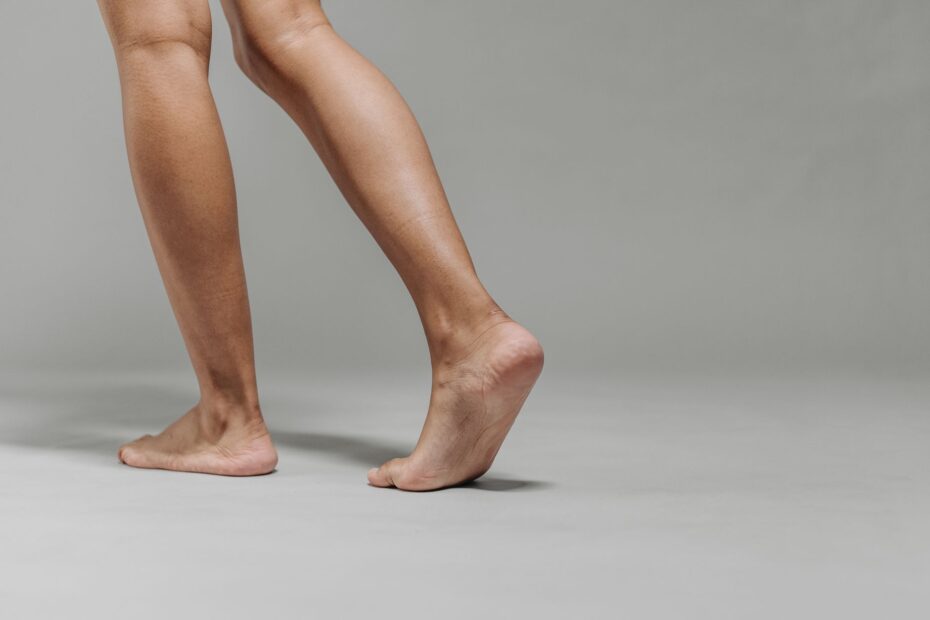
Pressure from a tight shoe, foot swelling, or a compressed nerve can reduce toe sensation during a walk. Tight footwear, Morton’s neuroma, peripheral neuropathy, circulation problems, and back-related nerve irritation can all produce this symptom during a walk.
You’ll learn how location, timing, shoe fit, pain, skin color, and related leg symptoms point toward the next practical step for your feet.
Symptom Patterns Show Where the Problem May Start
The place where feeling changes gives you a useful starting point. Numbness means reduced sensation, while tingling feels prickly, burning feels hot or sharp, and pins-and-needles can resemble a foot waking after pressure.
Walking exposes pressure that sitting does not. Each step loads the forefoot, raises space demands inside your shoe, and can irritate a nerve that feels normal while you rest. Hills, faster pace, and longer distances can bring symptoms on sooner.
Symptom Location Narrows the Possibilities
| Pattern you notice | Clue it can offer | Details to track |
|---|---|---|
| One or two toes on one foot | Local pressure, a forefoot nerve problem, or shoe compression | Your shoe pair, toe location, and forefoot pain |
| Burning between the third and fourth toes | Morton’s neuroma or irritation around a forefoot nerve | A pebble-like feeling and relief after shoe removal |
| Both feet feel numb | Peripheral neuropathy, medication effects, or metabolic causes | Symptoms at rest, nighttime burning, and diabetes mellitus history |
| Numbness with calf pain or skin color change | A circulation concern rather than shoe pressure alone | Cold skin, pale or blue color, and wounds that linger |
One-sided symptoms in a small area point more toward local nerve compression. Symptoms in both feet, especially at rest or overnight, deserve a broader health review because peripheral neuropathy symptoms can build gradually.
For example, your fourth toe starts tingling after two miles, followed by soreness under the ball of your foot. That pattern fits forefoot loading more closely than numbness that travels from your buttock down into the foot.
Back pain, shooting leg pain, a cold foot, or changing skin color moves the concern beyond the shoe. Those details do not name the source alone, but they guide your next step.
Walking and Footwear Can Trigger Temporary Nerve Compression
A cramped toe box can squeeze the small nerves that run toward your toes, especially after your feet swell during a longer walk. Tight shoes causing toe numbness fit this pattern when symptoms begin in one pair and fade after you remove that pair.
Your foot does not stay the same size through activity. Heat, repeated impact, and standing can increase foot volume enough that a shoe that felt fine indoors presses across the forefoot outdoors.
Pressure Builds Across the Forefoot
- Narrow toe box: Your toes lose room to spread, raising pressure on nerves between the metatarsal bones.
- Tight laces: Firm laces across the forefoot can compress soft tissue and limit normal foot expansion.
- Worn cushioning: Flattened midsoles pass more impact into the ball of your foot with every stride.
- Steep hills: Uphill walking shifts body weight toward the front of your foot and loads the toes.
- Sudden mileage jumps: A long route after shorter walks gives irritated tissue little time to settle.
Brisk hill walking, hiking with a pack, and long pavement walks place repeated force under the metatarsal heads. Metatarsalgia, or pain in the ball of the foot, can occur beside nerve irritation and leaves the area less tolerant of a tight shoe.
Stop and inspect your foot when numbness affects balance. Reduced feeling can hide a hot spot, blister, cut, or pressure injury until walking has made it worse.
Relief after loosening laces or removing shoes points toward ill-fitting footwear as a trigger, though it does not rule out an irritated nerve beneath the metatarsals. Symptoms that remain after a shoe change deserve more attention than one uncomfortable walk.
Forefoot and Ankle Conditions Can Cause Localized Numbness
A focused burning spot between the toes points toward a structure inside your foot rather than a whole-body nerve disorder. A swollen joint, altered arch, or thickened nerve can turn normal walking pressure into a pinch.
Localized symptoms also tend to stay in a repeatable area. Your notes should include the exact toe, sole area, or ankle region involved because that map gives a clinician more useful detail than “my foot feels numb.”
Morton’s Neuroma Irritates a Forefoot Nerve
Irritation or thickening around a forefoot nerve, often between the third and fourth toes, can cause Morton’s neuroma. You can feel burning, tingling, numbness, or the unusual sensation of a folded sock or pebble under your foot.
A narrow shoe can press the metatarsal bones together and aggravate that nerve. For example, you feel fine at the start of a shopping trip, then develop sharp forefoot burning after an hour in pointed shoes.
Tarsal Tunnel Syndrome Affects the Sole and Toes
Compression near the inside of the ankle can irritate the tibial nerve as it passes through the tarsal tunnel. Tarsal tunnel syndrome can send tingling into your heel, sole, arch, or toes rather than staying between two toes.
| Foot issue | Where you feel it | Walking clue |
|---|---|---|
| Morton’s neuroma | Between toes or under the forefoot | Burning and a pebble-like sensation in tighter shoes |
| Tarsal tunnel syndrome | Sole, heel, arch, or toes | Tingling that rises with standing or repeated steps |
| Bunion or hammertoe | Toe joint and nearby toes | Pressure from shoe contact or toe crowding |
| Flat feet or prior injury | Variable forefoot, arch, or ankle areas | Symptoms after fatigue changes how your foot rolls |
Bunions, hammertoes, flat feet, swelling, and old fractures can shift load onto a smaller area. Plantar fasciitis causes heel pain rather than toe numbness, yet heel pain can alter your stride and raise pressure farther forward.
Systemic Nerve, Spine, and Circulation Causes Need a Wider View
Symptoms that continue after shoe removal or occur in both feet call for a broader health review. Peripheral neuropathy affects nerves outside the brain and spinal cord, leaving your feet numb, burning, painful, or unusually sensitive.
The timing matters here. Foot numbness during exercise that stays limited to one shoe may fit pressure, while numbness at rest, nighttime burning, or steady spread across both feet points toward a different source.
Peripheral Neuropathy Has Several Triggers
Diabetes mellitus is strongly linked with peripheral neuropathy because elevated blood sugar can damage small nerves over time. Alcohol use, vitamin B12 deficiency, kidney disease, thyroid disorders, and some medications also belong in a clinician’s review of the causes of numb toes.
Loss of sensation can make small injuries harder for you to spot. A crack near a toe joint can worsen when you keep walking on it without feeling the friction. That fits regular foot-check guidance from the American Diabetes Association.
Spine and Blood Vessel Clues Differ
Lumbar radiculopathy occurs after irritation or compression of a nerve root near the low back. Sciatica can send pain, tingling, or numbness from your back or buttock down the leg and into your foot.
Peripheral artery disease, or PAD, more often causes cramping calf or thigh pain during exertion than isolated toe numbness. Still, a cold, pale, blue, painful foot or a wound that heals slowly needs prompt medical assessment.
Raynaud’s phenomenon can cause toes to turn pale, blue, then red during cold exposure or stress. That color cycle differs from nerve pressure during a warm walk, though recurring episodes still deserve discussion with a clinician.
That distinction makes cautious changes in walking conditions useful only when warning signs are absent.
Seek urgent medical care for sudden numbness with weakness, severe pain, a cold or discolored foot, new inability to walk, or loss of bladder or bowel control.
Low-Risk Changes Can Clarify a Walking Trigger
Before changing several things at once, record the pattern from one or two walks. Your notes can show whether distance, terrain, a lace pattern, swelling, or a specific shoe area brings symptoms on.
- Shorten the route: Stop before numbness becomes pronounced and record the distance where symptoms begin.
- Check shoe volume: Give your toes width and depth, not extra length alone at the front.
- Relax forefoot laces: Keep your heel secure while reducing pressure across the top of your foot.
- Smooth your socks: Remove bunching, thick seams, or folds that create a hard spot under a toe.
- Build distance gradually: Hold your route steady for several walks before adding hills, speed, or more mileage.
Your shoes should stay comfortable late in a walk, not only through the opening five minutes. A professional shoe fitting or podiatric foot assessment can identify fit problems, deformity-related pressure, and swelling that reduces available space.
A numb foot needs extra caution on uneven ground. Pause your walk when sensation loss changes balance or makes it hard for you to feel shoe rubbing.
Medical Evaluation Separates Pressure From Nerve and Blood-Flow Problems
Recurring numbness deserves a record rather than repeated endurance. A clinician can use your symptom map to separate shoe pressure from foot disorders, peripheral neuropathy, lumbar radiculopathy, and circulation concerns.
Bring the pair you walk in and write down the distance or activity level that brings symptoms on. That detail can show whether pressure starts at a repeatable point or appears without a clear activity trigger.
Prompt Appointments Fit Persistent Patterns
Arrange a medical visit for worsening episodes, symptoms in both feet, numbness unrelated to activity, diabetes, sores you struggle to feel, or a foot injury that does not improve. Numbness and tingling can arise from nerve injury or disease, as described by the National Institute of Neurological Disorders and Stroke.
Your appointment can include a review of medications, alcohol use, nutrition, back symptoms, and medical history. The examination may include foot shape, skin condition, sensation, reflexes, muscle strength, pulses, and the shoes you wear for walking.
Tests Follow the Symptom Pattern
Blood work can look for diabetes, vitamin B12 deficiency, thyroid disease, or kidney concerns. Based on your findings, a clinician may use nerve studies, back imaging, ultrasound, or blood-flow studies to narrow the source.
Structural foot pain and gait-related concerns may call for a foot specialist. Bring your walking shoes and a short symptom log, since worn tread, toe-box shape, and the exact onset point can guide the examination. The American Podiatric Medical Association identifies foot specialists as a resource for these concerns.
What to Remember
Numbness in toes while walking is easier to sort out through its pattern: where it starts, what triggers it, what travels with it, and whether it fades after pressure ends. Give your toes room, reduce the walk that brings symptoms on, and track the details.
Persistent, spreading, or sudden numbness needs medical attention because your feet cannot protect you well with reduced feeling. A change in color, temperature, strength, balance, or wound healing raises the need for prompt care.
FAQ
Why do my toes go numb when I walk?
Your toes can go numb during walking because shoes, swelling, repetitive impact, or foot shape place pressure on a nerve. Local disorders such as Morton’s neuroma can cause the same pattern. Numbness in both feet, leg pain, back pain, or color changes points toward a broader nerve, spine, or circulation cause.
Why do my toes go numb only when I walk?
Walking adds repeated load to the forefoot and can make your feet swell inside a shoe. That added pressure can irritate a nerve that feels normal while you sit. A repeatable symptom after a certain distance suggests that shoe fit, terrain, or forefoot loading deserves attention.
Can tight shoes cause numbness in toes?
Yes. Tight shoes can compress nerves across your forefoot or crowd your toes, especially after your feet swell with activity. Symptoms that start in a narrow pair, worsen on hills, and fade after shoe removal fit footwear pressure more closely than symptoms present during rest.
Can tight shoes or walking shoes cause numb toes?
A narrow or shallow toe box, firm forefoot lacing, or swelling can make walking shoes compress the toes and cause numbness. Your walking shoe should leave room for toe movement late in the walk, not only at the start.
Is toe numbness while walking a sign of neuropathy?
Burning at night, symptoms in both feet, or numbness that continues after a walk can point to peripheral neuropathy. Diabetes mellitus, alcohol use, vitamin B12 deficiency, medications, and other health conditions can contribute, so your medical history matters.
Is toe numbness while walking a sign of diabetes or peripheral neuropathy?
Diabetes mellitus can contribute to peripheral neuropathy, which may cause numbness, burning, pain, or increased sensitivity in both feet. A shoe-related problem remains possible with diabetes, so the full pattern matters. Your clinician can review blood sugar history, symptoms at rest, skin condition, and sensation.