A solid pair of boots quietly decides how every mile of a backcountry trip feels. Heavy socks, a tuned trekking pole, and a well-packed pack all mean less when your feet slip on wet rock or blister on day two. I pulled together seven boots that real backpackers reach for across day hikes, weekend loops, and longer carries. Each one covers a different mix of weight, support, weather protection, and budget, so there’s a sensible match for almost any plan.
The Shortlist At A Glance

adidas Men’s Terrex Free Hiking Shoe

Merrell Women’s Moab 2 Vent Mid

ARIAT Women’s Terrain Waterproof Boots

Columbia Men’s Fairbanks Low

HUMTTO Men’s All-Terrain Waterproof Hiking Boots

Columbia Men’s Newton Ridge Plus II
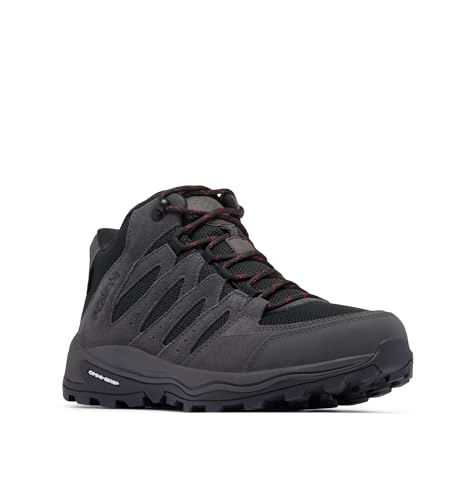
Columbia Men’s Redmond IV Mid Waterproof
A Closer Look At Each Pick
Backpackers chasing fast miles on graded singletrack often want less shoe, not more, and the adidas Men’s Terrex Free Hiking Shoe fits that mindset. The low-cut silhouette moves like a trail runner, freeing the ankle to roll over roots and rocky steps without fighting a stiff collar. For dry summer trips, in our view, this is the kind of boot that disappears under your feet once you’re moving.
Compared to the mid-cut options later on this list, the Terrex trades ankle support for agility. That works well on well-marked routes where every ounce in the pack matters. Beginners carrying 25+ pounds over rough terrain will likely want more structure than this pick offers.
Everyday Wins
- Low-cut profile saves weight on every step
- Lets feet flex naturally over rolling terrain
- Dries quickly after creek crossings in warm weather
- Easy to break in, no painful first-day hotspots
Things To Consider
- Limited ankle support on rocky or off-trail routes
- Mesh-heavy upper may wear faster than leather alternatives
Who Should Grab It
Fast hikers moving light on graded summer trails, where agility matters more than armor.
Consider Something Else When
Backpackers planning wet, technical routes should look at the Columbia Men’s Newton Ridge Plus II, which adds waterproofing and a stiffer midsole.
The Merrell Women’s Moab 2 Vent Mid earns its long-standing reputation by feeling comfortable straight out of the box, which is rare for hiking boots. The mid-cut height adds ankle stability for moderate loads without feeling clunky on the trail. For summer backpacking in the Appalachians or similar wooded ranges, depending on your terrain, the Moab 2 Vent strikes a balanced middle ground that beginners and seasoned packers both appreciate.
The “Vent” in the name signals breathable mesh panels, which keep feet cooler on warm trips but also mean the boot isn’t built for deep puddles or wet grass. Compared to the leather ARIAT that follows, this pick is lighter but less weatherproof. Maintenance is easy, you may find that occasional cleaning of the mesh keeps it looking fresh across many trips.
What Helps Most
- Comfortable fit right out of the box
- Vibram outsole grips varied trail surfaces
- Lightweight feel reduces foot fatigue on long days
- Mid-cut ankle support suits moderate pack weights
Honest Caveats
- Ventilated design lets water in during stream crossings
- Synthetic materials show scuffs sooner than full-grain leather
- Sizing can run slightly narrow for wide feet
Right Fit For
Beginner backpackers and warm-weather trekkers who value comfort and traction over waterproofing.
Skip It When
Wet-weather adventurers will find a better match in the Columbia Men’s Redmond IV Mid Waterproof, which shares similar support with a sealed membrane.
The ARIAT Women’s Terrain Waterproof Boots borrow from ARIAT’s riding heritage, giving backpackers a sturdy leather boot that handles mud, rain, and uneven ground with composure. The waterproof lining keeps feet dry through morning dew and shallow creek crossings, a real comfort on shoulder-season trips. Built with all-day wear in mind, this pick suits riders-turned-hikers and anyone who values a tough, supportive boot over a light one.
That same durability adds weight, and depending on your pack and pace, you may find these feel heavier than the Merrell Moab 2 above. The break-in period is longer, too. Conditioning the leather periodically helps extend its life, which is a small trade-off for the long-term protection it offers.
Everyday Advantages
- Waterproof construction handles wet trail conditions
- Durable leather upper resists abrasion on rocky trails
- Stable platform supports multi-day pack weights
- Classic styling transitions from trail to town
Things To Consider
- Heavier than mesh-based hiking shoes
- Leather requires break-in and occasional conditioning
Made For
Backpackers tackling mixed terrain in damp climates who want a sturdy, weatherproof boot they can rely on for years.
Look Elsewhere When
Fast-packers chasing mileage will prefer the lighter adidas Men’s Terrex Free Hiking Shoe for its agile, low-cut feel.
The Columbia Men’s Fairbanks Low blends the durability of leather with the comfort of mesh webbing, in a low-cut package that works well on dry, well-graded trails. The Techlite cushioned midsole absorbs impact over miles of rocky tread, easing the toll of a long day with a light pack. Omni-Grip rubber, Columbia’s high-traction outsole compound, steadies every step on loose gravel and slick rock.
Compared to the higher Newton Ridge further down this list, the Fairbanks trades waterproofing and ankle height for agility and breathability. For shoulder-season day hikes in mild, dry weather, depending on your conditions, this is a versatile everyday hiker. The leather-and-mesh mix is also easier to clean than full leather, though it still benefits from light conditioning now and then.
Positive Takeaways
- Techlite midsole cushions long trail days
- Omni-Grip outsole handles varied surfaces confidently
- Leather and mesh upper balances durability with airflow
- Low-cut design suits day hikers and fast-packers
Trade Offs
- Low-cut profile offers limited ankle protection
- Mesh sections absorb water in damp conditions
- Less supportive under heavy overnight loads
Feature Snapshot
Best Suited To
Day hikers with light loads tackling dry, well-graded trails where cushioning and grip matter most.
A Better Fit Elsewhere
Backpackers carrying 30+ pounds in wet weather will want the more protective Columbia Men’s Redmond IV Mid Waterproof instead.
The HUMTTO Men’s All-Terrain Waterproof Hiking Boots aim to give newer backpackers the protection of a waterproof boot without the price tag of premium brands. For weekend trips and entry-level routes, in most conditions, this pair delivers the basics: weather protection, decent traction, and enough ankle support for moderate pack weights. It is a sensible starting point for someone testing the backpacking waters.
The honest read is that this boot is not built for the same longevity as a premium Columbia or Merrell, and you may find the materials show wear faster under heavy use. For the price, though, it covers the core job. Air-drying after wet trips helps preserve the waterproof membrane, which is the most common ownership issue reported with boots in this category.
Key Advantages
- Waterproof membrane keeps feet dry on damp trails
- Approachable entry into backpacking footwear
- Mid-cut ankle support suits moderate pack weights
- Traction holds up on dirt, gravel, and light rock
Points To Keep In Mind
- Construction may not match the lifespan of premium brands
- Outsole grip is solid but not aggressive for technical terrain
Whose Shelf It Belongs On
New backpackers building a kit on a budget, planning weekend trips on established trails.
Swap It Out When
Long-distance backpackers should consider the Columbia Men’s Newton Ridge Plus II for its more durable construction across multi-day trips.
The Columbia Men’s Newton Ridge Plus II is a classic mid-cut hiker that pairs waterproof construction with the ankle support backpackers need for multi-day trips. The midsole absorbs impact over rocky terrain, while the traction outsole grips mud, loose dirt, and wet rock with confidence. For backpackers moving 20 to 30 pounds through variable conditions, this is the kind of boot that handles surprises without complaint.
Compared to the HUMTTO above, the Newton Ridge uses more durable materials and lasts longer under heavy use. The trade-off is a higher price and slightly more weight, which is fair for the protection gained. The mesh-lined waterproof bootie can take a day to dry after full submersion, so depending on how wet your trip gets, you may want to pack dry socks.
Benefits That Matter
- Waterproof membrane keeps feet dry across wet sections
- Mid-cut height supports ankles under heavy loads
- Traction handles mixed trail surfaces reliably
- Durable build lasts through multiple backpacking seasons
Worth Bearing In Mind
- Heavier than low-cut trail runners
- Waterlogged bootie needs time to dry after full submersion
Feature Snapshot
Perfect Match For
Multi-day backpackers carrying moderate to heavy loads in variable weather who want a reliable mid-cut boot.
Reach For A Different Pick When
Light, fast travel on dry trails will feel nimbler in the adidas Men’s Terrex Free Hiking Shoe.
The Columbia Men’s Redmond IV Mid Waterproof is built for backpackers who don’t want to think about their boots once the trail starts. The waterproof membrane keeps rain and wet grass at bay, and the mid-cut height gives ankles a fighting chance on uneven ground. For shoulder-season trips in the Pacific Northwest or anywhere wet conditions are routine, the Redmond IV is a steady companion.
The build skews toward durability, so this is a heavier boot than the adidas Terrex at the top of this list. That weight is the cost of weatherproofing and a stiffer platform. Cleaning the synthetic upper takes a damp cloth and a few minutes, which is a small bit of upkeep that extends the life of the waterproof membrane.
Strong Points
- Waterproof membrane handles wet shoulder-season trips
- Mid-cut design supports ankles over rough terrain
- Durable build suited to repeated backpacking use
- Traction holds steady on wet rock and roots
Practical Considerations
- Heavier than low-cut trail shoes
- Less breathable than vented mesh options in summer
- Synthetic upper is easy to wipe clean but less premium than leather
Quick Facts
The Right Fit
Backpackers tackling wet, variable routes across multiple seasons who prioritize weatherproofing and ankle support.
Where A Sibling Pick Shines
Hot, dry summer trips call for the breathable Merrell Women’s Moab 2 Vent Mid, which handles warm weather more comfortably.
What Matters Most When Choosing Boots For Backpacking
Match the Boot to the Trip, Not Just the Trail
Think about typical trip length, pack weight, and weather before falling in love with a silhouette. Day hikes with light loads forgive low-cut trail shoes like the adidas Terrex, while multi-day trips with 25+ pounds usually demand mid-cut support and waterproofing like the Columbia Newton Ridge. Terrain matters just as much: graded dirt paths tolerate flexible soles, while rocky or off-trail routes reward stiffer platforms.
Cut Height Shapes Ankle Support
Low-cut shoes move freely and dry fast but offer minimal protection when a load shifts on uneven ground. Mid-cut boots, common across most options on this list, balance mobility with ankle stability for moderate to heavy loads. High-cut mountaineering boots exist but exceed what most backpackers actually need, so they tend to overbuild the experience for trail-based trips.
Waterproofing Has Real Trade-offs
Sealed membranes keep feet dry during rain and stream crossings, which matters on shoulder-season trips and in damp climates. The trade-off is breathability: waterproof boots run warmer in summer and take longer to dry if water seeps in over the top. For warm, dry routes, a vented boot like the Merrell Moab 2 Vent keeps feet cooler through long days.
Outsole Grip Should Match Your Surface
Aggressive lugs bite into mud and loose dirt, while flatter patterns work better on slick rock and graded trails. Omni-Grip and Vibram compounds both offer reliable traction across mixed surfaces, which is why they recur across this list. Matching grip to the dominant surface on your route prevents slips and extends the life of the outsole.
Smart Choices Across These Picks
Common Buying Slip Ups
The most frequent mistake is choosing boots by looks rather than by trip profile. A waterproof mid-cut boot feels reassuring in the store but becomes a sweaty burden on a hot summer day hike. Fit matters more than almost any feature, since a well-fitted vented boot outperforms a poorly sized waterproof one. Try boots on with the socks you actually hike in, and walk the store for a few minutes before committing.
What The Higher Tier Buys
Premium hiking boots earn their price through better materials, stronger waterproof membranes, and stiffer midsoles that hold up over many seasons. For backpackers logging multiple multi-day trips each year, the durability difference is real, since cheaper boots often need replacement after a single season of heavy use. The upgrade pays off for anyone carrying heavier loads or hiking in tough, wet conditions where boot failure on day two of a five-day trip is no joke.
Frequently Asked Questions
How should boots for backpacking fit?
Boots for backpacking should feel snug in the heel with room to wiggle toes at the front. Thicker hiking socks and a thumb’s width of space at the longest toe prevent black toenails on downhills.
Do I need waterproof boots for backpacking?
Waterproof boots earn their keep on wet trails, shoulder-season trips, and routes with frequent stream crossings. Dry, warm climates often favor breathable, vented boots that keep feet cooler.
How long do hiking boots typically last?
Most hiking boots last somewhere between 500 and 1,000 miles, depending on terrain, pack weight, and care. Air-drying after wet trips and occasional cleaning help extend that range considerably.
Are mid-cut or low-cut boots better for backpacking?
Mid-cut boots suit most backpackers because they balance ankle support with mobility. Low-cut trail shoes work well for fast, light trips on graded terrain.
How do I break in new hiking boots?
Wear new boots around the house and on short walks before taking them on a long trip. A few neighborhood miles help the footbed mold to your foot and reveal pressure points early.
The Takeaway
The right pair of boots quietly carries every mile, every hour, and every surprise the trail throws at you. Match the boot to your typical trip rather than the most dramatic trip you’ve ever imagined, and your feet will thank you on day two. Any of the seven picks above will serve a specific kind of backpacker well; the trick is being honest about the kind of trips you actually take.