Mixing road and trail mileage in one shoe saves you from owning two pairs, but it also means every step asks the same outsole to handle pavement, gravel, roots, and wet rock. That’s a tall order. Hybrid trail running shoes split the difference with enough grip for loose ground and enough cushion for long, flat stretches, so you can log mixed-terrain workouts without swapping footwear at the car.
The Main Contenders

ASICS Men’s GT-1000 13 Trail Running Shoes

Salomon Men’s Speedcross 4 Trail Running Shoes
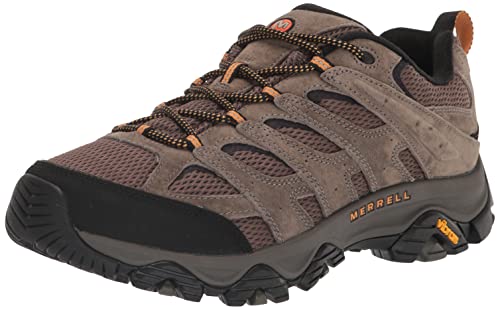
Merrell Men’s Moab 3 Hiking Shoe
ALTRA Women’s Experience Flow 2 Road Running Shoe

ALTRA Men’s Torin 8 Road Running Shoe

Men’s Experience Wild 2
A Closer Look At Each Pick
You log most of your miles on pavement, but your weekend route cuts through a park with roots and loose gravel. That is exactly the kind of split the ASICS Men’s GT-1000 13 Trail handles without drama. The shoe uses a guidance system built around stability, which means each footstrike is gently steered into a more balanced landing rather than rolling around on uneven ground.
Up top, the polyester and mesh upper wraps the foot with a soft, breathable feel that doesn’t pinch across the forefoot on long climbs. Compared with the speed-focused Salomon you’ll see later, this ASICS leans more toward a planted, supportive ride. You give up some ground feel, and in return you get a shoe that feels steady when fatigue starts to set in on the back half of a long run.
The Practical Payoff
- Stability-focused guidance system helps tired feet stay balanced on uneven terrain
- Breathable mesh upper keeps the forefoot from overheating during warm-weather miles
- Removable OrthoLite sockliner lets you swap in custom insoles if you need extra arch support
- Soft step-in comfort makes the shoe feel broken-in from the first wear
- Versatile enough to handle mixed routes where pavement and dirt alternate every mile
Worth Noting
- The mesh upper tends to let debris and small stones sneak in on dusty trails
- Heavier than minimalist trail racers, so it may feel sluggish during fast intervals
Who It Suits Best
Runners building a daily mileage base who want one shoe that handles park paths, gravel, and the occasional root without feeling specialized.
Look Elsewhere When
You spend most weekends on muddy singletrack, where the Salomon Speedcross 4’s deeper lugs will claw through soft ground far more confidently.
You don’t want a polite hybrid. You want something that bites into wet grass and squelching mud and pulls you uphill. The Salomon Speedcross 4 is built for exactly that. It’s the fourth iteration of a shoe known for aggressive, widely spaced lugs, and that outsole is the main reason it earns a place on a hybrid list at all.
Where the ASICS GT-1000 13 leans toward stability for tired feet, the Speedcross leans toward speed and grip. The trade-off shows up the moment you step onto pavement. Those deep lugs create a clattering, almost skate-like feel on asphalt, and the cushion stack is firm rather than plush. You learn quickly to keep this one off the road and save it for the trails it was designed to devour.
Strengths Worth Knowing
- Deep, widely spaced lugs grip soft, muddy, or snow-dusted ground with serious bite
- Quick-drying upper helps the shoe shed water during stream crossings
- Iconic trail silhouette built on years of refinement across earlier versions
- Secure lacing system holds the foot locked in on steep descents
Points To Keep In Mind
- Lugs feel awkward and loud on hard pavement, making it a poor choice for road-led routes
- Firm cushioning can feel punishing during long, flat stretches without dirt underfoot
- Aggressive profile adds weight that slower-paced runners may find tiring
Made For
Trail runners who spend their miles on technical, soft, or wet ground and want a shoe that treats mud and roots like a feature, not a problem.
Where A Sibling Pick Shines
For a smoother daily-driver feel across mixed surfaces, the ASICS GT-1000 13 Trail gives up grip for comfort, which most commuters will appreciate.
The Merrell Moab has been a familiar name on trailheads for years, and version 3 keeps that reputation intact with a softer, more cushioned midsole than earlier editions. The shoe is technically a hiker, not a runner, but plenty of people lace it up for brisk trail jogs, dog walks that turn into short runs, and gym sessions that spill onto grass.
You get a grippy Vibram outsole that handles wet rock better than many trail runners in this price range, and the upper has the kind of protective structure that shrugs off trail-side scrapes. Compared with the Speedcross 4, the Moab trades outright grip depth for a more comfortable, all-day feel. It is the shoe you grab when you aren’t sure whether the day will turn into a hike, a run, or both.
Standout Benefits
- Vibram outsole provides reliable traction on wet rock, dirt, and loose gravel
- Cushioned midsole softens long days on hard-packed trail surfaces
- Protective upper construction stands up well to scrapes against rocks and brush
- Trusted Moab lineage backed by years of trail-side refinement
- Roomy forefoot accommodates wider feet and thicker hiking socks
Honest Caveats
- Heavier than dedicated trail runners, which slows down faster-paced efforts
- Leather-and-mesh upper takes longer to dry after stream crossings than synthetic trail mesh
- Not optimized for high-cadence running form
Best Suited To
Hikers who occasionally break into a jog, dog walkers covering uneven ground, and anyone who values all-day comfort over racing speed.
Skip It When
You want a lighter, faster shoe for actual running mileage, where the ALTRA Experience Wild 2 keeps weight down without sacrificing ground feel.
ALTRA built its reputation on foot-shaped toe boxes, and the Experience Flow 2 leans into that philosophy for runners who want room to splay their toes. The shoe is categorized as a road runner, but its grippy outsole handles well-packed gravel paths and crushed limestone trails with more confidence than a typical pavement-only trainer.
The ride feels smooth and natural underfoot, which is the point. Compared with the stability-focused ASICS at the top of this list, the ALTRA is far less prescriptive about how your foot should land. You get a zero-drop platform that lets your stride settle where it wants to. For women who log mostly pavement but regularly detour onto park trails, this strikes an honest balance.
What Makes Sense
- Roomy, foot-shaped toe box lets toes spread naturally on long runs
- Smooth midsole foam delivers a forgiving ride for daily mileage
- Outsole handles compact dirt and gravel without slipping on easy terrain
- Zero-drop platform encourages a more natural footstrike pattern
Some Limits To Know
- Outsole lugs are shallow, so it struggles in soft mud or loose sand
- Roomy fit may feel sloppy for runners used to a snug, locked-in heel
- Road-oriented cushioning can feel flat on rocky or root-heavy trails
Perfect Match For
Women who run mostly on pavement and want one shoe that survives the occasional shortcut through a park or dirt trail without feeling specialized.
Reach For A Different Pick When
You regularly face loose dirt or technical terrain, where the Merrell Moab 3’s Vibram outsole grips with much more confidence.
The Torin 8 sits in ALTRA’s lineup as a cushioned road trainer, which is not technically trail gear. Still, plenty of runners use it as a hybrid because the outsole grips well-packed surfaces far better than older road shoes used to. You get a noticeably softer ride than the Experience Flow 2, and that plush feel matters when you tack a few miles of gravel onto a long road run.
Where the Moab 3 feels rugged and the Speedcross feels aggressive, the Torin 8 feels quiet and protective. The zero-drop platform keeps things natural, and the roomy forefoot reduces hot spots during longer efforts. It is the shoe you wear when the trail you take home from work is more suggestion than singletrack.
Practical Pluses
- Generous cushion stack softens impact on long, mixed-surface runs
- Foot-shaped fit accommodates natural toe splay over high miles
- Outsole grips packed dirt and gravel without feeling aggressive on pavement
- Quiet, smooth ride that blends nicely into easy recovery days
Possible Compromises
- Cushioning depth adds weight compared to leaner road trainers
- Not built for technical or muddy terrain where aggressive lugs are required
- Upper can run warm during summer miles in direct sun
The Right Fit
Road-first runners who want plush comfort for daily training and only occasionally leave the pavement for short trail detours.
Consider Something Else When
Wet, technical trails are a regular part of your routine, where the Salomon Speedcross 4’s aggressive lugs handle mud and loose dirt far more reliably.
The Experience Wild 2 is the trail-tuned sibling of the Flow 2 we covered earlier, and it picks up where that road shoe leaves off. The foot-shaped fit stays the same, but the outsole grows real lugs that bite into dirt instead of skating across it. For runners who want ALTRA’s roomy toe box without giving up off-road grip, this is the natural pick.
The ride feels slightly firmer than the cushioned Torin 8, and that tradeoff tends to show up on long pavement stretches between trail sections. It is not a deal-breaker, but you will notice the difference on routes that lean more road than trail. Where the Merrell Moab 3 feels protective and planted, the Wild 2 feels lighter and more responsive underfoot, which matters when you pick up the pace.
Advantages To Know
- Real trail lugs grip dirt, gravel, and loose terrain with confidence
- Foot-shaped upper lets toes splay naturally during long climbs
- Lighter feel than the Moab 3 makes it better suited for running paces
- Balances road comfort with off-road capability in a single shoe
Things To Weigh
- Firmer cushioning can feel harsh on long stretches of asphalt between trail sections
- Less protective upper than dedicated hiking shoes on rugged terrain
- Roomy fit may not suit runners who prefer a snug, locked-down heel
Who Should Grab It
Runners who split their mileage roughly evenly between road and trail and want one shoe that handles both without obvious compromise.
Swap It Out When
You need extra foot protection on rocky terrain, where the Merrell Moab 3’s reinforced upper handles rough ground more confidently.
What To Weigh Before Choosing Hybrid Trail Running Shoes
Hybrid shoes live in the middle ground, so the right pick depends on how lopsided your mileage really is. Start with the surface mix you log each week, because that determines whether you need deep lugs or just enough grip to keep things safe on gravel.
Outsole lug depth matters more than tread pattern alone. Shallow lugs disappear fast on wet grass or loose dirt, while aggressive spikes feel clumsy on pavement. Look for a middle-ground tread if your routes mix surfaces, and reserve deep, widely spaced lugs for runners who spend real time on soft ground.
Cushioning is where hybrid shoes make their biggest compromises. Plush midsoles feel wonderful on the road but can feel mushy and unstable on uneven trails, where a firmer platform lets your foot sense the ground better. Try to match cushion density to the surface where you spend the most time.
Fit is the easiest thing to overlook. Foot-shaped toe boxes give your toes room to splay on long climbs, while traditional lasts feel more locked-in on technical descents. If you have wider feet, a roomy toe box will save you from black toenails and hot spots during longer miles.
Smart Decisions Before You Commit
Pitfalls Shoppers Hit
The biggest mistake is buying a road shoe and expecting trail performance, or grabbing an aggressive trail shoe and expecting it to feel smooth on pavement. The other common slip-up is choosing a shoe based on colorways or cushion marketing rather than actual lug depth and outsole rubber. Hybrid shoes work best when matched honestly to your weekly mileage split.
What The Higher Tier Buys
Premium models in this category usually bring better upper materials, more refined midsole foams that balance cushion and ground feel, and outsoles that grip well across varied surfaces instead of excelling at one and failing at the other. That balanced performance matters most for runners who genuinely cover mixed terrain every week rather than occasionally stepping off the curb.
Frequently Asked Questions
What actually makes a hybrid trail running shoe different from a regular road or trail shoe?
A hybrid shoe blends a road-style cushioned midsole with a trail-style grippy outsole. The cushion handles pavement comfort, while the lugs grip dirt and gravel. The goal is one shoe that doesn’t feel awkward when your route changes mid-run.
Can hybrid trail running shoes handle real trail miles, or only easy paths?
It depends on the shoe. Models with shallow lugs handle well-packed dirt paths fine, but soft mud, loose sand, or technical rock calls for deeper, more aggressive lugs. Check the outsole before assuming any hybrid will manage rough terrain.
How long do hybrid trail running shoes usually last before the lugs wear down?
Outsole lifespan varies with terrain and mileage. Running on pavement wears lugs faster than soft dirt, so heavy road use can flatten a hybrid’s grip in a few hundred miles. Pure trail runners tend to keep their bite longer under the same conditions.
Are hybrid trail running shoes good for hikers who want to jog occasionally?
Yes, for hikers moving at a brisk pace on mild trails. Hiking-specific shoes offer more underfoot protection and ankle support, but a hybrid handles hiking-to-jogging transitions more naturally. Pick based on which activity you’ll actually do more.
Do zero-drop platforms change how hybrid trail running shoes feel?
Zero-drop means the heel and forefoot sit at the same height, which encourages a more natural footstrike. Runners used to elevated heels may need a short adjustment period, especially on longer efforts, but many find the lower profile more comfortable over time.
Wrap Up
The right hybrid shoe is the one that matches your real weekly mileage split, not the one with the flashiest outsole. Focus on lug depth, cushion firmness, and fit, and let those three details guide the call. Any of the six picks above will serve mixed-surface runners well, as long as the strengths line up with where you actually log your miles.