Cutting grass looks simple until you’ve slipped on dew-soaked turf, kicked a hidden sprinkler head, or walked barefoot across a sun-scorched driveway. The right pair of shoes turns a sloppy chore into a smoother one. This roundup focuses on closed-toe options that handle wet grass, scattered clippings, and the occasional stray rock, so your feet stay protected and supported through every season.
An Overview Of The Picks
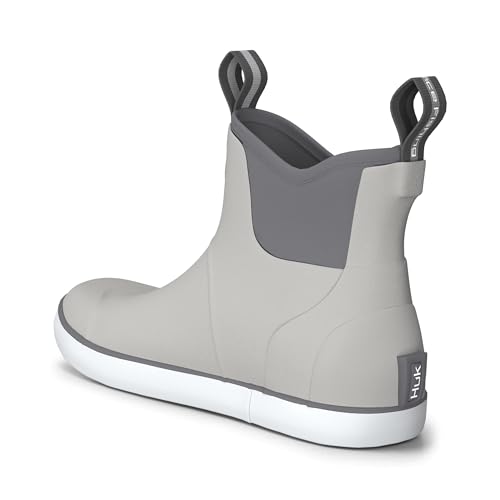
HUK mens Rogue Wave Shoe

Shimano EVAIR Fishing Shoe

adidas Men’s Samba Classic

HISEA Men’s Steel-Toe Rain Boots
WHITIN Men’s Wide Barefoot Shoes W710
A Breakdown Of The Leading Choices
Wet grass after an early-morning mow can turn any ordinary sneaker into a soggy, slippery liability, and that’s exactly the situation the HUK Rogue Wave was built around. Its rubber and neoprene upper sheds water on contact, while the aggressive GRIP-X outsole pattern bites into slick turf and muddy patches.
Inside, an 8mm molded EVA footbed softens the constant heel-to-toe impact of pushing a mower over uneven ground. For most suburban yards with sprinklers, dew, or sloped sections, this profile is a confident all-rounder that doubles as a deck shoe.
Why It Works Well
- Rubber and neoprene upper keeps feet dry on dewy or rain-soaked grass
- GRIP-X outsole pattern grips slippery slopes that catch other shoes
- Thick 8mm molded EVA footbed reduces fatigue across long mowing sessions
- Commercial-grade reinforced webbing pull-straps make slipping them on fast after the mower is fired up
Things To Consider
- Heavier than the Shimano EVAIR, which can feel clunky during quick trim passes
- Neoprene builds warmth in midsummer sun, so midday mowers may find their feet hot
Key Specs
Right Fit For
Homeowners with damp, hilly lawns who cut grass early in the morning when dew is heaviest.
Swap It Out When
The Shimano EVAIR Fishing Shoe is a better match for someone who values a barely-there feel over heavy-duty weather protection.
Pulling a push mower across a flat quarter-acre is light work, but lugging heavy boots around the yard turns a quick chore into a workout. The Shimano EVAIR takes the opposite approach: an ultralight EVA build that feels closer to a slipper than a work shoe.
Its design borrows from fishing footwear, where sensitivity and minimal weight matter more than armor. For most homeowners with a tidy lawn and dry conditions, the trade-off feels right.
Good Reasons To Consider
- Ultralight EVA construction reduces leg fatigue over long trimming sessions
- Low-profile silhouette fits the foot naturally and slips on without fuss
- Quick-drying material rinses clean after muddy patches
Worth Noting
- No reinforced toe cap, so a dropped mower deck or stray brick can leave a mark
- Minimal arch support may bother anyone standing on a mower platform for an hour
- Less aggressive tread than the HUK Rogue Wave, which can slide on slick slopes
Whose Shelf It Belongs On
Casual weekend mowers with smaller, flatter lawns who care more about comfort than heavy-duty protection.
Reach For A Different Pick When
Anyone walking rough terrain with hidden debris will find the HISEA Men’s Steel-Toe Rain Boots far better suited to the abuse.
The Samba is one of the longest-running indoor court shoes out there, and that pedigree translates surprisingly well to dry summer mowing. Its leather upper handles dust and clippings without complaint, and the low-profile gum sole stays planted on level turf.
Unlike the HUK Rogue Wave’s weather-ready build, this shoe assumes you’re cutting on a dry day with a bagged mower that catches most debris. For typical suburban mowing, it slots in as a versatile everyday option.
Practical Pluses
- Leather upper wipes clean with a damp cloth after dusty cuts
- Lightweight EVA midsole keeps the foot responsive over push-mower runs
- Recognizable silhouette that doubles as casual everyday wear
Trade Offs
- Leather absorbs water, so wet morning mowing is uncomfortable
- Smooth indoor-pattern tread offers less grip than purpose-built lawn soles on slopes
- Lacks a reinforced toe, leaving the foot exposed to dropped equipment
Key Specs
Best Suited To
Homeowners with small, flat yards who mow in daylight hours on dry ground and want one shoe for errands and lawn care.
A Better Fit Elsewhere
The WHITIN Men’s Wide Barefoot Shoes W710 makes more sense for barefoot-style fans who want maximum ground feedback.
Some yards come with hazards a sneaker can’t handle: rusted rake heads in the brush pile, rolling stones on a slope, and standing water after a thunderstorm. The HISEA rain boots answer those conditions with a steel toe cap and a waterproof rubber build.
The slip-resistant outsole pattern grounds the foot on slick grass and mud. Compared to the lighter Shimano EVAIR, this is a tank, and that heft pays off when the lawn is part of a larger property with rough ground.
The Case For It
- Steel toe cap protects against dropped tools, rocks, and mower mishaps
- Waterproof rubber shell keeps feet dry in standing water and soaked turf
- Slip-resistant tread grips muddy banks and pond edges
Honest Caveats
- Noticeably heavier than the other picks, which slows quick trim work
- Limited breathability can leave socks damp inside during summer heat
- Pull-on style requires adjustment each session
Who Should Grab It
Property owners with rough, uneven terrain, livestock areas, or construction debris in the mowing path.
Where A Sibling Pick Shines
The HUK mens Rogue Wave Shoe handles everyday suburban mowing better, thanks to lighter EVA cushioning underfoot.
Conventional lawn shoes squeeze the toes into a narrow taper, which can feel punishing after an hour of edging. The WHITIN W710 flips the script with a wide toe box and zero-drop platform, meaning the heel and forefoot sit on the same plane.
The tire-tread-inspired sole pattern grips uneven soil without the bulky stack of a hiking shoe. For barefoot-shoe fans who still want lawn traction, this design lands a balance the HUK Rogue Wave’s neoprene upper can’t match.
Standout Benefits
- Wide toe box lets toes splay naturally during long edging sessions
- Zero-drop sole promotes a flat, stable stance on slopes
- Tire-tread-inspired lug pattern channels mud and grips soft ground
Small Caveats
- Minimal cushioning can feel thin on hard-packed driveways and concrete walks
- Mesh-style construction may let clippings and dust into the shoe
Key Specs
Perfect Match For
Natural-movement enthusiasts with uneven lawns who mow for stretches and prefer ground feedback over thick cushioning.
Not Your Match When
Anyone working around sharp debris or heavy equipment should step up to the HISEA Men’s Steel-Toe Rain Boots for proper protection.
Choosing Lawn Mowing Shoes That Actually Work
Start With Your Lawn’s Conditions
Wet, sloped grass punishes any shoe without real traction. Look for outsoles with deep, multi-directional lugs and siping (small slits cut into the rubber for extra grip on slick surfaces). Owners mowing after rain or early in the morning benefit from waterproof uppers. Dry, flat lawns are far less demanding, and a lighter shoe can handle the work without overheating the foot.
Think About Protection Beyond Traction
A toe cap matters more than people expect. Lawns hide sprinkler heads, edging stones, and forgotten tools. Steel or composite toe caps in boots like the HISEA shield the foot from impacts that would crack an open sneaker. Waterproof membranes keep socks dry through dewy grass and standing puddles, and reinforced toe bumpers add a second layer of defense against scuffs from the mower deck.
Match Cushioning To Session Length
Short weekend touch-ups rarely tax the feet, so an ultralight EVA build feels invisible. Multi-hour sessions, especially on rough ground, demand a molded footbed with at least 8mm of cushioning to absorb repeated impacts. Zero-drop shoes offer stability, but they trade plushness for ground feel.
Consider How You’ll Use Them After
A shoe that doubles as casual wear saves closet space. The adidas Samba moves easily from lawn to lunch, while dedicated rain boots earn their keep in the yard but rarely leave it. Climate also matters: hot, humid summers call for breathable uppers, and cold shoulder seasons favor waterproofing over airflow.
Key Considerations Across These Picks
Common Buying Mistakes
Picking based on looks alone is the easiest trap. A flat-soled indoor shoe looks sharp but slips on slopes, and a heavy-duty boot offers protection you’ll never need on a quarter-acre flat lawn. Sizing up for thicker socks helps if you mow in winter, but a sloppy fit in summer causes blisters. Skipping tread inspection is another shortcut that backfires, because worn lugs lose grip long before the upper shows wear.
Where The Extra Money Goes
Higher-tier lawn footwear typically spends the budget on rubber quality, lug depth, and a reinforced toe cap rather than flashy branding. Premium outsoles use compounds that stay grippy when wet, and tougher rand materials (the rubber guard wrapping the lower edge of the shoe) resist abrasion from rocky borders. For someone mowing weekly across multiple seasons, those upgrades tend to outlast a budget pair by a full year or more.
Frequently Asked Questions
Do I really need special shoes for mowing the lawn?
You don’t need a dedicated pair, but closed-toe, slip-resistant shoes protect against flying debris, hidden sprinkler heads, and slick grass in ways sandals or running shoes often can’t.
Are waterproof shoes worth it for summer mowing?
Waterproofing helps most during early-morning cuts when dew soaks the grass, and it stays useful in shoulder seasons when wet soil is common.
Can I use running shoes for mowing?
Running shoes offer cushioning but usually lack the aggressive lug pattern needed for traction on slopes, and their mesh uppers let clippings and dust into the shoe.
How long should lawn mowing shoes last?
A well-made pair used weekly through a six-month season typically lasts two to three years before the lugs wear smooth and traction fades.
Closing Remarks
The right shoe for mowing depends on your lawn’s terrain, the weather you cut in, and how long each session runs. Start with the conditions, match the protection to the hazards, and your feet will thank you by the time the bag is full.