The right pair of lightweight hiking shoes can change how a trail feels under your feet, especially on long days when every ounce matters. You want something that disappears on the move, grips when the grade steepens, and dries quickly after a stream crossing. This roundup narrows the field to five pairs worth your attention, from low-profile approach shoes to waterproof mid-cuts built for wet shoulder-season miles.
A Snapshot Of The Selections

SCARPA Mojito Wrap Walking Shoes
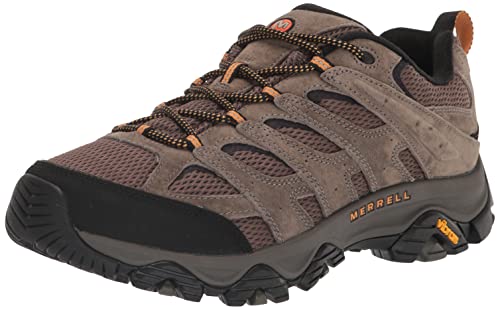
Merrell Moab 3 Hiking Shoe

Merrell Moab 3 Mid Hiking Boot

Merrell Moab 3 Mid Waterproof Hiking Boots

Terrex Free Hiker Gore-TEX 2.0 Hiking Shoes
The Picks, Examined More Closely
The Mojito Wrap leans closer to an approach shoe than a traditional hiker, which is exactly why it earns a place here. You slip them on for a quick canyon loop, a dusty campground scramble, or a long travel day where a heavier boot feels like overkill. Compared with the Moab 3 low-cut we cover next, this pair trades some rugged reinforcement for a lighter, more sneaker-like stride.
For commuters who hike on weekends, or travelers packing light for mixed itineraries, the casual silhouette works well off the trail too. You will likely notice the low profile most on uneven ground where a mid-cut would offer more reassurance around the ankle.
Where It Delivers
- Lightweight construction that keeps your legs fresher on short-to-mid length days
- Sneaker-inspired comfort for casual wear before and after the trail
- Low-profile sole that handles packed dirt and rocky approaches with steady grip
- Versatile styling that pairs with travel outfits without looking overtly technical
Things To Consider
- Limited ankle coverage means rougher terrain asks more from your footing
- Suede-style uppers may need occasional cleaning to keep trail dust from setting in
Who It Suits Best
Day hikers and travelers who want a light, comfortable shoe for well-maintained trails and mixed-surface outings.
A Better Fit Elsewhere
Those tackling rocky, off-trail terrain with heavy packs should consider the Merrell Moab 3 Mid Hiking Boot for added ankle support.
The Moab 3 is the everyday workhorse of this list, the pair you grab when the trail might surprise you. Its low-cut profile keeps weight down, while the updated insole and cushioned midsole make long miles feel less punishing on your knees. Compared with the SCARPA Mojito Wrap, you trade a touch of casual versatility for a more capable trail platform.
You will appreciate the roomier toe box during descents, and the grippy outsole holds steady on loose gravel and rooted switchbacks. Most hikers find the break-in period nearly nonexistent, which makes this a strong pick for newer hikers who want to skip the blisters and head straight for the trail.
Everyday Advantages
- Cushioned midsole that softens heel impact on long descents
- Roomy toe box that lets toes splay naturally on uneven ground
- Capable outsole lugs that bite into loose dirt and gravel
- Comfortable fit right out of the box, with little break-in required
Worth Noting
- Mesh sections can let in fine dust and moisture on dry, gritty trails
- Low-cut design offers less ankle protection than the Moab 3 Mid options
- Outsole lugs may wear quicker on pavement-heavy approaches
Made For
Day hikers, beginners, and anyone seeking a versatile, comfortable shoe for varied trail conditions.
Consider Something Else When
Hikers facing wet creek crossings or shoulder-season mud should reach for the Merrell Moab 3 Mid Waterproof Hiking Boots instead.
The Moab 3 Mid gives you the same comfort platform as the low-cut version, with a higher collar that steadies the ankle on rocky pitches. The mid-cut adds confidence when you are side-stepping talus, hopping between boulders, or carrying a heavier daypack. Think of it as the trail-tuned sibling that steps in when the terrain gets more demanding.
You will find the mid height especially helpful on routes with frequent elevation changes, where your ankles take more punishment. For dry-weather hikers who don’t need a waterproof membrane, this non-waterproof Mid saves weight and breathes better than its fully sealed counterpart covered later in the list.
What Pays Off
- Mid-cut collar that braces the ankle on uneven, rocky ground
- Same supportive insole and cushioned midsole as the low-cut Moab 3
- Reliable traction across scree, roots, and packed dirt
- Breathable non-waterproof build that runs cooler in warm, dry conditions
Trade Offs
- Heavier and warmer than the low-cut Moab 3 on hot summer hikes
- No waterproof barrier, so wet grass and puddles will soak through
Best Suited To
Hikers tackling rocky, uneven terrain in dry to mixed conditions who want more ankle security without committing to a heavy backpacking boot.
Look Elsewhere When
Wet-weather hikers should consider the Merrell Moab 3 Mid Waterproof Hiking Boots for sealed protection on rainy trails.
The Waterproof Moab 3 Mid closes the gap between dry-trail comfort and wet-condition security. A sealed internal bootie (a waterproof membrane lining sewn into the shoe) keeps creek crossings and morning dew from soaking your socks, while the mid-cut collar still supports the ankle on uneven ground. Against the non-waterproof Moab 3 Mid, you gain weather protection at the cost of a touch more warmth.
You will find these particularly useful on shoulder-season hikes, snow-free alpine routes, and Pacific Northwest trails where damp ground is the rule rather than the exception. For most three-season hikers, this is the version that earns its keep across the widest range of conditions.
What Stands Out
- Waterproof membrane that keeps feet dry through puddles and stream crossings
- Mid-cut height that adds stability on uneven, rocky terrain
- Supportive insole that reduces foot fatigue on multi-hour treks
- Trusted Moab outsole pattern for confident traction on wet rock and mud
Honest Caveats
- Waterproof lining reduces breathability, so feet run warmer in summer heat
- Slightly heavier than the non-waterproof Moab 3 Mid for fast-and-light outings
- Sealed construction takes longer to dry out if water does manage to seep in at the cuff
Who Should Grab It
Three-season hikers who face wet trails, stream crossings, or rainy shoulder-season conditions and want a single boot that handles both dry and damp terrain.
Swap It Out When
Hot, dry-climate hikers prioritizing breathability should consider the Merrell Moab 3 Hiking Shoe for cooler, more ventilated comfort.
The Terrex Free Hiker Gore-TEX 2.0 rounds out the list with a noticeably more energetic ride. Its BOOST midsole (a cushioning system that compresses and rebounds to return energy with each step) gives you a springy, responsive feel that carries through long climbs, and the GORE-TEX membrane (a thin, waterproof, windproof, and breathable fabric layer bonded inside the upper) handles wet weather without feeling clammy. Compared with the Moab 3 Mid Waterproof, this pair leans more performance-oriented for hikers who log serious mileage.
You will appreciate the soft, supportive upper on rocky trails where foot fatigue builds over hours. In our view, the trade-off shows up mostly in price, since the premium materials and construction sit at the higher end of the category.
Benefits That Matter
- BOOST midsole that returns energy on each step for less leg fatigue
- GORE-TEX membrane that seals out water while letting heat escape
- Soft, supportive upper that wraps the foot comfortably over long distances
- Trail-ready outsole that grips varied terrain from dirt to wet rock
Points To Keep In Mind
- Premium pricing puts it above the Merrell options on this list
- Energetic ride may feel firm to hikers used to softer, plusher midsoles
The Right Fit
Distance hikers and performance-minded outdoor folks who want waterproofing, energy return, and all-day comfort on varied, demanding terrain.
Another Choice May Suit
Budget-focused hikers seeking reliable three-season performance should consider the Merrell Moab 3 Mid Hiking Boot as a more affordable trail companion.
What To Weigh Before Choosing Your Next Pair
The term “lightweight” gets stretched across this category, so focus on the details that actually change your day on the trail. Start with the cut, because a low-cut shoe keeps weight low and ankles free, while a mid-cut trades a few extra ounces for better stability on rocky ground. Then think about waterproofing, since a sealed membrane (a waterproof inner lining that blocks water while allowing some vapor to escape) keeps you dry through puddles but runs warmer in summer. Outsoles matter too, with deeper lugs (the protruding rubber teeth on the bottom of the sole) biting harder into mud and shallower patterns feeling smoother on trail and pavement.
Trail Type And Typical Conditions
Match the shoe to your most common route rather than the rarest adventure. Well-groomed day hikes reward lighter, low-cut designs, while rocky, off-trail terrain calls for mid-cut support and stiffer soles. Wet trails, snow patches, or frequent stream crossings push you toward waterproof construction.
Fit, Break-In, And Foot Shape
Fit matters more than any feature on a spec sheet. A roomy toe box lets your toes splay on descents, while a snug midfoot prevents sliding on side slopes. Most hikers break in lighter hiking shoes within a single hike or two, so out-of-the-box comfort is a fair signal of long-term happiness.
Weight Vs. Capability
Shaving ounces feels great at the trailhead, but capability gives back what you lose on rough ground. You may find that a mid-cut waterproof boot costs you a few extra grams per foot but earns those grams back through better traction, support, and dry feet when conditions shift.
Key Considerations Across These Picks
Common Shopping Slip Ups
Shoppers often pick by looks alone, then realize on the trail that the toe box is too narrow or the cushioning too firm. Sizing up half a size for downhill room, and trying shoes on with the socks you actually hike in, prevents most fit regrets. Another trap is buying waterproof shoes for hot, dry climates, where sealed membranes trap heat and leave feet more tired than a breathable pair would.
Where The Extra Money Goes
Higher-priced hiking shoes typically invest in better midsole foams, lighter uppers, and more advanced waterproof membranes. You may find that the premium category buys you noticeably more energy return on long days, plus better durability in high-wear zones. For casual hikers logging a handful of weekends each season, mid-range options like the Moab family deliver most of the experience at a fraction of the cost.
Frequently Asked Questions
How much should lightweight hiking shoes weigh?
Most lightweight hiking shoes fall between 1.5 and 2 pounds per pair, depending on cut and materials. Anything noticeably heavier usually leans toward backpacking boot territory rather than day-hike comfort.
Are low-cut shoes okay for long hikes?
Low-cut hiking shoes handle long distances well on established, moderate trails, especially with a cushioned midsole. Rough, off-trail terrain with heavy packs often pushes hikers toward mid-cut options for better ankle support.
Do I need waterproof hiking shoes?
Waterproof construction helps in wet climates, shoulder-season hiking, and anywhere creek crossings are common. In hot, dry regions, breathable non-waterproof shoes usually keep feet more comfortable.
How long do hiking shoes typically last?
Most hiking shoes last through several hundred trail miles before tread and cushioning start to break down. Rotating between pairs and cleaning off trail grit can extend their useful life.
Can I use lightweight hiking shoes for backpacking?
Light hiking shoes can handle lighter backpacking loads on well-maintained trails. For multi-day trips with heavy packs or rugged terrain, a stiffer mid-cut boot usually provides better support and protection.
Wrap Up
The best lightweight hiking shoes are the ones that disappear on your feet and show up only when the trail demands it. Match the cut and features to your usual terrain, give fit more weight than flashy specs, and you will land on a pair that makes every mile feel a little easier. Take your time, weigh your conditions, and trust your own feet to tell you which option earns the trail.