Long shifts on hard surfaces punish your feet, and a heavy pair only makes the day drag. The right pair of lightweight work shoes can cut fatigue, keep your stride natural, and still hold up to the demands of your job site. From knit sneakers that slip under a business-casual dress code to steel-toe trainers built for warehouses, this roundup covers seven options worth a look in 2026.
The Main Contenders

Cole Haan GrandPro Ashland Stitchlite Sneaker

YELLOWOLF Women’s Tactical Waterproof Work Boots

Skechers Men’s Creston-Moseco Slip-On

KEEN Utility Lansing Low Steel Toe Work Shoe
PEAKVIP Wide Steel Toe Safety Work Sneakers
KEEN Utility Vista Energy Composite Toe Sneaker
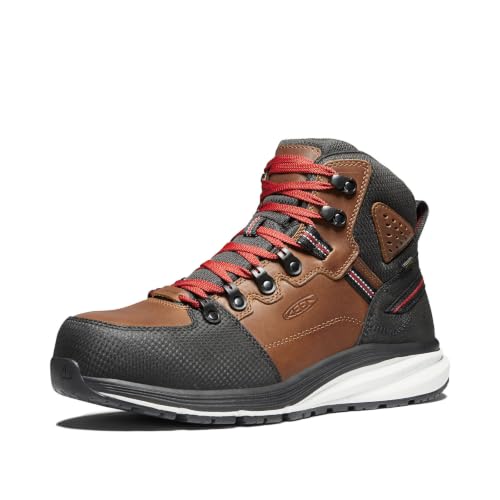
KEEN Utility Red Hook Composite Toe Work Boot
A Deeper Look At The Lineup
The GrandPro Ashland takes Cole Haan’s dress-shoe comfort technology and dresses it in a sneaker silhouette, which makes it a quiet favorite for people who walk a lot but rarely set foot on a job site. The knit upper breathes well through warm commutes, and the low-profile build slips easily under chinos or relaxed trousers without screaming “athletic.”
For office workers, real estate agents, or anyone bouncing between meetings and sidewalks, the balance of cushioning and a clean look is hard to beat. It is not built for heavy industrial duty, so pair it with the right expectations.
Benefits That Matter
- Breathable knit construction keeps feet cooler on warm commutes than a closed leather upper would.
- Low-profile silhouette reads as casual, not athletic, which suits business-casual wardrobes.
- Lightweight build reduces the end-of-day fatigue that heavier dress shoes tend to leave behind.
- Slip-on friendly design works for travelers who pass through airport security often.
Things To Consider
- The light knit upper absorbs water in wet conditions, so it’s not ideal for rainy outdoor work.
- It lacks a safety toe, which rules it out for regulated industrial environments.
- Owners commonly report the knit stretches with heavy daily wear, so a snug initial fit tends to loosen.
At A Glance
Who It Suits Best
Office workers, teachers, and urban commuters who want dress-shoe polish without the weight will appreciate this pick most.
Where Another Pick Suits Better
Warehouse staff and industrial workers should reach for the KEEN Utility Vista Energy instead, since it pairs a composite toe with a lightweight build.
Where the GrandPro leans office-friendly, these YELLOWOLF tactical boots lean straight into rough terrain. The waterproof build is meant for motorcyclists, outdoor crews, and anyone who needs a boot that shrugs off mud and dust instead of a sneaker that pads around the office. You give up some of the dress-shoe polish and gain serious protection in return.
They are a sensible match for women who split time between job sites, riding, or trail work. They will feel heavier than a casual slip-on, but the trade-off is the kind of coverage a sneaker cannot offer.
What It Does Well
- Waterproof construction handles wet grass, puddles, and rainy shifts far better than knit uppers.
- Tactical styling pairs with work pants, riding gear, and casual outerwear without clashing.
- Reinforced build suits motorcycle, security, and outdoor work where a soft sneaker would fail quickly.
Worth Noting
- The heavier build works against all-day walking comfort compared to lighter picks like the GrandPro.
- Tactical boots tend to need a short break-in period before the upper softens up.
- Less breathable than a knit or mesh sneaker, so warm indoor shifts can feel stuffy.
Right Fit For
Riders, security staff, and outdoor workers who need waterproof protection more than a featherweight feel.
Look Elsewhere When
Office commuters who only walk pavement should consider the Skechers Creston-Moseco instead for its lighter, slip-on ease.
The Creston-Moseco is the kind of shoe you forget you’re wearing, which is exactly what casual office days and weekend errands call for. The moc-toe canvas upper slips on without bending down to tie laces, and the Air-Cooled Memory Foam insole cushions each step with a soft, forgiving feel.
It is a relaxed pick for service workers, light retail shifts, and anyone who wants an easy-going shoe for standing and walking. Compared with the GrandPro, the Creston trades a dress-casual aesthetic for something even more laid-back.
What Makes Sense
- Slip-on design saves time on busy mornings and short shifts where laces feel like a hassle.
- Memory foam insole cushions long stretches of standing better than a flat canvas sole would.
- Lightweight build feels easy on the foot during casual all-day wear.
- Moc-toe styling pairs well with relaxed workwear and weekend outfits.
Honest Caveats
- The canvas upper offers little protection from spills, so it is not built for messy industrial work.
- No safety toe means it does not qualify for hazardous job sites.
- Worn-in canvas can stretch, which is worth noting for anyone between sizes.
Built With In Mind
Casual workers, retail staff, and anyone who wants an easy slip-on for light-duty days will find this shoe comfortable and low-maintenance.
Skip It When
People who need a safety toe should turn to the KEEN Utility Lansing Low instead, which adds steel protection without a major weight penalty.
The Lansing Low brings genuine steel-toe protection in a surprisingly light package, which is exactly what indoor crews in warehouses, light manufacturing, and maintenance roles want. KEEN’s wider last (a foot-shaped mold that gives your toes room to spread) keeps the steel cap from squeezing your forefoot, even after a full shift.
It is a smart step up from a plain sneaker once your employer requires protective footwear. Where the YELLOWOLF boot is built for mud and weather, the Lansing keeps things lighter and more breathable indoors.
The Value In It
- Steel toe delivers workplace protection without the bulk of a traditional work boot.
- Low-height profile reduces ankle fatigue compared with mid or tall work boots.
- Wider last accommodates broader feet more comfortably than standard work shoes.
- Moisture-wicking lining helps manage sweat during long indoor shifts.
Points To Keep In Mind
- Water-resistant leather is not fully waterproof, so heavy rain will soak through over time.
- Steel toes add cold conductivity in freezing environments, which is worth bearing in mind for cold storage work.
- Lighter protection than a heavy-duty work boot, so it suits light industrial roles more than heavy construction.
Who Should Grab It
Indoor crews, warehouse staff, and maintenance workers who need steel protection with a sneaker-like weight will find a good fit here.
Consider Something Else When
Outdoor crews who face wet conditions regularly should consider the KEEN Utility Red Hook, which adds a waterproof membrane and a taller build.
The PEAKVIP sneaker is built for women who stand for hours and need protection that does not fight their feet. The wide fit, orthopedic-friendly design, and slip-resistant outsole (a tread pattern engineered to grip wet or oily floors) make it a friendly pick for nurses, retail managers, and kitchen staff.
It feels closer to a supportive walking shoe than a heavy boot, yet it still carries a steel toe. That mix is rare, and it is the main reason this pick earns its place on the list.
What Helps Most
- Wide toe box accommodates bunions, custom orthotics, and wider feet far better than standard work shoes.
- Lightweight construction reduces the drag of standing shifts compared with traditional work boots.
- Non-slip outsole supports kitchen and healthcare environments where floors get wet or greasy.
- Steel toe delivers required protection without the bulk of a hiking-style boot.
Trade Offs
- Water-resistant, not fully waterproof, so puddle-heavy outdoor work may soak through.
- The sneaker silhouette offers less ankle coverage than a mid or tall boot for uneven terrain.
- Wide fit may feel loose on people with narrow feet, so trying the fit matters.
At A Glance
Whose Shelf It Belongs On
Nurses, hospitality staff, and anyone with wide feet or orthotics will appreciate the comfort-focused build most.
A Better Fit Elsewhere
Outdoor workers in heavy rain should consider the KEEN Utility Red Hook, which adds full waterproofing and a taller shaft.
The Vista Energy is KEEN’s most performance-minded lightweight work shoe, layering an energy-return midsole (the cushioned layer between the outsole and your foot, designed to bounce back with each step) over a composite toe and a breathable mesh upper. The result feels closer to an athletic trainer than a work shoe, which is a real win on long warehouse shifts.
Compared with the Lansing Low, this model is lighter, more breathable, and tuned for movement. The trade-off is that it gives up the leather durability of the Lansing for a softer, more athletic ride.
The Upside
- Energy-return midsole reduces fatigue on routes that involve constant walking or climbing.
- Composite toe keeps weight low and avoids the cold conductivity of steel in temperature-controlled spaces.
- Breathable mesh upper manages heat better than the Lansing’s leather during active shifts.
- KonnectFit heel capture system helps lock the foot in place during quick movements.
Factors To Consider
- The mesh upper is less abrasion-resistant than leather, which shows up on rough concrete over time.
- Not waterproof, so wet conditions are a weak spot compared with the Red Hook.
- Composite toes cost more than steel in many lineups, which is worth weighing if budget matters.
Best Suited To
Warehouse workers, distribution staff, and anyone logging serious steps on each shift will find the Vista’s energy-return feel worth the spend.
Swap It Out When
Wet outdoor environments call for the KEEN Utility Red Hook, which pairs waterproofing with a more rugged upper.
The Red Hook wraps the Vista Energy’s athletic feel inside a mid-height boot built for tougher days. The waterproof membrane and TecTuff-protected leather upper shrug off scuffs that would shred a mesh sneaker, while the same energy-return midsole keeps the ride light.
It sits at the top of the lineup for warehouse staff who deal with wet floors, dropped pallets, and rough environments. The Vista handles dry indoor shifts more nimbly, but the Red Hook takes over when conditions get rough.
Practical Pluses
- Waterproof construction handles spills, wet floors, and outdoor rain far better than the Vista mesh.
- TecTuff reinforcement in high-wear zones extends the upper’s life on abrasive surfaces.
- Composite toe keeps weight reasonable for a mid-height boot.
- Energy-return midsole reduces the heavy, sluggish feel of traditional work boots.
Potential Compromises
- Heavier than the Vista Energy, which can drag on shift-end fatigue for some wearers.
- Mid-height shaft can feel warm in hot summer warehouses compared to a low-cut sneaker.
- Premium build commands a higher price than entry-level work shoes in this category.
At A Glance
Made For
Warehouse staff and industrial crews working in wet, abrasive, or unpredictable environments will get the most from this boot.
Another Choice May Suit
Anyone working dry indoor shifts should look at the KEEN Utility Vista Energy, which trims weight and breathability in exchange for less weather protection.
What To Weigh Before Picking Lightweight Work Shoes
Lightweight work shoes cover a wide spectrum, from knit dress sneakers to composite-toe work boots, so the right choice depends heavily on your day. Start by mapping the actual hazards and surfaces you face, then narrow down by fit, materials, and protection level. A shoe that feels great in a showroom can fall apart on a wet warehouse floor, and a rugged boot can feel overbuilt on a smooth office hallway.
Fit and Foot Shape
Width, arch support, and toe-box room drive comfort more than any single material choice. If you have wide feet, orthotics, or bunions, prioritize wide-fit picks like the PEAKVIP. Trying shoes on later in the day, when feet are slightly swollen, gives a more honest read than a cold morning try-on.
Toe Protection and Workplace Rules
Safety toes fall into two main camps: steel, which is heavier and conducts temperature, and composite (made from layered non-metallic materials like carbon fiber or fiberglass), which is lighter and cooler. If your job site requires protective footwear, confirm the rating matches your environment. Many of the picks here skip toes entirely, which keeps them light but rules them out for regulated industries.
Upper Materials and Weather
Knit and mesh uppers breathe well but absorb water quickly. Leather balances durability and weather resistance at the cost of breathability. Waterproof membranes add serious wet-weather protection but can trap heat indoors. Match the upper to your most common conditions rather than your worst-case scenario.
Outsole Grip and Surface Type
Slip-resistant outsoles (rubber treads designed to channel liquid away from the contact patch) matter most in kitchens, healthcare, and warehouses where floors stay wet or oily. For rough outdoor terrain, look for deeper lugs and abrasion-resistant rubber. Smooth office floors demand far less grip, which is why sneaker-style outsoles work fine in those settings.
Key Considerations Across These Picks
Wrong Turns To Avoid
The most common mistake is choosing a sneaker silhouette for a job that requires protective footwear, then wondering why your toes hurt after a dropped pallet. Equally common is overpaying for a rugged work boot to wear in an office, which adds weight you never needed. Match the shoe to your actual environment, not the worst shift you had last year.
Where The Extra Money Goes
Higher-tier picks like the KEEN Utility Red Hook and Vista Energy spend the premium on energy-return midsoles, composite toes, and reinforced uppers. That extra cost shows up over months of daily wear as less fatigue and longer shoe life. For casual or light-duty use, the value-focused picks cover the essentials without the performance envelope you would rarely use.