Picking a running shoe for those middle-distance days, anywhere from a 5K tempo to a steady 10-mile loop, gets confusing fast. Cushioning, drop, weight, and fit are all shouting for attention. This guide cuts through the noise with five real options, what each does well, where each stumbles, and the runner they’re actually built for, so you can lace up with confidence.
A Quick View Of The Lineup

ASICS Men’s GT-2000 7 Running Shoes
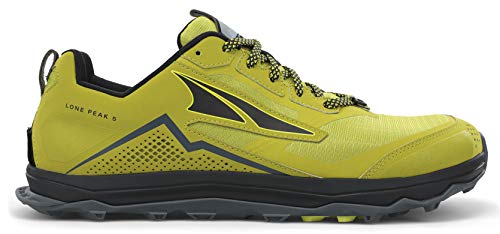
ALTRA Lone Peak 5 Trail Running Shoe

ASICS Men’s NOVABLAST 2 Running Shoes

ASICS Men’s Gel-Contend 9 Running Shoes

Brooks Ghost Max 4 Running Shoe
Meet The Standout Selections
The GT-2000 7 sits in ASICS’s stability lane, the kind of shoe a runner reaches for when their ankles tend to roll inward or when fatigue starts breaking down their form past mile five. It’s a road shoe through and through, so it shines on paved loops and treadmill sessions rather than gravel park paths.
If you’ve been logging steady mid-distance miles and want a shoe that quietly does the work of guiding your foot without feeling like a medical device, this one deserves a serious look. The construction is structured but not stiff, the upper breathes well enough for warmer training days, and the platform offers enough cushioning for recovery runs the day after a hard effort.
A Strong Showing
- Structured stability that helps moderate overpronation
- Cushioned enough for daily training across 5K to 10-mile distances
- Durable outsole that handles high weekly mileage
- Secure midfoot wrap that holds the foot during tired late-run strides
- Pairs nicely with orthotics if you use custom insoles
Things To Consider
- Heavier than tempo-oriented trainers like the NOVABLAST 2 below
- Not built for trail surfaces; lugs are minimal
Key Specs
Who It Suits Best
Runners logging steady weekly mileage on roads who need a dependable stability shoe for mid-distance training days and easy long runs.
Consider Something Else When
If your runs wander onto dirt paths and rocky terrain, the ALTRA Lone Peak 5 will serve you better with its trail-ready grip.
Where the GT-2000 7 is all about pavement, the Lone Peak 5 flips the script and heads for the trail. This is ALTRA’s classic wide-footprint trail shoe, the one ultrarunners and weekend adventurers have leaned on for years when they want foot-shaped comfort on unpredictable ground.
For mid-distance trail runs, think 6 to 12 miles on singletrack, fire roads, or rolling hills, the Lone Peak 5 gives your toes room to splay naturally and grip roots and rocks without feeling clunky. The zero-drop platform (meaning the heel and forefoot sit at the same height, which encourages a midfoot strike) takes some getting used to if you’ve spent years in elevated heels, but it rewards a relaxed, natural stride.
Strong Points
- Wide, foot-shaped toe box for splay and comfort on long miles
- Aggressive lugs that bite into loose dirt and mud
- Stone guard protection against sharp trail debris
- Zero-drop geometry that encourages a natural midfoot strike
Honest Caveats
- Zero-drop feel can strain calves during the first few weeks of wear
- Outsole mud-shedding performance drops noticeably in wet, sticky clay
- Not the lightest option for runners chasing road-shoe speed
Quick Facts
Made For
Trail runners tackling mid-distance efforts on dirt, rock, and root-covered terrain who prefer a roomy, natural-foot fit over a snug racing feel.
Look Elsewhere When
If your mid-distance miles are mostly on pavement, the Brooks Ghost Max 4 offers a much smoother road experience.
The NOVABLAST 2 is the most fun shoe in this lineup, plain and simple. ASICS built it as a versatile trainer for runners who want one shoe that can handle a Tuesday tempo and a Thursday easy run without feeling wildly different from day to day.
Compared to the steady, supportive GT-2000 7 reviewed earlier, the NOVABLAST 2 skips the stability hardware and goes all in on responsive foam. You feel push-off in every stride, which makes mid-distance efforts at faster paces feel lively rather than heavy. It still handles easy miles well, though the springy ride really shines when you pick up the tempo.
Features That Help
- High-rebound foam that returns energy on push-off
- Lightweight build for a shoe with this much cushioning
- Breathable engineered mesh upper for warm-weather runs
- Versatile enough to cover tempo, fartlek, and easy days
- Wider forefoot platform that suits midfoot strikers
Points To Keep In Mind
- Neutral support only; not ideal if you overpronate heavily
- Foam stack feels tall for runners used to low-profile shoes
- Outsole durability can dip on rough asphalt over time
Feature Snapshot
Best Suited To
Neutral runners who mix easy and uptempo mid-distance sessions and want one shoe that feels lively without sacrificing comfort.
A Better Fit Elsewhere
Runners needing real pronation support will find the GT-2000 7 a more dependable everyday partner.
The Gel-Contend 9 is ASICS’s entry-level road trainer, designed for runners just starting out or anyone who wants a simple, comfortable shoe for short-to-mid-distance loops without paying for premium tech. It uses GEL cushioning in the rearfoot to soften landings and AMPLIFOAM through the midsole for a softer step-in feel.
Where the NOVABLAST 2 chases energy return and the GT-2000 7 chases stability, this one chases accessibility. For a runner easing into a 5K routine or logging 3 to 6 miles a few times a week, it’s a comfortable, low-fuss choice that doesn’t overwhelm with features.
The Helpful Details
- Rearfoot GEL cushioning softens heel landings on pavement
- OrthoLite sockliner adds step-in comfort right out of the box
- AMPLIFOAM midsole keeps the ride soft and forgiving
- Breathable mesh upper that handles warm-weather running
Worth Noting
- Heavier than the NOVABLAST 2, so tempo days feel less snappy
- Limited support for runners with moderate to severe overpronation
- Durability suits lower weekly mileage rather than heavy training blocks
Perfect Match For
Beginners or returning runners building a base on roads who want a comfortable, approachable shoe at an accessible price.
Reach For A Different Pick When
If you already log 25+ miles a week and want a shoe that lasts, the Brooks Ghost Max 4 brings more substantial long-run cushioning.
The Ghost Max 4 takes Brooks’s beloved Ghost line and dials the cushioning up a full notch. The midsole uses Brooks’s DNA LOFT v3 foam, a nitrogen-infused blend that feels plush underfoot without going spongy, which makes it a natural fit for mid-distance easy runs and recovery days.
Stack height is generous here, so runners new to high-stack shoes will notice the platform feel at first, but the rocker geometry helps the foot roll through each stride smoothly. Compared to the Gel-Contend 9’s firmer entry-level ride, this shoe is quieter, softer, and more forgiving when your legs are tired from a hard week.
Where It Delivers
- Plush DNA LOFT v3 midsole for soft, smooth landings
- Rocker geometry that assists forward roll on longer efforts
- Roomy forefoot fit suitable for many foot shapes
- Quiet, stable ride ideal for easy mid-distance miles
- Versatile enough for walking, jogging, and casual wear
A Few Limitations
- Plush feel reduces ground feel on faster tempo runs
- Higher stack takes adjustment for runners used to traditional shoes
Who Should Grab It
Runners chasing a soft, protective ride for mid-distance easy days, recovery runs, and long weekend miles where comfort matters most.
Skip It When
If your training leans toward faster mid-distance tempo work, the NOVABLAST 2 gives you more bounce and energy return for the same effort.
What Matters Most Before Choosing Mid Distance Running Shoes
Know Your Run Profile
Before sizing up cushioning or outsole tech, think honestly about where and how you run most days. A runner logging 25 weekly miles on asphalt has different needs than someone running the same distance on fire roads, and the shoe that thrills one can frustrate the other. Mid distance typically covers 3 to 10 miles, which puts you in the sweet spot for everyday trainers that balance cushioning, weight, and durability.
Understand Drop And Cushioning
Drop refers to the height difference between the heel and forefoot of the midsole. A traditional 8 to 12 mm drop suits runners landing on their heels, while a lower or zero-drop platform encourages a midfoot or forefoot strike. Stack height, the total amount of cushioning material between foot and ground, affects how soft or firm the ride feels. Higher stacks feel plush but reduce stability for some runners, while lower stacks feel connected but transmit more road feedback.
Match The Shoe To The Surface
Road shoes prioritize smooth outsoles and breathable uppers, while trail shoes add aggressive lugs (the rubber teeth on the outsole that grip dirt and rock), rock plates, and tougher mesh. Wearing road shoes on loose terrain creates slipping, while wearing trail shoes on pavement adds weight and unnecessary stiffness. The right shoe for your dominant surface pays off across hundreds of miles.
Key Considerations Across These Picks
Mistakes Worth Dodging
Many runners grab shoes based on brand familiarity or trend, then wonder why blisters or knee pain creep in after a few weeks. Sizing varies wildly between brands, so what fits in a Brooks may feel tight in an ASICS. Always check return policies and consider ordering your usual size plus a half size up if you have a wider forefoot. Skipping rotation matters too; alternating two pairs of mid-distance shoes tends to extend their life and reduce injury risk.
Where The Extra Money Goes
Premium running shoes invest in lighter midsole foams, more durable outsoles, and engineered uppers that breathe better and hold the foot more securely. For runners logging high weekly mileage, those refinements reduce fatigue and hold up longer. For casual runners under 15 miles a week, entry-level options like the Gel-Contend 9 deliver most of the comfort at a much friendlier price, making the upgrade a question of mileage rather than prestige.
Frequently Asked Questions
How many miles do mid-distance running shoes typically last?
Most road trainers hold up well through 300 to 500 miles before cushioning breaks down and the outsole wears smooth. Trail shoes often reach 400 to 600 miles if you avoid hot asphalt.
Should I size up for running shoes?
A thumb’s width of space at the toe helps prevent black toenails on longer runs and downhill sections. Your foot also swells during exercise, so a slightly roomier fit feels better after mile three.
Can I use road shoes for occasional trail runs?
Short, dry trail sections are fine, but wet roots, mud, and loose rock expose the limits of road outsoles quickly. Dedicated trail shoes grip much better when conditions get technical.
How often should I replace mid-distance shoes?
Track your weekly mileage and aim to replace shoes once they hit the upper end of their lifespan. Noticeable cushioning loss, new aches in your knees or shins, or a visibly worn outsole all signal it’s time.
Do I really need different shoes for different runs?
Rotation isn’t mandatory, but alternating shoes lets each pair dry out and recover its foam between runs, which extends their overall life and can reduce repetitive strain injuries.
Closing Remarks
Mid-distance running covers a wide spectrum, from brisk 5K efforts to steady hour-long loops, and the shoe that thrills one runner can feel wrong to another. Match the shoe to your surface, your pace range, and the kind of support your foot actually needs, and any of these five picks will serve you well through many training cycles.