Sifting through workout shoes can feel like a second job. Most of what’s out there blurs the line between casual sneaker and serious training partner, and you end up guessing whether a shoe will hold up under deadlifts or fall apart during a HIIT circuit. The right pair should match the way you actually train, whether that’s lifting, jumping, running drills, or a mix of all three.
This guide breaks down six options that cover different corners of the workout shoe world. Some lean into retro runner aesthetics, others are built like tanks for the gym floor, and a couple split the difference. Each review explains what the shoe does well, where it makes compromises, and which training style it fits best.
The Essentials At A Glance

ASICS GEL-1130 Sportstyle Shoes
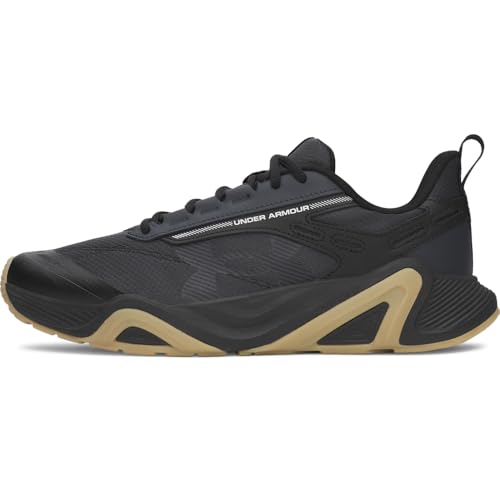
Under Armour Charged Commit Trainer 5

adidas Vl Court 3.0 Sneakers – Grey
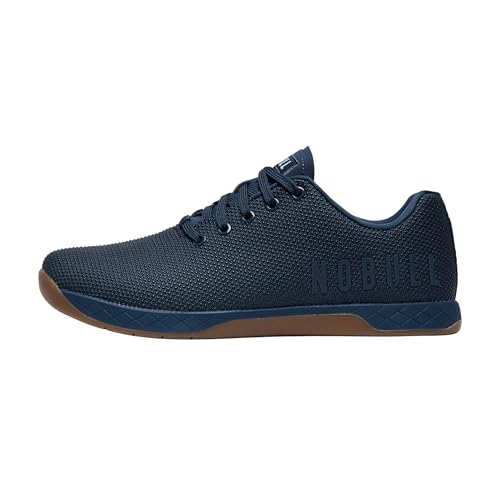
NOBULL Outwork Shoe

NOBULL Outwork Edge Shoe

NOBULL Allday 365 Ripstop Shoe
Inside Each Recommended Option
The ASICS GEL-1130 borrows its silhouette from a 2008 stability runner, then dresses it up with suede paneling and a chunky midsole. That blend gives you a shoe that looks right at home outside the gym but still has the structured feel ASICS has built its reputation on. For someone who wants one pair to handle the gym floor and the coffee run afterward, this one’s a reasonable answer.
Where it shows up best is in moderate sessions: light lifting, treadmill work, mobility drills, and the kind of cross-training that doesn’t punish a shoe for being slightly heavier than a modern running sneaker. The GEL cushioning, a system of gel pods in the midsole that absorb impact, softens landings without bottoming out.
What Makes Sense
- Retro silhouette works as everyday streetwear beyond the gym
- Stable midsole feel suits light lifting and treadmill sessions
- Suede paneling adds structure without stiffening the whole shoe
- GEL cushioning softens impact on hard gym floors
Things To Consider
- Heavier than purpose-built training shoes, which can slow agility work
- Suede uppers need occasional cleaning to keep them looking sharp
Who It Suits Best
Style-conscious lifters and casual trainers who want one shoe that handles the gym and the rest of the day without switching pairs.
Consider Something Else When
You want something lighter and more agility-friendly, the Under Armour Charged Commit Trainer 5 makes more sense.
The Charged Commit Trainer 5 is built for the kind of training where you do a little bit of everything in one session. Leather reinforcement on the upper adds stability during lateral movement, while flex grooves on the outsole let the shoe bend where your foot naturally wants to bend. Under Armour’s Charged Cushioning, a foam midsole designed to absorb impact and return energy, sits between you and the floor.
For anyone logging daily sessions that mix jumping, lifting, and short sprints, the Commit Trainer 5 is the kind of shoe you don’t have to think about. Compared to the ASICS GEL-1130, this one trades retro style for a more performance-driven, gym-first look. Depending on your session intensity, the cushioning may feel firmer than softer running shoes, but that’s part of why it holds up under load.
Features That Help
- Leather upper reinforcement adds lateral stability for side-to-side drills
- Charged Cushioning absorbs impact during jumps and short runs
- Flex grooves on the outsole support natural foot movement
- Built specifically for fitness and cross-training environments
Worth Noting
- Style is more functional than fashion-forward, so it leans gym-only
- Leather sections may need wiping down after sweaty sessions to prevent odor buildup
Quick Facts
Right Fit For
Anyone hitting the gym four or more days a week for mixed sessions that include lifting, plyometrics, and conditioning work.
A Better Fit Elsewhere
You want a shoe with a more heritage-inspired look that doubles as streetwear, the ASICS GEL-1130 Sportstyle is a stronger match.
The adidas Vl Court 3.0 doesn’t pretend to be a serious training shoe, and that’s the point. With a smooth leather upper, a vulcanized rubber outsole (a sole that’s been heat-bonded to the upper for a flexible, low-profile feel), and a clean low-top shape, it sits in that hybrid space between casual sneaker and something you can actually move in.
For light gym sessions, walking-heavy days, or anyone who needs a budget-friendly shoe that doesn’t scream “athletic,” this model works. Compared to the more aggressive training builds earlier in this list, the Vl Court 3.0 is gentler on the foot but also less supportive under heavy loads. In most casual training situations, though, it handles bodyweight work and machine-based sessions just fine.
Points In Its Favor
- Smooth leather upper wipes clean after dusty gym sessions
- Vulcanized outsole gives a flexible, broken-in feel out of the box
- Low-profile silhouette pairs easily with everyday outfits
- Lightweight construction suits walking and light cardio days
Trade Offs
- Minimal cushioning under the foot limits impact protection during high-intensity work
- Not designed for heavy lateral movement or heavy lifting
Best Suited To
Casual wearers and beginners who do bodyweight workouts, light cardio, and want a shoe that transitions easily into everyday use.
Skip It When
Your sessions involve heavy lifting or aggressive plyometrics, the NOBULL Outwork Shoe is built for that kind of demand.
The NOBULL Outwork sits firmly in the “made for the gym floor” category. It’s a no-fuss training shoe designed to take a beating from rope climbs, box jumps, and barbell work, and keep coming back for more. The brand built its reputation on functional training footwear, and this model is a core expression of that approach.
What separates the Outwork from the adidas Vl Court 3.0 is intent. Where the adidas leans casual, the NOBULL is structured for harder work: a firmer platform under heavy lifts, a grippy outsole for varied surfaces, and a build that doesn’t feel precious. For athletes who care more about performance than styling, this is a sensible pick.
The Helpful Details
- Durable construction designed for high-abrasion training environments
- Stable platform supports heavy lifts and explosive movements
- Versatile enough to handle mixed-discipline sessions in one workout
- Grippy outsole performs on gym floors and outdoor training areas
Honest Caveats
- Style skews utilitarian, so it doesn’t blend into casual wardrobes easily
- Less cushioned than running-leaning options, which may feel firm on long conditioning days
Spec Overview
Who Should Grab It
Functional fitness athletes, CrossFitters, and strength-focused gym-goers who need a shoe that takes punishment without falling apart.
Look Elsewhere When
You want a more cushioned ride for running-heavy training, the Under Armour Charged Commit Trainer 5 absorbs more impact per step.
The Outwork Edge takes the original Outwork’s training-first DNA and pushes the outsole further. Where the standard Outwork handles gym floors with ease, the Edge variant’s updated outsole is geared toward athletes who train in more variable conditions: turf fields, outdoor tracks, mixed-surface circuits.
For someone who splits time between a gym and outdoor training areas, the Edge offers a meaningful step up in traction versatility. It keeps the stable, firm platform that NOBULL is known for, so heavy lifting still feels planted. The honest read is that the original Outwork is enough for indoor-only training, and the Edge pays you back only if your sessions regularly leave the gym floor.
Standout Benefits
- Enhanced outsole grip performs on turf, asphalt, and gym floors
- Maintains the stable lifting platform of the original Outwork
- Durable build holds up to high-abrasion training
Points To Keep In Mind
- Premium positioning over the standard Outwork without a dramatic feature change for indoor-only users
- Same utilitarian styling, so it stays strictly a training shoe
- Availability and color options can shift depending on the listing
Made For
Hybrid athletes and outdoor training enthusiasts who need one shoe for the gym, the field, and everything in between.
Another Choice May Suit
Your training stays inside four walls, the standard NOBULL Outwork Shoe delivers the same core performance for less.
The Allday 365 takes NOBULL’s training build and softens the edges. The ripstop upper (a tightly woven fabric reinforced to resist tearing and abrasion) trades the standard trainer’s tougher feel for a more flexible, comfortable fit. It’s still grounded in the brand’s functional DNA, but it leans toward all-day wear rather than peak gym output.
This one fits active people who want a shoe that handles a workout, a walk, and a long day on their feet without needing a change. The Allday 365 doesn’t replace a dedicated lifter like the Outwork for max-effort training, but it earns its place for varied daily use. You may find it more versatile than expected for travel days, errands, and lighter gym sessions back-to-back.
Noteworthy Benefits
- Ripstop upper balances durability with a lighter, more flexible feel
- Comfortable enough for extended wear beyond a single training session
- Versatile look fits casual settings without looking out of place
Some Limits To Know
- Less structural support than the Outwork for heavy compound lifts
- Positioned as a women’s fit, which may limit sizing options for some shoppers
Feature Snapshot
Perfect Match For
Active people who split time between training sessions and long days on their feet, and want one shoe that does both well.
Where A Sibling Pick Shines
You need more structure under heavy loads, the NOBULL Outwork Shoe is built for that kind of punishment.
Choosing Mens Workout Shoes That Match Your Training
A workout shoe is a tool, and the best one for you depends on the work you’re actually doing. Lifting demands a flat, stable base, while high-intensity circuits need flexibility and grip. A shoe that does everything adequately rarely excels at anything, so identifying your primary training style is the fastest way to narrow the field.
Cushioning matters more than most people expect. A foam midsole (the layer between the upper and the outsole that absorbs impact) softens landings during jumps and short runs, but too much cushion can feel unstable under a heavy squat. Look for a balance that matches the intensity of your sessions. If your workouts mix lifting and cardio, a mid-level cushion with a firm heel typically performs well.
Fit and width are non-negotiable. A shoe that’s too narrow causes hot spots and blisters during longer sessions, while a loose fit undermines lateral stability. Trying shoes on with the socks you actually train in helps avoid surprises. Breathable uppers also help during hot sessions or back-to-back training days, when moisture builds up quickly.
Durability depends on the outsole rubber and how you use the shoe. Harder rubber compounds last longer on rough surfaces but can feel stiff. Softer compounds grip better indoors but wear down faster outdoors. Matching the outsole to your training environment extends the life of the shoe and keeps performance consistent over time.
What To Watch For Before You Commit
Wrong Turns To Avoid
A common misstep is choosing a shoe based on looks alone. Retro runners like the ASICS GEL-1130 look great with jeans but aren’t optimized for serious gym work, while a hardcore training shoe like the NOBULL Outwork might feel overkill for someone who mostly walks and does light cardio. Matching the shoe to the workout matters more than matching it to the outfit.
Another pitfall is ignoring fit for the sake of a deal. A poorly fitted shoe creates problems fast: blisters, ankle instability, and discomfort that cuts sessions short. Always prioritize fit, then look for the right shoe within your budget.
When Paying More Pays Off
Higher-tier training shoes typically use better materials: tougher outsoles, more breathable uppers, and midsoles engineered for energy return (the ability of the foam to bounce back under load, reducing fatigue). For athletes training five or more days a week, those upgrades translate to real comfort and longer shoe life.
The trade-off is that premium models often include features you won’t use. If your training is light or infrequent, a mid-tier shoe usually delivers the performance you need without the extra cost. Upgrade when the frequency and intensity of your training justify it, not because a more expensive model exists.
Frequently Asked Questions
What type of shoe is best for weight training?
A flat, stable sole with minimal cushioning works best for heavy lifts. It keeps your foot planted and your balance steady under load.
How often should I replace workout shoes?
Most training shoes last between six months and a year with regular use. Once the outsole shows visible wear or the cushioning feels flat, it’s time for a new pair.
Can I use running shoes for gym workouts?
Lightly, yes, but they lack the lateral support and stable base most gym sessions need. Dedicated training shoes perform better under varied movement.
Do I need different shoes for lifting and cardio?
Not necessarily, if your training is mixed and moderate. A cross-trainer like the Under Armour Charged Commit Trainer 5 handles both reasonably well. Specialized shoes become more important as training intensity increases.
Are expensive workout shoes worth the cost?
For frequent trainers, yes. Better materials last longer and feel more comfortable. For casual users, a mid-range option usually delivers enough performance.
Wrap Up
The right workout shoe comes down to matching your training style, fit, and how often you hit the gym. Retro runners, hybrid trainers, and hardcore gym builds all have a place on this list, and the best pick is the one that disappears on your foot while you work. Take stock of what your sessions actually demand, then choose the shoe that meets those needs without overcomplicating the decision.