Metatarsalgia shows up as a sharp, burning ache right behind the toes, and the wrong footwear makes it louder. Runners logging high mileage, nurses working 12-hour shifts, and anyone on their feet all day tend to feel that ball-of-foot pressure first. The picks below pair cushioned inserts with footwear designed around forefoot relief, so relief comes from layering support rather than hoping one magic shoe does the job.
A Quick View Of The Lineup
FURTAA Orthopedic Metatarsal Pads 3mm Gel 4 Sizes
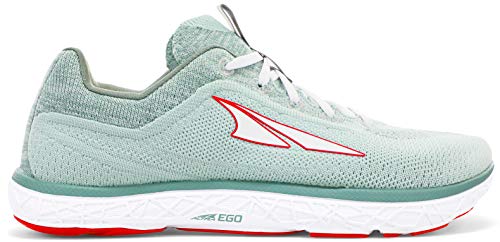
Altra Footwear Escalante 2.5

Moon Health U Shaped Callus Pads 24 Pack Felt

Moon Health 12-Pack Metatarsal Foot Pads 1/4″ Thick

Moon Health 24-Pack Metatarsal Foot Pads 1/4″ Thick

Moon Health Ultra Thin Metatarsal Pads 12 Pack 1/8″ Thick
Inside Each Recommended Option
If your favorite pair of shoes already fits well and you don’t want to replace them, a thin gel sleeve tucked under the forefoot is the easiest starting point. The FURTAA pad measures just 3 mm thick, so it adds a layer of cushioning without crowding the toe box or shifting your heel out of position. The wrap-style sleeve hugs the front of the foot, helping the gel sit right behind the metatarsal heads where pressure tends to peak during walking and standing.
This is the kind of insert that works quietly inside sneakers, flats, or loafers. Runners who switch shoes for different workouts, hospitality workers who rotate footwear, and anyone easing into forefoot pain relief tend to appreciate the low profile. Compared to the Altra Escalante 2.5 in the next slot, this pick is footwear-agnostic: it lives inside shoes you already own rather than asking you to commit to a specific model.
Practical Pluses
- Slim 3 mm profile fits inside most casual shoes without changing the fit noticeably
- Wrap design keeps the gel centered under the metatarsal area during walking
- Four size options let you dial in coverage for narrower or wider forefoot widths
- Useful as a first line of relief before investing in a specialty shoe
Worth Noting
- Sleeves tend to shift in low-cut shoes with smooth sock liners, so a snug sock helps anchor them
- Gel can feel warm during long summer commutes or humid shifts
- Owners commonly replace these every few months as the gel softens with daily wear
Who It Suits Best
Shoppers stepping into metatarsalgia relief for the first time who want a versatile insert to test in shoes they already trust.
Swap It Out When
Pick the Moon Health 12-Pack 1/4″ pads instead if you need a thicker lift for high-impact activity or longer standing hours.
The Escalante 2.5 is a road running shoe built around a wide, foot-shaped toe box, which gives the metatarsals room to spread instead of being pinched together. At 6.9 oz per shoe, it stays light enough for tempo work without feeling bulky underfoot. A zero-drop platform keeps the heel and forefoot on the same plane, encouraging a softer midfoot strike that takes pressure off the ball of the foot over long distances.
For runners logging weekly miles on pavement, the roomy forefoot is the real headline feature. Where the FURTAA gel sleeve adds cushioning inside an existing shoe, the Escalante 2.5 rebuilds the foundation from the sole up. Pairing this shoe with one of the Moon Health pads from later in this list gives you layered support, which is the approach many foot specialists quietly recommend for stubborn forefoot pain.
What It Does Well
- Foot-shaped toe box lets the metatarsals splay naturally on impact
- Lightweight 6.9 oz build suits tempo runs and easy recovery days
- Zero-drop geometry reduces forefoot loading over long road miles
- Works as a foundation piece that pairs with aftermarket inserts
Trade Offs
- Zero-drop geometry can feel flat for runners transitioning from raised-heel shoes
- Limited color options in stock at any given time, depending on size
- Mesh upper breathes well but lets in rain during wet-weather commutes
Feature Snapshot
Right Fit For
Regular road runners who log consistent weekly mileage and want a shoe that lets the forefoot spread freely.
Look Elsewhere When
Choose the FURTAA gel sleeves if you need immediate relief across several pairs of existing shoes rather than committing to one running model.
Calluses and bunion edges create hot spots that feel worse inside tight shoes, and that’s where the U-shaped design earns its keep. The cutout frames the tender area rather than pressing on it, while the surrounding felt distributes pressure to healthier tissue. Medical-grade felt at roughly 1/8″ thick adds a soft barrier between skin and shoe without changing your fit dramatically.
A 24-pack covers months of daily changes, which matters because these pads tend to lose adhesion and absorb sweat over time. Anyone managing both metatarsalgia and callus buildup often layers this pick with one of the thicker Moon Health metatarsal pads covered later. Think of it as a comfort accessory for shoes that fit mostly right but rub in one specific spot.
Good Reasons To Consider
- U-shaped cutout frames tender calluses instead of compressing them
- Medical-grade felt feels soft against skin during long wear
- 24-pack quantity keeps fresh pads on hand through sweaty summer weeks
- Adhesive backing sticks through regular walking without constant reapplication
Points To Keep In Mind
- Felt absorbs moisture, so swapping daily helps during humid weather
- Not a substitute for a true metatarsal lift if pain runs deeper than surface calluses
Built With In Mind
People juggling metatarsalgia alongside bunion edges or heel calluses who want a soft barrier for the trouble spots.
Consider Something Else When
Pick the Moon Health Ultra Thin pads if you need forefoot lift inside slim dress shoes rather than surface cushioning.
At 1/4″ thick, this pad is one of the more substantial forefoot lifts in the category. The extra height spreads metatarsal bones apart slightly, which can quiet nerve irritation that drives sharp, localized pain. The 12-pack lands in the practical middle ground: enough pads for daily rotation across multiple pairs of shoes without committing to the larger multi-month supply.
Where the FURTAA sleeve stays discreet, this pad announces itself the moment you slip your foot in. Lower arches benefit most from the pronounced lift, since the pad takes over some of the work the arch would normally handle. In tight shoes, the added thickness may crowd the toe box, so testers often reserve these for sneakers, work boots, and casual lace-ups with removable insoles.
Useful Strengths
- 1/4″ thickness delivers a noticeable lift that separates irritated metatarsals
- Adhesive backing holds position through long shifts and walks
- Works well as a low-arch support tool inside laced shoes
- Twelve pads rotate across several pairs of footwear
Honest Caveats
- Thickness crowds the toe box in slim flats or dress shoes
- Adhesive softens with sweat, so daily swap-outs extend the pack’s life
- Higher-arch foot types may find the lift too aggressive
Feature Rundown
Whose Shelf It Belongs On
Workers on their feet all day and walkers with lower arches who want pronounced lift inside roomy lace-up shoes.
A Better Fit Elsewhere
Choose the Moon Health Ultra Thin pads if your shoes run narrow and you need a discreet alternative to a thick lift.
This is essentially the same 1/4″ pad as the previous pick, doubled up into a 24-pack for longer-term users. People who rely on these pads through every workday tend to rotate them out as the adhesive collects lint and sweat, and a bigger pack means fewer reorders. The thickness matches the 12-pack exactly, so you can standardize across shoes without feeling a different lift from one pair to the next.
The honest read is that anyone committed to daily use benefits from buying in bulk here. Travelers who pack a fresh pair for each day of a long trip, and people working rotating shifts, tend to go through pads faster than expected. The pad itself performs identically to the 12-pack version; the difference is purely supply.
Real-World Strengths
- Bulk quantity suits daily users who replace pads often
- 1/4″ thickness matches the 12-pack, so you can rotate pairs seamlessly
- Same low-arch support profile for steady, predictable lift
- Cost per pad trends lower in larger packs over time
Where It Is Less Suited
- Bulk format adds storage clutter for casual or occasional users
- Same thickness limitations in narrow dress shoes as the 12-pack
Who Should Grab It
Long-term daily users who rotate pads through work shoes, gym shoes, and weekend outings without thinking twice.
Reach For A Different Pick When
Pick the Moon Health 12-Pack if you only wear pads a few days a week and prefer a smaller stash to manage.
Slip-on loafers, dress flats, and fashion sneakers rarely have room for a thick insert, which is exactly where an ultra-thin pad earns its spot. At 1/8″ thick, this pick barely changes the volume inside the shoe while still lifting the metatarsals off the insole. The 12-pack includes six pairs, which lines up neatly with the way most people rotate between work and weekend footwear.
For office workers in business-casual shoes, the trade-off is real but acceptable. You give up some of the pronounced lift that thicker pads offer, but you gain compatibility with shoes that wouldn’t otherwise fit any insert at all. Compared to the FURTAA gel sleeve earlier, this is an adhesive stick-on rather than a wrap, so it lays flatter under the foot.
What Stands Out
- 1/8″ profile fits inside slim dress shoes and loafers
- Adhesive leaves no sticky residue when pads are swapped out
- 12 pads cover a rotation across several pairs of footwear
- Targets metatarsalgia, Morton’s neuroma, and sesamoiditis discomfort
Possible Compromises
- Less lift than 1/4″ pads, so severe cases may need a thicker option
- Adhesive weakens faster in dress shoes without socks anchoring the pad
- Not a substitute for proper orthotics in chronic foot conditions
Quick Facts
Best Suited To
Office workers and anyone in slim-fitting shoes who wants forefoot support without buying specialty footwear.
Where Another Pick Suits Better
Pick the Moon Health 12-Pack 1/4″ pads if your shoes have removable insoles and you can accommodate a thicker lift.
What Matters Most Before Choosing Metatarsalgia Shoes
Match the support to your arch type. Lower arches tend to need a more pronounced forefoot lift (think 1/4″ pads) to take over work the arch would normally do. Neutral or higher arches often do well with thinner pads or a sleeve-style insert, since aggressive lift can feel unstable under a foot that already has structural support.
Think about the shoe you’ll wear most. A gel sleeve and ultra-thin pad disappear into casual sneakers and loafers. Thicker 1/4″ pads demand roomy lace-ups with removable insoles. Runners logging regular miles on pavement benefit from a foot-shaped toe box like the one in the Escalante 2.5, since forefoot splay matters as much as cushioning.
Plan for the daily reality of adhesion and sweat. Pads absorb moisture and lose grip over time, especially during humid commutes and warm workdays. Buying in bulk and rotating pads across shoes keeps each pair fresher longer. Callus-focused felt pads work best when changed frequently too.
Layer relief rather than chase one cure. The most common approach is a supportive shoe plus a pad sized for the activity. A road runner might pair the Escalante 2.5 with an ultra-thin pad for tempo days, then swap to a 1/4″ pad inside work boots. Treating metatarsalgia as a layered problem tends to pay off faster than hunting for a single miracle product.
Smart Buying Advice for Metatarsalgia Picks
Where Shoppers Go Wrong
The biggest mistake is treating thickness as the only variable. A 1/4″ pad crammed into a slim dress shoe creates new pressure points while solving the old one. Shoe compatibility matters just as much as the pad itself. Another slip-up is expecting overnight relief; pads and shoes redistribute pressure gradually, so a two-week trial across multiple pairs of footwear tells you more than a single afternoon.
The Upgrade Payoff
Higher pack counts cost more up front but tend to lower the per-pad cost and remove the friction of reordering. Thicker pads and specialty running shoes command more because they use denser foams, stronger adhesives, and engineered midsoles. The upgrade is worth it when pain persists across multiple shoe types, since layering a quality shoe with the right pad handles the problem from both sides at once.
Frequently Asked Questions
What thickness of metatarsal pad should beginners start with?
A 1/8″ pad or slim gel sleeve is the easiest entry point, since it fits most shoes and lets you gauge how your forefoot responds before committing to thicker options.
Can metatarsal pads help with Morton’s neuroma?
Pads that lift and separate the metatarsal heads reduce nerve compression, which is the underlying cause of neuroma pain, so thicker 1/4″ pads often work well for that specific condition.
How long do adhesive metatarsal pads typically last?
Most adhesive pads hold position through a full day of regular walking, but lose grip sooner in sweaty or humid conditions, so daily rotation between pads extends their usable life.
Do running shoes actually help metatarsalgia?
Yes, especially models with a foot-shaped toe box and zero or low-drop geometry, since they let the forefoot spread naturally instead of squeezing the metatarsals together on impact.
Can I wear metatarsal pads with orthotics?
You can, but it depends on the shoe’s insole volume; removable orthotics free up space for a pad, while built-in cushioned beds may not have room for both at once.
The Takeaway
Metatarsalgia relief usually comes from matching the right pad to the right shoe, then giving your feet time to adjust. Start with a slim, versatile option like the FURTAA gel sleeve, then upgrade to a thicker pad or a roomier running shoe as your needs become clearer. Consistency matters more than any single product, so whichever pick you choose, wear it often enough to feel the difference.