Cycling shoes shape every ride more than most people realize. A stiff, hot pair can ruin a long climb, while the right fit makes hours in the saddle feel effortless. Whether you’re chasing watts on a road bike, clipping into a spin class, or grinding up a trail, comfort changes how often you actually want to ride. Below is a handpicked roundup of six options worth your attention, chosen for fit, breathability, and how well each one handles its intended terrain.
A Side-By-Side Look

Adidas The Road Cycling Shoes

Five Ten Freerider Pro Mountain Bike Shoes

Fizik Transiro Hydra Triathlon Shoes
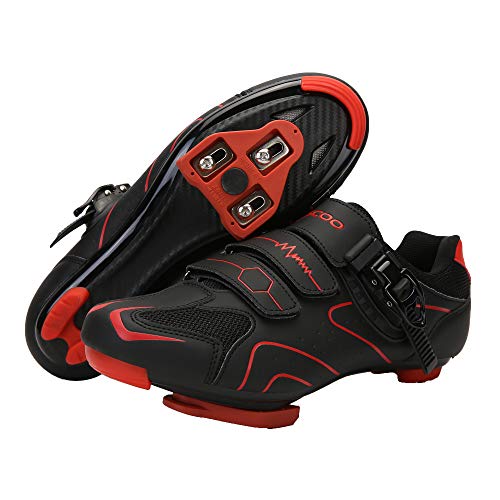
KESCOO Peloton-Compatible Cycling Shoes
KESCOO Peloton and SPD Cycling Shoes

Fizik Tempo Decos Carbon
A Deeper Look At The Lineup
Long road miles demand a shoe that disappears on your foot while still delivering efficient power transfer. Adidas builds The Road Cycling Shoes around a Primeblue upper, a recycled-material construction aimed at reducing environmental impact without sacrificing structure. The glass fiber-reinforced nylon plate sits between your foot and the cleat (the small clip that locks into your pedal), balancing pedaling stiffness with enough give to stay comfortable over multi-hour rides.
Reflective accents add low-light visibility for early-morning commuters or post-work loops. Three-bolt cleat compatibility keeps the shoe aligned with standard road pedal systems like SPD-SL and Look, which matters if you already own pedals and just need shoes to match.
What Pays Off
- Glass fiber-reinforced nylon plate delivers reliable pedaling stiffness for steady road efforts.
- Primeblue upper uses recycled materials, a thoughtful touch for sustainability-minded riders.
- Three-bolt cleat compatibility works with most standard road pedal systems.
- Reflective details improve visibility on dim commutes and shoulder rides.
- Balanced construction suits both weekend group rides and weekday training sessions.
Worth Noting
- Nylon plate is stiffer than entry-level options but not as reactive as full carbon soles.
- Road-specific design means limited walkability off the bike.
Quick Facts
Who It Suits Best
Endurance road cyclists logging long training miles who want a balance of comfort and pedaling efficiency without stepping up to premium carbon pricing.
Skip It When
You want maximum stiffness and featherweight construction, in which case the Fizik Tempo Decos Carbon delivers a more performance-oriented ride feel.
Mountain bikers need grip that holds up when feet leave the pedals, and the Five Ten Freerider Pro has built its reputation on exactly that. Unlike the Adidas pair above, which targets road riders chasing watts, this shoe stays planted on flat pedals (platforms with no clip-in mechanism) through root gardens, rocky climbs, and sketchy hike-a-bike sections. The Stealth rubber outsole is engineered for confident pedal pinning, and the reinforced toe box shrugs off rock strikes.
For riders who split time between trail sessions and casual post-ride hangs, the Freerider Pro walks comfortably off the bike. The medium-stiff sole is the main trade-off. It pedals efficiently but doesn’t match the snap of a dedicated cross-country race shoe.
Real-World Strengths
- Stealth rubber outsole delivers exceptional grip on flat pedals, wet or dry.
- Reinforced toe cap protects against rock strikes and trail debris.
- Walkable design makes hike-a-bike sections and post-ride errands manageable.
Honest Caveats
- Flat-pedal design is incompatible with clip-in systems, so it’s not a one-shoe quiver option.
- Medium-stiff sole flexes more under hard sprints than XC race shoes.
- Not built for road riding or indoor spin classes.
Made For
Trail and gravity-minded mountain bikers running flat pedals who prioritize grip and walkability over maximum pedaling stiffness.
A Better Fit Elsewhere
Spin-class regulars and road cyclists should look at the KESCOO Peloton-Compatible Cycling Shoes for indoor clip-in use or the Fizik Tempo Decos Carbon for road performance.
Triathlon transitions reward every second saved, and Fizik designed the Transiro Hydra specifically for that race-day urgency. Where the road-focused Adidas pair prioritizes long-mile efficiency, the Hydra leans into breathable construction and a moderately stiff nylon outsole that balances comfort with enough push for the bike leg. The breathable upper helps wick water away after the swim, which keeps blisters at bay during the bike-run transition.
This shoe lives or dies on transition speed, so a quick-entry closure system and easy-on heel loop make a real difference on race morning. For triathletes training through long brick workouts (back-to-back bike and run sessions), the moderate stiffness keeps feet comfortable across the full session.
The Value In It
- Breathable upper construction aids post-swim drying and reduces blister risk during transitions.
- Moderately stiff nylon outsole balances pedaling efficiency with all-day comfort.
- Triathlon-specific entry features help shave seconds off race-day transitions.
Practical Considerations
- Specialized design is overkill for pure road riders or commuters.
- Moderate stiffness won’t satisfy riders chasing maximum power transfer.
Feature Snapshot
Right Fit For
Triathletes and multi-sport racers who need quick transitions and a breathable build for post-swim bike legs.
Reach For A Different Pick When
You’re a pure road cyclist chasing long-mile efficiency, in which case the Adidas The Road Cycling Shoes or Fizik Tempo Decos Carbon fit that profile better.
Indoor cycling has its own gear reality, and KESCOO’s Peloton-compatible shoes are purpose-built for the studio setting. Unlike the trail-ready Five Ten Freerider Pro or the triathlon-focused Fizik Hydra, this pair targets riders who want a no-fuss clip-in option for their home bike or gym spin sessions. The Delta cleat compatibility (a three-bolt pattern used by Peloton and Look-style pedals) means you’re ready to ride the moment your bike arrives.
For indoor riders, ventilation matters more than outright stiffness, and the breathable upper construction helps during those high-intensity intervals. The closure system is straightforward enough that you can gear up quickly before class starts.
What Earns Its Place
- Delta three-bolt cleat compatibility works seamlessly with Peloton and Look-style indoor pedals.
- Breathable upper helps manage heat during high-intensity spin intervals.
- Unisex sizing accommodates a broad range of foot shapes.
Where It May Fall Short
- Delta cleat design limits outdoor use to road pedals with matching three-bolt patterns.
- Construction prioritizes studio use over all-day comfort on long outdoor rides.
Best Suited To
Indoor spin enthusiasts and Peloton owners who want dedicated clip-in shoes without the premium road-shoe price tag.
Look Elsewhere When
You want one shoe for both indoor classes and trail or outdoor cycling, where the Five Ten Freerider Pro or a road-focused pick would serve better.
Riders who bounce between a Peloton at home and an outdoor bike with SPD pedals (a two-bolt cleat system common on commuter and mountain bike pedals) usually end up buying two pairs of shoes. KESCOO solves that with a dual-cleat design, combining Delta compatibility for indoor use with SPD-ready mounting for outdoor rides. Compared to the single-system KESCOO Peloton pair above, this version adds genuine versatility without doubling your gear closet.
The breathable upper keeps indoor sessions comfortable, and the broader cleat range means weekend rides on your hybrid or commuter don’t require a shoe change. For apartment dwellers with limited storage, one shoe handling two systems is a real space saver.
Features That Help
- Dual cleat compatibility covers both Peloton-style indoor pedals and SPD outdoor systems.
- Breathable mesh upper keeps feet cooler during indoor intervals.
- Unisex sizing suits shared households and gift-giving scenarios.
Things To Consider
- Walk-anywhere tread is limited compared to dedicated trail shoes like the Five Ten Freerider Pro.
- Dual-cleat design is heavier than single-system road or indoor shoes.
Perfect Match For
Riders who split their time between indoor spin classes and outdoor commutes on SPD-equipped bikes.
Swap It Out When
You only ride indoors and want a lighter studio-specific shoe, where the KESCOO Peloton-Compatible Cycling Shoes (the single-system version) fits that profile.
The Fizik Tempo Decos Carbon sits at the performance end of the road cycling shoe spectrum, and it shows. Where the Adidas pair above relies on a glass fiber-reinforced nylon plate, Fizik builds the Decos around a full carbon outsole that maximizes power transfer on every stroke. The minimalist design strips excess weight, which matters during long climbs and races where grams add up.
Despite the performance focus, Fizik aims to merge stiffness with real comfort, making the Decos more forgiving than older generations of carbon-soled shoes. For road cyclists chasing marginal gains, the carbon construction delivers noticeable snap under hard efforts.
What Works In Its Favor
- Full carbon outsole delivers maximum power transfer for competitive road cycling.
- Minimalist construction reduces weight for climbs and race-day efforts.
- Refined fit balances race-day stiffness with all-day comfort for long training rides.
Points To Keep In Mind
- Premium pricing puts it out of reach for casual or entry-level riders.
- Carbon sole is stiffer than nylon options, which can feel harsh on rough roads.
- Limited walkability off the bike compared to flat-pedal or SPD shoes.
Technical Highlights
Who Should Grab It
Performance-focused road cyclists and racers who want carbon-level stiffness and are willing to invest in premium construction.
Consider Something Else When
You’re a recreational rider or commuter, in which case the Adidas The Road Cycling Shoes offers a more budget-friendly balance of comfort and efficiency.
How To Pick The Right Pair For Your Riding Style
Fit and Closure System
A cycling shoe that fits well disappears on your foot, while a poor fit causes hot spots, numbness, and knee strain over time. Look for a snug heel pocket with room to wiggle your toes, and pay attention to closure type. Boa dials (a wire-and-dial closure system common on cycling shoes) offer on-the-fly micro-adjustments, while Velcro straps work fine for shorter rides.
Cleat Compatibility and Pedal System
Your pedals dictate your cleat system. Three-bolt SPD-SL or Look cleats suit road and indoor cycling, while two-bolt SPD systems work for mountain biking and many commuters. Buying shoes that match your existing pedals saves money and frustration. The dual-cleat KESCOO Peloton and SPD option is worth considering if your riding spans multiple disciplines.
Sole Stiffness and Power Transfer
A stiffer sole transfers more energy to the pedal, which matters for racing and long climbs. Carbon soles deliver the most snap, while nylon and glass fiber composites balance comfort with reasonable efficiency. Casual riders often prefer moderate stiffness for all-day wear.
Ventilation and Weather Use
Hot climates and high-intensity indoor sessions demand breathable uppers to manage sweat and heat. Mesh panels and perforated uppers help, though they trade off some weather protection. Year-round commuters may want to weigh breathability against warmth retention.
What Riders Often Overlook
Mistakes Worth Dodging
Picking shoes before pedals locks you into a cleat system, so check your pedal compatibility first. Assuming shoe size matches your regular sneakers is another trap; cycling shoes typically run smaller and require a snugger fit. Skipping the break-in period can also cause surprises, since stiff soles and new uppers need a few rides to mold to your foot shape.
Where The Extra Money Goes
Premium carbon soles deliver measurable power savings during high-intensity efforts, making them worthwhile for racers and competitive cyclists. Upgraded closure systems like dual Boa dials offer better micro-adjustment during long rides. Higher-end uppers also tend to last longer under repeated use, so the upfront cost can pay back over multiple seasons of riding.
Frequently Asked Questions
How should cycling shoes fit compared to regular shoes?
Cycling shoes should feel snug without pinching, leaving just enough room to wiggle your toes. Most cycling shoes run smaller than everyday footwear, so sizing up from your normal size often leads to heel slippage and lost power transfer.
Can I use road cycling shoes on a Peloton bike?
Road cycling shoes with three-bolt Delta-compatible cleats work on Peloton bikes. Two-bolt SPD cleats do not fit Peloton pedals without adapters, so confirm your cleat system matches your indoor bike before purchasing.
How long do cycling shoes typically last?
Most cycling shoes last several seasons with regular use, though cleat mounts and closure systems tend to wear first. Replacing cleats and keeping the upper clean extends shoe life considerably.
Do I need different shoes for indoor and outdoor cycling?
Not necessarily. Shoes with dual cleat compatibility, like certain KESCOO models, handle both indoor and outdoor systems. Dedicated indoor shoes work fine if you never ride outside.
Are carbon-soled shoes worth the extra cost?
Carbon soles deliver noticeable power transfer gains during sprints and climbs, making them worthwhile for competitive riders. Recreational cyclists often find nylon or composite soles offer enough performance at a friendlier price.
Closing Remarks
Comfort in cycling shoes comes down to matching the shoe to your pedals, terrain, and riding intensity. The right pair disappears on your foot, lets you focus on the ride, and keeps you coming back for more miles. Take stock of where and how you ride most, then pick the option that fits that reality. Your feet will thank you on every climb.