Clinical rotations mean ten-hour days on tile floors, sudden pivots at the med station, and enough hallway mileage to wear out a flimsy sole before finals week. Your feet take the brunt of every skills lab, simulation session, and bedside assessment. The right pair of nursing school shoes softens that load with cushioning, grip, and a secure fit that survives back-to-back shifts. This roundup focuses on six realistic options covering clinical trainers, all-day slip-ons, supportive sneakers, and the socks that complete the kit.
An Overview Of The Picks
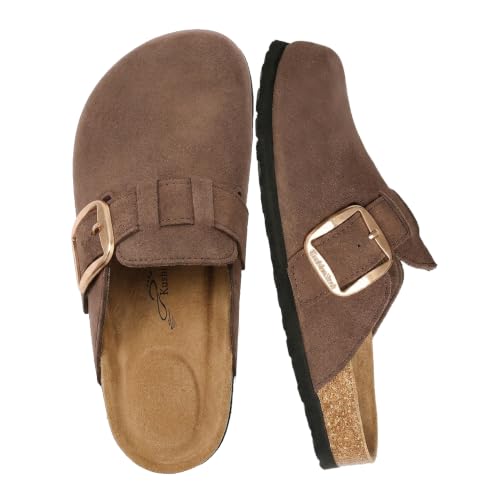
Womens Genuine Leather Clogs Big Buckle Mule

adidas Women’s Ultraboost 20 Dna Running

DC Shoes Men’s Court Graffik

Good Luck Sock Women’s Occupation Socks
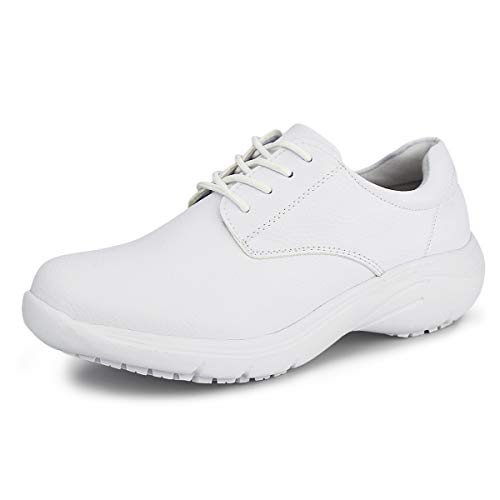
Hawkwell Slip Resistant Lace Up Nursing

Hawkwell Cloud Zero Active Nursing Sneakers
Taking A Closer Look At The Options
Slip-on clogs earn a quiet spot in any nursing school rotation because every second saved at the door is a second closer to your patient’s room. The Womens Genuine Leather Clogs Big Buckle Mule leans into that workflow with a one-step entry and a buckle accent that adds personality without bulk. The leather upper wipes clean after a quick encounter with disinfectant, which matters more than people expect during a fluids-heavy skills lab.
For students bouncing between lecture halls and sim labs, the backless mule style can feel liberating after months of lace-ups. You trade a little heel security for that freedom, so anyone with a tendency to skid on wet linoleum should test their footing on dry tile first.
Reasons It Performs
- One-step slip-on saves time when rushing between cases or rotations.
- Genuine leather upper handles wipe-downs and daily disinfection routines.
- Buckle detail gives the uniform a slightly dressier finish for presentations.
- Stacked heel shape adds subtle height without sacrificing walkability.
Worth Noting
- Open back means less heel lock, which may feel loose during fast pivots.
- Leather tends to need a brief break-in window before softening fully.
Who Will Love This
Students who want quick entry between short shifts and value a polished look over athletic support.
Look Elsewhere When
Anyone logging long rotations on slick hospital floors will find a more locked-in fit in the Hawkwell Slip Resistant Lace Up Nursing option.
The adidas Women’s Ultraboost 20 Dna Running borrows its cushioning platform from serious distance runners, which makes it an interesting fit for nursing students who rack up hallway miles between med carts and patient rooms. The knit upper breathes well during high-pressure moments when your feet tend to heat up, and the elastane heel lets the Achilles settle into a natural position rather than fighting the collar.
Responsive cushioning is the real story here, and it shows up most after hour six when a stiffer shoe starts to feel punishing. The trade-off is that running silhouettes don’t always deliver the slip-resistant outsole grip you find in purpose-built clinical footwear, so anyone working in consistently wet environments should size that factor into the decision.
The Value In It
- Cushioning system softens the impact of hours on hard hospital tile.
- Knit upper promotes airflow during long, warm shifts in busy units.
- Stretchy heel allows natural Achilles movement through long walks.
Points To Note
- Running shoe outsoles prioritize cushion over aggressive slip resistance.
- Knit upper can absorb fluids during spills and needs careful cleaning.
- Premium pricing puts this above entry-level clinical trainers.
Feature Snapshot
The Right Fit
Students who walk several miles per shift and want a sneaker that doubles as a gym or run-around-town shoe.
Swap It Out When
You need explicit slip resistance for wet environments, where the Hawkwell Slip Resistant Lace Up Nursing pulls ahead.
The DC Shoes Men’s Court Graffik sits at the casual end of the spectrum, and that placement matters for a specific kind of student. If your program allows street-style footwear for lecture days and lighter lab sessions, the puffy skate silhouette offers padded comfort without the clinical look that some programs expect. The classic court shape has been around for years because the proportions just work.
It’s worth setting expectations honestly. This is a skate shoe, so the outsole is geared for grip on smooth surfaces rather than aggressive slip resistance on wet linoleum. For students in programs with strict uniform codes, this is a between-classes pick rather than a clinical-floor workhorse.
A Few Strong Suits
- Padded tongue and collar cushion the foot during long sit-and-stand cycles.
- Court silhouette pairs easily with everyday campus wear beyond uniform days.
- Bold logo detailing gives the look a bit of personality in monochrome scrubs.
Trade Offs
- Skate outsoles prioritize board feel over wet-floor traction.
- Limited ventilation compared to mesh running styles in this list.
- Not built for fluid-prone environments, so it suits dry classroom use best.
Perfect Match For
Male students who need a comfortable off-clinical shoe for campus life and lighter lab work.
A Better Fit Elsewhere
Anyone on active clinical rotations will get more utility from the Hawkwell Cloud Zero Active Nursing Sneakers.
No shoe works the way it should without the right sock underneath, and the Good Luck Sock Women’s Occupation Socks exist in that overlooked middle layer. The occupation theme adds a small smile to the morning routine, especially useful during high-pressure clinical weeks when a tiny bit of personality goes a long way.
Sock choices matter more than people expect during nursing school. A cushioned crew sock can absorb the shear forces that build up across a twelve-hour shift, and the right thickness prevents the dreaded sock-slip-inside-the-shoe moment during a code response. Treat this as the supporting actor in your kit.
Useful Strengths
- Occupation-themed graphics add small moments of levity to long shifts.
- Pair easily with any of the sneakers or clogs in this lineup.
- Light cushioning helps reduce friction underfoot during extended wear.
A Few Limitations
- Novelty designs may clash with strict program dress codes requiring plain white or black.
- Thin profile may not provide enough cushion for students prone to heel pain.
Quick Facts
Made For
Students who want to add personality to their daily uniform without sacrificing comfort basics.
Consider Something Else When
Your program enforces strict sock color rules, in which case a plain cushioned crew sock works better than the Good Luck Sock novelty prints.
The Hawkwell Slip Resistant Lace Up Nursing lands squarely in clinical territory with a slip-resistant outsole designed for the kinds of floors you’ll encounter on day one of rotations. The lace-up closure gives a level of midfoot lockdown that slip-ons can’t match, which matters when you’re responding to a rapid bed alarm and need the shoe to stay planted through the pivot.
The lightweight build is the real differentiator. Many work-focused shoes feel like little boots the moment you lace them, but this one aims for an athletic feel that keeps you moving freely. You trade a bit of plush cushioning for that lighter sensation, so anyone with a history of plantar pain may still want to add an insole.
Everyday Wins
- Slip-resistant outsole grips wet linoleum during fast-paced tasks.
- Lace-up closure delivers secure midfoot lockdown for sudden movements.
- Lightweight construction reduces leg fatigue over back-to-back shifts.
Honest Caveats
- Work-focused silhouette may feel stiff until broken in over several days.
- Lace maintenance adds time versus slip-on alternatives like the leather clog mule.
Feature Card
Best Suited To
Students starting hands-on clinicals who need real traction and a secure fit on potentially slippery floors.
Reach For A Different Pick When
You spend more time in lectures than on the floor, in which case the adidas Ultraboost 20 Dna Running offers a more cushioned stride.
The Hawkwell Cloud Zero Active Nursing Sneakers take the brand’s clinical credibility and lean toward athletic comfort. The breathable upper keeps airflow moving during high-stress moments, while the cushioned midsole aims to soften the sting of constant walking. Compared to the lace-up Hawkwell earlier in this roundup, this pair trades some structure for a sneaker-like stride.
It’s a sensible middle ground for students whose programs allow athletic footwear. The cushioning feels more forgiving after hour eight than a flatter work shoe, though you’ll want to confirm your program’s policy on non-traditional clinical footwear before relying on it for every rotation.
Real-World Strengths
- Cushioned midsole softens impact during extended walking shifts.
- Breathable construction keeps feet cooler under pressure.
- Sneaker profile transitions easily from gym to clinical to campus.
Possible Compromises
- Less midfoot lockdown than the Hawkwell lace-up for fast directional changes.
- Athletic styling may not satisfy programs with strict uniform guidelines.
Essential Details
Whose Shelf It Belongs On
Students who rotate between clinical, lecture, and gym settings and want one sneaker that handles all three.
Not Your Match When
Your program mandates traditional clinical footwear, where the Hawkwell Slip Resistant Lace Up Nursing remains the safer bet.
Choosing Footwear That Survives Nursing School
Match The Shoe To Your Rotation Schedule
The first semester often means long lecture stretches with only brief lab sessions, so a cushioned sneaker can carry you through comfortably. By the second year, clinical hours multiply and suddenly the floor becomes your office. A slip-resistant outsole earns its place the moment you start handling bed baths or working near fluid spills. Choose based on the heaviest demands of your current term rather than the easiest week of the year.
If your program splits time between classroom and floor evenly, a hybrid like the Hawkwell Cloud Zero sneaker balances both needs. Students heading straight into acute care should look first at traction.
Prioritize Fit Over Brand Loyalty
Your feet swell during a twelve-hour shift, and a shoe that feels snug in the morning can squeeze painfully by afternoon. Look for a thumb’s width of space at the toe and a heel that locks without digging in. The midfoot matters more than people expect during clinical work, since a loose middle lets the foot slide on sudden pivots.
Try shoes on later in the day when your feet are at their largest. Walk on a hard surface in the store if possible, since soft carpet hides pressure points that show up immediately on hospital tile.
Think About Care And Replacement
Nursing school shoes take more abuse than typical sneakers. Leather uppers handle wipe-downs and disinfectants but need a conditioner to prevent cracking over time. Mesh and knit uppers breathe better but absorb fluids, so a washable pair extends the usable life. Plan to replace clinical shoes every nine to twelve months if you’re on rotations daily, since cushioning breaks down long before the upper shows visible wear.
Picking Smart From The Start
Mistakes Worth Dodging
Choosing based on appearance alone is the fastest way to regret a purchase halfway through week two. A cute sneaker that lacks traction turns dangerous the first time you round a corner on wet tile. Skipping the break-in period also backfires: new shoes should be worn for short shifts first, then graduated to full days once the upper softens.
Avoid assuming your casual sneakers will translate to clinical floors. The traction, fluid resistance, and cushioning profiles are different categories for a reason.
Where The Extra Money Goes
Premium running and nursing shoes typically invest in better midsole foams that retain their bounce across more miles. That matters in nursing school because the sheer step count burns through cheap cushioning in a single semester. Higher tiers also tend to use more durable uppers that resist tearing at flex points. The upgrade pays off when the shoe still feels supportive in month ten instead of month four.
Frequently Asked Questions
How many pairs of nursing school shoes do you actually need? Two pairs tends to be the practical floor, since rotating daily lets each pair dry out fully between shifts and extends cushioning life.
Should nursing school shoes be white or black? Check your program handbook first, because policies vary widely. Many schools accept any neutral tone, but some require all-white for clinical uniformity.
Do you really need slip-resistant outsoles as a student? Any time you work near fluids, mop buckets, or freshly waxed floors, slip resistance is worth the modest price premium over a standard sneaker.
How long does a pair of nursing school shoes typically last? Under daily rotation wear, expect nine to twelve months before cushioning noticeably fades, with the upper lasting longer on quality builds.
Can running shoes work as nursing school shoes? For lecture-heavy semesters, yes. Once clinical hours ramp up and floors get wet, purpose-built slip resistance becomes the safer choice.
Final Verdict
Your rotation schedule and program uniform rules should drive the final call more than any brand name. A student easing into first-year labs can comfortably lean on the leather clog mule or adidas Ultraboost for the cushioning alone. The Hawkwell pairs step in when clinical hours get serious, with the lace-up version favoring wet-floor traction and the Cloud Zero leaning toward all-day athletic comfort. Match the shoe to your heaviest week, give it a proper break-in, and your feet will thank you through graduation.