Long hospital shifts punish your feet. Between rushed hallways, slippery linoleum, and twelve-hour days on tile, the wrong pair of shoes can leave you aching before lunch. The right pair quietly carries you through patient rounds, charting sessions, and the commute home without complaint.
Nursing shoes have evolved into a specific category: slip-resistant soles, easy-clean uppers, cushioning that survives back-to-back doubles, and a fit that works with compression socks. Below, five picks cover the main profiles shoppers tend to land on, from classic clogs to lace-up sneakers and budget-friendly slip-ons.
An Overview Of The Picks

Crocs Unisex-Adult Star Wars R2D2 Classic Clogs

Crocs Classic Clog, Ballerina Pink
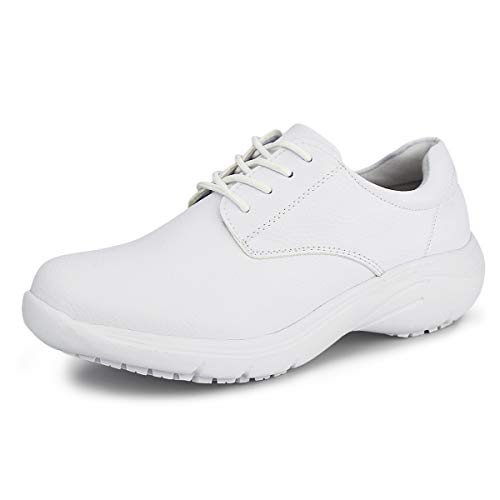
Hawkwell Women’s Slip Resistant Lace Up Nursing Shoes

Hawkwell Women’s Cloud Zero Active Nursing Sneakers

Bigant Women Clogs Slip-on Nursing Garden Shoes
Taking A Closer Look At The Options
If your floor allows personality footwear, the Star Wars R2-D2 Classic Clogs put a playful spin on the familiar Crocs silhouette. The molded resin upper keeps the same roomy, easy-step shape longtime wearers expect, and the themed colorway gives pediatrics, NICU, and casual units a little conversation starter between shifts.
Anyone who has worn a Classic Clog will recognize the feel instantly. Compared with the lace-up Hawkwell sneakers reviewed later, this pair trades structure for slip-on speed, which suits nurses who value fast on-and-off at the locker.
What Pays Off
- Slip-on entry saves time on rushed breaks and locker swaps.
- Roomier toe box accommodates thick compression socks without pinch.
- Licensed colorway adds personality without changing the core fit.
- Lightweight build reduces foot fatigue during 10-12 hour stretches.
- Hose-off cleaning handles spills and floor grime with minimal effort.
Things To Consider
- Loose heel fit can catch on footrests and scooter pedals for some wearers.
- Themed look may not suit dress-code-strict units or administrative roles.
Who It Suits Best
Nurses and care staff who work in casual dress-code units and want a fun, recognizable clog that keeps the comfort basics intact.
Consider Something Else When
If your unit requires a sneaker-style silhouette, the Hawkwell Women’s Slip Resistant Lace Up Nursing Shoes offers a more structured feel.
The Ballerina Pink Classic Clog is the quiet workhorse of the Crocs nursing lineup. It strips out the themed graphics and keeps the molded resin upper, roomy fit, and easy-clean finish that have made this shape a staple across hospitals, dental offices, and veterinary clinics for years.
For someone rotating between OR scrubs and floor shifts, this pair handles spills, sanitizer splashes, and the occasional mystery puddle without drama. The neutral colorway reads more conservative than the R2-D2 pair reviewed above, which matters on stricter units.
What Earns Its Place
- Neutral pink shade reads clean across most dress codes.
- Lightweight molded build stays comfortable through back-to-back shifts.
- Wide fit accommodates bunions, swelling, and orthotic inserts.
- Smooth surface wipes down fast at the end of a long day.
Worth Noting
- Heel strap positioning feels loose on narrow heels, depending on foot shape.
- Minimal arch support may require aftermarket insoles for high-mileage shifts.
- Solid color shows scuffs and floor grime faster than patterned alternatives.
Made For
Veteran nurses who already know they love the Classic Clog fit and want a clean, color-flexible option that pairs with nearly every scrub color.
Look Elsewhere When
The Bigant Women Clogs Slip-on Nursing Garden Shoes is a sensible alternative if you want a softer price point for a rotation pair.
Lace-up nursing shoes answer a problem clogs cannot: lockdown fit on slippery floors. Hawkwell’s slip-resistant lace-up keeps your foot planted through pivot turns, code blues, and cafeteria rushes, with a work-shoe construction aimed at healthcare and food-service staff who log serious standing hours.
The build leans more structured than the Crocs Classic Clog reviewed earlier, which trades some of that slip-on ease for a tighter, more athletic ride. Nurses moving between wet lobbies and back-of-house corridors tend to appreciate the extra grip.
What Helps Most
- Slip-resistant outsole targets wet tile and polished concrete.
- Lace-up closure locks the heel, reducing lift on quick direction changes.
- Lightweight upper keeps the shoe from feeling clunky during long routes.
- Work-shoe profile fits into uniform dress codes that ban open-back clogs.
Honest Caveats
- Lace maintenance adds a small daily step compared with slip-on clogs.
- Structured fit may feel stiff for the first few shifts before breaking in.
Key Specs
Best Suited To
Nurses and care technicians working on slick hospital floors who need a snug, athletic fit that survives fast pivots and long routes.
A Better Fit Elsewhere
If you prefer a softer, cushion-forward ride over lockdown structure, the Hawkwell Women’s Cloud Zero Active Nursing Sneakers is the sibling pick to consider.
Cushion is the headline feature here. The Cloud Zero Active carries a thicker, more plush midsole than the lace-up Hawkwell reviewed above, and the breathable upper targets nurses whose feet swell noticeably across a long shift or those who just want that “walking on foam” feel.
Compared with the Bigant clog reviewed later, this pair looks more like a tennis shoe than a slip-on. For travel between units, gym sessions after shift, or quick errands on the way home, the sneaker profile covers more ground without a shoe change.
Advantages To Know
- Plush midsole softens impact on hard hospital tile and concrete floors.
- Breathable upper helps manage heat and sweat during back-to-back shifts.
- Sneaker silhouette transitions easily from ward to gym to grocery run.
- Cushioned footbed reduces heel and forefoot pressure on long routes.
Trade Offs
- Thicker midsole raises stack height, which can feel bulky under scrub pants.
- Sneaker styling may not match strict uniform policies that prefer plain shoes.
- Cushioned foams typically need replacing sooner than firmer work-shoe soles.
Who Should Grab It
Comfort-first nurses with joint sensitivity, long commutes, or shifts that include heavy walking between buildings and parking lots.
Swap It Out When
The Crocs Classic Clog, Ballerina Pink is a smarter pick if your unit enforces an open-back clog dress code.
The Bigant clog sits at the entry point of the list: a soft, cushioned slip-on aimed at nurses, gardeners, and home users who want low-fuss footwear without the brand-name markup. The unisex shape and cushioned footbed keep the price honest while covering the basic comfort checklist.
For a rotation pair, a backup kept in the car, or a first pair for a nursing student on a tight budget, it covers the core needs. Where it differs from the Crocs Classic Clog reviewed earlier is mostly in brand cachet and long-term durability reputation.
A Strong Showing
- Low price point makes a rotation pair or backup pair affordable.
- Slip-on entry suits quick changes at the locker or front door.
- Cushioned footbed softens standing on tile during average-length shifts.
Points To Keep In Mind
- Outsole grip is not as aggressive as the dedicated slip-resistant work shoes.
- Build quality may not last as long as the brand-name clogs under daily use.
- Generic sizing can fit wide for those used to athletic-style sneakers.
The Right Fit
Nursing students, backup-pair shoppers, and anyone who wants a low-cost slip-on to round out a shoe rotation.
Reach For A Different Pick When
The Crocs Unisex-Adult Star Wars R2D2 Classic Clogs is the upgrade path if you want a clog with a more established comfort reputation.
What To Weigh Before Choosing Nursing Shoes
A great nursing shoe earns its keep across three scenarios: long standing time, frequent wet-floor crossings, and the inevitable spill. Slip-resistance is the single most important spec, because hospital and clinic floors stay polished and often damp at thresholds. Cushioning matters next; foam midsoles absorb impact that would otherwise travel up through your knees and lower back after a 12-hour shift.
Fit is the third pillar. Wide toe boxes pair well with compression socks, and removable footbeds let you swap in custom orthotics. Breathable uppers help if your feet swell or run hot, while closed-toe, closed-heel designs suit units with strict safety codes. Clogs slip on fast but can catch on foot controls; lace-up sneakers lock the heel but add a daily step.
Match the shoe to your unit’s dress code and your typical shift shape. OR and sterile environments often demand closed-toe, closed-heel footwear. Pediatrics and outpatient clinics usually allow personality picks. Float-pool nurses benefit from versatile sneakers that move between departments without a shoe change.
Where Shoppers Slip Up And Where The Money Goes
Wrong Turns To Avoid
Choosing by color alone is the most common mistake. A cute pair with a hard, thin midsole will leave you sore by week two, no matter how well it matches your scrubs. Skip the assumption that any white shoe works for clinical duty. Always confirm the outsole is rated slip-resistant for wet, polished surfaces.
Sizing is the other trap. Many shoppers order their street size and end up with cramped toes once compression socks enter the picture. Most nursing shoes fit best with a half-size up from your everyday athletic pair, especially if you plan to wear thicker socks or orthotic inserts.
What Separates Premium From Basic
The jump from budget clogs to premium nursing shoes usually shows up in three places: outsole rubber compound, midsole foam density, and upper construction. Better rubber grips wet tile longer before flattening out. Denser, more resilient foams keep their bounce past the six-month mark, when cheaper midsoles tend to bottom out.
Higher-tier pairs also tend to use engineered uppers that resist odor, wipe clean, and breathe better across long shifts. The Crocs Classic Clog, Ballerina Pink, and the Hawkwell Cloud Zero Active both represent that step up, with brand-tracked durability and more refined cushion systems. Worth it for full-time staff, less critical for occasional wear.
Frequently Asked Questions
How long do nursing shoes typically last? Most clogs and sneakers used full-time hold up well for about six to twelve months before the midsole and outsole start losing their supportive feel. Rotating two pairs and letting each air out between shifts extends that lifespan noticeably.
Are slip-resistant outsoles really necessary? Hospital and clinic floors stay polished and frequently wet at doorways, so traction is one of the most practical features a nursing shoe can offer. Standard sneaker soles can hydroplane on damp linoleum, especially during fast pivots.
Can I wear regular running shoes instead? Running shoes work for the cushioning part, but most lack the slip-resistance rating and easy-clean upper that clinical floors demand. A dedicated nursing shoe balances grip, cleanup, and cushion in one package.
How should nursing shoes fit? You want about a thumb’s width of space at the toe to accommodate swelling and thicker socks. The heel should feel locked in, not sloppy, and the widest part of your foot should sit inside the widest part of the shoe.
Do I need to break in nursing shoes? Clogs usually feel comfortable right away because of the roomy shape. Lace-up sneakers and structured work shoes often need a few short shifts before the upper relaxes enough to feel truly broken in.
Closing Thoughts
The best nursing shoes feel invisible on your feet during a long shift. Start with slip-resistance and cushioning, then narrow by dress code and personal fit. Try one pair and wear it for several shifts before deciding, because short walks around the house never tell the full story of a twelve-hour day on hospital tile.