Twelve-hour shifts turn a decent pair of shoes into a liability fast. Your feet absorb roughly twice your body weight with every step on hard hospital floors, and most general sneakers simply weren’t engineered for that punishment. The picks below balance cushion depth, slip resistance, and breathable uppers, so you’re choosing based on how your feet actually feel at hour nine, not how the box looks at hour one.
A Quick View Of The Lineup

Skechers Mens Summits Korlo Slip-in

Skechers Women’s D’Lites Resilient Sneaker

Skechers Women’s D’Lites Me Time Sneaker

konhill Womens Slip On Knit Walking Shoes
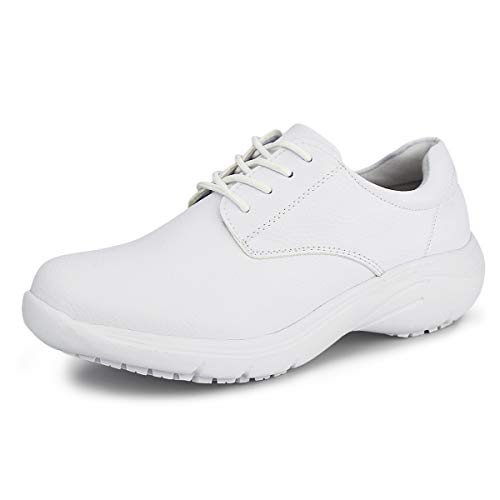
Hawkwell Women’s Slip Resistant Nursing Shoes

Hawkwell Women’s Cloud Zero Active Nursing Shoes
More On The Choices That Made The List
For anyone racing between patients, the slip-on entry of the Skechers Summits Korlo removes a small but real friction point from every shift. The vegan leather upper stretches over stretch laces, so you step in and go without bending down or fiddling with your hands. A built-in Heel Pillow cradles the back of your foot, which matters more than it sounds when you’re logging eight miles a day on linoleum.
Compared to the lace-up picks later in this list, you trade some adjustable snugness for speed. Air-Cooled Memory Foam underfoot keeps the insole from feeling flat after hour five. For male nurses and caregivers who want minimal morning prep, this is a sensible start.
Good Reasons To Consider
- Hands-free slip-in design saves real seconds every entry and exit
- Heel Pillow technology reduces rubbing during long standing stretches
- Memory foam insole adapts to your foot shape over repeated wear
- Stretch-lace upper forgives mild swelling across a long shift
Things To Consider
- Slip-on fit runs slightly loose for narrow feet; expect to size down a half
- Vegan leather upper can trap heat in summer units without strong AC
Who It Suits Best
Shift workers who value fast on-and-off entry and don’t want to bother with laces during quick breaks.
Look Elsewhere When
You work on consistently wet floors and want purpose-built traction, where the Hawkwell Women’s Slip Resistant Nursing Shoes make more sense.
The D’Lites Resilient leans into that chunky-shoe platform that absorbs shock before your knees ever see it. A nubuck leather and heathered mesh upper breathes well in stuffy med-surg units, while the lightweight shock-absorbing midsole handles the constant heel-strike punishment of hallway pacing. If you liked the slip-on convenience of the Summits Korlo but want more cushion depth, this is the natural step up.
Versatility is the quiet win here. The styling pairs with both scrubs and casual weekend wear, so it doesn’t feel like a one-purpose shoe. For most ward nurses who want one reliable option for clinical days and grocery runs, the D’Lites Resilient fits the brief.
Everyday Perks
- Thick midsole noticeably softens long standing stretches
- Mesh ventilation panels reduce sweat buildup in warm units
- Smooth nubuck upper wipes clean with a damp cloth after spills
- Slip-on mule entry still works for quick breaks
Honest Caveats
- Bulkier silhouette feels clunky under narrow scrub pants
- Nubuck requires occasional brushing to keep its texture looking fresh
- Lacks explicit slip-resistant outsole certification for clinical wet floors
Feature Snapshot
Made For
Ward nurses who want an everyday cushioned shoe that handles both long shifts and time outside work.
Reach For A Different Pick When
You work in an environment with frequent floor spills and need stronger traction than the Hawkwell Women’s Slip Resistant Nursing Shoes offers.
Where the D’Lites Resilient slips on, the Me Time version laces up, and that difference matters if your foot swells mid-shift or your arch needs firm lockdown. The trubuck leather and heathered jersey knit upper balances structure with breathability, while the 1.25-inch heel adds subtle lift without compromising stability. For nurses who cover serious mileage on hard floors, the secure lace fit earns its keep.
The trade-off is morning time. Lacing takes longer than the slip-on Summits Korlo from earlier, but you get a more locked-in feel during sprint-to-code situations. Anyone who has felt their heel slip out of a mule during a fast pivot will appreciate the difference immediately.
Notable Upsides
- Lace-up front locks the heel in place during sudden directional changes
- Trubuck leather upper resists scuffs from bed rails and equipment
- Lightweight shock-absorbing midsole reduces fatigue over 12-hour days
- Knit panels add flexibility for wider feet
- 1.25-inch heel provides a slight forward pitch without feeling elevated
Points To Note
- Lace entry slows down quick break swaps
- Higher stack height can feel unstable for those used to flat shoes
Best Suited To
Nurses and techs who log heavy mileage and want a secure lockdown rather than slip-on convenience.
Consider Something Else When
You rotate between multiple pairs and want grab-and-go speed, where the Skechers Mens Summits Korlo Slip-in saves more time.
The konhill slip-on earns its place by doing the basics surprisingly well for a tight budget. The knit upper stretches to accommodate foot shape, which helps if your feet swell during back-to-back shifts. Lightweight materials reduce the leg-lift fatigue that heavier shoes cause by hour ten, and the slip-on construction means you can remove them quickly after a long day.
This isn’t the most structured shoe in the lineup, and that honesty matters. Side-by-side with the Skechers D’Lites Resilient, the konhill offers less arch support and a thinner midsole. For travel nurses, students, or anyone rotating through shoes while saving up for a longer-term investment, it’s a sensible short-term play.
A Few Highlights
- Knit upper breathes better than synthetic leather in hot environments
- Slip-on entry removes lacing from the morning routine
- Lightweight construction reduces leg fatigue over long walking days
- Stretchy upper forgives mild foot swelling throughout a shift
Worth Bearing In Mind
- Less structured midsole may feel flat for those used to thicker cushioning
- Knit upper absorbs liquids more easily than leather, so wipe spills fast
- Not marketed with explicit slip-resistance certification for clinical floors
Perfect Match For
Nursing students and new grads who want a serviceable starter shoe without a major upfront commitment.
A Better Fit Elsewhere
You already know you need serious arch support and slip resistance, where the Hawkwell Women’s Slip Resistant Nursing Shoes delivers more clinical-grade features.
This Hawkwell model was purpose-built for the clinical environment, not adapted from a running shoe. The slip-resistant outsole handles wet linoleum and freshly mopped corridors with more confidence than the Skechers options earlier in this list, which is the single biggest differentiator for floor safety. The lace-up entry secures the heel during bed-to-bed movement, and the lightweight build avoids the clunky feel some work-specific shoes carry.
The styling skews more utilitarian than the D’Lites Me Time, which trades some weekend versatility for workplace performance. For nurses in ICU, OR, or any unit with frequent floor cleaning, that trade is usually worth it.
Standout Benefits
- Slip-resistant outsole grips wet and freshly cleaned floors
- Lace-up construction locks the heel in place during fast pivots
- Lightweight build reduces leg fatigue over 12-hour shifts
- Neutral professional styling fits most clinical dress codes
Practical Considerations
- Less breathable than the Skechers mesh options during summer months
- Work-focused styling looks out of place with casual weekend outfits
- Lace entry takes longer than the slip-on Skechers picks
Feature Snapshot
Whose Shift It Belongs On
Nurses working in high-spill units like the ER, OR, or kitchen-adjacent wards who need dependable traction above all else.
Skip It When
You split time between clinical work and casual weekends and want one shoe that handles both, where the Skechers D’Lites Resilient is more versatile.
The Cloud Zero Active lives up to its name with a deeply cushioned midsole that absorbs impact before it reaches your lower back. A breathable upper keeps airflow moving during warm shifts, and the sneaker-inspired silhouette looks less clinical than traditional nursing clogs. Compared to the more utilitarian Hawkwell lace-up earlier, this one prioritizes plush comfort over maximum lockdown.
The cushioning depth makes it a strong match for nurses who already deal with knee or lower-back fatigue, and the breathable construction helps during summer assignments. Anyone who found the D’Lites Me Time too structured will likely prefer this softer ride.
What Stands Out
- Plush cushioned midsole softens every step on hard floors
- Breathable upper reduces heat buildup in warm units
- Sneaker styling transitions easily from shift to weekend wear
- Lightweight build keeps leg fatigue manageable across 12-hour days
- Work-appropriate construction suited to clinical environments
Some Limits To Know
- Deep cushioning can feel unstable for those who prefer a flatter platform
- Soft midsole may compress faster than firmer options over heavy use
Who Should Grab It
Nurses who prioritize cushion over structure and want one shoe that handles long shifts plus post-work errands.
Swap It Out When
You work consistently around wet floors and need dedicated slip resistance, where the Hawkwell Women’s Slip Resistant Nursing Shoes is the safer call.
What To Weigh Before Choosing Your Next Pair
The single most important factor in shoes for healthcare work is the outsole. Hard hospital floors stay slick even when dry, and a spill zone multiplies the risk. Look for outsoles explicitly labeled as slip-resistant, since general rubber treads don’t all grip the same way. After traction, midsole cushioning matters more than upper material for most people. A thicker, responsive foam absorbs impact across thousands of steps, which protects your knees and lower back over years of practice.
Next, think about how you actually use the shoe. Nurses who sprint to codes benefit more from secure lace-up lockdown, while desk-adjacent roles can lean into slip-on convenience. Breathable uppers make summer shifts bearable, and vegan or synthetic leathers wipe clean faster than suede. Weight also quietly compounds: a shoe that’s 20% lighter than your current pair saves measurable energy across a 12-hour shift.
Finally, fit and foot shape matter more than brand loyalty. People with wider feet often prefer knit uppers that stretch, while narrow-footed wearers may need the lockdown of laces. Try to test fit at the end of the day when feet are slightly swollen, since that’s closer to your real working condition.
Key Considerations Across These Picks
Wrong Turns To Avoid
The most common slip-up is choosing a shoe based on looks rather than outsole performance. Pretty running sneakers with smooth tread can hydroplane on freshly mopped floors, and no amount of cushioning fixes a fall. Another mistake is assuming all slip-ons fit the same: a stretchy knit mule feels completely different from a structured leather slip-on. Trying to save money with a non-clinical fashion sneaker often ends with mid-shift foot pain that costs more in replacement pairs.
Where The Extra Money Goes
Higher-tier clinical shoes like the Hawkwell work-specific models typically invest in certified slip-resistant outsoles, reinforced stitching at stress points, and engineered midsoles that retain cushioning over time. The price gap usually reflects durability rather than branding. Paying up makes sense for full-time staff who’ll wear the shoes 40+ hours a week, while occasional users can comfortably stay in the lighter Skechers options. The honest read is that the upgrade pays off most when your shift count is high and your floor exposure is real.
Frequently Asked Questions
How Often Should Nurse Shoes Be Replaced?
Most work-specific pairs last roughly six to twelve months under full-time clinical use, though cushioning often compresses before the outsole wears smooth. Rotating two pairs extends the life of both.
Are Slip-On Shoes Safe For Hospital Floors?
Slip-ons from reputable brands grip well on dry surfaces, but wet floors demand outsoles explicitly tested for slip resistance. Entry style and traction are separate decisions.
Do I Need Arch Support In Nursing Shoes?
Most nurses benefit from moderate arch support, especially those with flat feet or who stand in one place for long stretches. Removable insoles let you swap in custom orthotics later.
Can I Wear Running Shoes For Nursing Shifts?
Running shoes offer excellent cushioning but typically lack certified slip resistance for wet clinical floors. They work for light-duty units but fall short in high-spill environments.
How Do I Clean Nursing Shoes Without Damaging Them?
Wipe leather and synthetic uppers with a damp cloth and mild soap, and let shoes air-dry fully between shifts. Avoid machine washing, which can break down glue and midsoles.
Bottom Line
The right pair of nurse shoes for standing all day comes down to matching your unit’s floor conditions with your foot’s need for cushion or lockdown. Slip-resistant outsoles earn priority over everything else for wet environments, while cushioned midsoles carry more weight for stationary roles. Try to walk a real shift in any pair before committing, and rotate between two shoes so each one dries fully between wears. Your feet at hour nine will tell you whether you made the right call.