Ballroom dance demands a lot from footwear, and the wrong pair can throw off balance, cause blisters, or simply wear out before the season ends. Women stepping into waltz, tango, or rumba routines benefit most from shoes that combine traction with pivoting freedom. This roundup looks at six options spanning canvas half soles, full leather designs, character heels, and ballet flats built for dancers of varied skill levels.
The Choices Worth Comparing

Stelle Canvas Half Soles Dance Shoes (Lyrical Turners)

Stelle Genuine Leather Half Soles Dance Shoes

Bloch Performa Stretch Canvas Split Sole Ballet Shoe
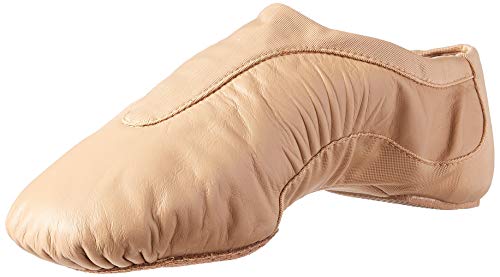
Bloch Womens Pulse Dance Shoe

missfiona PU Leather Ballet Shoes (Belly Dance Slipper)

YESSA 2″ T-Strap Character Dance Shoe (Gatsby Style)
A Breakdown Of The Leading Choices
Stelle’s canvas half sole design strips the shoe down to what lyrical and contemporary dancers actually need: a thin strip of material under the ball of the foot and a low heel piece. Without a full sole in the way, the arch sits exposed so turns feel closer to barefoot, which matters during pirouettes and directional changes on a sprung studio floor.
For women just starting lyrical classes or supplementing ballroom practice with modern work, this is a forgiving entry point. Compared to the Bloch Performa covered later, the open arch and lightweight build feel almost weightless during long rehearsals, though the fit runs narrow for wider feet.
Advantages To Know
- Half sole construction lets the arch flex naturally, making clean turns less work.
- Canvas upper breathes during hot studio sessions, reducing foot fatigue.
- Low profile keeps the line of the foot looking uninterrupted from the audience view.
- Easy to slip on between classes, which helps during quick studio rotations.
Things To Consider
- The narrow cut may feel tight across the forefoot, so trying a half size up can help wider feet.
- Without a full sole, protection on rough outdoor surfaces is minimal.
Who It Suits Best
Newer lyrical students and dancers who want barefoot-style freedom for turns without investing heavily in their first pair.
Consider Something Else When
The missfiona PU Leather Ballet Shoes suit dancers who want a fuller coverage slipper for belly dance or general warm-ups instead.
Same shape as the canvas half sole, but Stelle upgrades the material here to genuine leather. Leather molds to the foot with use, which means the first few sessions may feel stiff before the shoe settles into a personalized fit. The result is a more durable build for dancers logging serious hours each week.
Where the canvas half sole works best as a starter, this leather version earns its place in the bag of intermediate and advanced dancers. In practice, leather half soles tend to outlast canvas by a wide margin, making them worth the upgrade for anyone practicing multiple times weekly.
Good Reasons To Consider
- Genuine leather upper softens and conforms to the foot over time, improving fit the more you dance.
- Tighter stitching and firmer sole pieces handle heavier use than canvas alternatives.
- Same open-arch design that makes the canvas version so popular for turns and pirouettes.
Trade Offs
- Needs a break-in period before the leather feels truly comfortable.
- Costs more upfront, though the longer lifespan usually offsets the difference for frequent dancers.
- Leather needs occasional airing out between sessions to keep odor in check.
Right Fit For
Studio dancers attending several classes a week who need gear that holds up across months of regular use.
Skip It When
The Stelle Canvas Half Soles Dance Shoes suit casual dancers who only need light practice footwear and want something easier on the wallet.
Bloch builds the Performa with stretch canvas, which behaves differently from traditional canvas: it hugs the foot like a second skin and recovers its shape after each wear. The split sole design keeps the arch open while reinforcing the toe box for better balance work, an important consideration during pointe preparation or sustained relevés.
This shoe tends to suit dancers who log serious hours and want a flat that disappears on the foot. Unlike Stelle’s half sole, the Performa wraps the full foot but still allows the arch to flex, which feels more like a traditional ballet flat without sacrificing the freedom of a half sole.
Practical Pluses
- Stretch canvas molds to the foot’s unique contours, which reduces pinching across the metatarsals.
- Pre-sewn elastic keeps the shoe snug against the foot without bunching during floor work.
- Reinforced toe shape helps with balance during slow rises and controlled landings.
Honest Caveats
- Stretch material shows wear faster than leather, especially on the sole edges.
- The snug fit can feel restrictive for very wide feet, particularly through the toe box.
Feature Snapshot
Made For
Dedicated ballet students and lyrical dancers who train several times per week and want a flat that moves with the foot.
A Better Fit Elsewhere
The Bloch Womens Pulse offers a fuller coverage design with a suede sole for dancers prioritizing grip over canvas flexibility.
The Bloch Pulse sits in a different lane from the canvas options above, offering a fuller coverage shoe with a suede sole that grips when flat and pivots when the dancer rises onto the ball. The neoprene arch panel hugs the midfoot, while a cotton lining helps the shoe breathe during long rehearsals.
Dancers who mix jazz, contemporary, and theatrical work tend to gravitate toward this style. For ballroom specifically, the Pulse handles Latin and American rhythm styles well, since the suede front sole allows controlled pivots without sticking to the floor.
Everyday Advantages
- Suede front sole gives dancers the ability to spin, brake, and pivot in one shoe.
- Neoprene stretch arch panel hugs the foot, reducing slippage during fast transitions.
- Cotton lining wicks moisture and helps the shoe stay fresh across back-to-back classes.
- Low profile heel offers extra control during stops and direction changes.
Points To Keep In Mind
- Suede soles wear down faster on rough surfaces, so outdoor use shortens the lifespan.
- Wide feet may need a half size up, since the snug arch fit can feel tight at first.
- Heavier than canvas half soles, which some dancers notice during long rehearsals.
Core Details
Best Suited To
Jazz, contemporary, and Latin dancers who need versatile grip and pivot control in a single shoe.
Look Elsewhere When
The YESSA T-Strap Character Shoe makes more sense for stage performances needing a taller heel and theatrical styling.
missfiona takes a softer, slip-on approach with these PU leather ballet flats, designed originally for belly dance but functioning well as a general practice slipper. The synthetic upper is thinner than genuine leather and feels forgiving for first-time dancers still building calluses.
This option works best for at-home practice, casual warm-ups, or as a backup pair tossed in a dance bag. The PU construction makes it more affordable, though it doesn’t offer the same longevity as the Bloch or Stelle leather alternatives.
What Helps Most
- Soft PU leather gives a comfortable, broken-in feel straight out of the box.
- Slip-on design makes them convenient for quick practice sessions at home.
- Flexible sole supports basic foot articulation during stretches and simple routines.
Worth Noting
- PU synthetic doesn’t breathe as well as canvas or genuine leather during intense sessions.
- Limited structure means less support for advanced technique work.
Who Will Love This
Beginners and casual dancers seeking a budget-friendly slipper for at-home practice and introductory classes.
Reach For A Different Pick When
The Stelle Canvas Half Soles suit dancers needing turn-friendly flexibility and breathable canvas for studio sessions.
YESSA steps away from flat shoes entirely with a 2-inch character heel and a T-strap design that channels 1920s Gatsby-era styling. The elevated heel changes how the dancer distributes weight through the foot, which matters for tango, rumba, and theatrical routines where posture and line are part of the performance.
Compared to the Bloch Pulse covered above, this shoe prioritizes stage presence over studio practicality. Women performing in ballroom showcases, musicals, or themed events often want a shoe that looks the part, and the T-strap silhouette delivers that vintage elegance.
Useful Touches
- 2-inch heel elevates posture and improves the visual line during ballroom routines.
- T-strap design secures the foot, reducing lateral slippage during fast turns.
- Vintage styling suits themed performances, from Gatsby galas to Broadway-style shows.
Small Caveats
- Heel height requires practice to walk and dance in confidently, so new wearers may want short trial sessions first.
- Less versatile than flats for everyday class work or floor-based choreography.
Quick Facts
Perfect Match For
Performers in ballroom showcases, tango events, or theatrical productions where heeled footwear enhances the routine.
Swap It Out When
The Bloch Womens Pulse serves dancers needing a flat, grippy shoe for technique classes instead of stage work.
What Matters Most Before Choosing Ballroom Dance Shoes For Women
Matching the Sole to the Style
The biggest split in ballroom footwear comes down to sole design. Full suede soles grip and pivot well on wood floors, making them a solid choice for Latin and standard ballroom. Split soles open the arch for greater flexibility, which helps during turns but offers less protection. Canvas half soles strip the shoe down further, giving an almost barefoot feel that lyrical students prefer. For dancers juggling multiple styles, having a flat practice shoe and a dedicated performance shoe is a common setup.
Heel Height and Posture
Heeled shoes like the YESSA character option change how weight travels through the foot. A 2-inch heel shifts the center of gravity forward, encouraging better posture and a stronger line during partner work. Beginners often find flats easier to balance in, while intermediate and competitive dancers benefit from the silhouette heels provide. Practicing in flats and performing in heels helps the transition feel less jarring on competition day.
Material Choices and Durability
Genuine leather lasts longer and molds to the foot, while canvas breathes better during hot studios. PU synthetic offers an affordable starting point but tends to wear faster. For dancers attending two or more sessions weekly, leather or stretch canvas typically delivers better long-term value, even at a higher starting cost.
Fit and Sizing Nuances
Dance shoe sizing often differs from street shoe sizing. Half sizes and width options matter, especially for dancers with wider forefeet. Brands like Bloch run narrow, so trying a half size up can help. Most dance shoes also feel snug at first and break in with use, which is normal rather than a sizing error.
Key Considerations Across These Picks
Common Buying Slip Ups
A frequent error is choosing a shoe based on appearance alone rather than the actual dance style practiced. A character heel like the YESSA looks striking but doesn’t help someone training in lyrical every day. Equally, picking a half sole for ballroom competitions leaves the foot under-supported for partner work. Matching shoe type to actual routine demands avoids the disappointment of gear that looks right but performs poorly.
Another mistake is ignoring width. Many dance shoes run narrow, and dancers with wider feet often squeeze into standard widths, leading to blisters and bunions over time. Checking width options and reading fit notes before ordering prevents that cycle.
What Separates Premium From Basic
The jump from budget to premium options usually shows up in materials and construction. Higher-end shoes use genuine leather, reinforced toe boxes, and pre-sewn elastic that holds shape through repeated wears. Basic options rely on synthetic materials and lighter stitching, which works for occasional use but frays faster under frequent training.
The upgrade pays off most for dancers training three or more sessions per week. For once-a-week social dancers, a mid-range option often hits the right spot between cost and longevity.
Frequently Asked Questions
What sole type works best for ballroom?
Suede soles grip well on wood floors while still allowing controlled pivots during spins. For ballroom specifically, suede tends to outperform canvas or rubber because it balances traction with the freedom to rotate.
Are character heels hard to walk in?
A 2-inch heel requires some adjustment, especially for dancers used to flats. Starting with short practice sessions at home helps build confidence before wearing heeled shoes in class or on stage.
How long do dance shoes typically last?
Canvas and PU synthetic shoes last several months with weekly use. Genuine leather and stretch canvas options can stretch past a year for moderate use. Suede soles wear down faster on rough surfaces regardless of upper material.
Should I size up or down for dance shoes?
Most dance shoes fit snug without pinching. Going a half size up helps wider feet, particularly in narrow-fitting brands. Always check individual fit notes since sizing varies by manufacturer.
Can I use ballet flats for ballroom?
Ballet flats work for practice and warm-ups, but dedicated ballroom shoes offer better grip and pivot control. For social dancing, flats are fine. For competitive or performance work, purpose-built ballroom shoes deliver more reliable results.
Bottom Line
The right ballroom dance shoe depends on the style you train, the floor you dance on, and how often you log hours each week. Lyrical and contemporary dancers benefit from half soles or stretch canvas flats, while ballroom competitors and stage performers need suede soles or character heels. Match the shoe to the routine, and the right pair becomes an extension of the foot rather than something to fight against during every step.