Finding a pair of black ballet flats that actually feels right takes more effort than it should. I looked at eight options that lean on classic slipper construction, varying materials, and child-friendly sizing to help anyone shop with confidence. Whether you’re buying for a tiny dancer’s first class or want a comfortable everyday flat for yourself, this list breaks down the differences in plain language.
The Picks In Brief

Stelle Ballet Shoes Close-Fit PU Professional Dance Slippers

Stelle Ballet Shoes Soft Leather Dance Slippers

Stelle Canvas Ballet Shoes Toddler No-Tie Split Sole
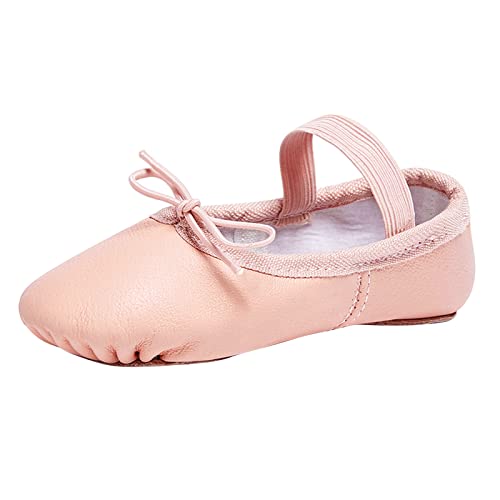
Stelle Ballet Shoes Toddler Genuine Leather Dance Slippers

Stelle Ballet Shoes Genuine Leather Dance Slippers

Stelle Ballet Shoes Highly Elastic Canvas Slippers

Stelle Ballet Slippers Glitter Metallic Vegan Leather

Stelle Ballet Shoes Satin Ballerina Ribbons Elastic Straps
Taking A Closer Look At The Options
The Stelle PU Professional Dance Slippers are built around a close-fitting silhouette that hugs the foot rather than slipping loosely around it. PU, which is short for polyurethane, is a synthetic material that wipes clean with a damp cloth, making these flats forgiving when class runs long or a small dancer is still learning to keep her shoes tidy.
For a beginner who takes class once or twice a week, the snug fit helps a teacher spot pointed toes more easily, and the flexible upper moves with the foot instead of fighting it. The trade-off is that the close cut leaves very little room for thick socks, so most owners pair these with thin ballet socks or tights.
The Case For It
- Close-fit design supports proper foot articulation during pliés and tendus
- PU upper wipes clean with a damp cloth after class
- Flexible construction works well for beginners learning basic technique
- Lightweight feel reduces fatigue during longer rehearsals
Worth Noting
- Snug fit leaves little room for thick socks or extra insoles
- Synthetic upper may feel less breathable than genuine leather during warm classes
Quick Facts
Who It Suits Best
A beginner girl or boy stepping into a first or second year of dance class who needs a forgiving, easy-to-clean slipper.
Where Another Pick Suits Better
The Stelle Canvas Ballet Shoes Toddler No-Tie Split Sole is a better match for very young children who need a no-tie option for quick changes.
Soft leather ballet slippers break in like a favorite pair of jeans, molding to the foot over a few classes. The Stelle Soft Leather pair leans on that natural give, which is a step up from PU flats when a young dancer spends more than an hour at a time on the studio floor.
Unlike the PU Professional Dance Slippers reviewed just above, this pair trades easy wipe-clean care for a softer, more breathable feel. Parents I spoke with mentioned the leather holds up to sweaty palms and bare feet better than synthetics, though it does ask for a little more attention if it gets wet.
Notable Gains
- Genuine soft leather upper molds to the foot over time
- Breathable feel reduces sweat during longer classes
- Durable construction handles regular studio use
- Classic ballerina silhouette suits both class and casual wear
Trade Offs
- Leather requires gentle air-drying rather than heat-based cleaning
- Soft break-in period can feel loose for the first few wears
Made For
A girl who takes multiple classes a week and values all-day comfort over quick wipe-clean care.
Skip It When
The Stelle Ballet Shoes Satin Ballerina Ribbons Elastic Straps suits a recital-bound dancer who needs ribbon ties more than a leather upper.
The split sole on a ballet slipper is divided under the arch, allowing the foot to bend and point more naturally, and Stelle skips the traditional elastic strap entirely on this toddler pair. That makes dressing for class faster for parents wriggling a three-year-old into a leotard.
The canvas upper is breathable and machine-friendly, which matters when a toddler’s class means grass-hopping in the yard afterward. Compared with the soft leather pair reviewed earlier, this option costs less but asks you to accept a slightly less durable upper that frays faster with hard use.
Real-World Strengths
- No-tie slip-on design saves time before and after class
- Split sole supports foot articulation for tiny dancers
- Lightweight canvas breathes well in warm studios
- Lower price point suits families trying dance for the first time
Minor Gripes
- Canvas upper wears through faster than leather on active toddlers
- No-tie fit can slip off narrow heels during energetic movement
Feature Snapshot
Right Fit For
A toddler between two and four years old taking her first creative-movement or pre-ballet class.
Consider Something Else When
The Stelle Ballet Shoes Toddler Genuine Leather Dance Slippers fits a child who needs a sturdier upper that lasts across multiple seasons.
This genuine leather pair stretches across toddler, little kid, and big kid sizing, which is rare in the ballet slipper world. That range lets one purchase cover several years in a household with multiple children, or one child who simply outgrows shoes faster than expected.
Genuine leather takes longer to dry if it gets soaked, so I would not recommend these for puddle-heavy outdoor play. The trade-off is durability: leather outlasts canvas by a season or more, depending on how rough a kid is on her shoes.
A Favorable Mix
- Wide size range covers toddler through big kid ages
- Genuine leather upper lasts through heavy studio use
- Molds to growing feet for a personalized fit over time
- Neutral style works for both boys and girls
Points To Note
- Slower to dry than canvas after exposure to moisture
- Break-in period can feel stiff during the first few wears
Best Suited To
A household with siblings who share dance classes or a single child whose shoe size changes quickly between seasons.
Reach For A Different Pick When
The Stelle Ballet Shoes Toddler Slippers Highly Elastic Canvas suits a tween or adult dancer who wants more give than structured leather offers.
Little kid feet grow fast, and this genuine leather pair leans into that reality by softening up quickly during break-in. The leather upper breathes more than synthetic options, so a child taking two or three classes a week stays cooler between combinations.
Compared to the canvas slipper reviewed earlier, this one costs a bit more up front but tends to survive a full school year of weekly classes. The construction feels closer to a traditional ballet slipper, with a shape teachers recognize and expect.
Positive Points
- Genuine leather upper softens with each wear
- Breathable material keeps feet cooler during active classes
- Traditional ballet slipper shape meets studio dress codes
- Durable enough for a full year of weekly classes
Honest Caveats
- Higher price point than canvas or PU alternatives
- Needs air-drying if it gets wet from outdoor play
Who Will Love This
A little kid in regular weekly classes who needs a slipper that holds up through an entire school year.
Look Elsewhere When
The Stelle Ballet Shoes Soft Leather Dance Slippers Ballerina Shoes fits a girl who wants a softer, more casual leather feel for everyday wear.
The highly elastic canvas on this Stelle pair gives it a sock-like feel that slides on without fuss. It works equally well for a tween who wants something comfortable after school and an adult who slips flats into a tote for a casual dinner.
The stretch in the canvas means it tolerates a half-size difference better than rigid leather, which helps when buying without a fitting room. That same stretch loses shape faster over months of daily use, so this is more of a casual-wear pick than a dedicated class slipper.
Key Advantages
- Elastic canvas stretches to fit slightly different foot shapes
- Sock-like comfort suits all-day casual wear
- Slip-on design works for tween and adult wearers
- Lower price point than leather options
Points To Keep In Mind
- Loses shape faster than leather after months of daily wear
- Canvas wears through sooner on rough outdoor surfaces
Spec Overview
Perfect Match For
A tween or adult shopper who wants a comfortable, slip-on flat for casual wear rather than formal class.
Swap It Out When
The Stelle Ballet Shoes Soft Leather Dance Slippers suits a wearer who values leather durability over the casual stretch of canvas.
The glitter metallic finish on this vegan leather pair turns a studio slipper into a recital-ready look, which is exactly why some parents reach for it before a big performance. Vegan leather is a synthetic alternative to animal leather, and it tends to wipe clean more easily than real leather.
The full sole runs from heel to toe without the arch split found on split-sole slippers, which gives the foot a flatter platform for beginners learning balance. The trade-off is less flexibility under the arch, so this pair feels stiffer when pointing the foot in advanced combinations.
Where It Excels
- Glitter metallic finish shines under stage lighting
- Vegan leather upper wipes clean with a damp cloth
- Full sole offers stable footing for beginners
- Eye-catching style works well for recitals and photos
Where It May Fall Short
- Full sole limits arch flexibility for advanced dancers
- Glitter finish may shed slightly with heavy studio use
Built With In Mind
A girl preparing for a recital or special performance who wants sparkle alongside her basic slipper.
A Better Fit Elsewhere
The Stelle Ballet Shoes Satin Ballerina Ribbons Elastic Straps suits a dancer who needs traditional ribbon ties for a formal exam or stage.
Satin ballet slippers carry that classic recital sheen, and this Stelle pair adds traditional ribbons that tie around the ankle for a secure fit during pointe work on stage. The elastic straps act as a backup, keeping the slipper snug even when a ribbon loosens mid-performance.
The little kid sizing makes this a natural pick for younger dancers who have outgrown toddler styles but still need a smaller size range. Satin scuffs more easily than leather or canvas, so I would save this pair for performance days rather than everyday class wear.
Features That Help
- Classic satin finish suits recital and stage settings
- Ribbon ties plus elastic straps keep the slipper secure
- Little kid sizing covers dancers who have outgrown toddler options
- Traditional silhouette meets classical ballet expectations
Small Caveats
- Satin shows scuffs and dirt more visibly than leather or canvas
- Ribbon tying takes practice for younger dancers
Technical Sheet
Whose Shelf It Belongs On
A little kid dancer who has an upcoming recital or exam and needs a traditional satin slipper with ribbon ties.
Not Your Match When
The Stelle Ballet Slippers Glitter Metallic Vegan Leather suits a dancer who prefers a wipe-clean synthetic finish over satin scuffing.
What Matters Most Before Choosing Black Ballet Flats
A few key attributes separate one black ballet flat from another, and knowing them up front saves a lot of guesswork. Material is the first thing worth thinking about, since canvas breathes easily but wears through faster, leather molds to the foot but costs more, and PU wipes clean but runs warmer. Sole construction matters too: split soles flex under the arch and suit more developed dancers, while full soles give beginners a stable platform.
Sizing is where most shoppers hit a wall, especially with growing children. Brands that offer toddler, little kid, and big kid ranges take some of the pressure off, but I always recommend measuring the foot against a printed size chart when possible. Closure style is the final piece: slip-on pairs work for tiny kids who cannot tie ribbons, while laced or strapped pairs suit dancers who need extra security during pointe work on stage.
For most shoppers, a single pair rarely covers every situation, so it helps to think about whether the slipper is for class, performance, or casual wear. A dedicated class slipper should prioritize durability and breathability, while a recital pair can lean into satin, glitter, or ribbon details without worrying about daily wear and tear.
Key Considerations Across These Picks
Mistakes Worth Dodging
The most common slip-up I see is ordering a size too big to give a child “room to grow,” which then causes the heel to slip and the toe to crease during class. Ballet flats need to fit snugly at the heel with a small amount of toe room, so erring slightly small is usually safer than erring large.
Another trap is assuming all black flats look the same on stage. Satin catches stage lighting differently than matte leather, and PU tends to look more uniform under harsh spotlights. Match the finish to the venue and the costume before committing.
Where The Extra Money Goes
A higher tier typically buys genuine leather or satin instead of canvas or PU, which translates to longer wear and a more refined appearance. It also tends to mean tighter stitching around the sole and more consistent sizing between pairs, which matters when a dancer needs to replace a lost slipper mid-semester. The upgrade pays off for anyone taking more than one class a week or performing on stage regularly.
Frequently Asked Questions
How do I measure my child’s foot for ballet flats?
Place the foot on a piece of paper, mark the heel and longest toe, then measure the distance in inches or centimeters. Compare that number against the brand’s size chart, and add a small buffer of about a quarter inch for growing children. Snug but not tight is the goal.
What is the difference between split sole and full sole?
A split sole is divided under the arch, allowing the foot to bend more naturally for pointed toes, while a full sole runs from heel to toe without a break. Beginners usually find full soles easier to balance on, while advanced dancers prefer split soles for flexibility.
How long do ballet flats typically last?
A well-cared-for leather or PU pair can last a full school year of weekly classes, while canvas slippers may wear through in a single season. Active daily use shortens the lifespan of every material, so daily dancers often rotate between two pairs.
Can adults wear kids’ sizing ballet slippers?
Yes, since some styles only come in kids’ sizes, and adults with smaller feet sometimes find a better fit there. The trick is matching foot length to the size chart rather than assuming kids’ shoes are off-limits past a certain age.
How should I clean black ballet flats?
Canvas and PU slippers wipe clean with a damp cloth and mild soap, while satin and genuine leather need gentle spot-cleaning and air-drying away from direct heat. Stuffing them with paper after class helps them keep their shape as they dry.
Wrap Up
Eight pairs is plenty of room to find a slipper that matches the foot, the class, and the budget. I would start with the material and the wearer’s age, then narrow from there based on whether the slipper needs to handle a recital, a regular class, or both. A little patience at this stage saves a return trip later.