Picking the right boot waders changes a soggy, miserable day on the water into one where you barely notice the cold seeping up from the streambed. I put this roundup together for parents outfitting little explorers, beginner fly fishers, and seasoned hunters who need dry, sturdy legs through long mornings in the marsh. Each pick below solves a real problem: keeping small bodies warm, holding back icy water, or surviving a season of brush and boot-sucking mud.
The Essentials At A Glance
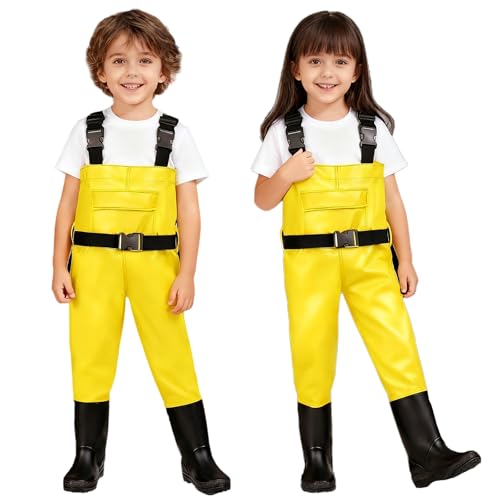
MIEVNIO Kids PVC Waders with Adjustable Straps

HISEA Kids Chest Waders 4.5mm Neoprene Youth Wader
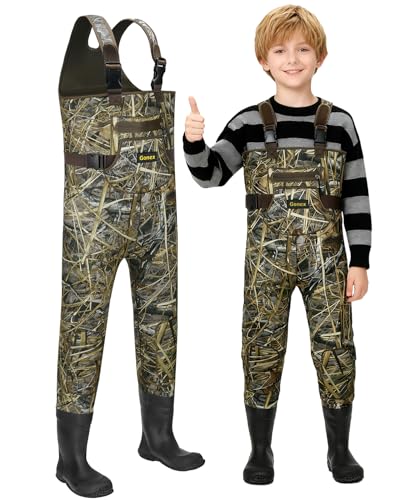
Gonex Kids Chest Waders Neoprene with Insulated Boots

HISEA Hunting Waders for Men 600G Insulated Neoprene

HISEA Chest Waders for Men 800G Insulated Neoprene

FISHINGSIR Chest Wader with Boots Nylon PVC

Ghosthorn Kids Nylon Waders with Boots
A Closer Look At Each Pick
For a toddler’s first few seasons outside, an all-PVC boot wader keeps things simple. It shrugs off mud, rinses clean under a garden hose, and the adjustable straps grow with a child who seems to sprout an inch every month. Parents who want something lightweight for creek stomping and backyard puddle play find the low weight easy on little legs.
Compared to the neoprene youth picks later in this list, this MIEVNIO all-in-one trades warmth for breathability and ease. PVC isn’t a cold-weather insulator, so I think of it as the warm-month, shallow-water option.
A Few Highlights
- Adjustable straps extend the usable life across growth spurts, which matters because kids rarely stay one size for long.
- Non-slip boot foot helps a hesitant child feel steady on slick dock planks.
- PVC construction wipes clean after a muddy day, a small blessing during the spring thaw.
- All-in-one design skips separate waders and boots, so a small child can dress without an adult’s full attention.
Things To Consider
- PVC runs cooler than neoprene, so chilly morning fishing trips may leave a small body shivering.
- Lightweight PVC can snag on sharper brush, a commonly reported trade-off in this material category.
Made For
Toddlers and young children splashing through puddles, creeks, and shoreline play in mild weather.
Skip It When
Cold-water trips call for the HISEA Kids Chest Waders in pick 2, which uses 4.5mm neoprene for real warmth.
The HISEA Kids Chest Waders bring the same neoprene construction many grown-ups rely on, scaled down for smaller frames. Neoprene is a synthetic rubber that traps a thin layer of water against the skin; body heat then warms that layer, which is why it works so well in cold streams. The 4.5mm thickness lands in the middle ground: warm enough for early spring and fall, not so bulky that a child fights the suit all day.
For families introducing kids to real fishing, this wader moves the experience from a backyard puddle to a stocked pond without freezing anyone out. Available kid sizes include 4/5 and 6/7 little kid ranges, which helps when sizing between growth spurts.
Where It Excels
- 4.5mm neoprene delivers real warmth, useful for early-morning trips when the water still bites.
- Chest-high coverage lets a child wade deeper without an immediate wet waistband.
- Youth sizing keeps the fit proportional, avoiding the floppy sleeves and drooping boots that plague downsized adult gear.
Trade Offs
- Heavier than the MIEVNIO PVC pick above, so a small child may tire faster on long walks to the water.
- Neoprene needs a thorough freshwater rinse after use to extend its lifespan, a step some busy parents skip.
Right Fit For
Kids heading into chilly water for the first time on a guided trip or a family fishing weekend.
Look Elsewhere When
Younger toddlers fit better in the MIEVNIO PVC waders from pick 1, which weigh less and handle quick cleanups.
Gonex designs this chest wader to stretch across activities rather than locking a child into one pursuit. The neoprene shell carries over the cold-water logic from the HISEA pick, while the attached insulated boots add a layer of warmth between small toes and cold stream beds. Skating on frozen edges and damp fishing banks both fall inside its wheelhouse.
Versatility is the headline, but I want to flag what changes: a wader that handles more activities also weighs more, and small legs notice every extra ounce. For mixed outdoor weekends, that balance tends to win out.
What Earns Its Place
- Insulated boots keep feet warm during stationary waits, the kind kids endure while waiting for a bite.
- Neoprene build carries the same cold-water confidence the HISEA pick delivers.
- Chest-high cut keeps a kneeling or bending child dry across more positions than a hip wader.
Honest Caveats
- Heavier than single-purpose options, which may wear out shorter outings.
- Insulated boots run warmer than separate wading shoes, so hot summer days feel stuffy inside.
Who Will Love This
Families whose kids rotate between fishing, hunting, and shoreline play across multiple seasons.
Not Your Match When
Budget shoppers focused only on warm-month play should look at the FISHINGSIR Waders in pick 6, which trades neoprene weight for breathable nylon.
The HISEA 600G sits in the middle of the cold-weather wader world. The 600-gram rating marks how much insulating fill sits inside the attached rubber boots, a heavier number meaning more warmth for cold-weather hunts. This model uses 4.5mm neoprene laminated to nylon jersey and a stretch liner, the same layering pattern found on adult-grade waders from much more expensive brands.
I think of this as the workhorse: thick enough for late fall and early winter, light enough to walk a field without overheating by midmorning. The cleated soles earn their keep when the marsh turns slick with frost.
Where It Helps
- 4.5mm neoprene laminated to a stretch liner traps body heat while letting a hunter crouch and step freely.
- Cleated outsoles grip muddy banks and frosty slopes where flat-soled boots slide out.
- Adjustable suspenders with quick-release buckles speed up the inevitable bathroom break in the tree line.
- Eight shell holders on the hand-warmer pocket keep ammunition organized within reach.
- Reinforced knees handle kneeling in brush without wearing through the fabric early.
Points To Keep In Mind
- Heavier than nylon options, which adds fatigue over multi-mile approaches.
- Neoprene runs warm enough that active hunters in mild weather may overheat.
Best Suited To
Anglers and hunters working chilly marshes and streams through late fall and early winter.
Consider Something Else When
The deepest cold calls for the HISEA 800G Insulated Neoprene waders in pick 5, which carry more boot insulation.
The 800G upgrade over pick 4 isn’t a small step: 200 extra grams of boot insulation changes the comfort math in genuinely cold water. Sitting in a layout blind before sunrise, with frost crunching underfoot, the warmer boots keep blood moving to the toes. The neoprene shell uses the same laminated jersey and stretch liner the lighter model does, so flexibility stays steady across the line.
For hunters working deep into winter or ice fishing on early-season frozen edges, this is the warmer of the two HISEA adult options. The honest trade-off shows up on the trail, where extra insulation also means extra weight.
Strengths Worth Knowing
- 800G boot insulation handles the kind of cold that ends hunts early for underdressed legs.
- Neoprene shell paired with stretch liner keeps the suit mobile during long stalks.
- Chest-high coverage lets a hunter wade through deeper sloughs without a wet core.
- Same cleated outsole pattern as the 600G version, useful on icy banks.
A Few Limitations
- Heavier than the 600G, so long hikes in and out wear down stamina faster.
- Excess warmth is a real problem in shoulder seasons when temperatures swing.
Who Should Grab It
Hunters and ice anglers who deal with genuinely frigid water and need insulated boots they can trust.
Reach For A Different Pick When
Mid-season hunters in moderate climates get enough warmth from the HISEA 600G in pick 4, with less weight to carry.
FISHINGSIR skips neoprene and builds its adult wader from a 2-ply nylon and PVC fabric. Nylon is a lightweight synthetic that breathes more than rubber, which makes this the lightest chest wader in the lineup. Compared to the HISEA neoprene picks above, this one trades cold-weather warmth for breathability and a lighter pack-in on warm days.
Spring trout streams, summer river floats, and early-fall warm afternoons are where this wader earns its place. Anglers who mostly wade in moderate water find the lighter weight easier on the knees over a full day.
A Few Strong Suits
- 2-ply nylon/PVC construction runs lighter than neoprene, a relief on long approaches.
- Visible taped seams at stress points reduce the seeping that’s common on cheaper waders.
- Breathable nylon helps on hot summer days when neoprene becomes a sweatbox.
Possible Compromises
- Less insulation means cold water reaches skin faster, so shoulder-season trips get uncomfortable sooner.
- Nylon can snag on brush more easily than thick neoprene, a commonly reported trade-off.
Built With In Mind
Warm-season anglers who want a lighter chest wader for moderate water and long days.
A Better Fit Elsewhere
The HISEA 600G waders in pick 4 suit hunters and anglers working colder water that this nylon build can’t handle.
Ghosthorn closes the list with a kids’ wader built from nylon rather than neoprene or PVC. The brand sizes this model to match multiple body shapes across different youth ages, and the adjustable build helps when a child falls between standard sizes. For families with more than one kid, or one rapidly growing kid, the fit flexibility alone can justify the choice.
Where this wader lands is the warm-weather, mixed-activity space. It doesn’t insulate like the HISEA neoprene kids’ option in pick 2, but it breathes better on hot afternoons, and it handles shoreline play without the weight penalty.
Positive Takeaways
- Adjustable sizing covers multiple ages, useful for hand-me-downs between siblings.
- Nylon build runs lighter than neoprene youth options, easier on small legs over a full day.
- Attached boots simplify dressing, a real plus when a child is eager to get to the water.
- Waterproof construction handles puddle play, dock jumping, and creek wading without soaking through.
Worth Bearing In Mind
- Less cold-weather insulation than the neoprene kids’ waders earlier in this list.
- Adjustable features can wear out faster with heavy use, a commonly reported concern on adjustable youth gear.
Whose Shelf It Belongs On
Families with multiple kids or a child between sizes who need a flexible wader for warm-season play.
Swap It Out When
Colder water calls for the Gonex Kids Chest Waders in pick 3, which use neoprene for real warmth.
What Matters Most Before Choosing Boot Waders
The first real question is the water temperature, not the price tag. Neoprene waders insulate by trapping a thin water layer against the skin that body heat warms, so cold streams and late-season hunts pair naturally with 4.5mm neoprene builds like picks 2, 4, and 5. Nylon and PVC waders breathe more, run lighter, and fit warm-weather fishing or shoreline play where overheating becomes the bigger risk.
Boot insulation matters next. The gram rating on attached boots marks how much insulating fill sits inside, with higher numbers meaning more warmth. Anglers working shoulder seasons usually find 600G balanced, while ice fishing and winter hunts push toward 800G. Footing ties directly to safety: cleated outsoles grip muddy banks and frosty slopes, while flat soles slide on wet rock.
Sizing and adjustability round out the choice. Children outgrow gear mid-season, so adjustable straps and stretch liners earn their keep across growth spurts. For adults, chest-high coverage handles deeper wading than hip waders, but it also traps more body heat on long hikes.
Key Considerations Across These Picks
Where Shoppers Go Wrong
Plenty of shoppers pick a wader based on the season they plan for, then end up wearing it in unexpected conditions. Buying a warm-weather nylon wader and discovering the next trip is a chilly spring morning is a common letdown. The reverse trap runs just as often: picking a heavy insulated boot wader for a hot August float and overheating before noon.
When Paying More Pays Off
Higher insulation ratings and bonded seam construction show up where cold water and long days meet. For a single-purpose cold-weather hunter or ice angler, the upgrade from a 600G to 800G boot or from taped to fully sealed seams pays off in comfort across hours of standing. For a family that mostly plays in warm creeks, the same money goes further toward sizing flexibility and lighter builds that fit more kids and more seasons.