Wet boots ruin a perfectly good day, whether you are hiking a damp ridge, working in a muddy barn, or just commuting through an unexpected downpour. A good boot waterproofer extends the life of leather, keeps feet dry through puddle season, and saves you from the heartbreak of cracked leather after one hard winter. I pulled together seven options that cover the main approaches: wax-based pastes, conditioning creams, and spray-on nano coatings.
A Snapshot Of The Selections
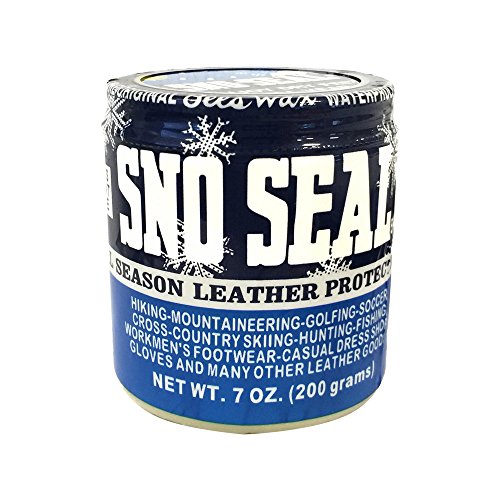
Atsko Sno-Seal 1330 Original Beeswax Waterproofing
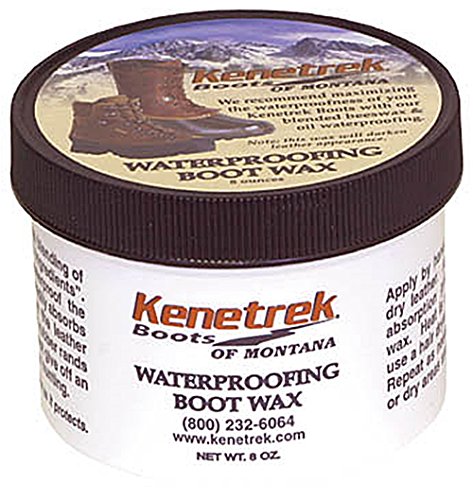
Kenetrek Waterproofing Boot Wax & Leather Treatment

Nuroon 13-Piece Leather Boot Polish Kit

WITOROR Shoe Protector Spray 6.7oz


WITOROR Shoe Protector Spray 13.5oz

Obenauf’s Heavy Duty LP Leather Conditioner (8oz)
The Details Behind The Selections
Atsko Sno-Seal is the classic tin of pure beeswax that hunters, firefighters, and outdoor crews have trusted since the 1970s. At 7 ounces net, the tin is small enough to toss in a pack but covers a surprising amount of leather once warmed between your fingers.
Where Sno-Seal really earns its reputation is on full-grain work boots and old-school hiking boots that see wet brush, snow, and stream crossings. The wax melts into the leather with body heat or a hair dryer, then sets into a water-shedding barrier that does not flake off.
A Favorable Mix
- Pure beeswax formula means fewer solvents touching the leather, which matters for full-grain boots you want to keep supple.
- Works on leather, vinyl, and even tent seams, so one tin covers more than footwear.
- Compact tin stores easily in a hunting pack, glove box, or workbench drawer.
- Long track record among firefighters and loggers who depend on dry feet in serious conditions.
Things To Consider
- Requires warmth and elbow grease to work into the leather, so application is slower than a spray.
- Not suitable for suede or nubuck, since the wax will mat down the nap and darken the finish.
- Tin lid can gum up in cold storage, so a quick wipe before opening avoids mess.
Right Fit For
Anyone wearing full-grain work boots or backcountry hikers who wants a no-nonsense wax treatment without extra conditioning oils.
Skip It When
You mainly own suede sneakers or nubuck casual boots, in which case the WITOROR Shoe Protector Spray handles the job without altering the nap.
Kenetrek built its name on stiff, technical hunting boots, so it makes sense their dressing blends beeswax with natural oils designed to soak deep into leather. The 8-ounce tin gives you more product than the Sno-Seal, which helps if you rotate through several pairs.
The formula is meant to absorb rather than sit on top, which keeps leather breathable instead of sealing it like plastic. Hunters packing into wet timber and guides working in shoulder-season rain tend to favor this approach.
Real Benefits
- Oil-and-wax blend conditions leather while it waterproofs, helping prevent the dry cracking that shortens boot life.
- Designed to absorb and stay put, so the treatment tends to last through multiple wet trips before needing a refresh.
- Compatible with any leather boot, including Kenetrek’s own stiff mountain builds.
- Generous 8-ounce tin covers several pairs or a season of touch-ups.
Points To Note
- Darkens lighter-colored leather noticeably, which may not suit tan or natural-finish boots.
- Needs warm leather to absorb fully, so applying in a cold garage in February is a slog.
- Not formulated for synthetic work boots with rubber shells.
Best Suited To
Backcountry hunters, guides, and serious outdoorsmen who push leather boots through rain, snow, and rough cover for weeks at a time.
Reach For A Different Pick When
You mostly wear light-colored casual leather boots, since Atsko Sno-Seal is easier to apply in thinner layers and lays down cleaner.
Nuroon’s 13-piece kit skips the single-tin approach and bundles polishes, creams, brushes, and cloths into one tidy box. It is more of a complete boot-care setup than a pure wax, which suits people who want shine and color restoration along with moisture protection.
The kit shines when you own several pairs of leather footwear and like to keep them looking presentable, not just functional. A weekend ritual of brush, cream, buff, and wax gives older boots a second wind.
Real-World Strengths
- Multiple polish shades let you match a range of leather tones, from black to cordovan to chestnut.
- Brushes and cloths included, so there is no separate shopping trip to get started.
- Wax component seals the leather after conditioning, adding water resistance on top of shine.
- Compact case keeps everything together instead of scattered across a closet shelf.
Honest Caveats
- Wax content is modest compared to a dedicated tin like Atsko, so heavy rain calls for layering.
- More pieces mean more storage bulk than a single tin.
- Best suited to smooth leather, not suede or nubuck.
Feature Snapshot
Made For
Boot owners who like a tidy Sunday shine routine and want polish, cream, and wax in one box rather than buying each separately.
Consider Something Else When
You only own one pair of work boots and want maximum waterproofing with minimum fuss, in which case Obenauf’s Heavy Duty LP delivers more wax per ounce.
WITOROR’s nano spray takes the opposite path from a wax tin: point, spray, let dry. The 6.7-ounce can covers suede, nubuck, leather, canvas, and sneakers, which is why it earns a spot for anyone whose closet mixes materials.
Compared to the heavier wax options earlier in this list, the spray format is friendlier for delicate uppers that a paste would stain or stiffen. It is the easy choice right before rainy weeks.
Advantages To Know
- Spray application takes minutes per pair, with no buffing or warming required.
- Safe on suede and nubuck, which rules out most wax-based options.
- Adds a stain-repellent layer on top of water resistance, useful for light-colored sneakers.
- Compact can fits in a hallway closet or apartment door shelf.
Where It May Fall Short
- Coverage thins with wear, so expect to reapply every few weeks during wet seasons.
- Best applied outdoors or in a ventilated space since the aerosol carries a noticeable scent.
- Won’t condition dry leather the way Obenauf’s or Kenetrek will.
Who It Suits Best
Apartment dwellers and casual wearers who own suede sneakers or nubuck boots and want a fast, no-mess spray they can reapply often.
A Better Fit Elsewhere
Hunters and workers who need a thick wax barrier should look at Kenetrek’s blend instead, since a spray cannot match a heavy paste in soaked conditions.
Nuroon’s 9-piece kit is the smaller sibling to the 13-piece set, trimmed down for people who want the basics without a dozen tins to learn. It works as a starter bundle for someone who just bought their first pair of quality leather boots.
Think of it as training wheels: enough polish, brush, and cloth to learn how leather care works, without overwhelming the closet. Once you know what you actually use, you can upgrade to a heavier wax.
Useful Touches
- Compact nine-piece layout is approachable for first-time boot owners.
- Includes the basic brushes and cloths needed for a real shine.
- Stores in a single case, which helps keep gear together in a small apartment.
- Covers the core shades most casual leather boots come in.
Trade-Offs
- Wax component is lighter than a dedicated tin like Obenauf’s.
- Fewer shade options than the 13-piece kit from the same brand.
- Not designed for suede or nubuck, only smooth leather.
Feature Card
Perfect Match For
New leather boot owners who want a friendly starter kit without committing to a full multi-piece setup.
Look Elsewhere When
You already know you want heavy waterproofing, in which case Obenauf’s Heavy Duty LP gives you more concentrated wax per ounce.
The 13.5-ounce WITOROR is the same nano formula as the 6.7-ounce can, just doubled up for households that treat several pairs at once. It is the refill-can choice for families or anyone running a small shoe-care routine through a wet fall.
Compared to the smaller spray earlier, this format cuts down on the number of cans you cycle through. It still does the same job; you just buy it less often.
What Pays Off
- Larger 13.5-ounce size means fewer replacements over a season.
- Same multi-material coverage as the smaller can: suede, nubuck, leather, canvas.
- Spray format keeps application time short, even when covering a whole household’s worth of shoes.
- Stain-repellent layer helps light-colored sneakers stay cleaner through daily commutes.
Some Limits To Know
- Reapplication is still required every few weeks, so the bigger can just delays the chore, not removes it.
- Needs ventilation during use, which matters more indoors in winter.
- Not a conditioner, so dry leather will still benefit from a separate cream.
Quick Facts
Built With In Mind
Multi-shoe households and anyone who treats several pairs a season and would rather not stock small cans.
Where Another Pick Suits Better
Solo users with only one or two pairs will get the same protection from the smaller 6.7-ounce WITOROR without the bulk.
Obenauf’s Heavy Duty LP is the heavy hitter of the category, with a beeswax-and-propolis blend designed for industrial-grade leather. The brand has a long reputation among wildland firefighters, loggers, and horse trainers who treat leather like gear, not fashion.
The LP formula releases natural lubrication slowly, which the maker says can extend the life of boots in extreme conditions. That same density makes it overkill for light weekend use, but ideal for work boots that see real punishment.
What Works In Its Favor
- Beeswax-and-propolis blend feeds leather fibers while sealing out water.
- Designed for the toughest conditions, including fire line and saddle leather.
- Time-release lubrication means longer intervals between treatments.
- No harmful softeners or sealers, so the leather keeps its natural flex.
Factors To Consider
- Heavier finish darkens leather noticeably, so test on a hidden seam first.
- Thick consistency takes effort to work into full-grain leather, especially on large boots.
- Overkill for sneakers, dress shoes, or anything you only wear in fair weather.
Who Should Grab It
Workers and outdoorsmen who put leather through heat, mud, and abrasion and want one heavy conditioner that holds up.
Not Your Match When
You mainly want a quick, no-darkening treatment for light suede, in which case the WITOROR spray is a better fit for that use case.
What Matters Most Before Choosing Boot Waterproofers
Format And Material Match
The first fork in the road is wax paste versus spray. Waxes like Atsko Sno-Seal and Obenauf’s penetrate full-grain leather, condition it, and lay down a thick water barrier. Sprays like the WITORORs lay down a lighter nano-coating that suits suede, nubuck, and sneakers. Pick the format that matches the materials you actually own.
Conditioning Vs Pure Waterproofing
Wax alone seals, but heavy-duty work boots also need oils to keep fibers from drying out. Blends like Kenetrek’s and Obenauf’s LP add conditioning oils alongside beeswax, which matters for boots that get soaked, dried, and soaked again.
Application Effort And Frequency
Pastes require warming, rubbing, and buffing. Sprays are faster but wear off sooner, so reapplication every few weeks is the trade. Think honestly about how often you will actually redo the job.
Use Case And Boot Type
Hunters, firefighters, and ranchers want thick, dark waxes that survive weeks of punishment. Office workers and sneaker owners want invisible protection that does not change the look. Match the product to the life the boot lives.
Key Considerations Across These Picks
Where Shoppers Go Wrong
A common slip is grabbing a wax paste and applying it to suede or nubuck, which mats the nap and ruins the texture. Another is treating boots that already have a factory waterproof membrane, where a heavy wax adds weight without much extra benefit. Always match the product to the leather type and the boot’s construction.
Where The Extra Money Goes
Premium pastes like Obenauf’s and Kenetrek’s cost more because they layer conditioning oils, propolis, or specialized wax blends rather than just beeswax. That formulation work shows up in longer treatment life and better leather flexibility. For boots you actually use hard, the upgrade tends to pay back in longer leather life.
Frequently Asked Questions
How Often Should I Reapply Boot Waterproofers?
Most wax treatments last a season of regular use, while sprays typically need refreshing every few weeks during wet months. The honest read is to reapply whenever you see the leather start to darken unevenly when wet, which means the barrier has worn thin.
Can I Use The Same Product On Suede And Smooth Leather?
Spray nano-protectors like the WITOROR formulas handle both. Wax pastes should stay on smooth, full-grain leather only, since wax will mat down suede and nubuck.
Do Waterproofers Condition Leather Too?
Blends like Kenetrek’s and Obenauf’s add oils alongside wax, so they condition and protect in one step. Pure beeswax products mainly seal, so a separate conditioner helps on older or drier leather.
Will Waterproofers Change The Color Of My Boots?
Most wax pastes darken leather noticeably, especially on tan or natural finishes. Sprays tend to be invisible once dry. Always test a small hidden area first if color matters.
Do I Need To Waterproof Brand New Boots?
A light first treatment helps seal stitching and accelerates break-in, especially on full-grain hiking and work boots. Many new boots ship with a factory treatment that fades with wear, so a first-season refresh is a sensible move.
Closing Thoughts
The right boot waterproofer comes down to the leather you own and the conditions you face. Heavy work and backcountry boots lean toward wax blends like Atsko, Kenetrek, or Obenauf’s. Mixed closets with suede and sneakers get more mileage from a nano spray. Pick the one that fits the boot, and reapply before the leather tells you it is too late.