Wet socks ruin a good hike. I’ve watched a pair of soaked leather boots turn a short trail into a miserable slog, which is why I take waterproofing seriously. The right spray, wax, or conditioner keeps water out and extends the life of the leather. I pulled together seven options that handle everything from weekend work boots to daily sneakers, and I’ll walk you through what each one actually does.
A Side-By-Side Look

Blackrock Leather N Rich 16 oz Leather Cleaner & Conditioner
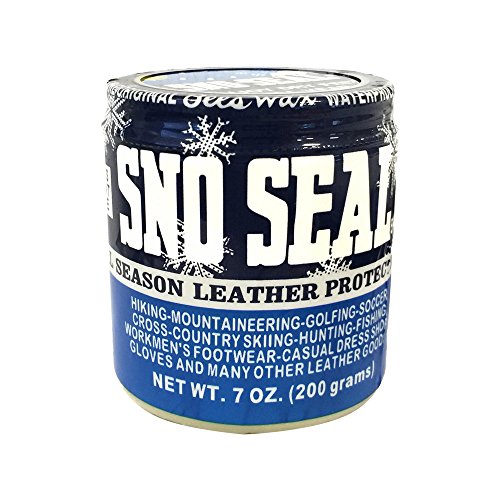
Atsko Sno-Seal 1330 Original Beeswax Waterproofing 7 oz

WITOROR Shoe Protector Spray Rain & Stain Nano Protection 6.7 oz

WITOROR Shoe Protector Spray 13.5 oz Rain & Stain Nano Protection

Shoe Protector Spray Non-Aerosol Pump 6 oz

Uncle Todd’s Shoe Deodorizer Spray Midnight Rain Enzyme Formula

Obenauf’s Heavy Duty LP Leather Conditioner Beeswax Formula 8 oz
What Each Pick Brings To The Table
Blackrock Leather N Rich sits in a category most boot sprays ignore: actual leather care plus light waterproofing in one jar. It comes in a 16 oz tub and uses carnauba wax (a hard, plant-based wax that buffs to a soft sheen) as its protective backbone. It cleans, conditions, and lays down a thin water-resistant layer in a single pass, which is helpful when you don’t want a shelf full of separate products.
The formula is safe across colors without darkening the leather, and it works on boots, bags, saddles, car interiors, and furniture alike. You won’t want to use it on suede or nubuck (the brushed, fuzzy side of the leather), since wax-based products flatten that nap. For anyone rotating between dress boots, casual pairs, and a leather couch, this jar covers a lot of ground.
Real-World Strengths
- Two-in-one cleaning and conditioning saves shelf space and application time.
- Carnauba wax leaves a light water-shedding layer without darkening color-treated leather.
- Works on furniture, bags, car interiors, and tack, so one jar handles more than boots.
- Made in the USA in a 16 oz size that lasts through multiple conditioning cycles.
- Safe across smooth, full-grain leather (the tough outer layer of the hide) without leaving a waxy buildup when buffed properly.
Things To Consider
- Not formulated for suede or nubuck, so you’ll need a separate spray for those materials.
- Provides water resistance rather than full submersion waterproofing, so deep puddles can still soak through.
- Requires buffing after drying to avoid a tacky surface, which adds a step compared with spray-on treatments.
Feature Snapshot
Whose Shelf It Belongs On
Households that treat boots, jackets, and a leather couch with the same balm benefit most from this two-in-one jar.
A Better Fit Elsewhere
Outdoor hikers who wade through streams will get stronger waterproofing from Atsko Sno-Seal 1330 Original Beeswax Waterproofing.
Atsko Sno-Seal is the beeswax heavyweight of the list. The 7 oz tin holds pure beeswax that you warm into the leather with friction or a hair dryer, where it melts into the fibers and locks out water. Hunters and forestry workers have used it for decades because it survives wet grass, snow, and slush far longer than most sprays.
Unlike Blackrock’s balm, this is a dedicated waterproofing product rather than a conditioner. The trade-off is that leather dries out over time without an oil treatment layered underneath. Most owners reapply once a season on boots they wear hard, which keeps the leather pliable and the wax sealed in.
Everyday Advantages
- Beeswax penetrates deeply when warmed, creating a long-lasting water barrier on hiking and work boots.
- Holds up in snow, wet grass, and slush longer than most silicone-based sprays.
- Compact tin fits easily in a pack or glove box for field reapplication.
- Works on smooth leather and most heavy-duty footwear without darkening the finish.
Honest Caveats
- Requires heat to melt into the leather, which adds an extra step compared with spray-on products.
- Not suitable for suede, nubuck, or fabric uppers, so sneakers won’t benefit.
- Leather can dry out over time, so pairing it with a leather oil extends the life of the boot.
Made For
Hunters, hikers, and anyone working outdoors in wet conditions who wants heavy-duty water protection on leather boots.
Consider Something Else When
Sneaker owners who rotate between canvas, suede, and mesh should reach for WITOROR Shoe Protector Spray 6.7 oz instead.
The 6.7 oz WITOROR spray tackles the awkward middle ground that wax balms avoid: mixed-material shoes. It works on leather, suede, nubuck, canvas, and sneakers without changing the color or finish, which makes it the most versatile spray in this roundup. The nano-coating (a microscopic polymer film that repels water at the surface level) lays down an even film across all those textures.
You spray, let it dry, and repeat for a stronger bond. The smaller can suits a single pair of boots or two pairs of sneakers, which is why I think of it as the travel-ready option. If you’re packing light or treating shoes before a flight, this can fits the bill without weighing down a bag.
The Case For It
- Safe across leather, suede, nubuck, canvas, and sneakers, so one can handle the whole shoe rack.
- Nano-coating doesn’t alter color or texture on treated materials.
- Spray application requires no warming, buffing, or extra tools.
- Compact 6.7 oz can fits in luggage for travel-friendly treatment.
Points To Note
- Lighter hold than beeswax, so heavy rain or puddle-wading may overwhelm the coating.
- Needs reapplication every few weeks on frequently worn pairs, which adds upkeep.
- Aerosol propellant means it can’t fly in checked luggage on commercial flights.
Feature Snapshot
Who It Suits Best
Sneaker collectors and travelers juggling mixed-material shoes benefit most from this versatile spray.
Skip It When
Heavy-duty work boots in wet job sites need the thicker beeswax seal of Atsko Sno-Seal 1330.
The 13.5 oz WITOROR spray is essentially the same formula as the 6.7 oz can, just in a larger vessel. Same nano-coating, same compatibility across leather, suede, nubuck, canvas, and sneakers. The difference matters once you start thinking about whole-household coverage rather than a single pair.
A larger can means more treatments per refill cycle, which matters if you treat seasonal boots, gym sneakers, and a suede jacket on the same schedule. For households with several pairs in rotation, the bigger can removes the “is there enough left?” question that always seems to surface halfway through a fall jacket.
The Value In It
- Larger 13.5 oz can covers more pairs of shoes per refill cycle.
- Same versatile material compatibility as the smaller WITOROR can.
- Nano-coating protects against rain and stains without sealing the leather’s pores.
- Aerosol spray applies evenly across textured materials like suede and canvas.
Worth Noting
- Bigger can takes up more shelf and storage space than the travel-size version.
- Aerosol propellant still rules out air-travel carry-on.
- Reapplication cadence stays the same as the smaller can, so frequency isn’t reduced.
Built With In Mind
Multi-pair households and families treating sneakers, boots, and jackets on a shared schedule get the most from the bigger can.
Look Elsewhere When
Solo travelers who only treat one or two pairs will find WITOROR Shoe Protector Spray 6.7 oz more portable.
This pump-spray shoe protector skips the aerosol propellant entirely. You pump, spray, and let it dry, which sidesteps the carry-on luggage problem that WITOROR’s aerosol cans can’t. It’s a small thing until you try to fly with a wet-weather routine and realize your can is grounded.
The 6 oz size hits a sweet spot for apartment dwellers and renters. It’s compact, no propellant, and doesn’t require shaking. The trade-off is that pump sprays need a steadier hand to coat evenly across textured surfaces like suede, and the larger area takes more pumping per pair.
Features That Help
- Non-aerosol pump design is travel-friendly and rules out propellant concerns.
- Waterproof and stain-repellent formula works across common shoe materials.
- Compact 6 oz bottle fits on a closet shelf or in a carry-on bag.
- No shaking required, so application is faster than aerosol cans.
Smaller Limitations
- Pump action can leave uneven coverage on heavily textured suede and nubuck.
- Smaller reservoir than aerosol cans, so more pumping per pair.
- Coverage depth is lighter than beeswax, so heavy rain still challenges the barrier.
Best Suited To
Apartment dwellers, renters, and frequent flyers benefit from the propellant-free design.
Another Choice May Suit
Multi-pair households covering many shoes benefit from the larger reservoir of WITOROR Shoe Protector Spray 13.5 oz.
Uncle Todd’s shoe deodorizer isn’t a waterproofing product in the strict definition. It uses an enzyme formula (a blend of natural proteins that break down odor-causing bacteria rather than masking them) to neutralize smells in any footwear, from leather boots to running shoes. The Midnight Rain scent leans toward a crisp, slightly herbal profile rather than a heavy perfume.
The place this earns on a waterproofing list is the daily-driver scenario. Wet feet from a rainstorm mean damp shoes, and damp shoes mean bacteria and odor. A spray that breaks down odor at the source rather than masking it makes sense once boots start getting soaked on a regular commute.
Bright Spots
- Enzyme-based formula neutralizes odor at the source rather than masking it with fragrance.
- Works on all footwear types, including leather, canvas, and athletic shoes.
- Midnight Rain scent stays subtle instead of reading as a heavy perfume.
- Fast-acting application fits into a morning routine without long drying times.
Some Limits To Know
- Doesn’t waterproof, so it pairs with a separate waterproofing product rather than replacing one.
- Plant-derived enzymes may need reapplication after a heavy sweat or rain session.
- Scent profile may not match everyone, so testing on one pair first helps.
Perfect Match For
Daily commuters and athletes who deal with damp shoes on a routine schedule and want lasting freshness.
Not Your Match When
Outdoors-focused shoppers who want a single product that both waterproofs and freshens should pair this spray with WITOROR Shoe Protector Spray 6.7 oz.
Obenauf’s Heavy Duty LP is the most industrial-strength option on the list. It combines natural oils with beeswax and propolis (a natural resin bees use to seal their hives) in a non-toxic, odorless suspension that feeds leather fibers over time. The 8 oz jar lasts through multiple treatments on heavy work boots.
The formula skips softeners, sealers, and solvents that often damage leather long-term. Instead, the oils slowly release into the hide as the leather flexes, which keeps the fibers supple without suffocating the pores. For ranch work, logging, or any job where boots live in wet conditions, this is the formula most often recommended by bootmakers.
Where It Excels
- Industrial-strength conditioning for work boots exposed to wet, muddy conditions.
- Beeswax and propolis formula is non-toxic and odorless during application.
- Time-release oil suspension feeds leather fibers over weeks rather than coating them once.
- No harmful softeners or sealers, which extends the life of the leather itself.
Trade Offs
- Not suited for suede, nubuck, or fabric uppers, so casual sneakers won’t benefit.
- Heavier conditioning than needed for dress boots or light daily wear.
- Application takes longer than spray-on products, since the oils need time to absorb.
Quick Facts
Who Should Grab It
Ranchers, construction crews, and anyone wearing boots through wet, demanding job sites will see the longest life from this conditioner.
Where Another Pick Suits Better
Casual sneaker owners who treat lighter footwear benefit more from Blackrock Leather N Rich 16 oz Leather Cleaner & Conditioner.
Choosing The Right Boot Waterproofing For Your Gear
Material compatibility matters more than brand reputation in this category. Leather boots take wax-based treatments well, while suede and nubuck need a spray that doesn’t flatten the brushed nap. Canvas and mesh uppers only accept a light nano-coating, since heavy wax clogs the weave. A bottle that works on smooth leather may ruin a suede pair, so matching the formula to the material is the first call to make.
Waterproofing strength varies dramatically across product types. Beeswax and oil suspensions (Atsko Sno-Seal 1330, Obenauf’s Heavy Duty LP) seal leather deeply and survive prolonged wet conditions. Nano-coatings (WITOROR sprays, the pump spray) lay down a lighter barrier that handles rain and stains but eventually washes out. Carnauba balms (Blackrock) sit in between, with light water resistance plus conditioning. Matching the depth of protection to the conditions saves both money and effort over time.
Application effort is the hidden cost of waterproofing. Aerosol sprays are the fastest but limit travel options. Pump sprays travel well but pump slowly. Beeswax needs heat. Carnauba balms need buffing. Considering how often the boots need treatment helps narrow the field: a once-a-year wax seal fits a work boot rotation, while a weekly spray routine suits daily sneakers.
Cleaning and odor control rarely come in the same bottle as waterproofing. Enzyme-based sprays like Uncle Todd’s handle the bacteria that thrive in damp shoes, but they don’t seal out water. Pairing a deodorizer with a waterproofing product covers both ends, which matters for daily commuters and athletes whose shoes rarely dry fully between wears.
Smart Considerations Before You Treat
Mistakes Worth Dodging
Treating suede or nubuck with a wax or oil product flattens the nap permanently. The brushed texture that gives suede its look disappears under wax, and once it’s flattened, brushing rarely restores it. A nano-coating spray stays the safer route for those materials.
Skipping the patch test is the fastest way to ruin a favorite pair. Darkening, color bleed, or texture changes show up on a small hidden area long before they show up on the whole boot. A spot test on the heel or tongue takes a minute and prevents permanent damage.
Where The Extra Money Goes
Higher-tier formulas blend conditioning oils with waterproofing waxes rather than relying on a single ingredient. Obenauf’s Heavy Duty LP, for instance, uses a beeswax and propolis suspension that feeds leather over time instead of just sealing the surface. For boots worn hard in wet conditions, that layered approach extends the life of the leather itself, which is where the extra cost shows up over years rather than weeks.
Frequently Asked Questions
How often should I waterproof my boots?
Most beeswax and oil treatments last a full season on work or hiking boots, while nano-coating sprays need reapplication every few weeks on frequently worn pairs. Heavy rain or constant wet conditions shorten the gap between treatments.
Can I use the same product on leather and suede boots?
Wax and oil products work well on smooth leather but flatten suede and nubuck. Nano-coating sprays like WITOROR or the non-aerosol pump spray are safer for suede and fabric uppers.
Will waterproofing darken my leather?
Carnauba-based balms like Blackrock are designed to avoid darkening, but beeswax and oil treatments often deepen the leather’s tone. A patch test on a hidden area confirms the effect before treating the whole boot.
Do I still need to condition leather if I waterproof it?
Waterproofing seals the surface, but leather still needs oil to stay flexible over time. Pairing a waterproofing wax or spray with a separate conditioner prevents the leather from drying out and cracking.
Are enzyme-based sprays a replacement for waterproofing?
Enzyme-based sprays like Uncle Todd’s Shoe Deodorizer neutralize odor at the source but don’t seal out water. They pair well with a waterproofing product for daily-wear shoes but won’t replace a wax or nano-coating on their own.
Bottom Line
Dry boots start with matching the formula to the material and the routine. Wax and oil treatments handle heavy leather; nano-coatings cover mixed-material sneakers; enzyme sprays handle the bacteria that follow damp shoes. Pick the type that fits the boots you reach for most, and reapply on the schedule the material actually demands.