Most men reach for the same pair of boots whether they’re crossing a muddy trail, commuting across wet pavement, or just walking the dog around the neighborhood. After enough miles, a boot that’s wrong for the job starts to make itself known: soggy socks, aching arches, a worn-down outsole that slips on tile. I pulled together five solid options that cover the most realistic walking situations, from a casual suede chukka to a heavy-duty insulated hunter. Each pick below solves a different kind of walking problem, and the buying guide breaks down which features matter for which feet.
The Leading Options At A Glance

UGG Men’s Neumel Chukka Boots

MUCK Woody Max Mossy Oak Boot
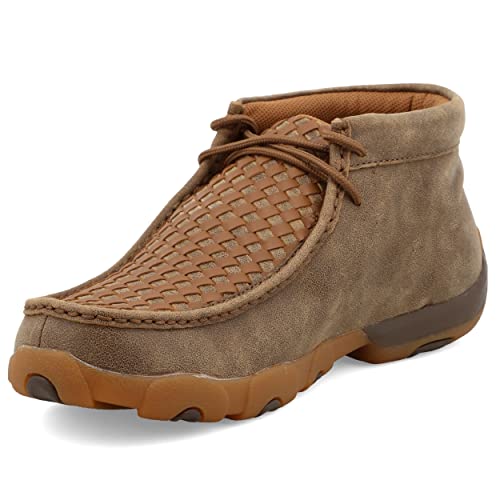
Twisted X Men’s Chukka Driving Moc

HI-TEC Yosemite WP Mid Hiking Boots

OUTJET Waterproof Trail Walking Boots
The Picks, Examined More Closely
The UGG Neumel is built for the kind of walking most men actually do: a couple of miles through the city, across a college campus, or around the park on a weekend morning. Its suede upper gives it the easy, lived-in look of a chukka, while the cushioned interior, UGG’s signature material, softens each step. Compared to the more aggressive MUCK Woody Max below, this boot has almost no technical armor, but that’s the whole appeal. It’s a slip-on-and-go boot for people who want their feet to feel taken care of without dressing up.
Wear it with raw denim, joggers, or flannel-lined trousers, and it disappears into a casual outfit without looking like a piece of gear. For men who walk mostly on dry pavement and value comfort over technical features, the Neumel earns its place at the top of the everyday-walking list.
Notable Upsides
- Suede construction feels soft from the first wear, with no real break-in window for most foot shapes.
- The plush lining keeps feet warm on cool mornings, which matters on a 6 a.m. dog walk or an early commute.
- The low-profile chukka silhouette pairs easily with jeans, chinos, and casual trousers without looking bulky.
- Owners commonly find the boot holds up well for multi-season use, with light rain resistance if treated with a suede protector.
Trade Offs
- Suede stains easily in mud or wet grass, so a protective spray is worth adding if you walk in unpredictable weather.
- The outsole is geared toward grip on dry surfaces, not aggressive trail traction.
Right Fit For
Men who mostly walk on sidewalks, store floors, and dry trails, and who care more about all-day comfort than technical support.
Consider Something Else When
The HI-TEC Yosemite WP Mid is a better fit for walkers who regularly hit muddy or rocky terrain and need a stiffer, more protective build.
The MUCK Woody Max is overkill for a coffee run, but exactly right for the man who walks through frozen fields, snowy job sites, or early-morning frost on the way to a hunting blind. The high-grade rubber shell, an exterior layer that stretches from foot to mid-calf and keeps water out, is paired with a fleece lining and 5 mm of neoprene, a synthetic foam that traps warm air while staying flexible in cold temperatures. That layering is what makes this boot feel like a dry, warm cocoon when the temperature drops below freezing.
Compared to the lighter, more flexible UGG Neumel above, the Woody Max is a serious piece of equipment. It’s not stylish in the city-slicker sense, but the Mossy Oak camo print keeps it in its element. For anyone whose “walking” includes long stretches in slush, mud, or sub-freezing weather, this boot is the definition of functional.
Noteworthy Benefits
- The waterproof rubber lower keeps socks dry through standing water and slush, which matters on a long walk through wet terrain.
- The fleece lining traps body heat, so a one-hour walk in 20°F weather stays comfortable.
- The stretchy topline seals around the calf, helping block debris and cold air from slipping inside.
- Owners commonly report that the rugged outsole grips well on slick, uneven ground.
- The tall shaft protects against brush, ticks, and thorny undergrowth on wooded trails.
Points To Note
- The thick insulation makes this boot too warm for anything above 50°F.
- At full size and with the heavy rubber shell, the Woody Max runs heavy, so it’s not the choice for long, fast-paced urban walks.
- Cleaning the rubber lower is easy with a hose, but the fleece lining takes longer to fully dry if it gets soaked through.
Who It Suits Best
Hunters, landowners, and walkers in genuinely cold or wet climates who need a sealed boot that holds warmth for hours at a time.
Look Elsewhere When
The Twisted X Chukka Driving Moc is a smarter pick for someone who wants a lighter, leather boot for everyday walking and errands.
Twisted X built this chukka for the man whose walks end at the door of a truck cab or a porch step. The driving-moc design, originally a slip-on shoe styled after moccasins with rubber-grip pods on the heel, gives this boot flexibility behind the ball of the foot and a casual, broken-in look from day one. Premium full-grain leather, the outer layer of the hide with the strongest fibers intact, runs across the upper, which means the boot softens and shapes to your gait over time instead of fighting it.
That’s the real difference from the UGG Neumel reviewed earlier: where the Neumel leans on plush lining for comfort, this boot relies on the leather itself to do the work. For the walker who values a low-key silhouette and doesn’t want a boot that screams “outdoors,” it lands in a comfortable middle ground between rugged and refined.
What Helps Most
- The full-grain leather upper softens and contours to your foot, so the boot feels personalized after a few weeks of wear.
- The driving-moc heel pods add grip on smooth surfaces like garage floors and truck pedals.
- The leather is naturally breathable, which helps on long walks in mild temperatures.
- The mid-cut chukka height gives ankle support without restricting motion.
A Few Limitations
- Without a waterproof membrane, this boot soaks through in heavy rain or deep puddles.
- The leather upper needs occasional conditioning to keep it from drying out and cracking over time.
Built With In Mind
Walkers who drive for a living, commute in and out of vehicles, or split time between casual office and outdoor errands, and who prefer leather over suede or synthetics.
Skip It When
The OUTJET Waterproof Trail Walking Boots suit better for someone who walks in wet conditions and needs a sealed, lower-cost option.
The HI-TEC Yosemite WP Mid is the boot for the walker who treats every trail like a workout. Its mid-cut shaft wraps above the ankle for stability on uneven ground, and the WP in the name signals a built-in waterproof membrane, a thin internal lining that blocks water while letting heat and moisture vapor escape. That breathable barrier is what keeps feet dry from the inside out during a long hike, where sweat is just as much of an issue as puddle splash.
Pair that with a light, agile build, and the Yosemite is built for actual trail miles rather than driveway strolls. Compared to the heavier MUCK Woody Max above, this boot trades cold-weather insulation for breathable comfort across a wider range of conditions. For anyone whose regular walking route includes dirt paths, roots, or rocky grades, it’s a capable companion.
Well-Handled Touches
- The waterproof membrane keeps feet dry through shallow stream crossings and wet grass without trapping heat inside.
- The mid-cut design supports the ankle, which matters on loose gravel and side-hill trails.
- The lightweight build reduces leg fatigue on longer walks, so a four-mile trail feels easier than it would in a heavy leather boot.
- The aggressive lug outsole bites into mud and loose dirt, helping prevent slips on climbs and descents.
- The breathable upper fabric helps feet stay cooler on warm-weather hikes.
Honest Caveats
- Lightweight hiking uppers tend to show wear faster than full-grain leather, especially where the toe scrapes rock.
- Without heavy insulation, the Yosemite isn’t a cold-weather boot for snow and sub-freezing walks.
Quick Facts
Whose Shelf It Belongs On
Active walkers who hike on weekends, explore local trails, or walk dogs in muddy parks and want real trail grip and weather protection.
Reach For A Different Pick When
The UGG Neumel Chukka Boots fit better for a walker whose routes are mostly paved and who wants a softer, lighter, more casual silhouette.
OUTJET built this boot for the walker who wants waterproof trail protection without stretching the budget. The combination of a sealed lower and a breathable upper is what most casual walkers actually need for a damp morning on a gravel path. Where the HI-TEC Yosemite above leans into technical hiking features, this model strips the build down to the essentials and keeps the price approachable.
The honest read is that this boot won’t outlast a premium hiking boot on rugged terrain, but for someone walking a few miles a day on local trails, it does the job. Lightweight construction also makes it a comfortable everyday option for men who don’t want the bulk of a heavy-duty hiker.
Strengths Worth Knowing
- The waterproof shell keeps feet dry through puddles and wet grass, which matters for dog walkers and trail regulars.
- The lightweight build reduces fatigue on everyday walks compared to heavier rubber boots.
- The low price point makes it a sensible starter boot for someone trying trail walking for the first time.
Less Ideal Details
- Budget hiking boots often use lower-grade outsoles that wear down faster on rocky terrain.
- The mid-cut design offers some ankle support, but it’s not as stiff as a premium hiking boot for heavy loads.
- The materials may not hold up to multi-year daily use the way higher-end boots do.
Best Suited To
Casual walkers on a tighter budget who want waterproof trail capability for short-to-moderate routes without paying premium prices.
Where Another Pick Suits Better
The HI-TEC Yosemite WP Mid is the stronger fit for walkers tackling tougher trails who want a more proven, durable build.
Choosing The Right Walking Boot For Your Routes
Walking boots are not one-size-fits-all, and the wrong match usually shows up around mile three as a hot spot, a slip, or a wet sock. The first thing to figure out is where most of your miles happen, because the terrain underfoot decides more about a boot’s fit than anything else.
Match the build to your terrain. Pavement and groomed paths reward lighter, more flexible boots like the UGG Neumel or Twisted X Chukka, both of which prioritize a softer step. Loose dirt, roots, and rocks call for stiffer midsoles and grippier outsoles like those on the HI-TEC Yosemite, where ankle support and traction matter. Wet or cold environments push you toward sealed rubber boots like the MUCK Woody Max, where insulation and waterproofing outweigh breathability.
Think about weather and seasons. A boot that handles January slush will feel like a furnace in October. Walking year-round often means owning two pairs, one warm and sealed, one lighter and breathable. For unpredictable shoulder seasons, a waterproof hiking boot with a breathable membrane is the safest compromise.
Fit matters more than brand. Most walking discomfort comes down to heel slip, toe crowding, or arch support that doesn’t match your foot. Trying on boots late in the day, when feet are slightly swollen, gives a more honest fit than a morning try-on. Walking socks also change fit, so bring the socks you actually plan to wear.
Key Considerations Across These Picks
Where Shoppers Go Wrong
The most common mistake is choosing a boot for looks instead of terrain. A handsome suede chukka won’t survive a wet trail, and a heavy insulated rubber boot becomes a sauna on a warm city walk. Another trap is assuming waterproof means breathable, when in fact sealed boots trap heat and moisture unless they have a proper membrane. Skipping socks that match the boot’s purpose, like thick hiking socks with a snug leather boot, can also create blisters that have nothing to do with the boot itself.
What Separates Premium From Basic
Higher-tier boots earn their cost through better materials, stiffer midsoles, and more durable outsoles. Full-grain leather ages instead of wearing out, and a quality waterproof membrane lasts longer than a simple coated fabric. The upgrade pays off for walkers who log real miles, but for occasional weekend use, a budget boot like the OUTJET can be enough.
Frequently Asked Questions
How do I know if a walking boot fits correctly?
Your heel should stay locked without slipping, and your toes should have a thumb’s width of room at the front. Walk on a slight incline in the store to confirm the boot doesn’t slide around.
Do I really need waterproof walking boots?
Waterproofing helps in rain, snow, and wet grass, but it traps heat and can cause sweaty feet on warm, dry walks. A non-waterproof breathable boot often feels better in mild, dry conditions.
How long should walking boots last?
Most casual walking boots last somewhere between 300 and 500 miles before support and tread start to break down. Heavy-duty rubber boots can last longer but lose insulation over time.
Can I use hiking boots for everyday walking?
Yes, especially if your daily routes include uneven ground. The trade-off is extra weight and a stiffer feel that some walkers find tiring on smooth pavement.
What’s the difference between a chukka and a hiking boot?
A chukka is a casual ankle-height boot with two or three eyelets and a flexible sole, built for style and light wear. A hiking boot is taller, stiffer, and built for trail support and weather protection.
Wrap Up
The right walking boot depends entirely on where your feet actually go. A casual walker on pavement will get the most from a soft chukka or driving moc, while a trail regular or cold-weather hiker needs waterproofing, traction, and support that only a purpose-built boot can deliver. Match the boot to the route, pay attention to fit, and the miles take care of themselves.