Finding hiking and trail footwear that doesn’t squeeze the forefoot or pinch the toes is a real daily problem. Standard lasts assume a medium-width foot, so many shoppers end up sizing up just to get room, which then throws off heel hold. I picked out eight pairs designed or known for accommodating wider feet, mixing low hikers, mid boots, waterproof builds, and a casual retro sneaker for around-town wear.
A Closer Look At The Lineup

Merrell Men’s Moab 3 Hiking Shoe

Merrell Men’s Moab 3 Mid Hiking Boot
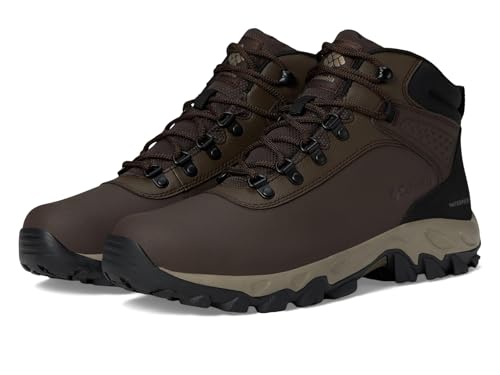
Columbia Newton Explorer

ALTRA Men’s Lone Peak 9 Trail Running Shoe

Merrell Moab 3 Mid Waterproof Hiking Boots

KEEN Men’s Targhee 4 Low Height Waterproof Hiking Shoes

KEEN Men’s KS86 Retro Style Sneakers
A Deeper Look At The Lineup
The Moab 3 low-cut hiking shoe has earned a quiet reputation among hikers who refuse to break in stiff leather. I like that Merrell designed it as a wide-friendly last out of the gate, so people with broad forefeets don’t need to fight the toe box on day one. The Vibram outsole (a high-traction rubber sole branded for grip on mixed terrain) handles rocky paths and gravel trailheads without feeling clunky underfoot.
For weekend trail days, dog walks on dirt paths, or casual travel where a sneaker just won’t cut it, this shoe fits the bill. Compared to the Columbia Newton Explorer reviewed below, it leans a bit lighter on the foot, which makes it a solid pick for shoppers who want trail-ready support without the bulk of a waterproof shell.
Well-Handled Touches
- Wide-friendly last removes the usual break-in pressure on the forefoot.
- Vibram outsole grips loose gravel and wet rock in equal measure.
- Cushioned midsole softens heel strike on longer trail days.
- Lightweight build for a hiker, which helps on multi-mile walks.
Things To Consider
- Not fully waterproof in the standard version, so puddle-soaked trails will soak through.
- Owners commonly report the mesh upper collecting dust and small debris on dry trails.
Key Product Details
Who It Suits Best
Shoppers with broad toes who mostly hike groomed trails and want a lighter, more flexible shoe than a mid boot.
Consider Something Else When
The Merrell Men’s Moab 3 Mid Hiking Boot suits hikers who carry weight on uneven ground and need ankle coverage more than flexibility.
Take the Moab 3 low-cut shoe, add a mid-height collar that wraps above the ankle, and you get this version. For hikers who carry a pack or walk uneven ground, the extra shaft adds stability without the stiff mountaineering feel of heavier backpacking boots. I think of it as the practical middle ground between a trail runner and a full backpacking boot.
The same roomy last that made the low version work for wide feet carries over here, so shoppers don’t give up forefoot space when stepping up to ankle coverage. Compared to the KEEN Targhee 4 reviewed below, this Merrell trades a fused waterproof seam construction for a slightly airier build, which some hikers prefer in warm weather.
Useful Strengths
- Mid-height collar steadies the ankle when stepping off rocks or roots.
- Wide last geometry keeps the forefoot from compressing on descents.
- Vibram outsole handles mixed trail surfaces without needing aggressive lug depth.
Worth Noting
- Not waterproof in this non-GTX version, so it soaks through in wet grass or rain.
- Mid cut adds some break-in time compared to the low Moab 3.
Made For
Hikers tackling moderate trails with daypack weight who want ankle confidence plus a roomy forefoot.
Look Elsewhere When
The Merrell Moab 3 Mid Waterproof Hiking Boots suit shoppers who often hike through mud, streams, or wet snow and need a sealed membrane.
Columbia’s Newton Explorer leans into waterproof leather construction with a sealed membrane lining, which is the key feature for hikers who dread stepping into a surprise puddle. The metal hardware lacing system and leather upper give it a more traditional hiking shoe silhouette than the mesh-heavy Moab 3, and that leather tends to feel more protective around rocky approaches.
I find the Techlite midsole (Columbia’s branded lightweight foam for cushioning and rebound) keeps the shoe from feeling clunky despite the leather build. Shoppers who want the wider fit of a Merrell Moab but need weather sealing should give this Columbia serious consideration, since the waterproof build trades some breathability for dry feet.
What Helps Most
- Sealed waterproof membrane keeps feet dry through shallow stream crossings.
- Leather upper resists abrasion on rocky trail sections.
- Techlite midsole adds cushioning without dragging weight.
Trade Offs
- Leather upper runs warmer than the mesh Moab 3 in summer conditions.
- Waterproof membranes tend to need occasional cleaning to maintain breathability.
Feature Snapshot
Best Suited To
Hikers in wet climates or shoulder seasons who want a sealed, leather hiking shoe over a mesh alternative.
A Better Fit Elsewhere
The KEEN Men’s Targhee 4 Low Height Durable Comfortable Waterproof Hiking Shoes work better for hikers who prefer a lower-cut profile with similar weather protection.
ALTRA built its reputation on a foot-shaped last with a wide toe box and zero heel drop (the height difference between heel and toe, which here is zero, encouraging a more natural midfoot strike), so the Lone Peak 9 is essentially purpose-built for wide-foot runners. The shape lets toes splay naturally on rocky climbs, which is the single biggest reason trail runners gravitate toward the brand.
For hikers who move fast on trails rather than trekking at a slow pace, the Lone Peak 9 feels more responsive than the Merrell Moab 3. The trade-off is durability under heavy pack weight, where a more robust hiking shoe like the Moab 3 Mid tends to outlast a lightweight trail runner.
The Value In It
- Foot-shaped toe box gives the widest natural splay of any shoe on this list.
- Zero-drop platform supports midfoot striking for trail running form.
- Lightweight build keeps the foot quick over technical terrain.
Points To Note
- Trail runners wear out faster than hiking shoes under repeated heavy use.
- Zero-drop geometry feels unusual to hikers used to a traditional heel lift.
Who Should Grab It
Runners and fast hikers with naturally wide forefeets who want the roomiest possible toe box on trail.
Skip It When
The Merrell Men’s Moab 3 Hiking Shoe makes more sense for hikers carrying a pack who prioritize durability over speed.
This waterproof take on the Moab 3 Mid addresses the biggest complaint about the non-waterproof Moab series: soaked feet on rainy hikes. The sealed membrane keeps water out while preserving the same roomy last, so wide-foot hikers don’t have to choose between dry feet and a comfortable toe box. I see this as the practical upgrade for shoulder-season hikers.
Where the Moab Speed 2 GTX reviewed below leans toward athletic, athletic hiking, this boot sticks to the traditional Merrell Moab formula. For shoppers who want one boot to handle summer dust and spring mud without swapping footwear, this version lands in the practical sweet spot.
What Earns Its Place
- Sealed waterproof membrane handles stream crossings and wet grass.
- Same wide last as the standard Moab 3 Mid for roomy forefoot comfort.
- Mid-cut collar adds ankle stability for hikers carrying moderate loads.
Minor Gripes
- Waterproof membrane reduces breathability in hot, dry conditions.
- Owners commonly note the boot needs a brief break-in before long hikes.
Feature Rundown
Right Fit For
Wide-foot hikers who log miles in shoulder seasons and need ankle support plus weather sealing.
Another Choice May Suit
The Columbia Newton Explorer suits shoppers who want a lower waterproof build without the mid-cut collar.
KEEN’s Targhee line has long been a favorite among wide-foot hikers, and version 4 sharpens that reputation through fused upper-and-outsole construction (the upper and sole are bonded directly for a tougher, less sewn seam) and KEEN.DRY waterproof lining. The brand builds off its traditional wider footwear form, so shoppers don’t need to special-order to get a comfortable fit.
The result is a hiking shoe that takes abuse well on long-distance day hikes and resists delamination at the sole, a common failure point on cheaper hiking shoes. Compared to the Merrell Moab 3, the Targhee 4 sits a touch heavier on the foot but tends to outlast lighter mesh hikers in rough conditions.
The Practical Payoff
- Direct-attach construction reduces sole separation over time.
- KEEN.DRY waterproof lining keeps feet dry on wet trails.
- Wide-form last accommodates broader feet without ordering a special width.
Honest Caveats
- Heavier than mesh hikers like the Moab 3, which adds fatigue on long days.
- Lower profile offers less ankle protection than a mid-cut boot.
Built With In Mind
Hikers who log heavy mileage on rough terrain and want a shoe that holds up over multiple seasons.
Swap It Out When
The Merrell Moab Speed 2 GTX suits shoppers who want a faster, lighter waterproof build for athletic hiking.
The KS86 breaks the hiking-boot pattern with a retro-styled sneaker that carries KEEN’s wider footwear form. Built with a recycled mesh upper or environmentally friendlier leather (depending on the version), it pairs an aggressive tread with casual styling, so it works on city walks and light trail detours without looking out of place at a coffee shop.
For shoppers whose wide feet ache in standard fashion sneakers, the KS86 solves the everyday problem without looking like outdoor gear. I find it a smart second shoe for wide-foot commuters who want trail-capable grip on rainy days but don’t need a full hiking shoe.
A Few Highlights
- Retro silhouette works for daily wear and casual settings.
- Wide footwear form fits broad forefeets without ordering special widths.
- Aggressive tread grips wet pavement and light trail use.
Small Caveats
- Not built for serious backcountry hiking or pack carrying.
- Sneaker cushioning wears faster than hiking shoe midsoles under daily use.
Whose Shelf It Belongs On
Wide-foot commuters and casual wearers who want sneaker style with KEEN’s signature wider fit.
Reach For A Different Pick When
The KEEN Men’s Targhee 4 Low Height Durable Comfortable Waterproof Hiking Shoes suit shoppers who actually hike rough trails in their everyday shoes.
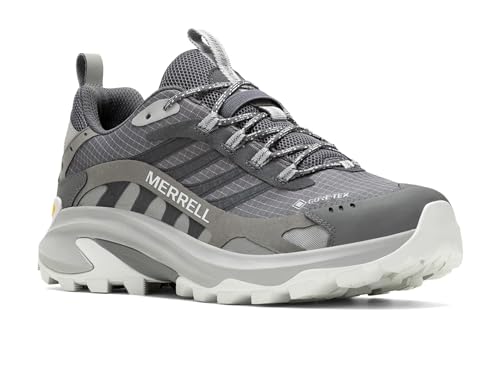
The Moab Speed 2 GTX is Merrell’s attempt to blend the comfort of the Moab line with athletic-hike performance, topped off with a Gore-Tex waterproof membrane (a premium waterproof-breathable lining that keeps water out while letting heat escape). The Vibram TC5+ outsole is formulated specifically for Merrell with redesigned traction lugs, which gives it noticeably more bite on loose terrain than the standard Moab.
This is the pick I would point athletic hikers toward, particularly those moving fast on trails with a light pack. For shoppers who don’t need the weather sealing, the standard Moab 3 Mid saves cost and weight, while this GTX version earns its place in wet conditions or cold shoulder seasons.
Positive Takeaways
- Gore-Tex membrane delivers premium waterproof-breathable performance.
- Vibram TC5+ outsole with redesigned lugs grips loose dirt and scree.
- Lighter, athletic-leaning build suits fast-paced hiking styles.
Where It May Fall Short
- Premium construction costs more than standard Moab versions.
- Athletic build offers less ankle support than mid-cut hiking boots.
- Owners commonly note Gore-Tex models need occasional cleaning to maintain breathability.
Quick Facts
Perfect Match For
Wide-foot hikers who move fast on trails and want premium weather sealing in a lighter, athletic package.
Where Another Pick Suits Better
The Merrell Moab 3 Mid Waterproof Hiking Boots suit hikers who want a more traditional mid-cut collar and don’t need the athletic geometry.
What Actually Matters When Picking Wide-Foot Hiking Footwear
The biggest decision isn’t brand loyalty but the relationship between last shape (the foot-shaped mold the shoe is built around), volume, and your forefoot width. A wide last means more room across the ball of the foot, while high-volume designs add depth so the foot doesn’t press down on the laces. For shoppers who feel forefoot pressure in standard shoes, prioritize last geometry over cosmetic features.
Mid-cut boots wrap above the ankle for added stability, but they add weight and reduce flexibility. Low-cut hiking shoes and trail runners feel nimbler on groomed trails but expose the ankle on rocky descents. The right call depends on terrain: groomed day hikes favor low cuts, while uneven or rocky ground rewards mid-cut support.
Outsoles matter more than most shoppers realize. Vibram rubber outsoles grip mixed terrain well, but lug depth (the height of the tread blocks, where deeper lugs bite into soft dirt and shallower ones work on hardpack) shifts the shoe’s character. Deep lugs excel on soft dirt, while shallower patterns handle hard-packed trails without clogging.
Waterproofing is a tradeoff. Sealed membranes keep water out but reduce breathability, so feet run hotter in summer. For year-round hikers in mild climates, a non-waterproof build breathes better and dries faster when it does get wet.
Finally, fit matters more than features. Shoppers should try shoes late in the day when feet are slightly swollen, wear the socks they plan to hike in, and walk on an incline if the retailer allows it. The right shoe disappears on the foot, while the wrong one announces itself within the first mile.
Key Considerations Across These Picks
Pitfalls Shoppers Hit
The most common slip-up is sizing up a full size instead of choosing a wide-fit model, which leaves the heel loose and causes blisters on descents. Another frequent mistake is buying a waterproof shoe for hot, dry climates, where reduced breathability makes feet sweat and the membrane wears out faster from internal dampness. Skipping sock changes and ignoring insole replacement also shortens shoe life.
Where The Extra Money Goes
Higher-tier hiking footwear earns its cost through tougher midsole foams, premium waterproof membranes, and more durable outsole rubber compounds. The Moab Speed 2 GTX, for instance, pairs a Gore-Tex membrane with a reformulated Vibram outsole, both upgrades that show up after months of use rather than on day one. For shoppers who hike weekly in shoulder weather, the upgrade tends to pay back through longer shoe life and better traction, though casual weekend hikers can often skip the premium tier.
Frequently Asked Questions
How should wide hiking shoes fit?
Wide hiking shoes should feel snug at the heel and midfoot while leaving clear space around the toes, with roughly a thumb’s width at the front of the toe box. Feet swell on long hikes, so a fit that feels roomy in the store often feels right on the trail.
Do wide hikers help with foot pain?
Wide-foot hikers can reduce pressure on the forefoot, which helps shoppers with bunions, neuromas, or general forefoot spreading. The relief is most noticeable on longer hikes where standard shoes compress the toes over miles.
Can I use trail running shoes for backpacking?
Light trail runners handle day hikes and light packs well, but they wear out faster than hiking shoes under repeated heavy loads. Backpackers carrying more than 20 pounds typically benefit from the added durability of a hiking shoe or mid-cut boot.
Are waterproof hiking shoes worth it?
Waterproof hiking shoes earn their keep in wet climates, shoulder seasons, and on hikes with stream crossings. In hot, dry regions, the same shoe can feel clammy, so non-waterproof builds often breathe better and dry faster.
How long do hiking shoes typically last?
Hiking shoes generally last 500 to 1,000 miles depending on terrain, weight carried, and care. Shoppers who rotate between two pairs and clean debris from the outsole tend to get longer use from each pair.
Closing Remarks
The right pair depends on where the shoes actually go. For trail running, the ALTRA Lone Peak 9 fits best; for serious backcountry hiking, the Moab 3 Mid or Targhee 4 earn their keep; and for daily wear, the KS86 keeps wide feet comfortable without looking like outdoor gear. Match the build to the use case and the rest tends to fall into place.