Spending hours on hard, unforgiving surfaces wears down feet faster than almost any job-site hazard. Concrete soaks up impact, drains warmth in winter, and turns the smallest pebble into a pressure point by lunchtime. The right pair of boots softens that punishment, grips when floors get slick, and keeps ankles stable through a full shift. I pulled together this roundup for tradesmen, warehouse crews, and anyone whose workday starts and ends on poured slab.
The Choices Worth Comparing

NINGO Soft Toe Work Boots for Men, Waterproof & Non Slip Wellington

HISEA NINGO Steel Toe Work Boots for Men, Waterproof Wellington
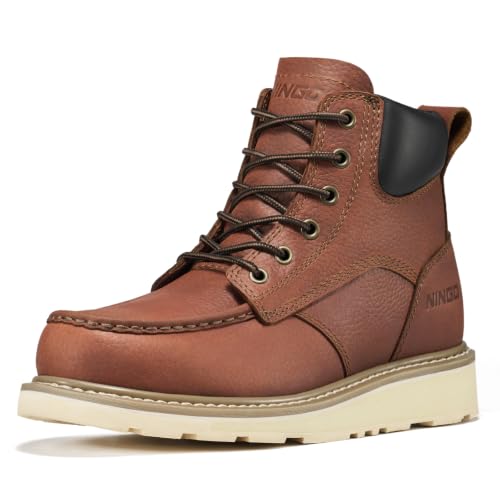
NINGO Soft Toe Work Boots for Men, Moc Toe, Full-Grain Leather, EH Rated

NINGO Soft Toe Work Boots for Men, Comfortable Non Slip Moc Toe

NINGO Steel/Soft Toe Work Boots for Men, Slip Resistant Moc Toe
More On The Choices That Made The List
The NINGO Soft Toe Work Boots in a Wellington cut pull on easily over jeans or work pants, which matters when you’re ducking out to a muddy site before sunrise. The waterproof build makes sense for crews who step into puddles, slosh through agricultural wash-downs, or handle landscaping in drizzle. Concrete still beats on the soles, but the tall rubber lower keeps the boot light and shrugs off moisture that would soak through lighter leather pairs.
Unlike the steel-capped options further down the list, this pick trades impact protection for flexibility and pull-on speed. For most outdoor chores, that trade feels reasonable.
Strengths Worth Knowing
- Waterproof Wellington construction handles wet grass, puddles, and hose-down work without soaking through.
- Pull-on design cuts the lacing hassle when you’re stepping out fast in the morning.
- Non-slip outsole grips slick surfaces around loading docks and outdoor wash bays.
- Lighter weight than full leather pairs, so all-day wear feels less like a workout for your calves.
Worth Noting
- Soft toe leaves feet exposed to falling tools or rolling stock, so it’s a poor fit around heavy materials.
- Rubber lower scuffs and can show wear faster than full-leather uppers on abrasive concrete.
Who It Suits Best
Agricultural workers, landscapers, and anyone needing a waterproof pull-on for wet outdoor tasks.
Skip It When
The HISEA NINGO Steel Toe Work Boots for Men, Waterproof Wellington is the better match for industrial sites with drop hazards.
The HISEA NINGO Steel Toe Work Boots layer a protective cap onto the same Wellington platform that made the first pick so easy to pull on. That combination shows up often on construction sites where rebar, framing lumber, and dropped fasteners threaten toes. The waterproof shell means crews can move between wet pours and dry framing without swapping boots, which saves time on jobs that demand versatility.
Where the soft-toe Wellington leans toward outdoor chores, this version leans toward jobs with real hazards and inspection requirements.
Advantages To Know
- Steel toe cap meets impact and compression expectations for regulated work zones.
- Waterproof Wellington build handles wet concrete pours and rainy outdoor sites.
- Pull-on shaft speeds up morning gear-up when you have multiple jobs lined up.
Points To Note
- Steel cap adds weight and runs colder than a soft toe in unheated spaces.
- Pull-on fit leaves little room to fine-tune tightness across the instep.
- Wellington rubber can feel stiff for the first few shifts until the upper breaks in.
Key Specs
Right Fit For
Construction crews and industrial workers who need toe protection plus waterproof coverage in one boot.
Look Elsewhere When
The NINGO Soft Toe Work Boots for Men, Comfortable Non Slip Moc Toe is a better call for warehouse staff who don’t face impact hazards but log long hours standing.
The NINGO Soft Toe Moc Toe boots walk a line between job-site toughness and a refined profile that doesn’t scream “work gear.” Full-grain leather ages into a richer patina, which means they look better after a year of hard wear than they do on day one. EH-rated protection (EH stands for electrical hazard, meaning the sole resists electrical conductivity) suits electricians, utility workers, and anyone working near live wiring or charged equipment. Moc toe construction keeps the silhouette low-key while still handling concrete shifts.
Compared to the pull-on Wellingtons earlier, this pair trades weather coverage for breathability and a closer, lace-up fit.
Useful Highlights
- Full-grain leather upper holds up to abrasion and develops character over time.
- EH rating reduces conductivity risk around live circuits and energized equipment.
- Moc toe styling slips under jeans or work pants without a bulky profile.
- Lace-up closure lets you dial in fit across the instep for long shifts.
Small Caveats
- Full-grain leather needs occasional conditioning to resist drying and cracking on abrasive concrete.
- No waterproof membrane mentioned, so wet conditions may soak through over time.
- Soft toe leaves feet vulnerable to drop impacts.
Made For
Electricians, utility techs, and tradesmen who want EH protection in a low-profile moc toe.
Consider Something Else When
The HISEA NINGO Steel Toe Work Boots for Men, Waterproof Wellington makes more sense on sites where dropped materials or standing water are part of the daily grind.
The NINGO Soft Toe Comfort Moc Toe targets the fatigue problem that hits hardest on hard floors. A lightweight EVA midsole (EVA is a foam rubber that’s lighter and more cushioned than standard rubber) eats up the impact that plain rubber boots transfer straight into the knees and lower back. For warehouse staff, retail stockers, and anyone pacing polished floors all day, that cushioning matters more than a steel cap ever could. Crazy horse leather (a treated leather with a rugged, distressed finish) shrugs off splashes and looks intentional when scuffed.
This pick slides in next to the EH-rated moc toe from earlier, trading electrical hazard safety for pure comfort.
The Good Stuff
- EVA midsole softens the punishing rebound that concrete floors deliver to knees and hips.
- Non-slip outsole grips polished warehouse floors and oily shop surfaces.
- Crazy horse leather ages well and tolerates scuffs without looking trashed.
- Soft toe reduces pressure on toes during long standing shifts.
Honest Caveats
- Lightweight build means less ankle support than taller pull-on styles on uneven ground.
- No mention of waterproofing, so standing water will eventually seep through.
- Soft toe won’t satisfy sites requiring impact-rated caps.
Key Specs
Best Suited To
Warehouse workers, retail crews, and anyone on their feet eight-plus hours on hard indoor floors.
A Better Fit Elsewhere
The NINGO Soft Toe Work Boots for Men, Moc Toe, Full-Grain Leather, EH Rated works better when electrical hazard protection matters more than cushioning.
The NINGO Steel/Soft Toe Work Boots land in the middle of the lineup with a versatile moc toe profile that suits multiple trades. Slip-resistant outsoles grip wet pavement and oily concrete, which is the kind of everyday hazard most work boots stumble on. The steel or soft toe choice lets you match the boot to the job site rather than buying two separate pairs. Crews who bounce from residential remodels to light industrial work often land on a flexible hybrid like this.
Versus the dedicated waterproof Wellingtons earlier, this pair leans toward versatility over weather sealing.
A Few Highlights
- Slip-resistant outsole grips wet floors, oily shop surfaces, and slick pavement.
- Steel or soft toe option adapts to different site requirements without changing brands.
- Moc toe silhouette looks sharp enough for casual wear after clocking out.
- General-purpose build suits multiple trades in one pair.
Practical Considerations
- Without a confirmed waterproof membrane, this pair may struggle in sustained wet conditions.
- Hybrid positioning means it may not specialize enough for hardcore industrial demands.
- Style-first focus may leave durability gaps compared to dedicated workhorse boots.
Who Should Grab It
Tradesmen who move between residential and light industrial sites and want one pair that handles both.
Reach For A Different Pick When
The NINGO Soft Toe Work Boots for Men, Comfortable Non Slip Moc Toe is the better match for warehouse shifts where cushioning outweighs toe protection.
What To Weigh Before Picking Boots For Working On Concrete
Toe protection shapes the entire boot. Steel caps guard against heavy drops and compression but add weight and run cold. Soft toes breathe better and feel lighter, which matters during ten-hour shifts, but they leave feet exposed around falling materials. Match the cap to the worst-case scenario on site, not the average day.
Outsole grip saves ankles more than people realize. Concrete gets slippery when wet, oily, or dust-covered, and a worn smooth outsole turns every step into a risk. Oil-resistant rubber with aggressive lug patterns grips where flat soles skate. For polished indoor surfaces, look for outsoles rated for slip resistance rather than just abrasion resistance.
Cushioning and midsole choice decide how legs feel at 5 PM. EVA midsoles absorb impact and lighten the boot, which matters on hard floors. Rubber and leather constructions transmit more shock but tend to last longer on abrasive surfaces. Workers who stand in place more than they walk benefit most from EVA; roamers may prefer the durability trade.
Waterproofing depends on environment, not preference. Outdoor crews, agricultural workers, and anyone around wet pours need sealed boots. Indoor warehouse staff may prefer breathable uppers over waterproofing since standing puddles rarely appear indoors. A wet foot inside a waterproof boot stays wet all day, so the wrong choice backfires.
Key Considerations Across These Picks
Mistakes Worth Dodging
Many shoppers assume any work boot handles concrete, then wonder why their knees ache by Friday. Concrete punishes the wrong boot faster than almost any surface, so skipping slip-rated outsoles and skipping cushioned midsoles both end badly. Another common slip: choosing steel toe without checking weight. A heavy boot on hard floors multiplies fatigue in ways lighter moc toes avoid.
Where The Extra Money Goes
Higher-tier boots buy better leather, denser midsoles, and outsoles that hold traction longer. That upgrade pays off for full-time tradesmen who log year-round hours on concrete. Part-time users or weekend warriors often find mid-tier pairs handle their needs without the premium. The honest read: spend where your hours demand it.
Frequently Asked Questions
Do I actually need steel toe boots for concrete work? Steel toe matters when heavy tools, materials, or rolling stock are part of the job. For flat warehouse shifts without overhead hazards, soft toe boots often feel lighter and less tiring across long hours.
How do I keep work boots from smelling after concrete shifts? Pull insoles out at the end of each shift and let boots air-dry in a ventilated spot. Cedar shoe trees or odor-absorbing inserts help, and rotating between two pairs extends the life of each.
Are waterproof boots worth it for indoor concrete work? Indoor concrete rarely floods, but cool slab floors pull warmth from feet. Waterproof boots trap that cold along with sweat, so breathable uppers often suit indoor crews better.
What break-in time should I expect with full-grain leather? Full-grain leather typically takes one to two weeks of regular wear before softening around the heel and instep. Wearing them for short walks before a full shift speeds the process without blisters.
How long do work boot outsoles last on abrasive concrete? Expect six to twelve months for daily wear on rough concrete, depending on gait and surface. Smoother indoor slabs may stretch that to a year or more.
Bottom Line
Concrete work punishes the wrong boot fast, so the right pair matters more than marketing copy suggests. Tradesmen weighing safety hazards should start with the steel-toe Wellington; warehouse crews chasing all-day comfort will likely land on the cushioned moc toe. For most people logging serious hours on hard floors, the comfortable non-slip moc toe hits the sweet spot between protection, and price.