I live somewhere where sidewalks turn into skating rinks for a third of the year, and I’ve learned the hard way that not every lined boot can handle a real slushy commute. Cold feet make a short walk feel twice as long, and a slick patch under a thin sole can ruin the whole morning. The right pair keeps toes warm, grips ice, and stays comfortable enough for an hour of errands without needing a break-in period. This roundup focuses on boots that handle genuine winter walking: cold pavement, packed snow, salty sidewalks, and the occasional surprise puddle hiding under a slush pile.
The Leading Options At A Glance

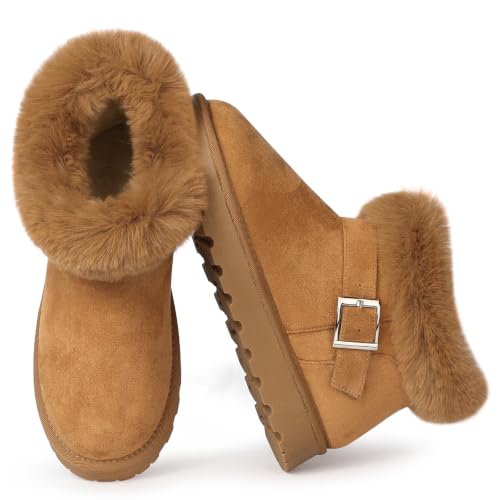
Goldnut Faux Suede Ankle Mini Boots

HEYDUDE Women’s Britt Lace-Up Ankle Boot


Columbia Newton Ridge Plus II Waterproof
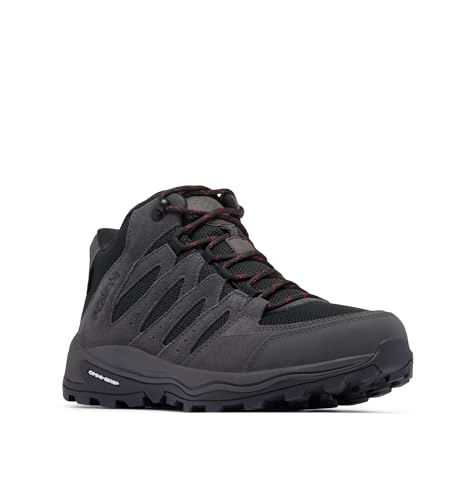
Columbia Men’s Redmond IV Mid Waterproof

KOLILI Women’s Winter Snow Boots
Taking A Closer Look At The Options
Pull-on booties built around that unmistakable UGG silhouette, the Baby Jesse Bow II keeps things short and plush. A suede upper wraps a thick sheepskin lining that warms feet the moment you step in. Compared to the sportier hikers later in this roundup, this is a far more relaxed boot, designed for short walks and warm toes rather than trail miles.
The shaft height sits just above the ankle, which makes the boot easy to slip on but limits how much snow it can block. For dry or lightly dusted sidewalks, the fit is excellent. Heavier slush tends to creep in over the top, so I treat these as a cold-weather casual pick rather than a serious snow tool.
Where It Delivers
- Sheepskin lining creates immediate warmth without needing thick socks.
- Suede upper feels softer and more broken-in than synthetic alternatives.
- Blown rubber outsole cushions each step on hard pavement.
- Removable ribbon detail lets you change the look without buying another pair.
Things To Consider
- Suede needs a protective spray before facing wet slush or road salt.
- Low shaft lets snow spill over the top during deeper storms.
Feature Card
Whose Closet It Belongs In
Anyone who walks short, dry routes and wants cloud-like warmth more than waterproofing.
Skip It When
The KOLILI Women’s Winter Snow Boots suit shoppers facing deep, wet snow and need a taller shaft.
Goldnut keeps things simple with a fuzzy ankle-height bootie aimed at casual winter days. The faux suede upper is paired with a plush lining that feels softer than the price tag suggests. For shoppers who mostly walk on cleared sidewalks, the warmth holds up nicely.
The cut and proportions sit closer to a fashion boot than a performance piece. There’s no waterproof membrane mentioned in the build, so puddles and salty slush are its main weakness. Treat it like a dry-day commuter and it punches well above its weight.
Notable Upsides
- Plush lining adds surprising warmth for the cost.
- Low profile pairs easily with jeans and leggings.
- Lightweight build won’t weigh down short errands.
Trade Offs
- No waterproof layer, so wet snow can soak through quickly.
- Faux suede tends to show scuffs and salt marks after a few wears.
- Shorter shaft exposes the ankle to deep slush.
Who It Suits Best
Budget-minded walkers in mild climates who want cozy style more than storm-ready performance.
A Better Fit Elsewhere
The HEYDUDE Women’s Britt Lace-Up Ankle Boot fits shoppers wanting a slightly more supportive lace-up build.
HEYDUDE leans into its comfort-first reputation with the Britt, a low-profile lace-up ankle boot topped with a faux fur collar. It’s noticeably lighter than the suede booties earlier on this list, which makes a real difference on long shopping loops. The fur trim adds a soft barrier around the ankle that helps trap warmth.
The relaxed silhouette feels more like a casual shoe than a winter tool, so traction in heavy snow isn’t its strong suit. I see it as a transitional boot for slushy mornings that turn into dry afternoons. Lace-up support gives it an edge over pull-on styles when sidewalks get uneven.
Good Reasons To Consider
- Lightweight construction reduces foot fatigue over longer walks.
- Faux fur collar adds insulation around the ankle opening.
- Lace-up fit lets you dial in a secure, custom feel.
Honest Caveats
- Outsole grip is fine for pavement but limited on icy patches.
- Faux fur trim can mat down with repeated wet exposure.
- Less insulation than the taller KOLILI snow boot for deep-cold days.
Quick Facts
Right Fit For
Walkers who cover long distances on cleared pavement and want a lighter alternative to bulky winter boots.
Consider Something Else When
The Columbia Men’s Fairbanks Low suits shoppers needing real trail traction on mixed terrain.
Columbia built the Fairbanks Low as a nimble crossover between hiking shoe and winter boot. The low-cut profile keeps it agile on sidewalks, while the suede and mesh upper holds up to brushy trails and slushy shortcuts. It’s noticeably more rugged than the Goldnut or HEYDUDE picks earlier in this roundup.
Techlite cushioning softens long walks across frozen parking lots, and the Omni-Grip outsole bites into packed snow without feeling clunky. The trade-off is a heavier step and a break-in window that some feet notice in the first few miles.
Noteworthy Benefits
- Omni-Grip rubber outsole handles slick sidewalks and icy trail segments.
- Techlite midsole cushions long walks better than flat fashion soles.
- Suede and mesh upper balances durability with breathability.
Points To Note
- Lower shaft means deep snow can sneak in over the collar.
- Mesh sections dry slowly if soaked.
- Heavier than casual booties like the UGG Jesse Bow.
Feature Rundown
Made For
Walkers who split time between city sidewalks and casual winter trails and need real grip underfoot.
Where Another Pick Suits Better
The Columbia Men’s Redmond IV Mid Waterproof fits shoppers who walk deeper snow and want a taller shaft.
The Newton Ridge Plus II steps things up with a fully waterproof build designed for serious wet weather. Compared to the Fairbanks Low earlier, this hiking shoe adds a sealed membrane that keeps slush from soaking through to the sock. It’s a heavier shoe, but the stability is worth it when conditions turn messy.
Durable construction and supportive midsoles make this a strong pick for walkers who actually use their boots. The build feels closer to a hiking shoe than a casual winter boot, so it shines when routes mix pavement with mud and packed snow.
Where It Excels
- Waterproof membrane keeps feet dry through slush and shallow puddles.
- Sturdy build handles rougher trails without feeling flimsy.
- Supportive midsole helps on uneven winter terrain.
Practical Considerations
- Heavier than low-cut fashion booties.
- Stiffer feel requires a short break-in before long walks.
- Less breathable than mesh-heavy options on mild days.
Key Specs
Best Suited To
Active walkers tackling wet, mixed terrain who want real waterproof protection over a fashion-focused fit.
Look Elsewhere When
The Columbia Men’s Fairbanks Low fits shoppers wanting a lighter, lower-profile alternative for daily commutes.
The Redmond IV Mid sits at the heavier end of this roundup, and that’s exactly the point. The mid-cut shaft wraps higher around the ankle than the Fairbanks Low, blocking deeper snow drifts and roadside slush. It’s a confident, sturdy boot built for foul-weather walks.
Waterproof construction keeps socks dry through wet sidewalks and muddy trail segments, while the supportive build feels planted underfoot. Compared to the lighter Newton Ridge Plus II, this boot trades agility for protection. I think of it as a serious winter workhorse, not an everyday casual.
The Practical Payoff
- Mid-cut shaft blocks snow from spilling over the top.
- Waterproof build handles slush and shallow puddles confidently.
- Sturdy construction supports long walks on rough pavement.
- Available in multiple color and size options for varied fits.
Less-Strong Areas
- Heavier build can tire feet on quick errands.
- Stiffer feel compared to casual booties.
- Bulkier profile doesn’t suit dressier outfits.
Who Should Grab It
Commuters and dog walkers facing deep snow and slush who prioritize protection over lightweight feel.
Not Your Match When
The UGG Baby Jesse Bow II suits shoppers wanting a lighter, cozier boot for short, dry outings.
KOLILI closes out the list with a tall, duck-boot-style winter boot aimed squarely at snow. The taller shaft clears the ankle and lower calf, keeping snow drifts out during longer walks through unplowed paths. Compared to the ankle-height Goldnut and HEYDUDE picks, this boot is a different beast entirely.
Waterproof construction and thick insulation make it a natural fit for cold-climate walkers. The trade-off is bulk and weight, which may feel heavy on short errands. Treat it as a dedicated snow walker, and it earns its place in the rotation.
Real Benefits
- Tall shaft blocks deep snow from reaching socks.
- Waterproof build keeps feet dry through wet slush.
- Thick insulation holds warmth in sub-freezing temps.
- Duck-boot styling adds grip through packed snow.
A Few Limitations
- Bulky profile limits pairing with everyday casual outfits.
- Heavier than low-cut booties for quick trips.
- Insulation can feel too warm on milder days.
Perfect Match For
Walkers in snowy regions who need tall, waterproof protection for long winter outings.
Swap It Out When
The Columbia Newton Ridge Plus II Waterproof fits shoppers wanting a lighter, more athletic build for mixed use.
Picking The Right Pair For Your Winter Walks
The best boot depends on where your feet actually go. For short, dry errands and quick coffee runs, a plush pull-on like the UGG Baby Jesse Bow II keeps things simple and warm. Walkers facing cleared sidewalks most days benefit from lighter lace-up options that won’t weigh down long loops. Heavier trail-leaning hikers like the Columbia picks earn their weight when routes mix pavement with muddy shortcuts or icy patches. Deep snow demands a taller shaft and real waterproofing, which is where the KOLILI duck boot stands apart.
Shaft height matters more than most shoppers expect. A boot that sits below the ankle lets snow sneak in during even modest storms, while a mid or tall cut seals out slush before it hits your socks. Waterproofing is another dividing line: fashion-forward booties handle dry cold beautifully but struggle the moment puddles appear. If you regularly cross slushy parking lots or untreated sidewalks, a sealed membrane pays for itself the first time you skip wet socks.
Fit and weight round out the decision. A heavier boot feels planted and protective but tires feet faster on quick trips, while a lighter boot breathes better but offers less insulation. Matching the boot to your typical walk distance and weather makes the difference between a pair you reach for and a pair that gathers dust by the door.
Smart Choices Before You Buy
Slip Ups To Watch For
A common mistake is treating a fashion bootie like a snow boot. Plush lining keeps feet warm, but without waterproofing or a taller shaft, slush and road salt wear them out fast. Another trap is ignoring outsole grip: a flat rubber sole feels fine on dry pavement but slips on icy patches the moment temperatures drop. Shoppers also tend to skip a break-in window with hiking-style boots, then blame the boot when stiff soles cause blisters.
Where The Higher Tier Earns Its Place
Premium winter boots typically add waterproof membranes, stiffer midsoles, and grippier outsoles that budget picks skip. For casual users, those upgrades may feel unnecessary. For walkers who log real miles in wet conditions, those same features mean drier feet, less fatigue, and a longer-lasting boot. The upgrade pays off most when your routes include untreated sidewalks, snow-packed trails, or long commutes through slush.
Frequently Asked Questions
Do I need waterproof boots for winter walking? Waterproof boots help most if your routes cross slushy parking lots, salted sidewalks, or packed snow. For dry, cold climates with cleared pavement, a warm but non-waterproof boot can work.
How tall should the shaft be? Shaft height should match your snow depth. Ankle-height boots suit cleared sidewalks, while mid and tall cuts handle deeper snow and roadside drifts better.
Are heavier boots worth the extra weight? Heavier boots add stability and warmth but tire feet faster on short trips. Lighter boots suit quick errands, while heavier options shine on long, snowy walks.
Can fashion booties handle real winter use? Fashion booties handle dry cold well but lack the grip and waterproofing of performance boots. Limit them to short, dry outings to extend their lifespan.
How do I care for suede winter boots? A protective spray before first wear helps suede shed water and salt stains. Brushing off dried slush promptly also keeps the nap looking fresh longer.
Closing Thoughts
The right winter boot comes down to matching your routes, your snow depth, and how long you’re out walking. Plush booties cover dry days, mid-cut hikers handle mixed conditions, and tall snow boots clear the deepest drifts. Pick the profile that fits your real winter, not just the one that looks the warmest on the shelf.