A snowy trail turns a regular boot into a liability fast. The wrong pair sends slush over your socks, packs out with snow, and leaves you gripping rocks the whole way down. I put this list together for hikers who want dry feet, steady footing, and real warmth without lugging around heavy pac boots on shorter trips.
An Overview Of The Picks
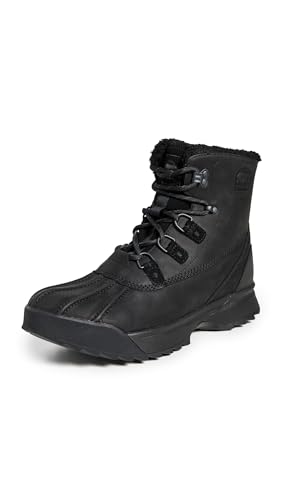
Sorel Scout 87’™ Lux Waterproof
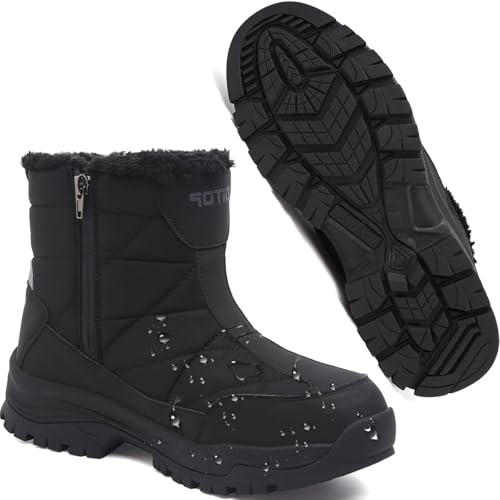
ziitop Snow Boots for Men

Columbia Men’s Fairbanks Low

MUCK Women’s Originals Leather Duck Boot
ANJOUFEMME Winter Snow Boots for Women

Columbia Men’s Newton Ridge Plus II
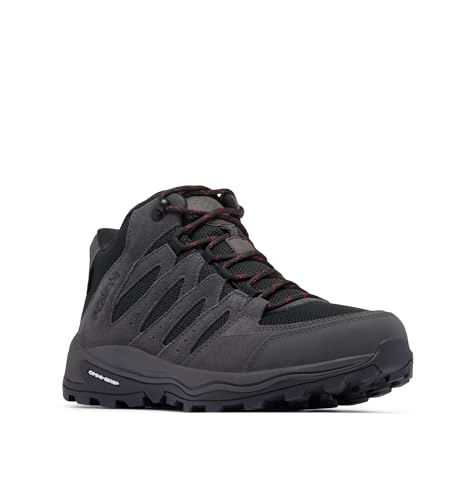
Columbia Men’s Redmond IV Mid Waterproof
Meet The Standout Selections
The Sorel Scout 87’™ Lux sits in the sweet spot between a winter pac boot and a casual lace-up. Shearling lining pulls double duty, trapping body heat while feeling soft against the ankle, and the D-ring laces let you cinch the fit in seconds when you hop off a snowy curb. Compared to the heavier Sorel Caribou most people picture, this pair feels closer to a sneaker in weight, which makes it easier on quick walks through a slushy downtown or a packed trail.
The taller shaft keeps snow from sneaking over your jeans, and the waterproof build handles slushy sidewalks and well-packed snow with no drama. Most hikers will appreciate how it pulls on without the wrestling match common to taller pac boots.
The Case For It
- Shearling lining holds warmth during short to medium outings
- D-ring laces adjust fast, even with cold fingers
- Waterproof shell keeps slush and shallow snow out
- Style works for coffee runs and trailhead parking lots
- Lighter than traditional Sorel pac boots
Worth Noting
- Shearling compresses over time with heavy daily wear
- Outsole lugs are modest compared to true hiking boots
- Owners commonly report the leather upper needs a conditioner to stay supple
Who It Suits Best
Casual wearers and light-trail hikers who want one boot that handles snow-covered sidewalks and easy packed paths.
Where Another Pick Suits Better
For muddy trails and stream crossings, the MUCK Women’s Originals Leather Duck Boot gives a more dedicated waterproof build.
The ziitop Snow Boots lean into pure convenience with a slip-on design that skips laces entirely. Fur lining runs through the shaft and footbed, and an anti-slip outsole handles slick grocery-store floors and icy driveways without a second thought. Where the Sorel above leans on heritage styling, this pair prioritizes grab-and-go comfort, which matters when you just need to get the trash cans back from the curb.
It’s a no-fuss option for short, low-intensity outings where warmth matters more than technical support.
Well-Handled Touches
- Slip-on entry saves time on quick outings
- Fur lining adds noticeable warmth at a low cost
- Anti-slip tread handles icy pavement and wet floors
Trade Offs
- Limited ankle support compared to mid-cut hikers
- Sizing can run inconsistent across batches
- Not designed for sustained trail miles or deep snow
Key Specs
Made For
Shoppers on a tight budget who mainly deal with shallow snow, icy steps, and short neighborhood walks.
Consider Something Else When
The Columbia Men’s Fairbanks Low is a stronger match for trail miles that demand lighter cushioning and better grip.
The Columbia Fairbanks Low is a trail shoe that doesn’t pretend to be a pac boot. It uses a suede leather upper combined with breathable mesh webbing, a Techlite cushioned midsole for shock absorption, and an Omni-Grip rubber outsole that holds steady on wet rock and packed snow. Compared to the heavier Sorel opening this list, this shoe keeps weight down so long days on rolling terrain feel less like a workout.
Low-cut hikers like this move well on flatter ground and dry trail stretches, and the lighter build is a relief when you’re clocking real miles.
Notable Gains
- Techlite midsole cushions without adding weight
- Omni-Grip outsole bites into wet rock and frozen dirt
- Mesh webbing improves airflow on dry sections
- Suede upper holds shape through regular use
Points To Note
- Low-cut shaft lets snow sneak in above the ankle
- Less insulation than dedicated snow boots
- Mesh panels need cleaning after muddy outings
Right Fit For
Fast hikers logging longer miles on mixed terrain who prefer a lighter shoe over a tall insulated boot.
Look Elsewhere When
Deep snow and slushy conditions are the Columbia Men’s Newton Ridge Plus II’s territory, with a taller build and stiffer midsole.
The MUCK Originals Leather Duck Boot borrows the brand’s farm-tough waterproofing and wraps it in a leather ankle boot silhouette. It runs in the ankle and bootie height range, lace-up front, and a sealed shell that the company designed to keep water out during mucking out stalls or trudging through muddy fields. Compare this to the slip-on ziitop above, and you get a sturdier upper and a more secure lace closure in exchange for a slightly longer break-in.
The tradeoff is clear: this one takes wet ground seriously, even if it skips the fluffy insulation of fur-lined options.
Positive Points
- Full waterproof build for wet, muddy terrain
- Leather upper resists scuffs and brush along trails
- Lace closure delivers a more secure, tunable feel
- Ankle height keeps debris out of the boot
Room For Improvement
- Less insulation than fully fur-lined snow boots
- Leather needs occasional conditioning to prevent drying
- Heavier than low-cut trail runners
Quick Facts
Best Suited To
Hikers and homeowners who deal with consistently wet, muddy ground and want a leather boot that shrugs off the mess.
A Better Fit Elsewhere
The ANJOUFEMME Winter Snow Boots for Women serve shoppers who want warmer fur-lined comfort over heavy waterproofing.
The ANJOUFEMME Winter Snow Boots for Women are built in the backpacking-boot category but skew toward casual winter wear with their warm fur lining and easygoing silhouette. The lining traps heat close to the foot, and the boot sits in a hiking and trekking style that handles packed trails without looking out of place on a coffee run. Set next to the MUCK above, this pick trades the leather upper for a softer, cozier feel against the foot.
For someone easing into winter hiking, the approachable build removes a lot of the guesswork.
Real-World Strengths
- Fur lining delivers noticeable warmth for cold mornings
- Style bridges trailhead and everyday outfits
- Approachable build for first-time winter hikers
Honest Caveats
- Outsole lugs are basic compared to technical hikers
- Fur lining flattens with extended daily wear
- Not the first choice for steep, technical terrain
Who Will Love This
Beginners and casual hikers who want a warm, comfortable boot for easy winter walks and groomed trails.
Reach For A Different Pick When
The Columbia Men’s Newton Ridge Plus II is a better answer for hikers tackling longer, more technical routes.
The Columbia Newton Ridge Plus II is a mid-cut hiking shoe that takes waterproofing seriously. The construction balances durable materials against a moderate weight, so day hikes don’t feel like a slog. Where the lighter Fairbanks Low sacrifices ankle support for agility, this pair adds a stiffer midsole and taller shaft that handle uneven terrain and the occasional snowfield with more confidence.
It’s the most balanced pick on this list for hikers who want one boot that covers most winter day trips.
What Works In Its Favor
- Waterproof membrane keeps feet dry on snowy trails
- Mid-cut build supports the ankle on uneven ground
- Durable upper handles brush and rock scrapes
- Versatile enough for casual off-trail wear
Small Caveats
- Heavier than a low-cut trail runner
- Less insulation than dedicated pac boots
- Break-in period before the leather softens
Feature Snapshot
Perfect Match For
Day hikers and weekend adventurers who want a versatile waterproof boot for varied winter conditions.
Not Your Match When
Deep snow and sub-zero outings call for the warmer shearling-lined Sorel Scout 87’™ Lux Waterproof.
The Columbia Redmond IV Mid Waterproof closes the list with a mid-cut build designed for steady footing on wet and dry terrain. The waterproof construction keeps slush and shallow snow out of the boot, and the higher ankle cuff helps when you’re carrying a pack that shifts your center of gravity on uneven ground. Compared to the Newton Ridge just before it, this pair leans toward a slightly more cushioned ride for longer days under load.
The fit runs in the standard hiking boot mold, and owners commonly find it forgiving across foot shapes after a few outings.
Everyday Perks
- Mid-cut shaft stabilizes the ankle under load
- Waterproof build handles wet trails and slush
- Cushioned platform eases long-mile days
- Durable outsole grips mixed terrain
- Style works for casual post-hike stops
Points To Keep In Mind
- Bulkier than low-cut trail runners
- Less insulated than pac-style winter boots
- Higher shaft can feel stiff on short walks
Spec Overview
Who Should Grab It
Hikers carrying weight on longer winter days who want ankle support and waterproofing without the bulk of a full pac boot.
Swap It Out When
The Columbia Fairbanks Low is a more agile option for those who prefer low-cut mobility over mid-cut stability.
Picking Boots That Actually Hold Up In Winter
A winter hiking boot earns its keep in three places: underfoot traction, warmth retention, and moisture management. Traction matters because frozen ground and packed snow behave nothing like dry summer dirt, so lug depth and rubber compound shape every step. Insulation, whether shearling, fur lining, or synthetic fill, determines how long your toes stay comfortable when the temperature drops.
Waterproofing is where most boots either earn or lose their reputation. A waterproof membrane keeps slush and shallow puddles out, but it also traps heat, which is great in deep cold and miserable on a high-output climb. Fit affects all three because a loose boot lets cold air in, while a tight boot cuts off the circulation your toes need to stay warm.
Match the boot to your usual terrain. Easy packed trails reward lighter hikers, while sloppy, mixed conditions call for taller shafts and tougher outsoles. Think about how you’ll actually use the boot: weekend day hikes, neighborhood walks, or occasional backcountry trips all push you toward different builds.
Key Considerations Across These Picks
Traps First Timers Fall Into
Many shoppers grab the warmest-looking boot and end up overheating ten minutes into a hike. Heavy insulation without breathability turns feet cold and clammy fast, which feels worse than starting a little cooler. Another common miss is ignoring outsole design. A flat-bottomed winter boot slips on icy sidewalks the same way a smooth-soled dress shoe does, so lug pattern and rubber compound deserve real attention before sizing and color.
Where The Extra Money Goes
Higher-priced winter hiking boots typically invest in tougher leather, more refined waterproof membranes, and stiffer midsoles that hold up over years instead of seasons. The upgrade shows up in details like cleaner stitching, replaceable insoles, and outsoles that grip better on wet rock. For hikers logging weekly miles or carrying weight, that extra cost usually translates to a longer-lasting boot and fewer cold-foot surprises. Shoppers who only head out a few times a winter often do fine with a mid-tier option.
Frequently Asked Questions
Do I need true waterproofing for winter hiking?
Waterproof membranes help a lot in slush and shallow snow, but breathability matters just as much. Without it, sweat builds up and feet feel cold from the inside.
How much insulation is enough for cold-weather hiking?
Insulation choice depends on how hard you’re working. Sitting still on a snowy trail calls for heavier fill, while steady climbing warms your feet enough that lighter insulation is plenty.
Are low-cut shoes okay in snow?
Low-cut shoes move well and dry fast, but snow easily sneaks over the ankle. Mid-cut or tall boots handle deeper snow more comfortably.
Should I size up for winter boots?
Many winter boots fit better with a little extra room for thicker socks. A half-size up is often a safe starting point, though trying them on with your usual socks is the honest test.
How do I care for leather winter boots?
Wiping off dirt, drying at room temperature, and conditioning the leather occasionally keeps the upper from drying and cracking. Letting boots air out between uses also helps the lining recover.
The Takeaway
The right winter boot depends less on brand and more on the conditions you actually hike in. Match the build to your terrain, your typical mileage, and how much warmth your feet need, and any of these picks should keep you moving comfortably through the cold months.