Picking athletic shoes for boys means balancing play, growth spurts, and the specific sport on the schedule. I’ve looked at six options that span turf soccer, school-yard running, baseball diamond work, and everyday play, focusing on fit, build, and the kind of traction each surface demands. The goal here is matching shoe design to the activity your kid actually does most, so you’re not buying the same shoe three times a season.
The Lineup, Simplified

PUMA Ultra Play Turf Training Soccer Cleats

ASICS Kid’s Contend 9 Toddler Running Shoes

ASICS Kid’s Contend 8 Toddler Running Shoes

PUMA Future 9 Match Firm Ground Soccer Cleats
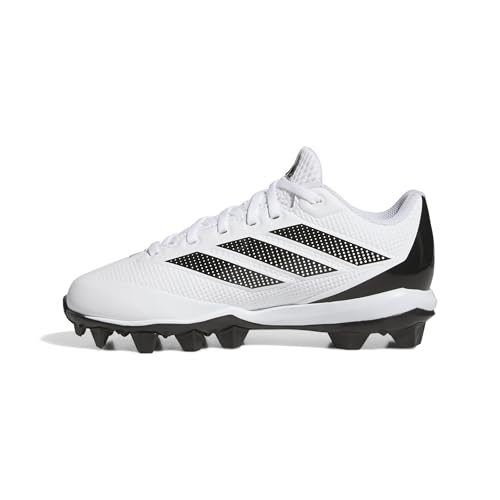
adidas Kids’ adiZero Impact 2.0 Molded Baseball Shoe

New Balance Kids Rave Run V2 Bungee
A Breakdown Of The Leading Choices
Turf practice eats ordinary sneakers alive, so a dedicated turf shoe makes sense the moment your kid trains on rubber-filled fields more than once a week. PUMA built the Ultra Play with an engineered mesh upper that keeps the foot cool, plus a debossed frame that stiffens the sidewalls during sharp cuts. The multi-studded rubber outsole is tuned for turf traction rather than firm-ground bite, which is exactly the grip pattern you want indoors and on synthetic pitches.
Compared to the ASICS toddler options later in this lineup, this is a step up in speed-oriented design, built for older kids who already know how to plant and pivot. For most youth soccer programs, that’s where the value lives.
A Strong Showing
- Engineered mesh upper keeps weight low for faster footwork during drills
- Debossed support frame braces the midfoot when cutting or pivoting
- Multi-studded turf outsole grips rubber-filled pitches without chewing up the surface
- Regular-to-narrow fit suits kids with slimmer feet better than wider alternatives
- Lace closure lets you fine-tune tension across the forefoot and ankle
Things To Consider
- Turf outsole is wrong for grass fields, so this is a practice shoe, not a game-day all-rounder
- Mesh upper scuffs faster than leather or synthetic leather on abrasive indoor surfaces
- Narrow last can feel tight on wider feet, so trying on matters if your kid is between sizes
Key Specs
Right Fit For
Active youth soccer players who train primarily on turf fields and need a lightweight shoe that handles quick directional changes.
Consider Something Else When
Your kid mostly runs on grass or pavement, where the ASICS Contend 9 or New Balance Rave Run V2 Bungee will feel more versatile off the field.
Toddlers don’t tie knots, so a hook-and-loop strap changes daily life in a household where shoes go on and off five times a day. The Contend 9 leans into that reality, with a closure that lets them pull shoes on themselves. A reinforced toecap and toe rubber stitching absorb the bangs of playground exploration, and the solid rubber outsole holds up against scuffing. The CUB MATCH sockliner prints a little tiger character inside to help young kids tell left from right, which is a small but real win for getting out the door faster.
The earlier Contend 8 covered similar ground, but the 9 tightens up durability around the toe, making it a smarter long-haul pick for kids who drag their feet.
Positive Points
- Hook-and-loop strap opens wide for easy on-and-off with small hands
- Reinforced toecap and rubber stitching lengthen shoe life through playground wear
- CUB MATCH sockliner helps toddlers identify the correct foot independently
Worth Noting
- Built for early walkers, so sizing tops out before bigger kids can use it
- Lacks the cushioning depth of running shoes for older children
Made For
Toddlers just learning to dress themselves, in daycare or preschool settings where independence matters as much as comfort.
A Better Fit Elsewhere
Older kids past the strap-closure stage will find the New Balance Rave Run V2 Bungee a better step up, with its lightweight midsole and quick-pull bungee system.
The Contend 8 sits just behind the newer Contend 9 in ASICS’ toddler lineup, and that gap is mostly about toe-stitch detail rather than a wholesale redesign. You still get the hook-and-loop strap that keeps wiggly feet locked in, plus a solid rubber outsole that survives playground gravel and the occasional curb. The CUB MATCH sockliner is still inside, helping little kids sort out which shoe goes on which foot during the morning rush.
Where the Contend 9 tightens the toecap stitching, the 8 keeps things simple. For most households that rotate toddlers through shoes every few months anyway, that simplicity is the point.
What Pays Off
- Hook-and-loop strap is easy for small hands to manage without adult help
- Solid rubber outsole handles abrasive playground surfaces over a season
- CUB MATCH sockliner supports early left-right awareness during dressing
Honest Caveats
- Toe reinforcement is lighter than the Contend 9, so scuffs show sooner
- Toddler sizing only, so it won’t grow with kids into the elementary years
- Less arch structure than shoes designed for longer walks or rough terrain
Best Suited To
Parents outfitting toddlers for preschool who want a proven school-yard design without paying for the newest version.
Swap It Out When
Your child is heading into competitive soccer or baseball, where the PUMA Ultra Play or adidas adiZero Impact 2.0 will offer better sport-specific traction.
For the kid who treats weekend matches like a job, the Future 9 Match brings a more grown-up construction than the entry-level PUMA earlier in this list. The upper pairs a soft, lightweight base with a stretchy knitted collar and a mid-cut build that wraps the ankle for extra stability. Embossed zones on the upper add grip on the ball, while stud shape and placement around the pivot point support 360-degree agility.
Where the Ultra Play is built for repeated turf sessions, this one targets firm-ground play, meaning natural grass and harder outdoor pitches. For most competitive youth players, that’s the environment they actually compete in.
What Works In Its Favor
- Stretchy knitted collar eases entry and hugs the ankle once on
- Mid-cut construction adds ankle stability during sprints and tackles
- Embossed upper zones give extra grip when striking or controlling the ball
- Stud layout around the pivot point supports quick directional changes
Points To Keep In Mind
- Firm-ground studs are not safe on artificial turf or hard indoor floors
- Premium construction costs more than basic youth cleats
- Mid-cut collar takes longer to break in than a low-cut cleat
Perfect Match For
Competitive youth soccer players who compete on grass fields and want a cleat that supports ball control and quick pivots.
Reach For A Different Pick When
Your kid trains mostly on turf, where the PUMA Ultra Play Turf Training Soccer Cleats offers a more appropriate outsole.
Baseball has its own traction demands, and a molded rubber cleat handles both youth baseball and softball diamonds cleanly. The adiZero Impact 2.0 sits in adidas’ kids’ baseball range, designed for kids still building base-running form. The molded pattern bites into dirt and grass without the sharp edges of metal spikes, which is the safer choice for younger players in youth leagues where molded cleats are required anyway.
Compared to the soccer cleats earlier in this lineup, the priorities shift: less ankle wrap, more forefoot flexibility for push-offs at first base.
Good Reasons To Consider
- Molded rubber cleats meet youth league rules that often ban metal spikes
- adiZero construction keeps the shoe light on long tournament days
- Forefoot flex supports push-offs when running between bases
- Works on both dirt infields and grass outfields without changing shoes
Some Limits To Know
- Limited cushioning for kids who also use the shoe for casual wear
- Sport-specific design means it doesn’t translate well to soccer or running
Key Specs
Who Should Grab It
Youth baseball and softball players who need a league-compliant molded cleat that handles dirt and turf in one shoe.
Not Your Match When
Your kid plays soccer as their main sport, since the PUMA Future 9 Match or PUMA Ultra Play will give better traction on soccer surfaces.
The everyday shoe gets worked harder than any sport-specific pair, especially when school, recess, and weekend outings all roll into one pair of feet. The Rave Run V2 Bungee is built for that grind. The IMEVA midsole weighs just 83 grams, which keeps the shoe light enough that kids don’t drag their feet by lunchtime. A breathable mesh upper lets heat escape during recess sprints, and no-sew overlays secure the midfoot without adding bulk. The bungee closure replaces traditional laces, so kids can pull these on without adult help.
Where the toddler ASICS models focus on early-walker stability, this one targets school-age kids who need all-purpose flexibility.
A Favorable Mix
- 83-gram IMEVA midsole keeps the shoe light for all-day wear
- Breathable mesh upper manages heat during recess and gym class
- Bungee closure lets kids put shoes on independently
- Durable rubber outsole handles playground asphalt and sidewalk curbs
Where It May Fall Short
- Bungee closure offers less fit precision than laces for narrow or wide feet
- Not designed with sport-specific traction for soccer, baseball, or trail use
Key Specs
Whose Shelf It Belongs On
School-age kids who need one versatile shoe for recess, gym class, and weekend play without swapping pairs all day.
Where A Sibling Pick Shines
For dedicated soccer training, the PUMA Ultra Play Turf Training Soccer Cleats delivers turf-tuned traction that this all-rounder can’t match.
What Matters Most When Buying Boys Athletic Shoes
Fit comes first, and that means measuring the foot in the afternoon when it’s slightly swollen and leaving a thumb’s width at the toe for growth. Sport specificity is the second filter: a turf-trained soccer player needs different traction than a baseball player or a casual runner. Closures matter more than people expect, since a hook-and-loop strap, bungee pull, or lace each shapes how independently a kid can gear up.
Material choice affects both feel and lifespan. Mesh uppers breathe well but scuff faster, while synthetic overlays add structure at the cost of airflow. Rubber outsoles wear through faster on asphalt than on softer surfaces, so active walkers may need replacement sooner than seasonal athletes. For most households, matching the shoe to the dominant activity saves money over buying one pair to do everything.
Key Considerations Across These Picks
Mistakes Worth Dodging
Buying a half-size up for “extra growth” often backfires, since oversized shoes cause blisters and poor traction. Choose a fit that locks the heel without pinching the toes, then plan for replacement in a few months rather than sizing into next year. Skipping sport-specific shoes is another common miss: turf soccer, grass soccer, and baseball each demand different stud patterns for safety and grip.
Where The Extra Money Goes
Premium picks like the PUMA Future 9 Match add knit collars, mid-cut support, and embossed ball-grip zones that entry-level cleats skip. For casual play, those extras are overkill. For competitive youth athletes training several times a week, the upgraded materials and traction pay off in better control and longer shoe life. Spending up makes sense when the activity level justifies it, and falls flat when a basic shoe would handle the same routine.
Frequently Asked Questions
How often should boys replace their athletic shoes?
Most active kids need new athletic shoes every six to nine months, since growth spurts and outsole wear both shorten useful life. Watch for worn tread or heels that compress flat underfoot.
Are cleats safe for everyday wear?
Cleats are built for field traction and can feel unstable on hard indoor floors or sidewalks. They also wear out faster on asphalt, so rotating into a regular athletic shoe for casual days extends cleat life.
What’s the difference between turf and firm-ground cleats?
Turf cleats use many small rubber studs for grip on synthetic surfaces, while firm-ground cleats have longer studs for biting into natural grass. Using the wrong type reduces traction and can damage the playing surface.
How do I know when to size up?
Check toe room while standing: a thumb’s width between the longest toe and the shoe front is the standard target. Heel slipping or visible toe curling are signs the current pair is too small.
Can one athletic shoe work for multiple sports?
For casual play, an all-purpose sneaker like the New Balance Rave Run V2 Bungee covers most activities. For organized leagues, sport-specific traction usually matters enough to warrant a dedicated pair.
The Takeaway
The right shoe depends on what your kid does most, whether that’s turf practice, weekend matches, or all-day playground wear. Match the outsole and closure to the activity, prioritize fit over growth room, and rotate sport shoes out of casual duty to keep them lasting. For most families, starting with one solid everyday pair plus a sport-specific shoe for the main activity covers the bases without overbuying.