Running doesn’t require a giant budget, and shoe shoppers know it. I’ve spent enough time sorting through budget-friendly trainers to spot the ones that hold up past the first month and the ones that fall apart fast. These seven cheap running shoes cover neutral striders, support seekers, and casual miles on a tight wallet, and the shortlist includes road running shoes, supportive running shoes, and casual sneakers that bridge gym-to-street.
The Choices Worth Comparing

adidas Men’s Adizero Electric Sneaker (White/Black)

PUMA Men’s Voltra Lace Up Sneakers (Red)
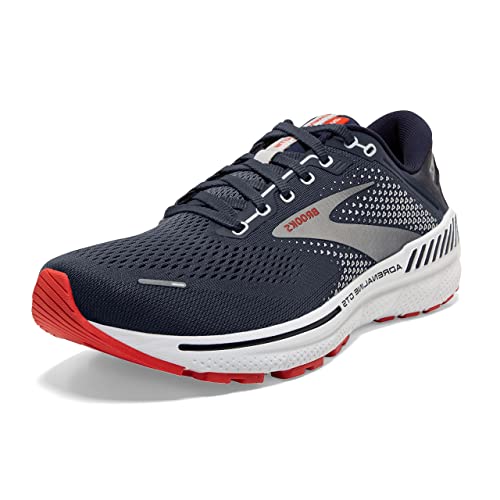
Brooks Men’s Adrenaline GTS 22 Supportive Running Shoe

Brooks Men’s Ghost 14 Neutral Running Shoe

Brooks Men’s Ghost 15 Neutral Running Shoe

Brooks Men’s Glycerin GTS 20 Supportive Running Shoe

ASICS Men’s Gel-Excite 10 Running Shoes
What Each Pick Brings To The Table
The adidas Adizero Electric sits in an interesting spot because it borrows the Adizero racing family name without the racing price tag. For runners who want a sneaker that feels quick underfoot on tempo days and short intervals, this delivers that lightweight impression without forcing a big commitment.
That said, the trade-off is comfort padding. Runners logging long Sunday runs or heavy daily mileage should temper expectations, because the cushion stack feels leaner than what you’ll find on a dedicated daily trainer like the Brooks Ghost 15 covered below. The Adizero Electric suits runners chasing turnover and pace over plush cushioning.
Features That Help
- Lightweight build that encourages a quicker, snappier turnover on shorter efforts.
- Breathable upper construction helps feet feel less sweaty during warm-weather runs.
- Race-inspired silhouette that doubles as a casual everyday sneaker outside of training.
- adidas brand fit tends to run true for most foot shapes, simplifying online sizing.
Things To Consider
- Cushion stack is on the thinner side, so longer mileage can feel harsh on pavement.
- Mesh upper looks clean but picks up scuffs faster than a knit panel on trainers like the Brooks Ghost 14.
Features That Help
Made For
Runners who split their week between short, fast workouts and casual lifestyle wear, and who want the snappy ride without the premium price of a true racing flat.
Consider Something Else When
Long-distance comfort matters more than speed, in which case the Brooks Ghost 15 Neutral Running Shoe serves daily mileage much more kindly.
The PUMA Voltra leans lifestyle-first with the formstrip and bold cage design up top, but X-Cell cushioning underfoot gives it more substance than a typical fashion sneaker. It’s the kind of shoe that handles a coffee run, an errand loop, and a treadmill session without feeling out of place in any of those settings.
Runners training for pace PRs won’t find the response they want here, and serious overpronators should look at the Brooks Adrenaline GTS 22 instead. The honest read is that the Voltra is a hybrid shoe pretending to be a serious trainer, and most shoppers who buy it for style get a pleasant surprise on the cushioning side.
The Helpful Details
- X-Cell cushioning adds stable support under the heel that holds up across long days on foot.
- Iconic PUMA formstrip and cage styling keep the look versatile for casual outfits.
- Lace-up closure lets wearers dial in fit across the midfoot, helpful for wider or narrower feet.
- Cushioned feel makes it usable as a light training shoe, not just a lifestyle sneaker.
Worth Noting
- Not a true performance running shoe, so shoppers expecting daily training mileage may feel limited.
- Bold colorway may not appeal to anyone building a minimal closet.
Quick Facts
Who It Suits Best
Shoppers who want one pair that handles commuting, errands, and short treadmill miles, and who care as much about looks as function.
Look Elsewhere When
Daily road running matters more than versatility, because the Brooks Ghost 14 Neutral Running Shoe handles steady training miles with more support.
The Adrenaline GTS line has built a loyal following among runners who overpronate, meaning their feet roll inward more than ideal during the stride. The GTS 22 carries that reputation forward with the same guided support system that has made this shoe a default recommendation from specialty running shops for years.
Runners with a neutral stride who don’t need the medial post (a denser foam wedge on the inner side of the midsole) may find the shoe slightly firmer than they want. Compared to the ASICS Gel-Excite 10 later on this list, the Adrenaline offers more structure and a longer daily mileage ceiling for shoppers who log consistent training.
Notable Gains
- Stability features help guide overpronation without feeling overly corrective underfoot.
- Trusted daily trainer pedigree for runners building consistent mileage week after week.
- Brooks fit tends to accommodate medium-to-wide feet comfortably out of the box.
Honest Caveats
- Heavier feel than neutral trainers like the Brooks Ghost 15 due to the stability hardware.
- Stock availability has been inconsistent, so sizing exchanges can take longer than usual.
Key Product Details
Best Suited To
Runners whose feet roll inward noticeably and need a trainer that addresses that motion without feeling clunky or overly corrective.
A Better Fit Elsewhere
Neutral striders who don’t need support hardware will find the Brooks Ghost 15 Neutral Running Shoe lighter and more flexible underfoot.
The Ghost 14 holds a special place in this list because it’s often the shoe that converts curious beginners into consistent runners. The neutral platform (designed for feet that don’t roll excessively inward or outward) means there’s nothing corrective in the midsole to get used to, and the smooth transitions make early miles feel manageable rather than punishing.
Runners who already own a newer Ghost generation might find the 14 less exciting than the Ghost 15 reviewed next. Anyone shopping fresh, however, gets a forgiving shoe that’s been refined over many versions, with consistent sizing that simplifies online orders.
Real-World Strengths
- Smooth neutral ride feels natural for first-time runners building mileage gradually.
- Engineered mesh upper balances breathability with structure around the midfoot.
- Brooks DNA loft cushioning softens impact without feeling overly squishy or unstable.
Worth Noting
- Newer Ghost 15 offers a slightly softer feel and updated upper, so newer tech exists if budget allows.
- Stock availability has been spotty on certain colorways at times, complicating the search.
Perfect Match For
New runners who want a forgiving neutral shoe that won’t fight their stride while they figure out cadence, gait, and weekly volume.
Swap It Out When
Shoppers want the latest refinements and can stretch their budget, because the Brooks Ghost 15 carries the same DNA forward with subtle improvements.
The Ghost 15 keeps everything that worked about the 14 and tightens up the areas that needed attention. Brooks shifted more soft foam into the midsole, giving the shoe a plusher first impression without making the ride feel unstable, and the upper update improves how the shoe wraps around the midfoot.
For runners debating between the Ghost 14 and 15, the 15 is the better pick if budget allows, since it represents the more refined take on the same neutral formula. Compared to the Glycerin GTS 20 covered below, the Ghost 15 skips the stability hardware in favor of a lighter, more flexible feel.
Strong Points
- Updated midsole foam gives a softer landing without sacrificing the smooth Ghost transitions.
- Improved upper fit reduces hot spots during long runs compared to the Ghost 14.
- Versatile enough for easy runs, long runs, and casual everyday wear in a single shoe.
- Available in wide options for shoppers needing extra room across the forefoot.
- Neutral platform works well for a wide range of foot strikes and gait patterns.
Things To Consider
- Outsole durability is solid but the lighter foam may show wear sooner than denser trainers over heavy mileage.
Key Product Details
Who Should Grab It
Runners who want a do-it-all neutral trainer they can rotate across easy days, longer efforts, and recovery runs without switching shoes.
Reach For A Different Pick When
Stability matters more than softness, because the Brooks Glycerin GTS 20 brings plush cushioning alongside support hardware.
The Glycerin GTS 20 takes the plush DNA of the standard Glycerin and pairs it with stability support. Runners who want soft landings on long runs but also need guidance against overpronation rarely find both qualities in a single budget-friendly package, which is where this shoe earns its place.
The trade-off is weight, since the support hardware adds grams compared to the Ghost 15. Shoppers who don’t need the medial post will feel more agile in the Ghost, while runners logging high weekly mileage appreciate the GTS 20’s combination of cushion and structure.
What Makes Sense
- Plush DNA loft foam delivers a soft underfoot feel across long easy miles.
- Stability features help guide overpronation without overly firm corrective posts.
- Roomy toe box accommodates wider feet better than slimmer racing silhouettes.
Worth Bearing In Mind
- Heavier build compared to neutral trainers like the Brooks Ghost 14, which may slow tempo runs.
- Premium cushioning feels great but can run warm in summer conditions for hot-footed runners.
Key Specs
Built With In Mind
Runners who pile on weekly mileage, want maximum cushioning, and need mild stability guidance rather than aggressive correction.
Not Your Match When
Lightweight agility matters more than plush landings, because the Brooks Ghost 15 handles tempo efforts with less bulk.
The Gel-Excite 10 fits squarely into the entry-level category, and ASICS built it for occasional fitness-conscious runners who want brand-name engineering without flagship pricing. The combination of GEL technology in the rearfoot (a silicone-based cushion unit placed in the heel to absorb impact) and AMPLIFOAM cushioning gives the shoe a noticeably softer landing than most budget trainers manage.
Runners logging heavy weekly mileage will feel the limits of an entry-level midsole before long, since AMPLIFOAM compresses faster than premium foams like the DNA loft found in the Brooks Glycerin GTS 20 above. The honest read is that this is a shoe for someone starting out, not someone training for a marathon.
A Few Strong Suits
- GEL cushioning in the rearfoot softens heel strike impact on pavement.
- AMPLIFOAM midsole adds a layer of comfort for shorter training efforts.
- Reinforced jacquard mesh upper increases airflow, helping feet stay cooler during warm runs.
- ASICS sizing runs consistent across most colorways, easing online ordering.
- Accessible price point makes it a strong starting shoe for new runners.
A Few Limitations
- Entry-level cushioning compresses faster under heavy weekly mileage than premium foams.
- Not designed for tempo or speed work where the Brooks Ghost 15 would feel more responsive.
- Limited stability features may not suit runners who overpronate noticeably.
Whose Shelf It Belongs On
New runners, casual joggers, and anyone returning to running after time off who wants comfortable cushioning without complexity.
Where Another Pick Suits Better
Runners with overpronation need the Brooks Adrenaline GTS 22 Supportive Running Shoe for the added stability hardware.
Sorting Through Budget Trainers Without Getting Burned
Budget-friendly trainers often look similar on the listing, but the differences underfoot matter a lot over a few months of use. Runners shopping cheap running shoes should focus first on fit and stride type before getting distracted by colorways or marketing copy.
Start With Your Stride
A neutral runner, meaning someone whose foot doesn’t roll excessively inward or outward during landing, generally thrives in a neutral platform like the Brooks Ghost 14 or ASICS Gel-Excite 10. Runners who overpronate (foot rolls inward) get better results from a stability shoe with medial posting such as the Brooks Adrenaline GTS 22 or Glycerin GTS 20. Wearing the wrong category can lead to shin splints, knee soreness, or blisters over weeks of training, so this single decision shapes the rest of the search.
Match The Shoe To Your Weekly Volume
Casual joggers running three times a week for 20 to 30 minutes can get away with entry-level cushioning. Runners logging 25 or more miles per week need denser midsole foam and more durable outsoles. The Ghost 15 and Glycerin GTS 20 handle higher mileage better than the Gel-Excite 10, while the Adizero Electric suits shorter, faster efforts where responsiveness matters more than cushion depth.
Don’t Skip Upper Fit
Shoe fit happens mostly in the upper, and a shoe that feels great in the store can cause hot spots across the forefoot during mile four. Jacquard mesh (a woven textile that stretches with the foot while maintaining structure) on the Gel-Excite 10 and engineered mesh on the Ghost line both breathe well, but toe-box shape varies enough between models that trying on at the end of the day, when feet are slightly swollen, gives the most honest feel.
Weight Changes How A Shoe Feels
Lightweight trainers like the adidas Adizero Electric feel fast but tire feet faster over long runs. Heavier stability shoes feel planted and protective but can drag during tempo efforts. Most runners eventually settle on one of each, an everyday trainer and a faster shoe, rather than expecting a single pair to do everything well.
Spotting The Trade-offs Before You Commit
Every pair on a shortlist like this comes with a compromise, and noticing those trade-offs early saves the hassle of returns and recovery miles in the wrong shoe.
Wrong Turns To Avoid
A common trap is buying a shoe based on the brand name alone. Brooks makes excellent trainers, yet the Ghost 15 and Adrenaline GTS 22 serve very different stride types, and choosing between them based on which sounds more appealing rather than what the foot actually needs leads to discomfort. Shoppers also underestimate how much cushion compresses over time, so entry-level foams in shoes like the ASICS Gel-Excite 10 can feel flat after a few months of regular use, faster than mid-range options.
Where The Extra Money Goes
Stepping up from an entry-level trainer to a mid-range daily trainer like the Brooks Ghost 15 typically buys better foam resilience, more durable outsoles, and a more refined upper. Premium stability shoes like the Glycerin GTS 20 add layered cushion plus stability features that entry-level options skip entirely. Runners logging consistent mileage find the upgrade pays off across a year of training, because the shoe maintains its feel longer and breaks down less quickly.
Frequently Asked Questions
Are cheap running shoes worth buying for daily training?
Budget-friendly trainers like the ASICS Gel-Excite 10 handle light daily training well, especially for new runners building volume gradually. Runners logging high mileage every week may notice midsole compression sooner, which is when stepping up to a mid-range trainer makes sense.
How long should a budget running shoe last?
Most cheap running shoes hold up well for roughly 300 to 500 miles, depending on the runner’s weight, gait, and the surfaces they cover. Heavier runners and runners who log lots of pavement miles tend to reach that ceiling faster than lighter runners on softer surfaces.
Do I really need a stability shoe if my feet pronate slightly?
Mild pronation doesn’t always need a stability shoe, and many runners find a neutral trainer with a wider platform like the Brooks Ghost 15 supportive enough. Pronation that causes recurring shin, knee, or arch pain typically responds better to a stability model such as the Adrenaline GTS 22.
Can I use one pair of cheap running shoes for gym and outdoor miles?
Casual hybrids like the PUMA Voltra handle gym sessions, errands, and short outdoor runs without trouble. Dedicated road running shoes like the Ghost line also cross over well, though they look more athletic and less lifestyle-oriented than a sneaker-first design.
How do I know when to replace my running shoes?
Most runners notice flattening cushioning, new aches in the shins or knees, or visible outsole wear before the shoe outright falls apart. Tracking mileage in a simple log or app helps spot the replacement window around the 300 to 500 mile mark, depending on the model.
The Takeaway
Budget-friendly running shoes have come a long way, and the seven picks above cover everything from race-inspired speedwork to plush long runs and stable daily mileage. Runners get the best results by matching the shoe to their stride and weekly volume rather than chasing a single best-looking option, and any of these seven will reward consistent training without punishing the wallet.