Affordable running shoes used to mean stiff soles and rough seams. That has changed: today’s budget trainers balance comfort, durability, and proper support for new runners. I put together this list for anyone starting a running routine without spending a fortune, or for seasoned joggers who want a reliable backup pair. These picks cover everything from casual five-minute warm-ups to longer weekend miles.
The Essentials At A Glance

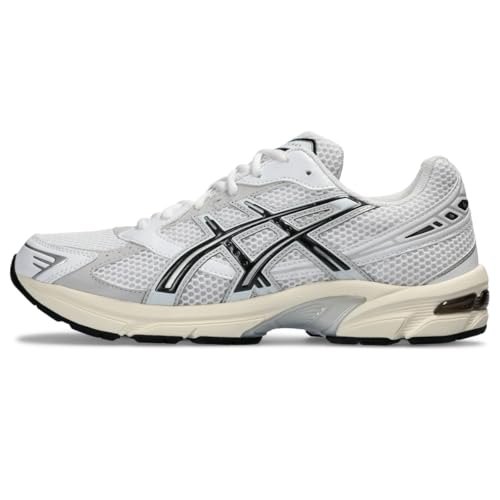
ASICS GEL-1130 Sportstyle Shoes

Hoka Gaviota 5 Women’s Sneakers


Brooks Ghost 15 Neutral Running Shoe

ASICS GT-2000 7 Running Shoes

ASICS Gel-Excite 10 Running Shoes
Taking A Closer Look At The Options
The Reebok Womens Zignition makes sense for anyone easing into running without committing to a premium trainer. Its low-profile design suits short jogs around the neighborhood or treadmill sessions, and the lightweight construction keeps fatigue at bay during those first few weeks of training.
Compared to the ASICS GEL-1130 Sportstyle Shoes later in this list, this Reebok leans more toward a stripped-down daily walker feel rather than a heritage stability shoe. Women testing out Couch to 5K programs will likely appreciate how unintimidating the silhouette feels, though the cushioning won’t hold up to serious mileage.
What Earns Its Place
- Lightweight frame that reduces leg fatigue on short runs
- Low-profile outsole, easy to wear outside of running
- Simple lacing system that won’t loosen mid-jog
Worth Bearing In Mind
- Cushioning is minimal compared to distance-oriented picks
- Limited sizing availability may frustrate some shoppers
Who It Suits Best
First-time runners who want a no-fuss trainer for short, casual outings and treadmill walks.
Consider Something Else When
The ASICS GEL-1130 Sportstyle Shoes suit shoppers wanting heritage style and a more substantial ride.
The ASICS GEL-1130 Sportstyle Shoes draw directly from a 2008 stability runner, wrapped in suede paneling for everyday street wear. GEL cushioning (a shock-absorbing silicone unit in the heel) softens heel-strike impact, which matters on hard pavement. For shoppers who want their trainers to double as a casual outfit piece, this hybrid approach lands well.
Unlike the Hoka Gaviota 5 later in this list, the GEL-1130 keeps things visually understated rather than going for the chunky maximalist look. Style-conscious joggers chasing a heritage vibe will probably find this one appealing, though runners seeking all-out performance should look at the ASICS Gel-Excite 10.
Everyday Advantages
- Heritage silhouette pairs well with jeans and casual fits
- Suede paneling adds a premium look without a premium cost
- GEL heel cushioning softens impact on concrete walks
Trade-Offs To Consider
- Suede demands careful cleaning, especially after wet runs
- Less supportive than dedicated stability trainers like the ASICS GT-2000 7
- Heavier than mesh-forward designs
Quick Facts
Made For
Style-conscious joggers who want a heritage trainer that transitions smoothly into casual outings.
Look Elsewhere When
The Hoka Gaviota 5 suits long-distance runners wanting plush, modern cushioning.
The Hoka Gaviota 5 is built around a soft H-Frame stabilizer, which guides the foot through a neutral path without feeling rigid. Bondi-level cushioning (Hoka’s plushest foam stack) sits beneath a breathable creel jacquard upper, which is a knit fabric woven for airflow and stretch. Long-run comfort seekers will appreciate the plush collar padding on multi-mile days.
Where the ASICS GEL-1130 leans retro and minimal, the Gaviota 5 swings fully into modern maximalism. Runners logging 5K to half-marathon distances benefit most from this setup. The trade-off is a chunkier shoe that doesn’t suit everyone stylistically.
What Makes Sense
- Bondi-level cushioning absorbs miles of hard pavement
- H-Frame stabilizer offers support without stiffness
- Breathable jacquard upper keeps feet cooler
- Plush collar prevents ankle rubbing on long runs
Some Limits To Know
- Chunky silhouette won’t appeal to minimalists
- Heavier than the adidas Adizero Electric for tempo work
Feature Snapshot
Best Suited To
Distance runners and overpronators who want maximum cushioning for multi-mile training blocks.
Reach For A Different Pick When
The adidas Adizero Electric suits speed-focused runners wanting a lighter, faster shoe.
The adidas Adizero Electric sits in adidas’s lightweight performance line, aimed at tempo runs and short-distance track efforts. The streamlined upper cuts weight, which matters when you’re chasing pace. It’s a strong pick for runners adding structured workouts to their weekly routine.
Compare that to the Hoka Gaviota 5 from earlier, which prioritizes plush comfort over speed. This adidas leans the opposite way: less stack height, more responsiveness. Runners doing easy recovery days may find it too firm, though that firmness is exactly the point on workout days.
Useful Strengths
- Lightweight construction suits tempo and interval sessions
- Streamlined silhouette reduces drag
- Part of adidas’s performance-focused Adizero line
Honest Caveats
- Firm ride may feel harsh on slow recovery miles
- Lacks the structured support of dedicated stability trainers
- Cushioning depth is shallower than the Hoka Gaviota 5
Who Will Love This
Runners adding speed work or track intervals to their training who want a lightweight shoe.
Skip It When
The Brooks Ghost 15 suits runners who prefer a soft, neutral daily trainer for easy miles.
The PUMA Voltra uses X-Cell cushioning technology, which is a hexagonal foam structure designed for stable, low-profile comfort. The bold cage design and formstrip branding give it visual identity without feeling flashy. Shoppers wanting something that walks easily from errands to light jogs will appreciate the overlasted construction.
Where the ASICS GEL-1130 leans heritage and the Hoka Gaviota 5 goes plush-modern, the Voltra sits comfortably in casual-sneaker territory. For real-world ownership, the lace-up closure holds through daily wear, though serious runners will want more specialized tooling.
Where It Delivers
- X-Cell cushioning provides stable comfort for all-day wear
- Bold cage design adds visual interest without being loud
- Overlasted build suits casual use across multiple settings
Where It May Fall Short
- Cushioning isn’t built for serious running mileage
- Limited color availability depending on sizing
The Right Fit
Casual wearers who want a comfortable everyday sneaker with sporty styling at a friendly cost.
A Better Fit Elsewhere
The ASICS Gel-Excite 10 suits shoppers wanting dedicated running features at a similar budget tier.
The Brooks Ghost 15 is a neutral trainer built for runners who don’t need extra stability posts. It’s a known quantity among everyday joggers, often used as a daily mileage shoe because it absorbs impact smoothly without forcing a particular stride pattern. Commuters who run a few times a week will find it predictable in the best way.
Unlike the PUMA Voltra’s casual bent or the adidas Adizero’s speed focus, the Ghost 15 sits squarely in the middle: soft enough for long efforts, structured enough to handle varied paces. For neutral runners logging consistent weekly mileage, it remains a sensible go-to.
Positive Points
- Neutral platform suits a wide range of foot strikes
- Smooth transitions work for varied paces and distances
- Trusted daily-trainer reputation among regular runners
- Versatile enough for gym sessions and easy jogs
Practical Considerations
- Heavier than speed-focused picks like the adidas Adizero Electric
- Availability can be patchy in certain sizes
Key Attributes
Whose Shelf It Belongs On
Neutral runners seeking a dependable daily trainer for consistent weekly mileage.
Swap It Out When
The ASICS GT-2000 7 fits overpronators needing structured stability on a budget.
The ASICS GT-2000 7 is a stability workhorse from ASICS’s structured-support lineup. Overpronators, who is a runner whose foot rolls inward excessively after landing, benefit from the medial post and guided midsole. It’s an older model, which often means accessible pricing without sacrificing core support features.
Compared to the Brooks Ghost 15’s neutral ride, this ASICS actively corrects stride mechanics. Runners who’ve been told they overpronate will appreciate the guided feel, though neutral strikers may find the support unnecessary.
Features That Help
- Structured stability corrects overpronation during gait
- Older model often available at budget-friendly pricing
- Durable build suited to high-mileage training blocks
Soft Spots
- Stability posts can feel intrusive for neutral strikers
- Older design may lack newer foam technologies found in the Hoka Gaviota 5
Built With In Mind
Overpronators on a budget who need structured support for consistent training.
Another Choice May Suit
The Brooks Ghost 15 fits neutral runners wanting a smoother, less corrective ride.
The ASICS Gel-Excite 10 pairs AMPLIFOAM cushioning with rearfoot GEL technology, which targets impact absorption where it matters most for heel strikers. The reinforced jacquard mesh upper boosts airflow, which keeps things comfortable on warm-weather jogs. Occasional runners will find this shoe approachable without a steep learning curve.
Earlier in the list, the Reebok Zignition offered a stripped-down first-runner feel; the Gel-Excite 10 brings more cushioning to a similar entry-level price point. Light-training-day users who want gel softness without premium cost will find this a sensible last pick.
Positive Takeaways
- Rearfoot GEL unit softens impact for heel strikers
- AMPLIFOAM cushioning balances softness with responsiveness
- Reinforced jacquard mesh improves breathability
- Approachable price for runners building a routine
Less-Strong Areas
- Cushioning depth trails the Hoka Gaviota 5 for long distances
- Some size options go in and out of stock
Technical Highlights
Perfect Match For
Light-training-day runners who want gel-cushioned comfort without stepping into premium pricing.
Where A Sibling Pick Shines
The Hoka Gaviota 5 fits long-distance runners wanting a thicker foam stack and modern stability.
Choosing The Right Cheap Running Trainers For Your Routine
Cushioning Depth And Type
Foam stack height (the thickness of the cushion between your foot and the ground) shapes how each mile feels. Plush options like the Hoka Gaviota 5 suit distance runners, while firm rides like the adidas Adizero Electric serve tempo workouts. GEL and AMPLIFOAM units target heel-strike impact, useful for runners who land rearfoot-first.
Stability Versus Neutral Platforms
Overpronators benefit from medial posts (firmer foam wedges on the inner edge) and guided midsoles like those in the ASICS GT-2000 7. Neutral runners with balanced strides generally prefer shoes like the Brooks Ghost 15, which don’t force a particular foot path.
Upper Materials And Breathability
Mesh uppers (jacquard or engineered) keep feet cool during warm runs. Suede designs, like the ASICS GEL-1130, trade breathability for style and durability. Think about your typical climate and how often you’ll run in them.
Sizing And Availability
Budget trainers often have inconsistent inventory, so checking sizing early matters. Some picks here appear in limited size ranges, which can stall the buying decision.
Smart Trade-Offs Across These Picks
Pitfalls Shoppers Hit
A common trap is choosing by color or brand familiarity rather than stride mechanics. Neutral runners often overpay for stability shoes they don’t need, while overpronators grab neutrals and develop knee discomfort. Sizing up “just in case” also backfires: too much room causes blisters.
What The Higher Tier Buys
Premium trainers typically add thicker foam stacks, lighter engineered meshes, and more refined stability systems. For runners logging 20+ miles weekly, those upgrades often matter. Casual runners under 10 miles weekly usually won’t notice the difference, making budget picks like the Gel-Excite 10 perfectly adequate.
Frequently Asked Questions
Are cheap running trainers durable enough for regular use?
Most budget trainers handle 300 to 500 miles before cushioning breaks down. Rotating between two pairs extends lifespan and reduces injury risk.
Should I pick a neutral or stability shoe?
Runners without inward foot roll generally do fine in neutral shoes like the Brooks Ghost 15. Overpronators usually need structured support like the ASICS GT-2000 7 to avoid joint strain.
How often should I replace running trainers?
Most runners replace shoes every 4 to 6 months with regular training. Watch for compressed midsoles or new aches as replacement signals.
Can I use these trainers for gym workouts?
Yes, especially neutral daily trainers like the Brooks Ghost 15 or PUMA Voltra. Speed-focused options with firmer midsoles also work for lifting days.
Do cheap running trainers fit true to size?
Sizing varies by brand. Trying them on with running socks in the evening, when feet are slightly swollen, gives the most accurate fit.
Closing Remarks
Cheap running trainers work best when matched to your stride, distance, and routine. I’ve found that runners who honestly assess their gait and mileage land on shoes that last longer and feel better. Start with what fits your weekly load, and upgrade only when the miles demand it.