A good road running shoe earns its keep over months of pavement, easing joints through steps that quietly add up. I wanted shoes that feel soft from the first mile, hold up through daily training, and stay breathable when summer heat rolls in. This roundup collects seven pairs I think cover most comfort, the gap that runners actually feel, from budget-friendly neutrals to plush long-distance cruisers.
The Shortlist At A Glance

ASICS Men’s GEL-1130 Sportstyle Shoes
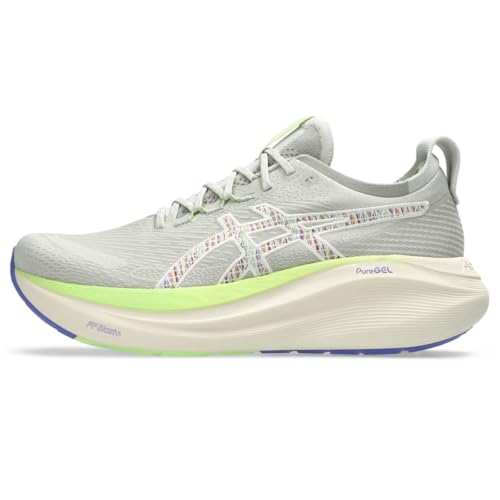
ASICS Men’s Gel-Nimbus 27 TR

Brooks Men’s Ghost 14 Neutral
ASICS Men’s Gel-Excite 11

ASICS Men’s Gel-Contend 9 Road

Saucony Men’s Triumph 22 Sneaker

Saucony Men’s Cohesion 18
Meet The Standout Selections
The GEL-1130 borrows its silhouette from a stability trainer that ASICS first shaped back in the early 2000s, so the look leans retro rather than overtly modern. Suede paneling softens the upper, giving it a worn-in, lived-in character that pairs naturally with jeans after a run. It is not a stripped-down racer, but it still rides smoothly on pavement thanks to the GEL cushioning embedded in the heel.
Runners who want one shoe for coffee runs, commutes, and easy park loops will appreciate how the GEL-1130 blurs the line between sneaker and trainer. Compared to the Gel-Nimbus 27 TR below, this pair trades long-haul softness for a more grounded, fashion-friendly feel. Sizing generally runs true to a standard men’s measurement, and the padded collar holds the heel comfortably during casual paces.
Everyday Wins
- Suede-and-mesh upper softens the typical synthetic feel, so the shoe breaks in comfortably within a few short wears.
- Visible GEL insert in the heel softens impact on sidewalks, helping joints on longer walks.
- Stable platform feels reassuring for runners who overpronate slightly or want a planted feel.
- Colorways trend toward muted, easy-to-style palettes that move from workout to weekend wear without swapping shoes.
Worth Noting
- Suede paneling can show water spots in wet conditions, so owners commonly rotate these away from rainy-day runs.
- The heavier, retro-inspired build weighs more than featherweight trainers like the Gel-Excite 11, which fast-paced runners may notice.
- Less breathable than full-knit options, making it warmer for hot summer long runs.
Who It Suits Best
Style-leaning runners who want one shoe for daily errands and easy miles, especially those who like a heritage look over loud performance design.
Look Elsewhere When
Serious long-distance runners chasing maximum softness should reach for the ASICS Gel-Nimbus 27 TR instead, which delivers deeper cushioning.
The Nimbus line has long been ASICS’ plush answer for runners who log serious weekly volume, and the 27 TR continues that tradition. FF BLAST PLUS cushioning, a lightweight foam that ASICS engineered for soft landings, sits beneath an engineered knit upper that wraps the foot evenly. The tongue and collar add a layer of pillowy support, so the shoe feels more like a cushioned slipper than a stiff trainer.
Runners tackling recovery days or marathon training blocks will find this shoe cushions every stride without feeling mushy. Compared to the GEL-1130 above, the Nimbus trades retro styling for noticeably deeper foam, so it lands softer at heel strike. For most everyday runners, the upper breathes adequately, though the thick midsole runs warm on hot pavement.
Everyday Perks
- FF BLAST PLUS midsole softens repetitive impact, easing knee and shin fatigue across long training blocks.
- Engineered knit upper hugs the foot securely, reducing the chance of heel slippage during long efforts.
- Padded collar and tongue add a plush step-in feel that makes recovery days genuinely comfortable.
- Neutral platform accommodates a wide range of foot shapes and works with custom orthotics.
Trade Offs
- The tall stack height feels unstable to runners used to lower-profile shoes like the Saucony Cohesion 18.
- Premium cushioning adds noticeable weight, so this is not the choice for track workouts or fast intervals.
- Knit upper attracts dust and pet hair, meaning routine cleaning is a must for light-colored pairs.
Made For
Runners logging high weekly mileage or recovering from joint soreness who want maximum cushion without sacrificing a smooth transition.
Swap It Out When
Runners seeking a more budget-friendly introduction to neutral cushioning will find the ASICS Gel-Excite 11 a smarter starting point.
The Ghost has built a loyal following by being predictable in the best possible way. It is a neutral trainer that quietly handles easy runs, gym sessions, and treadmill work without drama, and the 14th edition refines the formula with a smoother transition from heel to toe. Brooks engineered the Ghost as a workhorse for runners who want one shoe to handle most weekly mileage.
Anyone stepping into the Ghost for the first time usually notices how balanced it feels right out of the box. Compare that to the ASICS Gel-Nimbus 27 TR, which prioritizes plush softness; the Ghost is firmer and slightly more responsive, so pace pick-ups feel less mushy. For most runners, the Ghost fits true to size and accommodates medium-volume feet comfortably.
Notable Gains
- Segmented crash pad (a flexible groove system under the heel) smooths heel-strike transitions for an easier turnover.
- Engineered mesh upper keeps feet cool during summer tempo work.
- Neutral support makes the Ghost a versatile pick for both running and cross-training.
- Durable outsole tends to hold up well across 300+ miles of mixed surfaces.
Room For Improvement
- Lacks the deeper plush feel of the Nimbus 27 TR, so runners with sensitive joints may want more cushioning.
- Not specifically built with stability features, so dedicated overpronators might prefer a guided alternative.
- Upper material stretches slightly with heavy use, meaning the snug lockdown loosens over many months.
Right Fit For
Neutral runners wanting a versatile, dependable shoe for daily training, treadmill runs, and casual long efforts.
A Better Fit Elsewhere
Runners seeking retro styling and a softer heel cushion should consider the ASICS GEL-1130 instead.
The Gel-Excite line targets runners who want genuine ASICS engineering without the price tag of a flagship. The 11th version uses an engineered jacquard mesh upper, a weave with patterned ventilation holes, paired with GEL cushioning in the rearfoot. It runs lighter than its predecessors, so the shoe feels less clunky during short tempo work.
Newer runners often land on the Excite 11 as a friendly starting point, because the cushioning is forgiving without being overwhelming. Compared to the Brooks Ghost 14, this pair breathes a bit better in warm weather, though it offers less structured support around the midfoot. For most casual weekly mileage, the Excite handles treadmill miles and outdoor runs with equal ease.
Bright Spots
- Jacquard mesh upper promotes airflow, keeping feet cooler on humid summer runs.
- Rearfoot GEL cushion softens impact without adding bulk, which is ideal for lighter runners.
- Polyester construction keeps the shoe light enough for short pick-ups.
- Lace-up closure locks down the foot reliably for medium-volume arches.
Honest Caveats
- Less structured midfoot support than the Ghost 14, so runners needing extra guidance may feel under-locked.
- Outsole durability trails premium trainers, especially for runners who scuff at the heel.
- Fewer premium colorways compared to flagship ASICS releases.
Best Suited To
Newer runners and casual weekly trainers who want a breathable, lightweight entry into road running without overspending.
Not Your Match When
Style-focused runners wanting a heritage silhouette should consider the ASICS GEL-1130 Sportstyle instead.
The Gel-Contend 9 is ASICS’ approachable entry point, built for runners who want genuine road-running geometry without paying flagship money. AMPLIFOAM cushioning, a durable everyday foam, sits beneath a polyester upper, and an OrthoLite sockliner (a contoured foam insert that adds step-in comfort) softens each landing. Rearfoot GEL technology absorbs shock at heel strike, helping newer runners adapt to pavement gradually.
Beginners logging their first 5K training cycles will appreciate how the Contend handles short, easy runs without overwhelming the foot. Compared to the Gel-Excite 11, this pair leans a bit firmer but adds Trusstic Technology, a structural shank under the midfoot, for extra stability. For most entry-level runners, the shoe fits true to standard sizing and offers reliable lace-down security.
Real Benefits
- Rearfoot GEL absorbs impact at heel strike, reducing the sting of early-mile pavement pounding.
- OrthoLite sockliner adds a layer of cushioned step-in comfort right out of the box.
- Trusstic midfoot shank improves torsional stability (resistance to twisting) for runners needing extra support.
- Polyester lining wicks moisture well enough for short, easy runs.
Things To Consider
- AMPLIFOAM cushioning is firmer than the FF BLAST PLUS in the Nimbus 27 TR, so very sensitive joints may want more softness.
- Upper ventilation is moderate, meaning the shoe can run warm in peak summer conditions.
- Construction quality is solid but not premium, so long-term durability may trail flagship trainers.
Who Should Grab It
Beginners seeking an affordable road running shoe with enough stability and cushioning to handle a couch-to-5K training cycle.
Consider Something Else When
Runners chasing maximum plush cushion should consider the Saucony Triumph 22, which offers noticeably softer foam.
Saucony’s Triumph line has long been the brand’s plush answer for daily training, and the Triumph 22 leans even further into that comfort-first identity. PWRRUN PB super foam, a PEBA-based midsole foam prized for its light, bouncy feel, softens each step while the broader platform and updated rocker geometry, the curved sole shape that helps the foot roll forward, smooth the transition from heel to toe. The full-length XT-900 rubber outsole adds reassuring durability for daily road miles.
Runners seeking a premium upgrade over entry-level trainers will find the Triumph noticeably softer than the Gel-Excite 11. The shoe’s bouncy feel rewards easy paces, though it can feel slightly less stable at faster speeds. Depending on foot shape, runners with wider forefeet may want to try the shoe on before committing.
Benefits That Matter
- PWRRUN PB foam delivers soft landings with a noticeable bounce, which helps long runs feel less taxing.
- Wider platform improves balance for runners who felt tippy in narrower trainers.
- XT-900 rubber outsole holds up well against daily road wear.
- Updated rocker geometry promotes a smoother heel-to-toe transition.
A Few Limitations
- Premium cushioning comes at a higher price point than entry-level picks like the Gel-Contend 9.
- Tall stack height can feel unstable during sharp turns or downhill cornering.
- Lacks structured stability features, so dedicated overpronators may need to add an insole.
Built With In Mind
Runners who want a premium daily trainer with bouncy cushioning for long efforts, easy recovery runs, and walking-heavy days.
Reach For A Different Pick When
Budget-focused shoppers will find the ASICS Gel-Excite 11 covers similar neutral comfort at a much lower entry cost.
The Cohesion 18 is Saucony’s versatile entry-level trainer, built to handle daily errands and easy miles with the same simple recipe. VersaRun cushioning, a moderately soft EVA-based midsole, keeps the ride approachable for newer runners or walkers who log casual weekly mileage. The shoe’s neutral platform and secure lockdown make it a sensible pick for everything from neighborhood walks to first-race training.
Runners wanting Saucony’s soft PWRRUN PB experience will need to look up the line to the Triumph 22, which adds noticeable bounce. Compared to the ASICS Gel-Contend 9, the Cohesion offers a slightly softer step-in but a less structured midfoot. In most cases, the shoe fits comfortably across medium-volume feet and accommodates orthotics when needed.
Practical Advantages
- VersaRun cushioning softens short efforts without feeling overly plush for casual paces.
- Neutral platform suits a wide range of foot types and orthotic inserts.
- Secure lace-up fit holds the foot steady during walks and light jogs.
- Durable outsole rubber holds up well for everyday neighborhood mileage.
Points To Note
- Lacks the bouncy PWRRUN PB foam of the Triumph 22, so runners chasing energy return will want to upgrade.
- Moderate ventilation, which can feel warm during peak summer runs.
- Plain styling leans functional over fashion-forward.
Perfect Match For
Casual walkers and beginner runners who want a versatile neutral shoe for everyday mileage without premium pricing.
Where Another Pick Suits Better
Style-focused shoppers wanting retro design language will find the ASICS GEL-1130 Sportstyle a stronger fit for casual wear.
What To Weigh Before Choosing Comfortable Road Running Shoes
Picking the right road runner starts with honest reflection on your weekly mileage and your body’s tolerance for pavement. Cushioning depth matters most for runners logging high weekly volume or returning from injury, while firmer midsoles like the Ghost 14’s feel more responsive during tempo work. Drop, the difference in stack height between heel and forefoot, also shapes the ride: lower-drop shoes encourage midfoot strikes, while higher-drop options cushion traditional heel strikers.
Upper materials shape comfort in ways specs rarely capture. Engineered mesh breathes well during summer runs, while suede and synthetic overlays add structure but reduce airflow. Sockliner quality matters too, since removable inserts like OrthoLite let runners swap in custom orthotics easily. Sizing runs true on most modern trainers, but wide-footers should check whether brands offer wide variants before purchase.
Finally, consider where you actually run. Road-specific shoes pair smooth outsoles with cushioned midsoles for pavement, but runners who mix treadmill time with light trail detours may want a more versatile outsole. Trying shoes on late in the day, when feet are slightly swollen, helps mimic real running conditions and prevents tight toe-box surprises on first wear.
Quick Pointers Before You Pick
Hidden Buying Traps
The biggest mistake I see is buying a shoe based on looks alone. A flashy colorway cannot compensate for a midsole that is wrong for the foot’s natural gait. Try to identify your gait type (neutral, overpronator, underpronator) before browsing, and prioritize fit and cushion over style. Another common slip is ignoring weight; a heavy trainer that looks fine on a 2-mile jog can feel punishing across a 10-mile training run.
Where The Extra Money Goes
Premium trainers like the Saucony Triumph 22 cost more because they use advanced foam compounds that rebound more efficiently and last across more miles. Higher-tier construction typically adds better-engineered mesh uppers, more durable rubber outsoles, and refined geometry for heel-to-toe transitions. For most runners, the upgrade pays off once weekly mileage crosses roughly 20 miles, because softer foam and smoother transitions reduce fatigue over longer efforts.
Frequently Asked Questions
How often should road running shoes be replaced?
Most road runners benefit from replacing shoes every 300 to 500 miles, since midsole foam breaks down gradually and loses its cushioning. Track mileage in a simple running log or app to know when fresh foam is overdue.
Do I need different shoes for long runs and easy runs?
Not necessarily, though many runners prefer a softer, higher-stack trainer like the ASICS Gel-Nimbus 27 TR for long efforts. For shorter daily miles, a versatile trainer like the Brooks Ghost 14 handles most paces comfortably.
Are road running shoes suitable for treadmill use?
Yes, most road running shoes work well on treadmills since the belt is smoother than outdoor pavement. Runners who split time between treadmill and outdoors should still rotate shoes occasionally to let foam recover.
What is the difference between neutral and stability shoes?
Neutral shoes like the Saucony Cohesion 18 allow the foot to flex naturally, while stability shoes add structured support to guide overpronators. Choosing between them usually depends on gait analysis or podiatrist guidance.
Should I size up for running shoes?
Many runners benefit from a half-size up compared to casual shoes to allow toe splay during longer efforts. Trying shoes on in the evening with running socks helps mimic real foot swelling.
Closing Remarks
Comfort on the road comes down to matching cushioning, fit, and use to your weekly reality. Beginners will find the ASICS Gel-Contend 9 a forgiving starting point, while high-mileage runners chasing softness will appreciate the ASICS Gel-Nimbus 27 TR or the Saucony Triumph 22. Trust your feet, log a few easy miles in any new shoe, and let the pavement tell you which pair earned the spot in your rotation.